

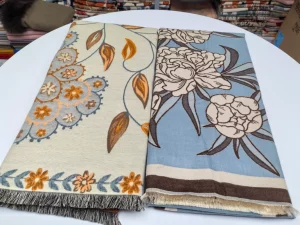
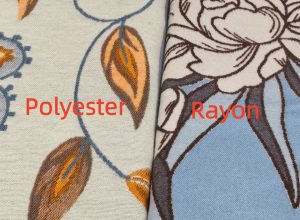
بالنسبة لمشتري الوشاح بالجملة ، فإن اختيار النسيج المناسب هو عامل حاسم في تحديد القدرة التنافسية للمنتج ، وتناسب السوق المستهدفة ، وهوامش الربح. من بين المواد الأكثر شعبية في صناعة بيع الجملة الوشاح، 100٪ البوليستر (البوليستر الكامل) ومزيج البوليستر-رايون هما خياران رئيسيين مع خصائص متميزة. كما هو مبين في الصورة: الوشاح على اليسار مصنوع من البوليستر الكامل - مع خيوط سميكة ، نسيج خيوط أربعة ألوان ، مما يؤدي إلى نسيج سميك وصلب ؛ الوشاح على اليمين مصنوع من مزيج البوليستر الرايون ، وهو ناعم وصديق للجلد. اليوم، سنجري تحليلا متعمقا لهاتين المواد، بما في ذلك تعاريفهما وخصائصها الأساسية ومزاياها وعيوبها والسيناريوهات المطبقة، لمساعدتك على اتخاذ قرارات شراء أكثر استنارة.
أولاً، دعونا نوضح التعاريف الأساسية للمادتين، والتي هي فرضية فهم اختلافاتهما.
1. ما هي 100٪ البوليستر والرايون؟
1.1 100٪ البوليستر (البوليستر الكامل)
البوليستر هو ألياف صناعية مصنوعة من المواد الخام الكيميائية القائمة على البترول من خلال البوليمر والغزل. يستخدم الوشاح البوليستر الكامل في الصورة خيوط البوليستر السميكة ، وعملية تداخل الخيوط الأربعة ألوان تعزز كثافتها الهيكلية. تستخدم هذه المادة على نطاق واسع في سوق الوشاح بالجملة بسبب عملية الإنتاج الناضجة والأداء المستقر وانخفاض التكلفة. إنها ليست مادة "منخفضة الجودة" بالمعنى التقليدي ، ولكن نسيجها وخصائصها أكثر ملاءمة لمتطلبات السوق المحددة.
1.2 خليط البوليستر الرايون (البوليستر والرايون المختلط النسيج)
مزيج البوليستر الرايون هو نسيج مركب مصنوع عن طريق خلط البوليستر (الألياف الاصطناعية) والرايون (الألياف شبه الاصطناعية المشتقة من السليلوز الطبيعي مثل لب الخشب) بنسبة معينة (نسب شائعة: 70٪ البوليستر 30٪ رايون ، 50٪ البوليستر 50٪ رايون). على عكس البوليستر بنسبة 100٪، يجمع هذا المزيج بين مزايا كلتا المواد: فإنه يحافظ على الاستقرار الهيكلي للبوليستر مع ورثه لينامة و صديقة الجلد للرايون. هذا هو السبب في أن الوشاح المزيج من البوليستر والرايون على الجانب الأيمن من الصورة له نسيج أكثر لينة بكثير من البوليستر الكامل. إنه خيار شائع في سوق الوشاح بالجملة المتوسطة المدى ، والتوازن بين فعالية التكلفة والراحة والمتانة.
2. الاختلافات الأساسية بين البوليستر الكامل والبوليستر رايون خلط الأوشاح (جنبا إلى جنب مع خصائص الصورة)
من الاختلافات البصرية واللمسية في الصورة ، يمكننا التمديد إلى الاختلافات الأساسية بين المواد في أبعاد متعددة ، والتي تؤثر مباشرة على تجربة المستخدم وموقع السوق للوح:
2.1 الخيوط والنسيج
ويستخدم الوشاح البوليستر الكامل على اليسار خيوط سميكة ، ويجعل نسيج الخيط بأربعة ألوان هيكل النسيج كثيفًا. هذه الطريقة النسيج ، جنبا إلى جنب مع الصلابة المتأصلة في ألياف البوليستر ، تجعل الوشاح يبدو سميكا وصلبا. لديها شعور قوي بالشكل وليس من السهل تشوه بعد ارتدائه. بالنسبة للمشترين الذين يحتاجون إلى الأوشاح بأسلوب "منظم" (مثل الأوشاح المربعة للمناسبات الرسمية) ، هذه الخصائص هي ميزة.
يستخدم الوشاح المزيج من البوليستر والرايون على اليمين خيوط أكثر دقة من البوليستر الكامل. عملية الخلط تخفف من صلابة ألياف البوليستر ، في حين يعزز الرايون من قابلية القماش. حتى مع نفس كثافة النسيج ، لن يكون له شعور صلب. إنه يناسب الجلد بشكل طبيعي ، والمنسج هو توازن مثالي بين الشعور الهيكلي للبوليستر ونعمة الرايون. هذه الخصائص تجعلها أكثر اتساقا مع الطلب على الأوشاح "مريحة ومتعددة الاستخدامات" في السوق المتوسطة المدى، والتي يمكن استخدامها لكل من الملابس اليومي والمناسبات شبه الرسمية.
2.2 الإحساس اللمسي
الأوشاح البوليستر الكاملة لها إحساس لمسي خشن نسبيا بسبب الخيوط السميكة والخصائص الكيميائية للألياف. عند لمسهم مباشرة، قد يكون هناك "شعور بلاستيكي" طفيف، وودودة الجلد متوسطة. ومع ذلك ، بعد عمليات التشطيب الخاصة (مثل الرمال) ، يمكن تحسين الإحساس اللمسي إلى حد ما.
الأوشاح مزيج البوليستر الرايون لها مزايا واضحة في الإحساس باللمس. بفضل مكون الرايون ، يمتلك النسيج امتصاصًا جيدًا للرطوبة ، لذلك يشعر بالناعمة والسلاسة عند اللمس ، دون "شعور بلاستيكي" متشدد من البوليستر الكامل. إنه قريب من الجلد ولن يسبب تهيجًا ، وهو مناسب للمستهلكين الذين يولون اهتمامًا للراحة في ارتدائهم ولكنهم لديهم أيضًا متطلبات معينة للمتانة. إن نسيج المزيج أكثر تميزاً من البوليستر الكامل ، مما يسهل وضع الموقع في سوق التجزئة المتوسطة المدى.
2.3 التعبير عن اللون
يستخدم الوشاح البوليستر الكامل على اليسار نسيج خيوط أربعة ألوان ، والتي ترتبط بأداء صبغة البوليستر. البوليستر لديه صبغة ضعيفة ويحتاج إلى صبغة في درجات الحرارة العالية والضغط العالي. يمكن لنسيج الخيوط الأربعة ألوان تقديم ألوان غنية مباشرة أثناء عملية الإنتاج ، وتجنب مشكلة الصبغة غير المتساوية. لون الأوشاح البوليستر مشرق وليس من السهل تلاشي ، وثبات اللون عالية.
يجمع مزيج البوليستر الرايون بين مزايا الصبغة لكلا المواد: لديه قابلية صباغة أفضل من البوليستر الكامل (لا حاجة إلى صباغة درجات الحرارة العالية والضغط العالي) وصلابة لون أعلى من الرايون النقي. لون الوشاح المزيج ناعم وطبيعي (موروث من الرايون) وليس من السهل أن يتلاشى (موروث من البوليستر). تعبير اللون أكثر توازنا - ليس مشرقا مثل البوليستر الكامل ولا عرضة للتلاشى مثل الرايون النقي ، وهو مناسب لمجموعة متنوعة من عمليات الطباعة والصبغة ويلبي الاحتياجات الجمالية لمعظم الأسواق الإقليمية.
3. الإيجابيات والمزايا سلبيات البوليستر الكامل والبوليستر-رايون مزيج الأوشاح (منظور الجملة)
بالنسبة للمشترين بالجملة ، فإن فهم مزايا وعيوب الموادين أمر حاسم لمطابقة طلب السوق ، والسيطرة على التكاليف ، والحد من مخاطر ما بعد البيع. دعونا نفرز إيجابيات وسلبيات كل من سيناريو تطبيق الجملة:
3.1 مزايا الأوشاح البوليستر الكاملة
-
التكلفة المنخفضة، هامش الربح العالي: البوليستر هو ألياف صناعية مع تكنولوجيا الإنتاج الناضجة وتكلفة المواد الخام المنخفضة. سعر الجملة من الأوشاح البوليستر الكاملة عادة ما يكون أقل بنسبة 30٪ -50٪ من سعر الأوشاح الرايون ، وهو مناسب جدا للمشترين الذين يستهدفون السوق الجماهيرية والسعي إلى تحقيق فعالية عالية من حيث التكلفة. يمكن أن تساعد تجار التجزئة على تحديد أسعار التجزئة التنافسية وتحسين حجم المبيعات.
-
أداء مستقر ، سهل الصيانة: البوليستر لديه مقاومة ارتداء قوية ومقاومة التجاعيد ومقاومة التقلص. الأوشاح البوليستر الكاملة ليست سهلة التشوه أو التجاعيد أو التقلص أثناء الغسيل والارتداء. يمكن غسلها بالآلة مباشرة ، مما يقلل من تكاليف الاستخدام والصيانة للمستهلكين ويقلل أيضًا من مشاكل ما بعد البيع الناجمة عن الصيانة غير السليمة (مثل العودات والتبادلات).
-
قوة اللون العالية ، عمر الخدمة الطويل: كما ذكر سابقا ، البوليستر لديه صلابة لون عالية وليس من السهل أن تتلاشى. حتى بعد غسل متعدد ، يمكن أن يبقى اللون مشرقًا. هذه الخصائص تجعل الأوشاح البوليستر الكاملة مناسبة للاستخدام في الهواء الطلق والارتداء المتكرر ، وعمر الخدمة أطول من الأوشاح الرايون.
-
سميكة وجامعة ، مناسبة للأساليب المتعددة: النسيج السميك والصلب من الأوشاح البوليستر الكاملة يجعلها مناسبة لصنع أنماط منظمة مختلفة ، مثل الأوشاح المربعة ، الشال مع شعور بالشكل ، إلخ. كما أنها مناسبة لإضافة التطريز والطباعة وغيرها من العمليات ، وتأثير المنتج النهائي مستقر.
3.2 عيوب الأوشاح البوليستر الكاملة
-
ضعف صداقة الجلد والقدرة على التنفس: البوليستر لديه ضعف امتصاص الرطوبة والتنفس. قد يسبب ارتدائه بالقرب من الجلد لفترة طويلة الاختناق ، خاصة في المواسم الحارة. بالنسبة للمستهلكين الذين يولون الاهتمام للراحة ، فهذا عيب كبير ، مما يحد من سيناريو تطبيق الأوشاح البوليسترية الكاملة في الربيع والصيف.
-
الشعور بالبلاستيك ، منخفض النسيج: نسيج الألياف الكيميائية المتأصلة في البوليستر يجعل الأوشاح البوليستر الكاملة لديها "شعور بلاستيكي" معين ، وهو أقل من نسيج الأوشاح الرايون والألياف الطبيعية. وهي ليست مناسبة للمشترين الذين يستهدفون السوق المتوسطة إلى الراقية ويتابعون "نسيج الفخامة".
-
حبوب بسهولة تحت الاحتكاكعلى الرغم من أن البوليستر مقاوم للارتداء ، إلا أن الأوشاح البوليسترية الكاملة عرضة للتراجع تحت الاحتكاك طويل الأجل (مثل ارتداء معطف) ، مما يؤثر على المظهر ويقلل من نية المستهلك في إعادة الشراء.
3.3 مزايا البوليستر رايون خلط الأوشاح
-
ناعمة وصديقة للجلد، راحة متوازنة: هذه هي أكبر ميزة من البوليستر رايون مزيج الأوشاح. يوفر مكون الرايون لينامة وامتصاص الرطوبة ، في حين يضمن مكون البوليستر عدم هشاشة النسيج. إنه مريح للارتداء بالقرب من الجلد ، دون الاختناق حتى في المواسم الدافئة ، وأكثر دوامًا من الرايون النقي. انها مناسبة لصنع الأوشاح للارتداء اليومي، طبقات الربيع والصيف، والمناسبات شبه الرسمية.
-
جيدة Drapability & نسيج ممتاز: المزيج لديه ممتازة drapability ، وشاح يعلق بشكل طبيعي مع شكل ناعم وأنيق. نسيجها أفضل من البوليستر الكامل (لا شعور بالبلاستيك) وأكثر استقرارا من الرايون النقي (ليس من السهل تشوه). يمكن وضعها في السوق المتوسطة المدى ، مع سعر التجزئة أعلى بنسبة 20٪ -30٪ من البوليستر الكامل ، مما يجلب هوامش أرباح أعلى لمشتري الجملة.
-
أداء متوازن، مخاطر منخفضة بعد البيع: يرث مقاومة التآكل ومقاومة التجاعيد من البوليستر ، وتجنب تشوه سهل وتلاشى الرايون النقي ؛ في نفس الوقت ، لديها التنفس من الرايون ، مما يعوض عن تعبئة البوليستر الكامل. يمكن غسلها بالآلة (الوضع اللطيف) ، مما يقلل من تكلفة الصيانة للمستهلكين وشكاوى ما بعد البيع الناجمة عن الاستخدام غير السليم لعملاء التجزئة.
-
جاذبية السوق متعددة الاستخداماتالخصائص المتوازنة للمزيج تجعلها مناسبة لأسواق متعددة - سواء كانت البوتيكات الأوروبية والأمريكية المتوسطة المدى ، أو أسواق الملابس اليومية في آسيا الوسطى ، أو قنوات الأزياء العادية في أمريكا الجنوبية ، فإنها يمكن أن تلبي احتياجات المستهلك. كما يدعم عمليات مختلفة مثل التطريز والطباعة ، مع تأثيرات منتج نهائي مستقر.
3.4 عيوب البوليستر-رايون خلط الأوشاح
-
تكلفة أعلى من البوليستر الكامل: عملية إنتاج مزيج النسيج أكثر تعقيدا من البوليستر الكامل ، وتكلفة المواد الخام الرايون أعلى. عادة ما يكون سعر الجملة للوحات المزيجة من البوليستر الرايون أعلى بنسبة 25٪ -40٪ من سعر البوليستر الكامل ، مما يتطلب من المشترين استهداف السوق المتوسطة المدى ولديها متطلبات أعلى لدوران رأس المال.
-
الأداء يعتمد على نسبة الخليط: نوعية الأوشاح المزيج مرتبطة ارتباطا وثيقا بنسبة البوليستر والرايون. إذا كانت نسبة الرايون عالية جداً (على سبيل المثال ، أكثر من 60٪) ، فإن النسيج سيكون عرضة للتجاعيد والتقلص. إذا كانت نسبة البوليستر عالية جداً (على سبيل المثال ، أكثر من 80٪) ، فستفقد ميزة اللونة للمزيج. وهذا يتطلب من المشترين تأكيد نسبة المزيج مع الموردين لتجنب عدم تطابق طلب السوق.
-
غير مناسبة لسوق الفخامة الراقيةعلى الرغم من أن النسيج أفضل من البوليستر الكامل ، إلا أنه لا يزال لا يتطابق مع الألياف الطبيعية مثل الحرير والكشمير. وهي ليست مناسبة للمشترين الذين يستهدفون سوق الفخامة الراقية التي تسعى إلى "نسيج طبيعي نقي".
-
التخزين المحتمل تحت الاحتكاك على المدى الطويل: مقارنة مع البوليستر الكامل ، فإن المزيج أقل مقاومة للتآكل قليلاً. تحت الاحتكاك على المدى الطويل (مثل ارتداء معطف خشن) ، قد لا تزال لديها مشاكل في التخزين ، مما يؤثر على المظهر ونية المستهلك لإعادة الشراء.
4. اقتراحات الشراء بالجملة: كيفية الاختيار بين البوليستر الكامل والبوليستر-رايون مزيج الأوشاح؟
لا يوجد "جيد أو سيء" مطلق بين الأوشاح البوليسترية والرايون الكاملة ، فقط "مناسبة أو لا". استنادا إلى التحليل المذكور أعلاه، نقدم اقتراحات الشراء التالية لمشتري الجملة:
وضع السوق المستهدفةإذا كنت تستهدف السوق الجماهيرية أو العلامات التجارية للأزياء السريعة أو أسواق الهدايا الترويجية (مثل متاجر الخصم الأوروبية والأمريكية وأسواق الجملة في آسيا الوسطى) ، فإن الأوشاح البوليسترية الكاملة أكثر ملاءمة - منخفضة التكلفة وحجم المبيعات العالي ومخاطر ما بعد البيع المنخفضة. إذا كنت تستهدف السوق المتوسطة المدى ، أو متاجر البوتيك ، أو المستهلكين الذين يسعون إلى الراحة وفعالية التكلفة (مثل المتاجر الأوروبية والأمريكية المتوسطة المدى ، ومحلات الأزياء العادية في أمريكا الجنوبية) ، فإن الأوشاح المزيجة من البوليستر الرايون أكثر تنافسية ، مع هوامش ربح أعلى.
الطلب الموسمي: للربيع والصيف الأوشاح (التركيز على التنفس والراحة) ، البوليستر رايون مزيج الأوشاح هي الخيار الأول ؛ للوحات الخريفية والشتوية التي تحتاج إلى الدفء والشكل (مثل الشالات المضخمة) ، وحات البوليستر الكاملة أكثر ملاءمة. يمكنك أيضًا ضبط نسبة الشراء وفقًا للتغيرات الموسمية - زيادة الأوشاح المزيجة في الربيع والصيف ، وأشاح البوليستر الكاملة في الخريف والشتاء.
مجموعات المستهلكينإذا كان المستهلكون المستهدفين هم الشباب الذين يتابعون فعالية التكلفة والأزياء (مثل مشتري الأزياء السريعة) ، فإن الأوشاح البوليسترية الكاملة ذات الألوان الغنية والأساليب الجديدة أكثر جاذبية. إذا كان المستهلكين المستهدفين هم فئات منتصف العمر والمسنين الذين يولون الاهتمام للراحة والنسيج ، أو المستهلكين الإناث الذين يسعون إلى الراحة في ارتداء اليومي ولكن لديهم متطلبات معينة للمتانة ، فمن المرجح أن يتم التعرف على الأوشاح المزيجة من البوليستر الرايون.
5. اختر لنا للوحات بالجملة: الجودة والتخصيص مضمونة
سواء كنت بحاجة إلى أوشاح كاملة من البوليستر مع نسيج سميك وصلب (مناسب للسوق الجماعية) أو أوشاح مزيج من البوليستر الرايون مع نسيج ناعم وصديق للجلد (مناسب للسوق المتوسطة المدى) ، يمكننا تزويدك بخدمات الجملة عالية الجودة. لدينا سلسلة توريد مستقرة، مع قدرة إنتاج يومية من 5000 قطعة، وضمان التسليم في الوقت المناسب حتى للطلبات الكبيرة. نحن ندعم كميات الطلب الأدنى المرنة (MOQ تبدأ في 10 قطع) ، وهو أمر مريح لك لاختبار السوق. في نفس الوقت ، نقدم خدمات مخصصة مثل نسب المزيج الشخصية (70/30 ، 50/50 ، إلخ) ، والأنماط والأحجام - سواء كان الوشاح البوليستر الكامل بالخيوط الأربعة الألوان في الصورة أو الوشاح الناعم من مزيج البوليستر الرايون ، يمكننا تخصيصه وفقًا لاحتياجاتك لمساعدتك على فتح أسواق جديدة وتحسين هوامش الربح.
إذا كنت مهتمًا بالبوليستر الكامل ، أو مزيج البوليستر الرايون أو أوشاح مواد أخرى ، أو لديك أسئلة حول اختيار المواد ونسبة المزيج والتخصيص ، مرحبا بكم في الاتصال لنا في أي وقت. سيقوم فريقنا المهني بالرد عليك في غضون 24 ساعة ، وتزويدك بعينات منتجات مفصلة واقتباسات ، والعمل معك لتحقيق التعاون المربح للجميع!


