The History of Shawls From Traditional Wear to Modern Fashion
Shawls began as basic wraps. They kept people warm. They offered modesty too. Now they serve as eye-catching finishers for any outfit. They bring elegance with little effort. Their story stretches across centuries and many lands. It mixes usefulness with real artistry. Embroidered shawls especially stand out. They add raised texture, vivid color, and a personal touch. That turns a plain accessory into something unforgettable.
Origins of Shawls: Practical Roots in Ancient Civilizations
Back in ancient Mesopotamia, Egypt, and the Indus Valley, folks draped simple rectangles of linen or wool over their shoulders. This happened thousands of years ago. Those early pieces blocked harsh sun, biting wind, or sudden cold. They also showed social rank. Finer weaves or richer dyes marked higher status.
The word “shawl” comes from the Persian “shāl.” It spread more widely around the 14th century. Persian and Central Asian traders carried finely spun wool versions westward. In Kashmir, herders gathered the ultra-soft undercoat from high mountain goats. They spun it into pashmina yarn. The result? Lightweight shawls that still kept you toasty. Early Kashmiri ones stayed mostly plain. Some had basic stripes. But soon royal demand pushed workers toward fancier details.
Traders moved these treasures along the Silk Road. They became treasured gifts. Persian courts loved them. Mughal rulers did too. The pieces traveled far.
Kashmiri Shawls and the Rise of Intricate Craftsmanship
During the 18th and 19th centuries, Kashmiri shawls flooded into Europe. Wealthy French and British ladies wore them over empire-waist gowns. The accessory quickly turned into a clear sign of wealth and taste.
The famous “buta” motif—shaped like an almond or a teardrop flower—became iconic. European mills in Paisley, Scotland, copied it on a large scale. That’s why we still call the pattern “paisley” today.
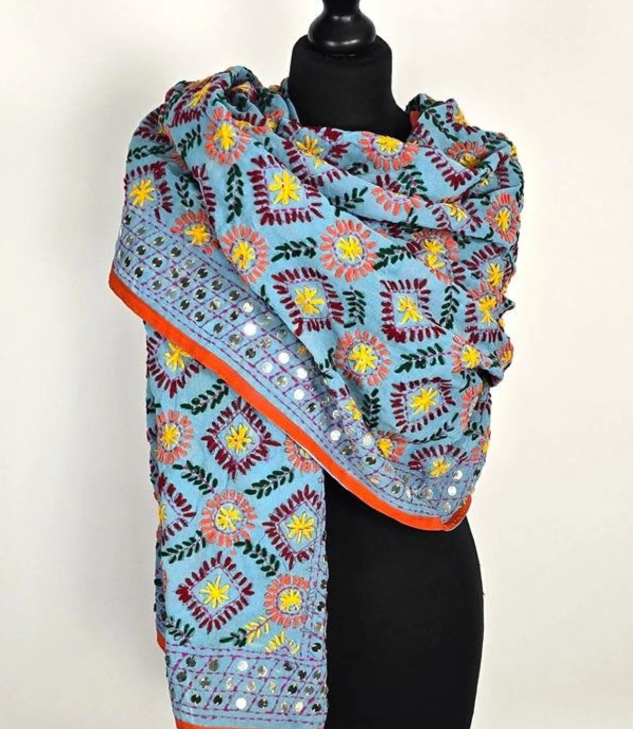
Kashmiri makers split their work into two big categories. Some wove patterns right into the fabric on looms (called tilikar). Others embroidered by hand (known as amli or sozni). They used a single fine needle and delicate wool or silk threads. Tiny stitches built up dense floral, paisley, or geometric designs. The work looked almost like painting. Teams often worked together. One person outlined the shapes. Others filled them with color. A top-quality piece could take months to finish. Only the very wealthy could buy them.
Europe wanted more than Kashmir could supply. French and British workshops stepped in. They made embroidered copies on lighter wool or silk bases. These versions looked luxurious. They took far less time. That opened the style to many more people.
Embroidered Shawls: Technique Meets Fashion
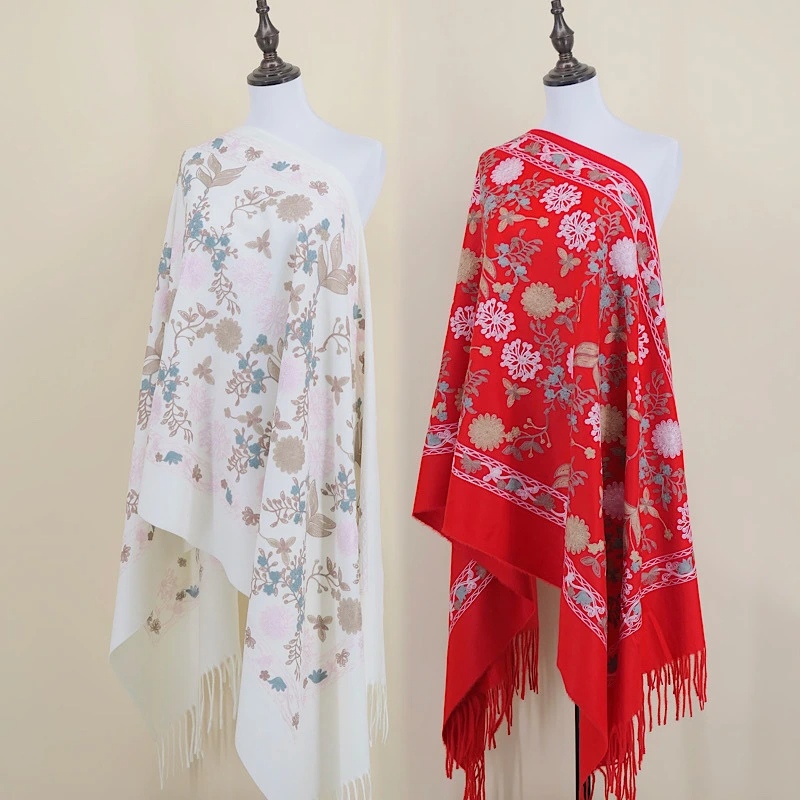
Embroidered shawls developed their own character through special skills. In Kashmir, sozni work uses one needle and super-fine threads. It creates layered patterns that feel raised and rich. Spanish-style Manila shawls came later via trade routes through the Philippines. These square silk pieces showed Chinese-inspired flowers, birds, and long fringes. They became favorites in Spain and Latin America. Even now, flamenco dancers twirl them on stage. The silk catches every light.
In Victorian times, embroidered shawls moved beyond fancy parlors. Women layered them over daily dresses or evening gowns. They picked designs that matched their jewelry or the season’s colors. Later, machines sped things up. Still, hand-finished edges and custom stitching kept the best ones special.
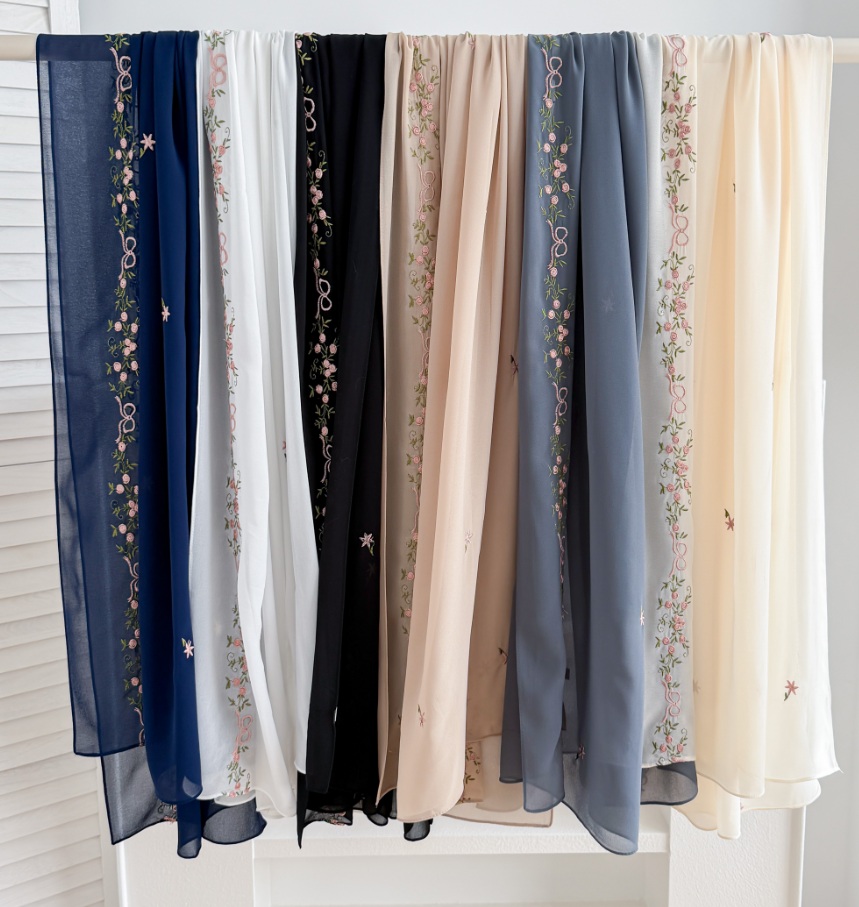
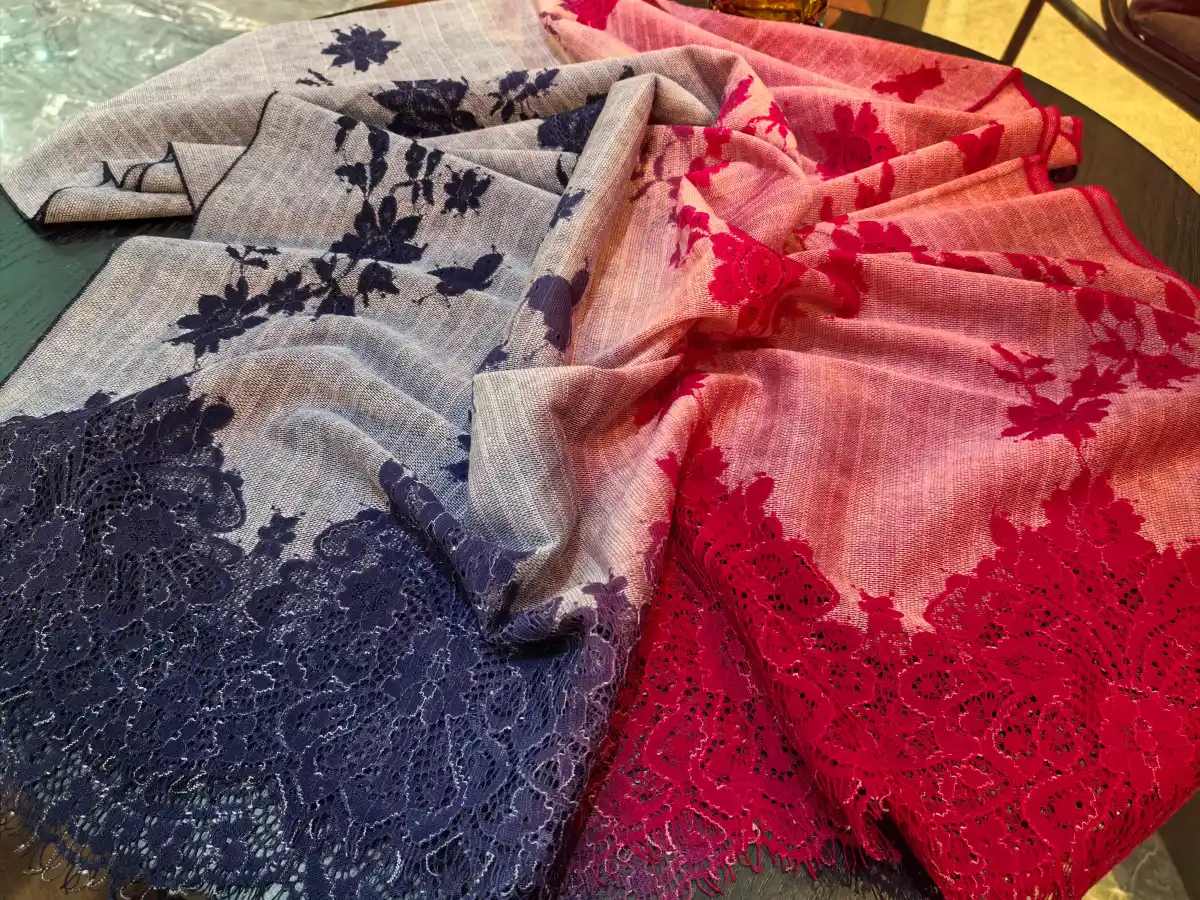
Imagine a store buyer adding black sparkly shawls with delicate embroidery and sequins. Shoppers grab them right away for evenings out or holiday gatherings. The raised details give depth. No extra bulk. Or think of a boutique owner ordering geometric jacquard wraps with embroidered borders. The knit base plus needlework creates beautiful drape. It flatters lots of shapes. It feels gentle against skin.
Transition to the 20th Century and Beyond
After the mid-1800s, fashion changed. Big crinolines disappeared. Slimmer lines took over. Shawls had to compete with coats and capes. Yet embroidered versions hung on in folk costumes across Europe, the Near East, and Latin America. The 1920s brought back Spanish-style silk embroidered shawls as glamorous evening wraps. After the wars, everyday life favored lighter knits and prints. But luxury shoppers never gave up hand-embroidered pieces for weddings, trips, or bold layering.
Today the market keeps growing. The whole scarves and shawls world sits near $26 billion lately. Experts see it climbing toward $50–56 billion by the early 2030s. Growth rates often hit 7–9% each year. High-end and custom segments, especially embroidered shawls, move even faster. Shoppers want sustainable pieces. They want versatile ones too. They look for items that feel unique.
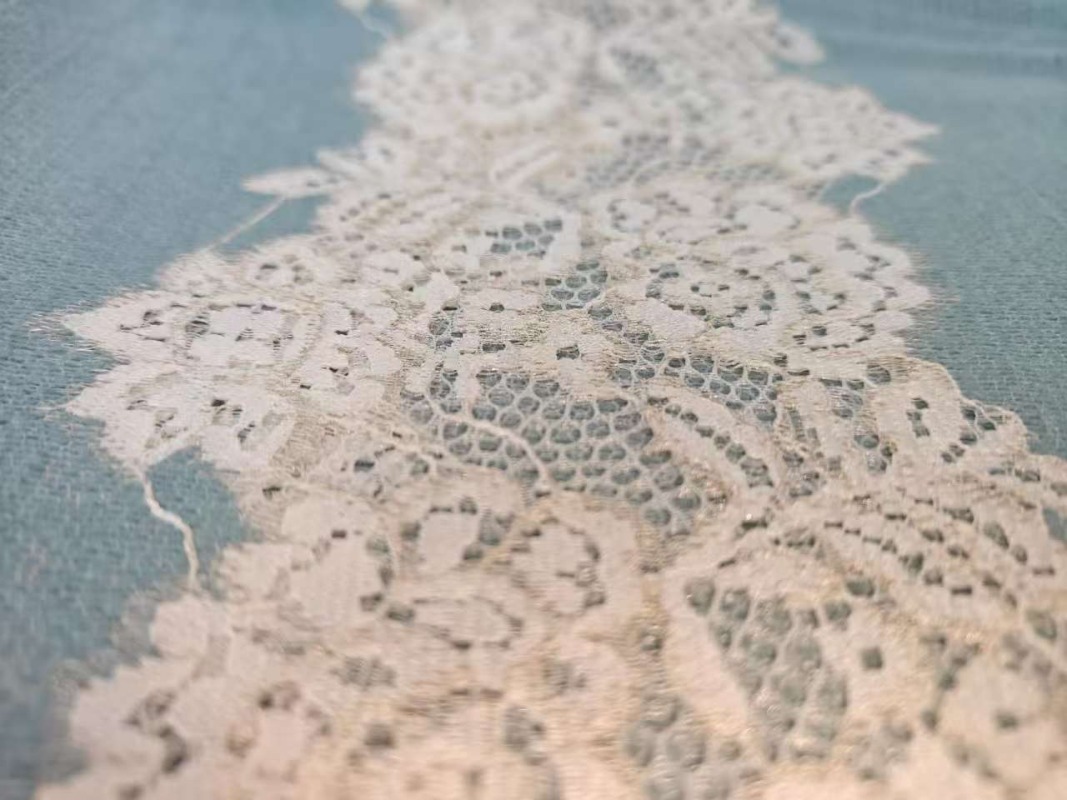
Modern embroidered shawls use many bases. Cashmere or pashmina blends feel buttery soft. Silk gives a nice sheen. Polyester or wool mixes add sparkle and hold up well. Techniques range from old-school hand sozni to fast computerized machines. Those machines copy detailed patterns consistently. Designers throw in sequins, beads, or metallic threads for party looks. Or they keep the stitches quiet for daily elegance.
The Role of Embroidered Shawls in Contemporary Wardrobes
Retailers and brands love embroidered shawls. They offer real flexibility and solid margins. One piece works as a scarf, a wrap, or even a belt detail. Seasonal releases keep things fresh—soft florals in spring, deep paisleys in fall, glittery geometrics for holidays. That brings customers back. Custom embroidery lets shops add their own labels, initials, or exclusive patterns. Those touches set inventory apart. They support better prices too.
Picture a small fashion label getting ready for fall. They skip plain imports. Instead they source embroidered shawls in their own color range with subtle logo stitching. The items arrive ready to sell. Packaging looks sharp. Customers spot the quality fast. Sell-through often beats expectations. The embroidery gives a handmade vibe, even on bigger orders.
Here are some clear perks for business buyers:
-
Deep customization. Pick thread shades, pattern density, edge styles, fringe types to fit the brand look.
-
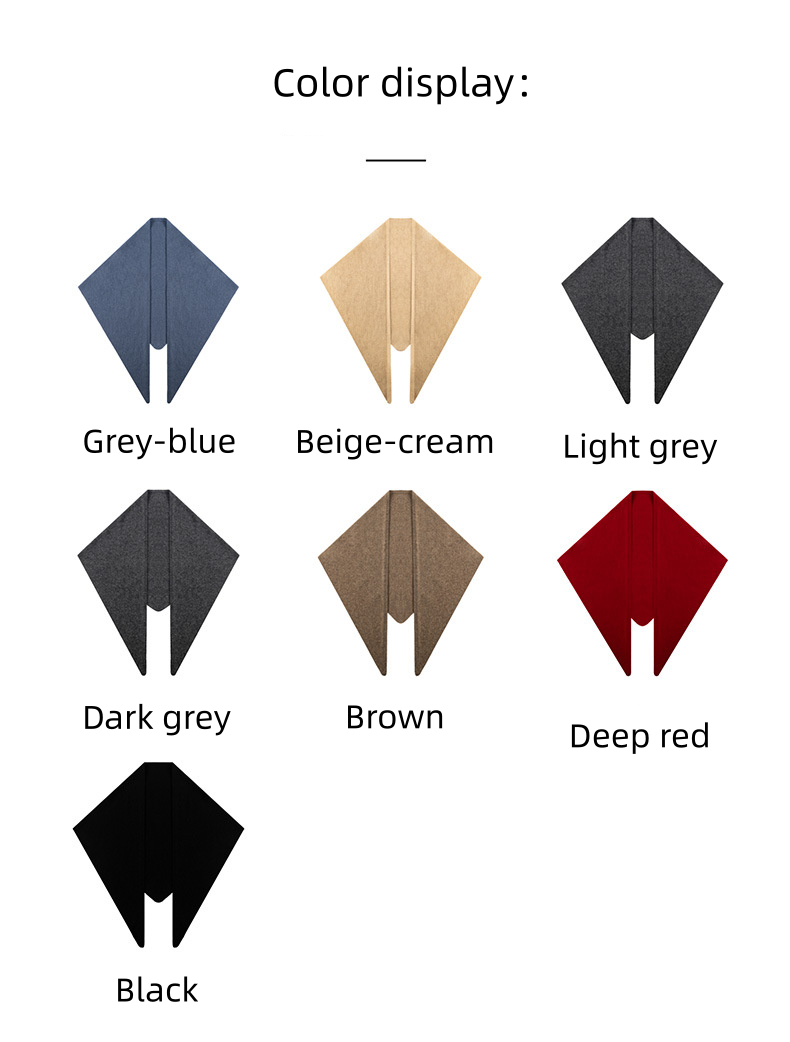
Material choices. Cashmere blends for luxury touch, polyester-silk for shine and easy care, wool-poly for cozy weight without heaviness.
-
Smart production. Factories handle tiny runs or large ones. That lowers inventory risk.
-
Tough testing. Good pieces resist pilling, fading, stretching after many wears and cleanings.
-
Strong storytelling. Heritage hand-embroidery or green sourcing draws shoppers who pay more for meaning.
Partnering with a Reliable Shawl Supplier Like Shebelieves
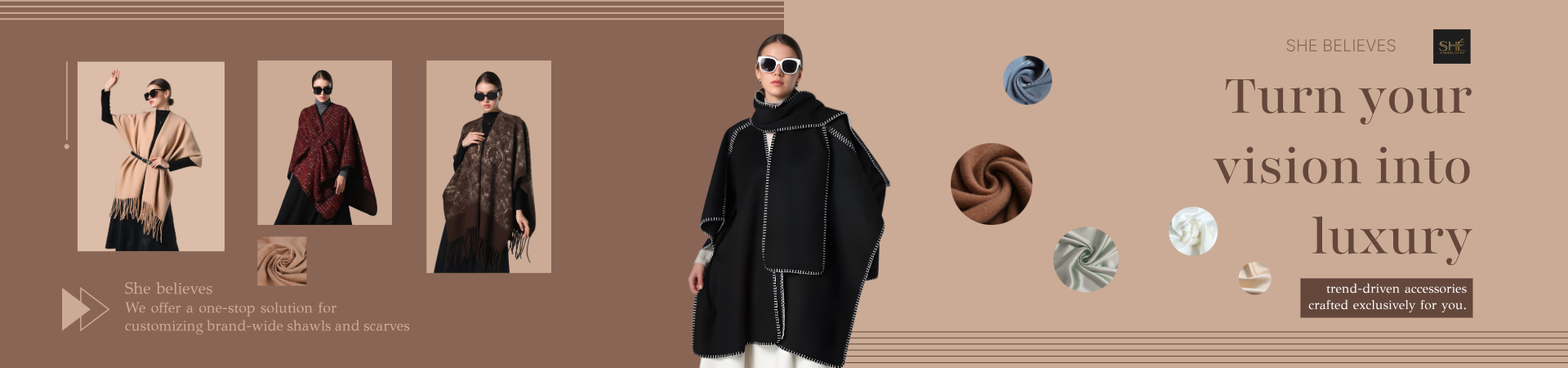
Scaling an embroidered shawl line takes the right partner. إنها تعتقد runs a vertically integrated factory. They focus on custom luxury shawls, scarves, and accessories. They handle everything in-house—from first sketches or digital files through sampling, production, embroidery, printing, weaving, finishing, labeling, and global shipping.
Clients enjoy low minimums. Stock designs often start at 10 pieces. Customs stay flexible. Mixed batches work well. Wholesale pricing tiers help too. Custom work usually finishes in 10–20 days. That beats many industry timelines. Certifications like OEKO-TEX and GRS back up quality and eco claims. Those matter to final buyers.
Whether creating private-label embroidered florals, geometric patterns with sequin pops, or solid wraps with fine border stitching, She Believes delivers steady results. They guard design privacy closely. Businesses appreciate the full-service approach. It cuts sourcing stress and extra sample costs—many deduct from bulk orders. Real projects show they manage detailed custom embroidery smoothly. Think shiny party shawls or elegant formal drapes. Drape stays beautiful. Colors hold. Hand-feel stays soft.
استنتاج
From ancient shoulder coverings to today’s runway-ready embroidered shawls, this accessory keeps its power to lift any look. What started as simple protection grew into a canvas for culture, status, and self-expression. Embroidered shawls shine because they mix old craft skills with fresh versatility. Retailers and brands get profitable, trend-smart stock. Customers reach for them season after season. As the market expands, teaming up with experienced makers—who get both tradition and today’s needs—turns into the sharpest move for capturing growth.
الأسئلة الشائعة
What sets an embroidered shawl apart from a printed or woven one?
Embroidered shawls have raised, touchable stitching. That adds real depth and richness. The method allows smoother color mixes and finer details. Printing can’t match that fully. Hand-embroidered versions feel more special than most woven luxury pieces too.
Do embroidered shawls work well for wholesale and private-label lines?
Yes, definitely. Plenty of suppliers provide low minimums. They allow custom patterns, thread colors, and branding like woven labels or embroidered logos. Boutiques, fashion brands, and gift shops use them to build standout collections.
How should I care for an embroidered shawl to keep the stitches looking sharp?
Most modern ones handle gentle hand washing or dry cleaning just fine. Skip high heat when drying. Avoid strong detergents. They can snag threads or shift colors. Fold or roll for storage instead of hanging. That preserves the shape.
Which materials perform best for embroidered shawls right now?
Cashmere and pashmina blends give that premium soft feel. Silk brings a lovely glow. Polyester-wool or polyester-silk mixes deliver sparkle, strength, and simple care. They suit sequin-embellished party styles or daily wear perfectly.
Can small businesses get custom embroidered shawls without massive upfront orders?
Sure thing. Flexible factories support sample runs and mixed styles. Quantities often start around 10–50 pieces. Quick turnaround lets independent retailers test ideas before going bigger.