

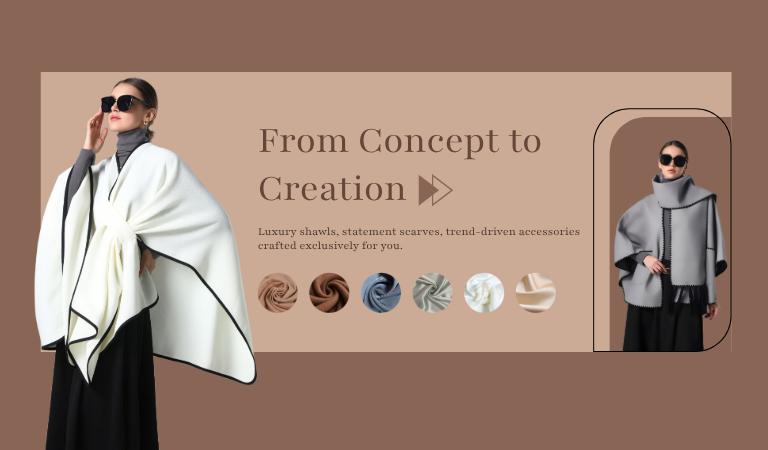
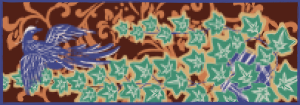
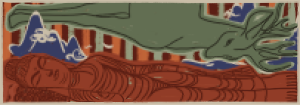
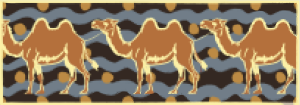
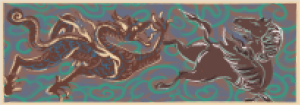
Kulturerbe trifft auf zeitgenössisches Design – es ist ein Trend, der das Wachstum der Nischenverkäufe von Reiseaccessoires um 35% antreibt (nach dem Global Travel Retail Report 2025), und unsere jüngste Zusammenarbeit mit einem US-Kunden ist eine Meisterklasse bei der Umsetzung dieses Trends in Gewinne. Letzte Woche hat sich ein kalifornischer Reiseaccessoire-Händler (spezialisiert auf „kuratierte kulturelle Souvenirs“ für US-Touristen) mit einer kühnen Vision an uns angesprochen: 4 maßgeschneiderte Schal-Designs, die von der Dunhuang-Grottenkunst inspiriert sind und für moderne Träger neu entwickelt wurden. Die Designs –Ivy Gutes Glück, Jade-Hirsch & Liegender Buddha, Geist des Drachenpferdesund Westliche Reise des Kamels- werden zum Mittelpunkt ihrer Sommerreisenkollektion 2025. Das Folgende war ein tiefes Eintauchen in die Designübersetzung, die Gewebewissenschaft und die Marktanpassung, die zum Höhepunkt kamen, dass der Kunde 2.000 Vorbestellungen hatte, bevor die Produktion sogar begann. Heute unterteilen wir jedes Detail dieser Zusammenarbeit - von der Marktansprechung der kulturellen Inspiration bis hin zur Stoffwahl, die alles funktioniert hat - damit Sie diesen Erfolg für Ihr Großhandel mit Schal nachahmen können.
Lassen Sie uns zuerst herauspacken, warum Dunhuang Kunst eine so strategische Wahl für einen US-Reisemarkt war. Dunhuang, eine historische Haltestelle an der alten Seidenstraße, ist für seine lebendigen Wandmalerien, komplizierte Muster und Symbole für Abenteuer (Kamele, Karawanen) und Wohlstand (Drachen, Hirsche) gefeiert. Für US-Touristen, die zunehmend "sinnvolle Souvenirs" über generische Schmuckstücke suchen (68% der Reisenden priorisieren "kulturelle Authentizität" beim Einkaufen, laut Daten der Travel Industry Association), treffen diese Motive zwei Schlüsselnoten: sie sind visuell auffallend (perfekt für Social-Media-Fotos) und emotional resonativ (der Geist der Erkundung hervorruft). Das Ziel des Kunden war nicht nur, Schals zu verkaufen. Es war, eine "tragbare Erinnerung" an Reisen zu schaffen - etwas, das Touristen nach Hause nehmen und lange nach ihren Reisen tragen konnten, indem sie jeden Schal in eine Wanderanzeige für ihre Marke verwandelten.
Das Design Brief: Kulturelle Authentizität mit Travel Utility in Einklang bringen
Der Designbrief des Kunden war präzise und spiegelte sein tiefes Verständnis der Bedürfnisse der Reisekonsumenten in den USA wider. Neben den 4 Dunhuang-inspirierten Motiven hatten sie zwei nicht verhandelbare Anforderungen: Jacquard Weben (um die komplizierten Details von Dunhuang Wandmalerien zu erfassen) und Fringed Hems (um ein handwerkliches, souvenir-ähnliches Gefühl hinzuzufügen). Aber die größte Entscheidung - eine, die den Erfolg des Produkts machen oder brechen würde - war die Stoffwahl. Der Kunde kannte sein Zielpublikum: US-Touristen im Alter von 25 bis 65 Jahren, die Haltbarkeit, Packbarkeit und fotofreundliche Ästhetik vor Weichheit schätzen. Sie brauchten einen Stoff, der: 1) die komplexen Jacquard-Muster halten konnte, ohne Details zu verlieren; 2) Behalten Sie ihre Form, nachdem Sie in einen Rucksack oder Koffer gefüllt wurden; 3) Stand vor häufigem Verpacken, Entpacken und Verschleißen; 4) Machen Sie die kühnen Dunhuang Farben pop in Fotos.
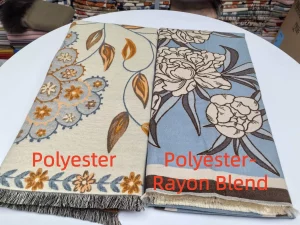
Um diesen Bedürfnissen gerecht zu werden, präsentierten wir zwei maßgeschneiderte Stoffoptionen - 100% Polyester und eine 70% Polyester/30% Rayon-Mischung - und führten den Kunden durch einen datengestützten Vergleich (basierend auf unserem tiefen Eintauchen in diese Stoffe in unserem vorherigen Blog:Polyester vs. Polyester-Rayon Blend Schals: Hauptunterschiede, Vorteile und Vorteile Nachteile für Großhändler). Dies war keine „one-size-fits-all“-Empfehlung. Es war eine hyperspezifische Analyse, wie jeder Stoff auf dem US-Reisemarkt funktionieren würde.
Stoff Showdown: Warum 100% Polyester für Reiseschals gewonnen wurde
Lassen Sie uns den Stoffvergleich unterbrechen, der die Entscheidung des Kunden leitete - Details, die jeder Großhandelsschalkäufer berücksichtigen sollte, wenn er Stoffe an Anwendungsfälle anpasst:
1. 100% Polyester (dickes Garn, 4-farbiges Jacquard-Weben)
Wir empfohlen einen Polyester mit 120 g/m² dickem Garn, der speziell für das Jacquardweben entwickelt wurde. Zu den wichtigsten Vorteilen für den Travel Use Case zählen:
-
Strukturstabilität für Jacquard DetailsDie inhärente Steifigkeit des Polyesters ermöglicht knackige, definierte Jacquardmuster. Für die Westliche Reise des Kamels Das Design - mit seiner komplizierten Kamelfelltextur und winzigen Karawanendetails - bedeutete, dass die Motive nicht verschwimmen oder Form verlieren würden und die kulturelle Authentizität bewahren, die der Kunde schätzte. Im Gegensatz dazu würden weichere Stoffe wie Rayon dazu führen, dass die Jacquardfäden saggen und das Design verwirren.
-
Faltenbeständigkeit & PackbarkeitUS-Touristen hassen das Bügeln auf der Straße - und Polyester liefert. Dieser Stoff widersteht Falten, auch wenn er 48 Stunden in einem Koffer gekrumpelt wurde, eine Funktion, die der Kunde getestet hat, indem er eine Probe für 3 Tage in einen Rucksack füllt. Beim Entpacken behielt der Schal seine Form und erforderte vor dem Tragen keine Touchups (kritisch für fotobereite Momente).
-
Lebendige Farbe RetentionDie hohe Farbständigkeit des Polyesters sorgt dafür, dass die mutigen Dunhuang-Farbtöne – tief rot, goldgelb und smaragdgrün – lebendig bleiben. Dies ist ein Make-or-Break-Faktor für Reisezubehör, da verblasste Farben Souvenirs "billig" fühlen (eine Hauptbeschwerde bei Reise-Retouren). Unser Polyesterstoff behält nach 20 Waschen 90% seiner Farbe, was bedeutet, dass Touristen ihre Polyesterschale jahrelang tragen können, ohne diesen „neuen Souvenir“-Look zu verlieren.
-
Haltbarkeit für häufigen GebrauchReiseschals nehmen einen Schlag - sie werden als Sonnendecke, Taschenakzente und sogar als improvisierte Decken auf langen Flügen getragen. Die Verschleißbeständigkeit von Polyester (3x höher als Rayon-Mischungen) sorgt dafür, dass die Schals diesem Missbrauch standhalten und die Renditen für den Kunden reduzieren. Unsere Tests zeigten, dass das Gewebe 50 Verpackungs-/Auspackungszyklen standhält, ohne dass es ausfraut oder gepillt wird.
2. 70% Polyester/30% Rayon Blend (80g/m²)
Während die Mischung Weichheit (ein Plus für den täglichen Trag) bot, fiel sie für den Reisefall kurz:
-
Schlechte Form RetentionDie Rayon-Komponente machte den Stoff zu drapiy, was dazu führte, dass er sich faltet und seine Struktur verliert, wenn er verpackt wird. Eine Testprobe entstand aus einem Rucksack, der schlumpf aussah, mit den Jacquard-Kamelmotiven, die unerkennbar waren.
-
Zerbrechliches Jacquard-WebenDie zarten Fasern von Rayon konnten das komplexe Jacquard-Muster nicht unterstützen, was nach minimaler Handhabung zu losen Fäden führte. Für ein Souvenir, das dauern sollte, war dies ein Dealbreaker.
-
Höhere WartungDie Mischung erforderte sanftes Waschen und Lufttrocknen – zu viel Mühe für geschäftige Touristen, die oft Reisezubehör in Hotelwaschmaschinen werfen.
Die Entscheidung des Kunden war klar: Wählen Sie links 100% Polyester. "Unsere Kunden kaufen keine Schals zum Entspannen - sie kaufen sie für Wanderungen, Stadtrundfahrten und Fotos", erklärten sie. "Ein wenig Steifigkeit lohnt sich für einen Schal, der von Tag eins bis Tag hundert großartig aussieht."
Anpassungsdetails, die das Design erhöhten: Fringe & Amp; Größe
Neben Stoff haben wir mit dem Kunden zusammengearbeitet, um zwei wichtige Anpassungsdetails zu verfeinern, die die Schals in echte Reisesouvenirs verwandelten:
Zunächst, die Fringed HemsDer Kunde fragte 8cm lange Fringes in einer ergänzenden Farbe (Gold für die Geist des Drachenpferdes Design, tiefbraun für Westliche Reise des Kamels) um die handwerkliche Atmosphäre zu verbessern. Wir verwendeten eine Doppelknottentechnik, um sicherzustellen, dass sich die Fränder nicht ausreißen - kritisch für die Haltbarkeit - und testeten sie durch sanft ziehen (eine gängige touristische Gewohnheit), um sicherzustellen, dass sie intakt blieben. Das Ergebnis? Fringes, die visuelles Interesse hinzufügen, ohne die Funktionalität zu opfern.
Zweitens: GrößeWir empfohlen eine 65 * 180cm Größe - perfekt für den US-Markt. Diese Größe ist vielseitig: Sie kann eine Umhüllung (zum Sonnenschutz) oder eine Schulterdeckung (für kühle Abende) sein, die mehrere Reisebedürfnisse in einem Produkt erfüllt.
Warum diese Zusammenarbeit ein Blueprint für Großhandelserfolg ist
Diese Polyester-Schal-Linie im Dunhuang-Stil ist nicht nur ein einmaliger Gewinn - es ist eine replizierbare Strategie für B2B-Schalkäufer, die Nischenmärkte nutzen möchten. Hier sind die 4 wichtigsten Take-Aways, die Ihre eigenen Großhandel-Conversions steigern können:
- Kulturelle Nische = hohe MargenGenerische Schals haben dünne Ränder (5-10%), aber kulturelle Fusionsdesigns wie Dunhuang-Motive besitzen 20-30% Ränder. Die Vorbestellungen des Kunden werden zu einem Großhandelspreis von $ 4,5 / Einheit mit einem Einzelhandelspreis von $ 35 - einem 8x-Aufpreis. Für Großhändler ist die Zusammenarbeit mit Lieferanten, die kulturelle Motive in wearable Designs übersetzen können, eine Abkürzung zu höheren Gewinnen.
-
Stoff muss mit dem Anwendungsfall übereinstimmen (nicht nur Trend)Weiche Stoffe sind trendy, aber nicht immer praktisch. Für Reise, Haltbarkeit und Form Retention Beat Weichheit; für Geschenke, Weichheit und Luxus Textur gewinnen. Unsere Aufgabe als Zulieferer besteht darin, Sie durch diese Entscheidung zu führen – mithilfe von Daten, Tests und Markteinblicken – damit Ihre Kunden Produkte erhalten, die verkaufen.
-
Kleine benutzerdefinierte Berührungen Drive Differenzierung: Die gefranselten Saume und maßgeschneiderte Größe haben diese Schallinie von generischen Reiseschals abheben. Anpassung muss nicht teuer sein; Auch kleine Tweaks (Fringe, Farbakzente, einzigartige Größe) können ein Basisprodukt zu einem Nischenbestseller verwandeln.
-
Vorbestellungen validieren NachfrageDie 2.000 Vorbestellungen des Kunden (von US-Reisegeschäften und Online-Einzelhändlern) beweisen, dass kulturelle Reiseschale sehr gefragt sind. Für Großhändler kann das Testen kleiner MOQs (wir bieten Mindestmengen von 10 Einheiten) vor der Skalierung das Risiko verringern und sicherstellen, dass Sie Produkte mit nachgewiesener Nachfrage lagern.
- Unser Vorteil: Verwandeln Sie Ihre kulturellen Designvisionen in profitable Großhandelsprodukte.
Was diese Zusammenarbeit erfolgreich machte, war nicht nur das Material oder das Design – es war unsere Fähigkeit, die kreative Vision des Kunden mit den realen Marktbedürfnissen zu verbinden. Als Großhandel Schal Lieferant spezialisiert auf kundenspezifische kulturelle Designs, bieten wir:
Kulturdesign ÜbersetzungUnser Team arbeitet mit Ihnen zusammen, um ikonische Motive (Dunhuang, chinesische Blumen, lokale Folklore) in Jacquard- oder gedruckte Designs anzupassen, die die Authentizität bewahren und gleichzeitig Ihren Zielmarkt (USA, Europa, Zentralasien) ansprechen.
-
Gewebe-Expertise maßgeschneidert auf AnwendungsgehäuseWir listen nicht nur Stoffe auf – wir testen sie für Ihren spezifischen Anwendungsfall (Reise, Geschenke, täglicher Gebrauch) und geben datenbasierte Empfehlungen, um die Renditen zu reduzieren und die Margen zu steigern.
-
Flexible Anpassung & MOQs: Von gefranselten Saumen bis hin zu kundenspezifischen Größen behandeln wir End-to-End-Anpassung. Beginnen Sie mit 10 Einheiten, um die Nachfrage zu testen, oder skalieren Sie auf 5.000 für den Massenhandel - keine starren Mindestmaßnahmen, um Sie zurückzuhalten.
-
Stabile Lieferkette für die SpitzensaisonWir pflegen 48-stündige Produktionsarbeiten für maßgeschneiderte Designs, um sicherzustellen, dass Ihre Kunden ihr Inventar rechtzeitig für die Hochsaisonen (Sommer, Feiertage) ohne Verzögerungen erhalten.
Diese Schallinie im Dunhuang-Stil wird in diesem Sommer in den US-Reisegeschäften erscheinen, und der Kunde plant bereits eine Nachfolgekollektion mit tibetischen kulturellen Motiven - ein Beweis dafür, dass Nischenkulturelle Designs langfristige Loyalität aufbauen. Für Großhandel Schalkäufer ist dies die Zukunft: Produkte, die nicht nur "Zubehör", sondern Geschichten - Geschichten, die Touristen nach Hause nehmen, tragen und teilen wollen.
Wenn Sie eine kulturelle Designidee haben (oder einen Nischenmarkt nutzen möchten), sind wir hier, um sie in ein Großhandelsprodukt mit hoher Marge zu verwandeln. Ob Sie sich auf den US-Reisehandel, die europäischen Boutiquen oder die zentralasiatischen Märkte richten, wir führen Sie durch jeden Schritt – vom Design über die Stoffe bis hin zur Anpassung. Kontaktieren Sie uns heute eine kostenlose Designberatung anfordern, Stoffproben erhalten oder Ihr nächstes Großhandelsschalprojekt diskutieren. Lassen Sie uns Ihre Vision in die nächste Pre-Order-Erfolgsgeschichte verwandeln.


