

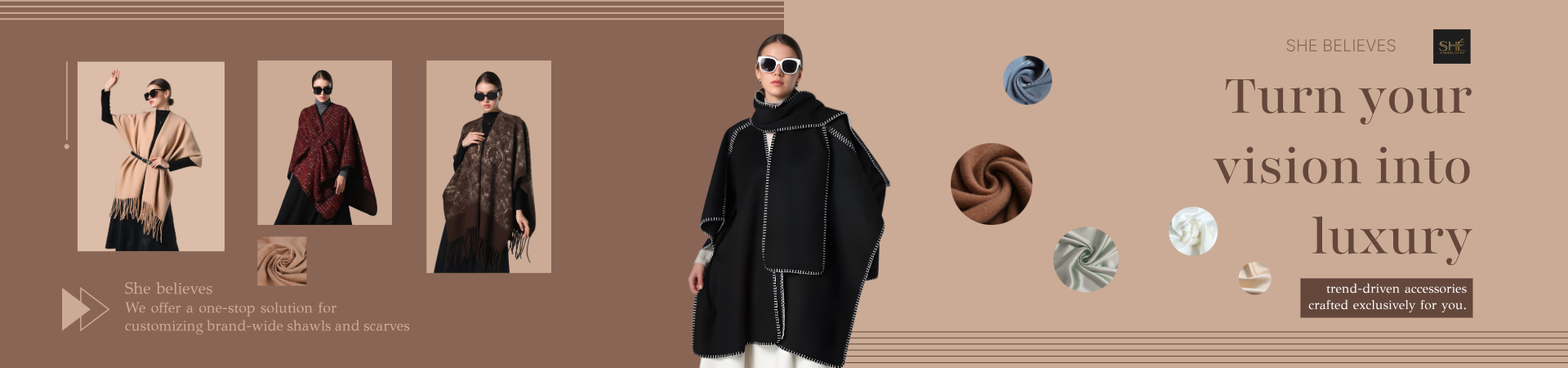
Embroidery Shawl Wholesale Pricing Guide
Hey there. If you’re in the wholesale business—maybe you run a boutique, build a fashion collection, or source items for corporate gifts—you already know embroidered shawls sell really well. They’re flexible pieces. They bring a touch of elegance to almost any outfit. Great for cool fall nights or chilly winter events. But the pricing part? That can feel confusing. Costs never stay fixed. They move around depending on how many you buy, how fancy the stitching looks, and what material you choose. In this post we’ll walk through it clearly. We pull from actual industry patterns so you can make sharper decisions. Hang in tight. By the end you’ll have solid ideas to stretch your dollars further without dropping quality.
Understanding the Basics of Embroidered Shawl Pricing
Let’s start simple. What really goes into an embroidered shawl? These aren’t plain wraps. Skilled hands—or machines—add detailed patterns. Often the base is something nice like silk or a soft wool mix. Wholesale prices begin with raw materials plus labor. Then suppliers add overhead such as setup fees, shipping, and any custom touches. For buyers like you the aim stays clear: find the sweet spot between low cost and strong appeal. You want pieces that catch eyes in your shop or online catalog.
Think about it for a second. A plain flower outline on basic polyester usually costs less. A rich paisley design on cashmere? That pushes the price way up. Why the difference? It comes down to three main things—quantity, design, and fabric. We’ll look at each one closely and show exactly how they change the numbers in real wholesale deals.
The Impact of Order Quantity on Costs
Buying in bulk almost always wins. The more you order, the lower the price drops per piece. Pretty basic supply-and-demand stuff. With embroidered shawls, bigger runs spread out fixed expenses. Things like machine setup time or dye preparation get divided across hundreds of units instead of dozens.
Imagine a small shop owner grabbing 50 embroidered shawls for a holiday event. You might pay roughly $15 to $20 each. Jump to 200 units and the price often slides down to $12–$15. Push past 500 and you can see $10 or even lower. The reason feels straightforward. Larger batches let workers run steady production lines. They avoid stopping and starting. That cuts labor hours fast.
From real experience, minimum order amounts differ a lot. Some places demand 100 pieces just to cover setup. Other suppliers stay flexible. They handle custom jobs starting at 10 or 20 for easier patterns. One actual story comes to mind. A company needed 300 custom embroidered scarves for a big corporate giveaway. The large order trimmed per-unit cost by about 25%. Efficient workflow and zero wasted fabric helped a ton. Whenever you plan to scale, always check for volume discounts. Those savings add up quickly.
Here’s a quick table showing typical wholesale price ranges for a standard embroidered shawl (around 70×200 cm with medium-level design on a silk-wool blend):
|
Quantity |
Estimated Price per Unit (USD) |
Savings per Unit Compared to Small Order |
|
10-50 |
$18-25 |
– |
|
51-200 |
$14-18 |
$4-7 |
|
201-500 |
$11-14 |
$7-11 |
|
500+ |
$8-11 |
$10-14 |
Numbers like these come from current market patterns. Your exact quote depends on the supplier. Still, push for those stepped discounts when you can.
How Design Complexity Drives Up (or Down) the Price
Design matters more than just appearance. It directly affects how much you pay. A clean, repeating border stitch finishes fast and stays cheap. Switch to thick multi-color work or hand-stitched details and the cost climbs noticeably.
Basic patterns—think simple geometrics—usually add only $2 to $5 on top of the base price. Machines handle them smoothly in a short time. Heavy designs, like a full shaded floral scene, can easily tack on $10 to $20 extra. More thread gets used. Workers need higher skill. Time stretches longer too. Hand embroidery, popular for top-tier shawls, sometimes takes several days per piece when the pattern gets really detailed. Machines speed things along. Even so, special setups still carry an extra charge.
Here’s a common situation. A fashion label wants embroidered shawls with their logo for promotional gifts. Plain text stays pretty affordable at scale. But a swirling paisley filled with metallic thread? That needs special tools and careful hands. Prices often rise 30 to 50 percent higher. Supplier data backs this up. Designs over 10,000 stitches per shawl frequently double the labor portion compared with ones under 5,000.
Quick advice: keep things simpler whenever possible. Use digital mock-ups first. Tweak the artwork before anything goes into production. You dodge expensive changes later and hold your wholesale budget steady.
Fabric Choices: The Foundation of Your Shawl’s Value and Cost
Fabric forms the real base. It shapes the feel, the strength, and—most important here—the final price tag. Lower-cost options such as polyester mixes keep things easy on the wallet. They don’t always scream high-end though. Luxe choices like cashmere or fine pashmina lift the whole product. Naturally they lift the cost too.
Polyester embroidered shawls often start around $8–$12 wholesale. Tough material. Easy to stitch on. Holds color well over time. Wool blends bring cozy warmth. Prices usually land between $12 and $18. Perfect for cold-season lines. Silk or silk mixes feel smooth and shiny. Expect $15–$25. Great for evening looks. Cashmere and pashmina sit at the high end—$25 to $40 or more. Super soft. Very expensive to source.
Fabric also changes how embroidery behaves. Thick wool takes dense stitching nicely but sometimes needs heavier machines. That bumps expenses a bit. Thin silk demands gentle handling so threads don’t pucker. Slower work means higher labor charges.
Real example from the trenches. One boutique switched from polyester to silk blends for their spring lineup. Costs climbed about 20 percent. Retail prices jumped 50 percent though. Margins grew nicely. Think about green options too. Organic wool or recycled blends cost extra at first. They draw buyers who care about the planet. That loyalty pays back over time.
Polyester Blends: inexpensive, strong, good for daily wear designs
Wool and Blends: warm, solid base for detailed stitching
Silk and Pashmina: smooth luxury feel, higher price but strong retail draw
Cachemire: incredibly soft, best for premium wholesale lines
Pick the one that fits your customers. Fast-fashion crowd? Stick with affordable. Upscale shoppers? Spend more on fabrics that support bigger price tags.
Real-World Examples: Putting It All Together
Let’s connect the dots with actual purchases. Say you run a shop and you’re gearing up for autumn. You want 100 embroidered shawls featuring a medium floral pattern on wool blend.
Starting price lands near $14 each. Medium quantity hits a nice discount level. The design stays reasonable—maybe 7,000 stitches—so labor doesn’t explode. Wool adds comfort without crazy expense.
Scale it up. Double to 200 units and you drop to around $12. Push the pattern to elaborate peonies? Add $3–$5 more. Move to silk instead? Another $4–$6. Upgraded batch might sit at $15–$17 per piece. Still, those pieces sell quicker and at better margins.
Different story. A brand ordered 500 plaid embroidered shawls on polyester. Clean grid pattern kept stitching simple. High quantity drove the price down to about $9 each. They sold at $30 retail. Solid profit. Compare that to a tiny run of 20 custom cashmere shawls with hand-stitched motifs. Those landed above $35 each. Targeted straight at luxury buyers though.
These cases come straight from supplier experiences—bulk runs for events, small tests for new collections, and everything in between.
Tips for Wholesale Buyers: Maximizing Value
Don’t accept the first quote you get. Shop around a little. Build ties with dependable suppliers. Always request samples. Touch the stitching. Feel the drape.
Ask for volume breaks even if you’re close to the next tier
Mix a few patterns in the same order to lower per-design minimums
Check shipping costs—big orders sometimes get free freight
Use custom branding carefully—start basic to keep early costs down
Follow current trends—geometric designs often run cheaper than heavy florals
Bottom line stays simple. Cheap shawls that fall apart after a few wears hurt your reputation. Spend wisely on quality. You build repeat customers that way.
Why Choose She Believes as Your Shawl Supplier
When you need embroidered shawls done right—from first sketch through final delivery—Elle croit stands out. They run a fully integrated factory in Hangzhou, China. The focus stays on custom luxury shawls and scarves. They handle premium materials like cashmere, pashmina, and silk blends. Patterns range from classic paisley to modern geometrics. Sustainability stays important too.
What really helps buyers? Low minimums—custom runs can start at just 15 pieces. Turnaround happens fast, usually 20–30 days. Options cover embroidery, printing, woven details, whatever fits. They’ve shipped big orders successfully—like 300 embroidered pieces for a major company—while keeping quality tight and logistics smooth. For wholesale folks it feels like a reliable one-stop partner. Fair prices. Personal branding. On-time arrival. All without constant headaches.
Conclusion
To wrap things up, embroidered shawl wholesale pricing comes down to smart picks around quantity, design, and fabric. Buy bigger batches to bring unit costs lower. Balance design details so production stays efficient. Choose fabrics that match what your customers actually want. Nail those three areas and you stock items that move fast while protecting healthy margins. Whether you manage a boutique or grow a brand, knowing these drivers turns sourcing into an advantage. Ready to upgrade your lineup? Contact a solid supplier and get your next order moving.
Questions fréquentes
What factors most influence embroidered shawl wholesale pricing?
Quantity matters a lot. Larger orders cut the price per piece because production runs smoother. Fancy designs raise costs with extra labor and thread. Fabric choice swings the number too—silk or cashmere costs way more than polyester but often sells for higher retail.
How does design complexity affect the cost of an embroidered shawl?
Easy patterns like simple borders finish quickly and stay cheap. Detailed work—multi-color flowers or heavy shading—takes longer and uses more materials. That can add $5 to $15 per shawl. In wholesale, digital previews help you adjust artwork early and avoid surprise charges.
Can I get custom embroidered shawls in small quantities?
Yes, definitely. Some suppliers start custom runs at 10–20 pieces, especially on straightforward fabrics like polyester blends. Small minimums work great when you want to test a new style without risking a huge order.
What fabrics are best for embroidered shawls in wholesale buys?
It really depends on your target. Polyester blends offer low cost and durability for everyday lines. Wool brings warmth and handles detailed stitching well. Silk and pashmina feel luxurious and support higher retail prices. Cashmere sits at the top for softness but carries the highest price.
How can I reduce costs on bulk embroidered shawl orders?
Order larger quantities to reach better price tiers. Keep designs fairly simple to lower labor time. Pick budget-friendly fabrics when possible. Mixing a couple styles in one shipment can also drop the effective minimum per pattern and save money overall.


