


Comment stocker des écharpes de soie pour les femmes pour prévenir Wri
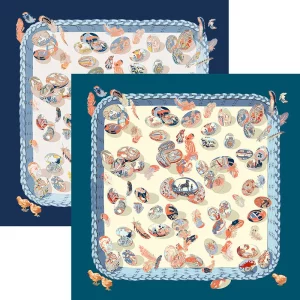
Les foulards en soie apportent un accent élégant à toute armoire. Ils peuvent transformer un regard simple en quelques instants. Un nœud doux au cou ajoute du polissage à l'usure quotidienne. Un drapeau gracieux sur les épaules convient aux occasions du soir. Pourtant, de nombreuses écharpes passent de longues périodes cachées. Lorsqu'ils sont récupérés, ils montrent souvent des plis profonds ou des tons jaunes inégaux. Les couleurs autrefois vives semblent disparues. Le tissu peut sembler moins souple. Ces changements proviennent principalement du stockage étendu. Les rides permanentes se développent à partir de la pression. Le jaunissement se produit en raison de l'exposition à la lumière ou de l'humidité piégée. Même une légère distorsion peut modifier la forme originale.
Pour les femmes qui chérissent leur foulards de soie de mûrierou pour les détaillants qui les transportent, de tels dommages créent de réels problèmes. Les clients remarquent rapidement la décoloration. Les acheteurs font face à des taux de rendement plus élevés lorsque le stock arrive moins que parfait. Les méthodes de stockage appropriées répondent directement à ces préoccupations. Ils aident à maintenir la fraîcheur et l'attrait. Les plis restent minimes. Les tons indésirables n'apparaissent pas. La soie reste lisse et coule magnifiquement à chaque utilisation.
Pourquoi le bon stockage est important pour les foulardes en soie de mûre
La soie de mûre gagne sa réputation pour ses qualités supérieures. Il provient des vers de soie élevés exclusivement sur des feuilles de mûrier. Les fibres qui en résultent sont plus longues et plus uniformes. Cela produit une douceur exceptionnelle, un éclat naturel et une durabilité. Cependant, la soie répond sensiblement aux conditions environnementales. La lumière solaire prolongée provoque des changements de couleur. L'humidité excessive favorise la croissance des moisissures. Les plis serrés peuvent devenir difficiles à enlever.
Un gestionnaire de boutique gardait autrefois des foulards de soie de saison dans des contenants en plastique scellés. Après plusieurs mois, de nombreuses pièces montraient des bordures jaunes pâles. Les acheteurs ont commenté immédiatement et les ventes ont ralenti. Elle a changé pour le stockage respirant et a ajouté des précautions de base. Les questions ont disparu. Chaque foulard a conservé sa luminosité et sa texture originales.
La recherche sur les fibres protéiques naturelles confirme que la lumière ultraviolette dégrade les protéines de soie au fil du temps. Cela conduit à un jaunissement progressif. Les niveaux d’humidité supérieurs à 60 % augmentent le risque de taches ou de moisissures. Les environnements inférieurs à 40% peuvent rendre le tissu fragile. Des conditions stables et modérées préservent la meilleure qualité.
Erreurs de stockage courantes et corrections rapides
|
Erreur |
Ce qui se passe |
Fix facile |
|
Sacs ou poubelles en plastique |
Piège l'humidité, favorise le jaunissement |
Utilisez des sacs en coton ou des étagères ouvertes |
|
Lumière solaire directe |
Cause la décoloration et la décoloration |
Choisissez des placards ou des tiroirs sombres |
|
Plier serré |
Crée des plis durables |
Roulez doucement ou couchez à plat |
|
Stockage surbondé |
Mene à des pignons et des marques |
Permettre de l'espace entre les pièces |
|
Pendue à long terme |
Distorsion de la forme au fil du temps |
Préférez le laminage ou le stockage plat |
Les meilleures façons de plier et de rouler des foulardes de soie
Le laminage doux s'avère généralement plus efficace que le pliage tranchant. Il évite les lignes dures qui se transforment en marques permanentes.
Commencez par étendre l'écharpe sur une zone propre et plate. Lisez la surface soigneusement sans tirer. Commencez à un coin et roulez uniformement, en gardant la tension légère. Pour les carrés plus grands, pliez une fois en rectangle avant de rouler.
Un agent d'achat d'un détaillant national a adopté cette approche pour les stocks excédentaires. Le personnel a roulé des foulards de soie de mûrier 14-momme avant le stockage. Lorsque déballé plus tard, presque aucun plis n'est apparu. Les clients les ont achetés facilement, impressionnés par l'état immaculé.
- Pour les foulards plus petits: Faites rouler les doigts, puis glissez et restez debout dans un récipient.
- For 90× 90 cm carrés: Plier librement dans une bande, puis rouler d'une extrémité.
- Étape supplémentaire: Insérez du tissu sans acide dans le rouleau pour amortir les points de pression.
Lieux de stockage et conteneurs idéaux
Sélectionnez des endroits qui restent frais, secs et ombragés. Les placards intérieurs ou les tiroirs servent bien. Évitez les greniers et les sous-sol où la température et l'humidité fluctuent fortement.
Choisissez des matériaux de stockage qui permettent la circulation de l'air. Les sacs de stockage en coton fonctionnent efficacement. Le plastique doit être évité, car il retient l’humidité et accélère la décoloration.
Le accrochage à court terme sur des accroches rembourrés reste acceptable. Pour des périodes prolongées, le placement plat ou le laminage offre une meilleure protection contre les étirements.
De nombreux magasins professionnels lignent des tiroirs avec du papier sans acide et des couches séparées avec du tissu. Cette disposition permet le flux d'air tout en bloquant la poussière. Les écharpes émergent en excellent état pour l'affichage immédiat.
Écharpe de soie Conseils de stockage Comparaison
- Tiroir plat: Convient à plusieurs pièces, avec diviseurs de tissu.
- Rollage dans des boîtesConserve de l'espace et permet une visibilité rapide des motifs.
- Sacs en coton sur les étagères: Convient pour la rotation saisonnière ou le transport.
- Boîtes d'archivage sans acidePréféré pour un stockage très long, protégeant contre la lumière et les insectes.
Protéger contre le jaunissement et autres dommages
L'exposition à la lumière est la principale cause du jaunissement. Les rayons ultraviolets modifient progressivement la structure de la soie. L'obscurité complète fournit la défense la plus forte.
L’humidité influe également sur les résultats. L'excès d'humidité favorise les taches. L'air très sec réduit la flexibilité.
Les dissuasifs naturels tels que les sachets de lavande ou les morceaux de cèdre repoussent efficacement les papillons. Les deux options libèrent des odeurs agréables sans nuire au tissu.
Un grossiste a déjà subi des dommages mineurs d'insectes lors du stockage hors saison. Plusieurs foulards ont développé de petits trous. Après l'introduction de sacs de coton avec des inserts de lavande, aucun autre incident n'a eu lieu. L'inventaire est resté intact au cours de plusieurs saisons.
Les inspections périodiques sont précieuses. Tous les quelques mois, retirez brièvement les foulards. Rerouler ou les repositionner. Cela permet la circulation d'air frais et permet la détection précoce de toute préoccupation.
Habitudes quotidiennes de soin des écharpes de soie
Un stockage efficace à long terme commence par une manipulation de routine.
Après avoir porté, laissez l'écharpe s'airer brièvement plutôt que de se plier immédiatement. Cela réduit l'accumulation d'huiles naturelles.
Aborder les petites taches rapidement avec de l'eau froide et un blotting doux.
Pour un nettoyage approfondi, lavez-vous à la main avec de l'eau froide et un détergent doux formulé pour la soie. Évitez de tordre ou de frotter. Pressez l'excès d'eau en roulant dans une serviette, puis sèchez à plat loin de la chaleur ou de la lumière directe.
Un soin doux et constant minimise les problèmes qui pourraient s’aggraver pendant le stockage. Les tissus plus propres stockent plus efficacement et maintiennent une longévité.
À propos de She Believes: Votre fournisseur de chalets et d'écharpes
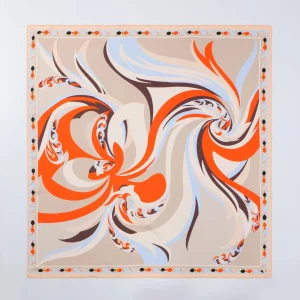
Construire un assortiment d'accessoires fiable nécessite des sources constantes et de haute qualité. Elle croit opére comme un fabricant dédié de foulards et de foulards fins. La société est spécialisée dans 100% soie de mûre objets, y compris les foulards carrés populaires de 14 momme présentant des impressions numériques nettes en dessins floraux, animaux et géométriques.
Avec une ligne de production complète, ils gèrent chaque étape de la conception à la livraison. Les commandes minimales flexibles permettent aux plus petits détaillants d'introduire de nouvelles lignes. Les options d'impression double face augmentent la variété de styling. Les partenaires en gros apprécient les normes fiables - un toucher doux et un drapeau gracieux. Inventaire prêt à expédition avec supports des modèles actuels reconstitution en temps opportun et ventes régulières.
Envelopper: Gardez vos écharpes à l'air neuf
Le stockage correct des foulards de soie ne nécessite que quelques pratiques simples. Prioriser le roulement sur des plis serrés. Sélectionnez des zones ombragées et sèches avec une ventilation adéquate. Utilisez des matériaux qui respirent librement. Inclure des mesures de protection de base contre la lumière et les insectes.
Appliquer ces conseils de stockage d'écharpe de soie aide foulards de soie de mûrier conserve sa beauté originale. Les plis profonds deviennent rares. La décoloration reste loin. Chaque pièce émerge lisse et vibrante, prête à l'usure ou à la présentation.
Que ce soit le maintien de collections personnelles ou la gestion des stocks au détail, un soin réfléchi apporte des avantages durables. L’investissement dans les méthodes appropriées préserve cette qualité luxueuse au fil des ans.
Questions fréquentes
Comment puis-je prévenir les rides dans mes foulards de soie pendant le stockage?
Le roulement doux élimine la plupart des plis que créent les plis pointus. L'ajout de tissu sans acide à l'intérieur du rouleau offre une protection supplémentaire. Cette approche maintient foulards en soie pour femmes en excellent état tout au long du stockage prolongé.
Qu’ est la meilleure façon d'empêcher les foulards de soie de jaunir?
Conserver loin de toute source de lumière, de préférence dans des tiroirs foncés ou des boîtes opaques. Les contenants de coton respirants aident considérablement. Suivant ces conseils de stockage d'écharpe de soie s'avère particulièrement efficace pour les articles de soie de mûre.
Y a-t-il des étapes spéciales de soin des foulards de soie avant le stockage à long terme?
Un nettoyage approfondi mais doux vient d'abord. Lavez-vous à la main si nécessaire en utilisant un détergent doux et sûr de la soie. Assurer un séchage complet à l'ombre. Ces préparations protègent un écharpe de soie de mûrier des résidus cachés qui pourraient causer des problèmes ultérieurs.
Puis-je accrocher des foulards de soie de mûre pour le stockage?
Bref accrochage sur des accroches rembourrés fonctionne pour de courtes périodes. Cependant, la suspension prolongée risque de s'étirer. Le stockage roulant ou plat maintient la forme beaucoup mieux au fil du temps.
À quelle fréquence dois-je vérifier les foulards de soie stockés?
Vérifiez-les tous les deux à trois mois. Sortez-les, laissez-les sécher à l'air pendant un court moment, puis roulez-les ou réorganisez-les. Cette procédure de routine permet la détection précoce de problèmes potentiels et permet le remplacement en temps opportun.


