伝統工芸と現代理念の出会い——レース制作芸術を探る
ねえ、ファッションバイヤー、ブティックのオーナー、美しい作品の背後にある物語を楽しむ人。レースには静かな魔力がある。旧世界は微妙だと感じていたが、なぜか年々新鮮さと相関性を保っていた。特にストールの分野では、レースはいくつかの特別なものをもたらしています。軽やかで優雅で、多くの場合に適しています。今日、私たち、古いレースの制作技術が今日とどのように融合しているのか、のファッションニーズ。綿毛がない。歴史、技術、そして現代のショールにどのように表現されているのかという本当の見解にすぎない。
レースのルーツ:時間の速い旅
レースはない’ ;一夜にして現れてはいけない。14世紀末と16世紀初頭のヨーロッパの刺繍と透かし彫り技術に起源がある。イタリアとフランダース(すなわち現代ベルギー地域)がホットスポットだ。旧バージョンの開始日は“ ;アリアのバイリンガル” ;--空気中の縫い目--裁縫師は、厚い織物の台座がない場合に浮遊するパターンを作成します。
2つの主な方法はすぐに現れます:
- 針–レース針1本、糸1本。数千の小さなボタン穴縫合糸は複雑なデザインを構成している。超時間がかかります。ベネチアスタイルやブラーノスタイルを考えてみましょう。
- スプール–レース:小さなスプールに複数の糸が絡み合っています。労働者たちは図案に従って枕にねじってお下げに編んだ。フランダースは確かにこのプロセスを推進した。
17世紀と18世紀になると、レースは贅沢な地位の象徴となった。皇室や貴族たちは巨大な襟や袖口を身につけており、もちろんレースを縫い合わせて作られたストールもあります。枕はそうではないので、ストールのような大きなものは段階的に作らなければなりません。大きさが足りず、フルサイズの作品は収容できません。芸術家たちはこれらの作品をシームレスに結合した。このようなチームワークの仕方は依然として魅力的だ。
古い記録からの興味深い事実:フランスのサンティイーなどでは、18世紀には黒い絹糸のレースがカマキリとケープの大きな選択肢となった。それはドラマチックで純粋な感覚を与え、もろくて大胆だ。
伝統的なレース技術がストールにどのように影響するか
早送りしてください。純粋に手作りされたレースストールは希少で高価です。1枚に数時間(場合によっては数百時間)かかります。しかし、これらの古い方法の精神は今日も存在している。の生産を開始します。
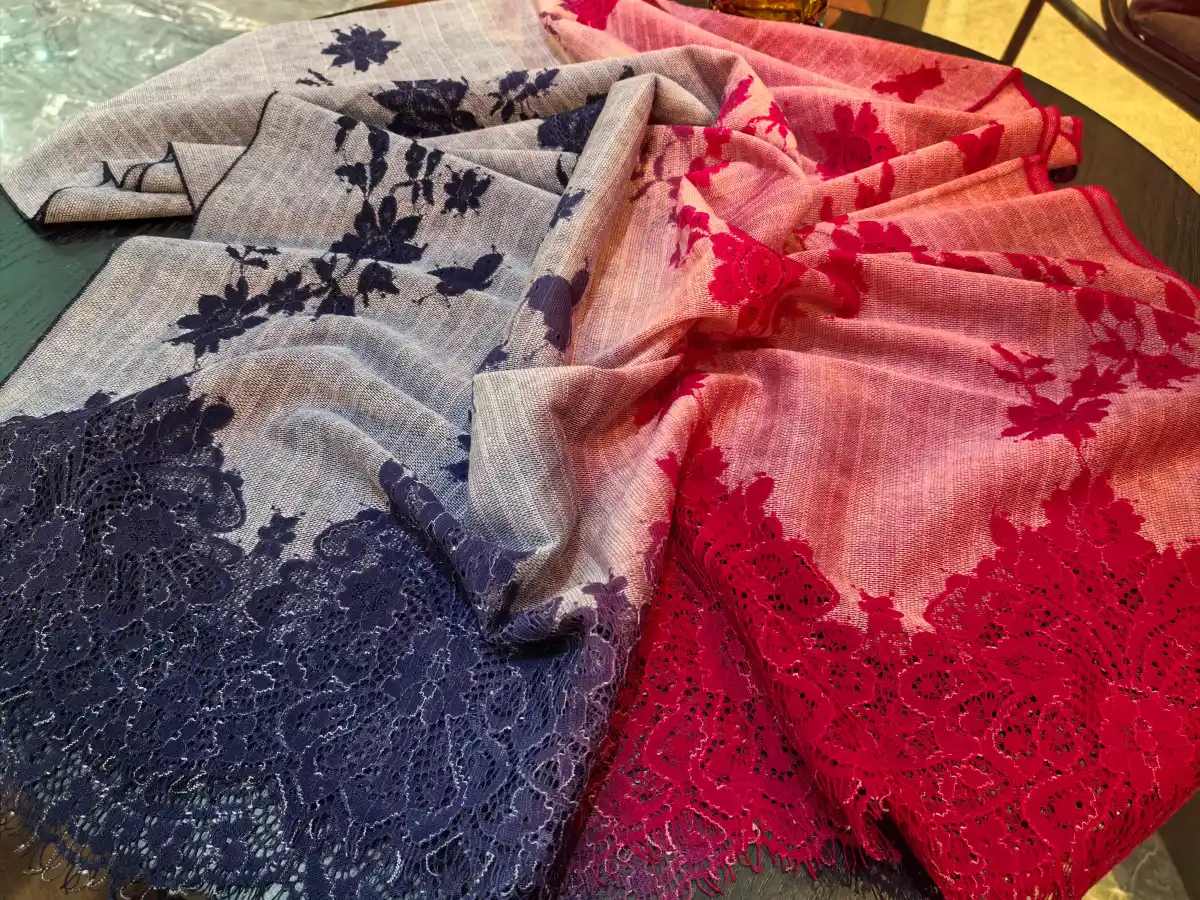
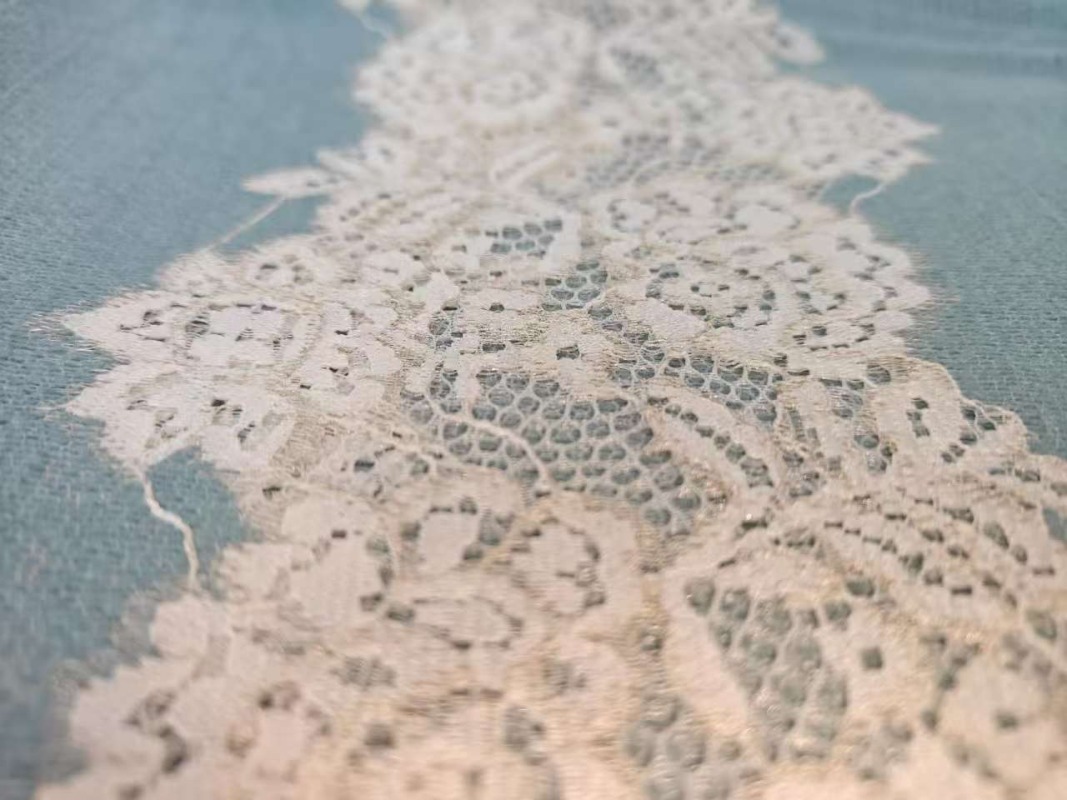
多くの工場は針やスプール技術からインスピレーションを得ている。彼らは現代的なツールで開放的で風通しの良い感じを再現した。ケープの縁とパターンには、鉤針レース、編物、またはフェナントリック方法が登場します。機械が体積を処理しても、手作業で整理することに魂が加わる--丁寧なフリンジの結び目や刺繍の細部を考えてみましょう。
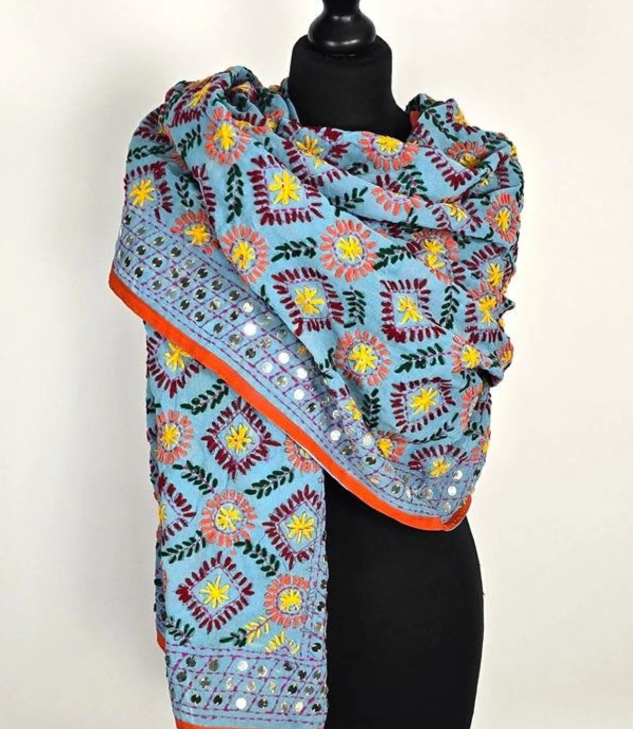
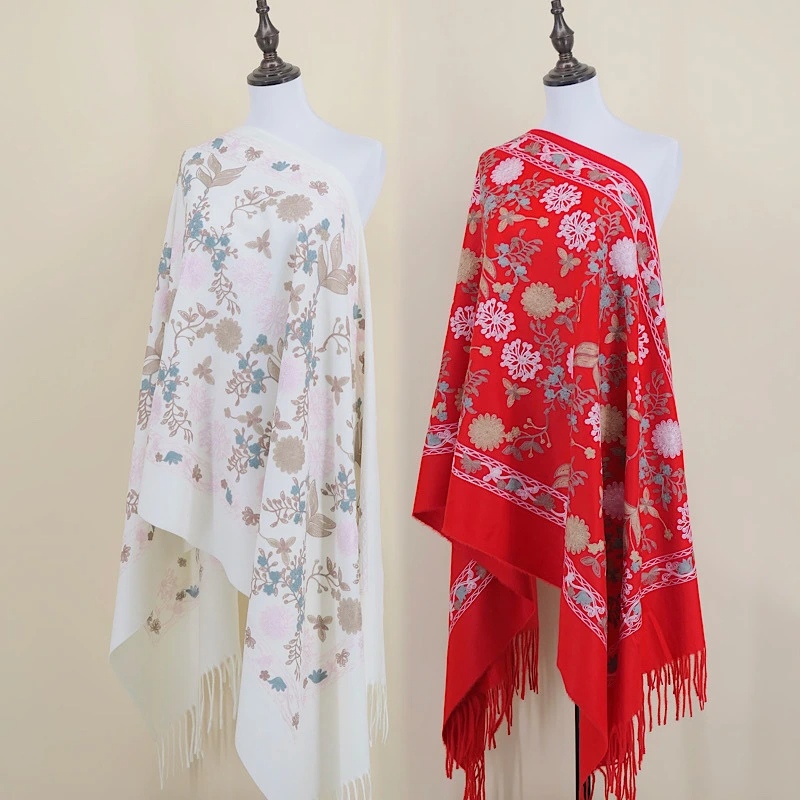
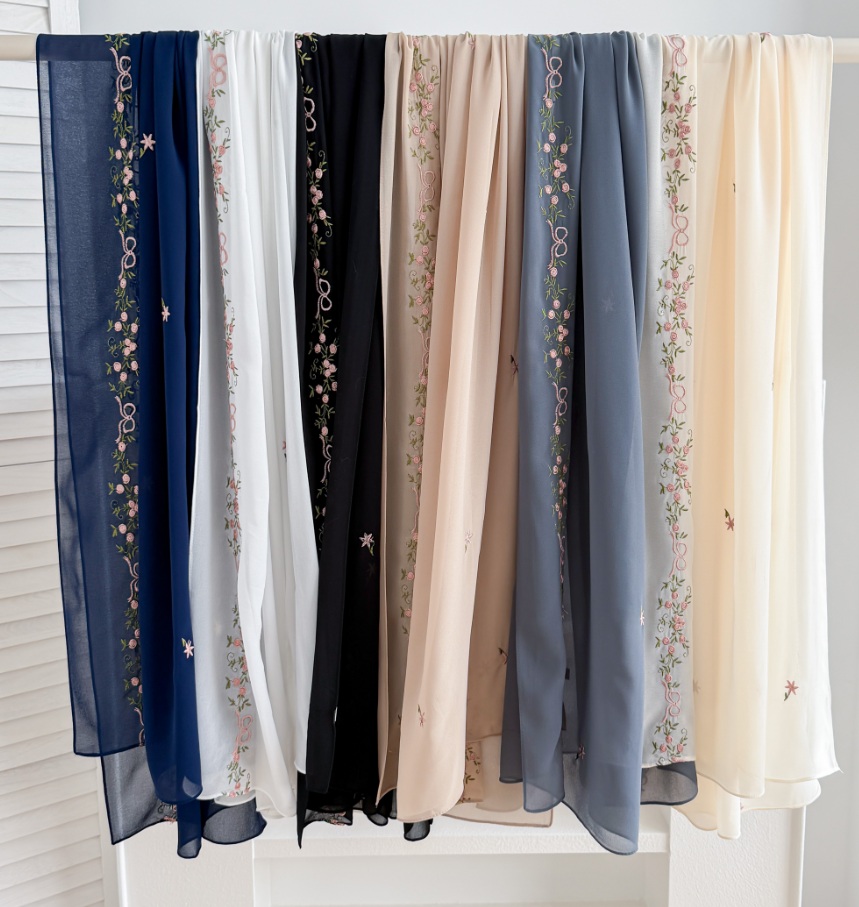
業界関係者は、古いとは思わず伝統に敬意を表した作品を求めていることが明らかになった。繊細な透かし縁やフラワー柄のストールは、物語の可着性を求めているバイヤーを引きつけている。私たちがグローバルパートナーにサービスを提供した経験に基づいて、精緻なレース模様と頑丈な台座を一体化させたストールの販売は安定しています。レトロな魅力と日常使いをリンクさせています。
現代のねじれ:レースを今日に持ち込む、sファッション
レースは永遠に消えない。それは進化にすぎない。ここ数シーズン、デザイナーたちはレースの復興に力を入れている。ストリートウエアや大胆な色、さらには金属線と混ざっている。
考えてみてください:
- 透明なレースをつなぎ合わせて構造化した生地と組み合わせて、対比を形成します。
- ミニマムなワンピースにレースを使ったり、全レースをオーバーサイズのストールにしたりして、レイヤー感をプラスしています。
- 伝統的なパターンを残しながら、現代的なプリントや環境に優しい糸を追加します。
2025年秋のトレンドは、レースがボヘミアスタイルからより前衛的な外観に変化したことを示しています。レースのトップスのパンツや、洗練された柄のデコルテのシルエット。ブランドには脆弱性と強靭さが融合している。この二重性はそれを興奮させる。
特にストールにはこの組み合わせが効果的です。軽やかなレーススタイルがジーンズを覆い、カジュアルでエレガントな雰囲気に。イベントでは、マントのようにより大きな生地を羽織ると劇的に増加しますが、重さは増加しません。小売業者は、これらの多才なスタイルが急速に発展していることを教えてくれました。特に、古風なテクニックを現在の雰囲気と組み合わせると。
ここで’ ;以下はショールデザインにおける伝統と現代の急速な結合です:
|
従来の要素 |
げんだいてきおう |
なぜ今日のバイヤーを惹きつけたのか |
|
波打ち際レースのフラワーモチーフ |
デジタルプリントやジャカードの高速化 |
外観が同じで、生産速度が速く、コストが低い |
|
針レース透かし |
フックエッジまたはレーザーカットの詳細 |
通気性に優れ、耐久性に優れている |
|
黒シルクサティ風 |
ウールまたはポリエステル基材と混合する |
劇的だが実用的で、すべての季節に適している |
|
手動スプラインテープ寸法 |
シームレス織り手作業仕上げ |
継ぎ目のない大きなストール |
スマート残高を示す表。あなたは伝統的な美しさを残しています。あなたは実用性を得ました。
Shawl Worldからのリアルな世界の例
想像してみてください。ヨーロッパのあるブティックは秋のためにストールを用意しています。彼らは繊細なレースのようなフレームを持つアイテムを増やした。カシミヤ混紡生地に微妙な花の透かし彫りを考えてみよう。お客さんたちはそれらを買い占めて、それらをコートに畳んだ。ストーリー“ ;インスピレーションは18世紀のサンティーイレースから来ています” ;販売を支援する。
結婚式のプランナーを連れて行ったりします。彼らは花嫁パーティーのためにレースのストールをカスタマイズした--軽やかでロマンチックで、アウトドアセレモニーにぴったりだ。私たちが作った刺繍の縁は古いベニススタイルに対応していますが、より柔らかく、肌に優しい糸を使用しています。花嫁たちはかゆみのない伝統的な感覚が好きだ。
これらは、t珍しい症例。北米と東南アジアのパートナーが同様の勝利を報告した。ショールが伝統に敬意を表しているが、現代のライフスタイルに合っていると、人々のお気に入りになります。
探索Shebelieves:目に見えるショールを丹念に作る
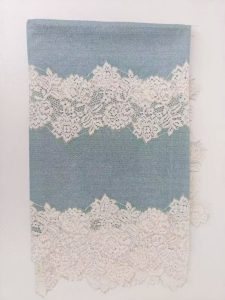
それは’ ;ベンダーのお気に入りの場所です Shebelieves 長年の実践経験をもとに、私たちはアイデアを美しく、着用可能な製品に変えることに集中しています。ウールとカシミヤからより軽い混紡生地までのすべての製品を取り扱い、それを捉える レース調のエレガントさ. 私たちのチーム 繊細な編み物や刺繍などの古典的な技術を今日の技術と組み合わせる、効率的なプロセス。私たちはそれを単純明瞭にしました グローバルブティックのオーナーとブランドあなたに関係なく現在のトレンドに適応するために永遠または新鮮な洗練されたパターンを追求した後、私たちはこのビジョンを現実にすることを助け、同時に高品質と持続可能性を維持します。
結論
レース作りには何世紀もの技術、忍耐力、創造力が必要だ。現代のファッションに出会った時、特にショールは本当に特別なものを作りました。古い技法は深さと物語感を与えた。今日’ ;s方法は耐摩耗性と可及性を高めた。それらは一緒に意味があるが、完全に利用可能な作品を作っている。もしあなたがショールを再購入したり販売したりすることで、このような混合方式を採用して多くの可能性を開拓した。それは’ ;これは流行を追うのではない。それは’ ;これは永続的な美しさを提供することについてです。
FAQについて
Q:レースストールは工芸的に普通のストールとどう違うの?
A:レースストールは針やスプールの方法など、古い透かし加工技術を採用しています。軽やかで洗練された外観を作り出しています。現代版では、通常、ジャカードやかぎ針の縁など、これらのインスピレーションとより速い生産を組み合わせています。これにより、待ち時間を超えずに優雅さを得ることができます。
Q:伝統的なレース制作技術は今日も使われているのか、彼女のレースストール?
A:はい。伝統技術は多種の方式で現代生産に情報を提供している:直接手作業で整理し、ジャカード織り或いはデジタル印刷を通じて歴史模様を再現し、及び現代鉤針或いはレーザー切断方法を用いて透かし彫り美学を応用する。製造業者は、手作業の詳細を保持するために、効率を高める機械プロセスと手作業仕上げを組み合わせることがよくあります。
Q:レースストールはどのように今のファッショントレンドに取り入れていますか?
A:彼ら’ ;今ではレイヤーに最適です。大胆な服装の透明な覆面や活動中の軽薄な包みが考えられます。洗練された伝統と前衛的な現代風が合わさり、レースストールがシーズンごとに売れるようになった。
Q:伝統的なデザインのカスタムレースストールを注文してもいいですか?
A:もちろん。多くのベンダーがカスタムサービスを提供しており、パターン、サイズ、材料を選択できます。レースのような透かし彫りや旧ヨーロッパ風にインスピレーションを受けたフラワー柄を求め、市場に合わせて調整することができます。
Q:なぜ買い手は新旧織り交ぜたレースストールが好きなの?
A:彼らは伝統的な物語と美しさ、そして日常の快適さを求めている。手作りのように見えるマフラーですが、柔らかくて長持ちする感じがしますか?それは’ ;ここは一番甘いところです。品質と独自性を重視するお客様を引きつけています。