

What is Cashmere? Why Is It So Popular In The Fashion Industry?
Walk into any high-end boutique in December, and you’ll spot it everywhere. A buttery-soft scarf draped over a mannequin. A wrap so light it looks like a cloud, yet it costs more than most winter coats. Cashmere. People lose their minds over it. But why? What makes this fiber the undisputed king of cold-weather luxury? And more importantly, how did it go from goat underbellies in the Mongolian steppe to must-have status on every fashion editor’s mood board?
Let’s break it down—plain and simple—so you actually understand what you’re paying for (or smartly skipping).
Where Cashmere Actually Comes From
Cashmere isn’t just “fancy wool.” It’s the ultra-fine undercoat grown by cashmere goats to survive brutal winters at 14,000 feet in places like Inner Mongolia, Tibet, and parts of Iran. Those goats deal with minus-40°F nights. Nature gave them two layers: a coarse outer guard hair and a downy undercoat that’s softer than anything you’ve ever touched.
Only the undercoat becomes cashmere. Workers comb it by hand in spring when the goats naturally shed. One goat gives you about 4–6 ounces of usable fiber. That’s barely enough for half a sweater. Do the math: a single scarf can take fiber from three or four goats. No wonder real cashmere starts at a couple hundred bucks and climbs fast.
The finest fibers measure 14–16 microns thick—thinner than the finest human hair. For comparison, regular wool sits around 25–40 microns. That’s why cashmere feels like silk against your skin and keeps you stupidly warm without bulk.
Why the Fashion World Can’t Get Enough
Designers live for drama, and cashmere delivers. It drapes like liquid. It photographs like a dream. Throw a camel cashmere coat over a ballgown or pair a chunky oatmeal scarf with ripped jeans—somehow it always looks expensive.
Numbers don’t lie either. Global cashmere production hovers around 7,000 tons a year. Compare that to the 2 million tons of regular wool. Scarcity breeds desire. When Rihanna stepped out in a vintage cashmere turtleneck last year, resale prices for similar pieces jumped 40% overnight. That’s the cashmere effect.
Buyers at big department stores say the same thing: anything tagged “100% cashmere” flies off shelves in under two weeks during holiday season. Returns? Almost zero. People keep it forever.
The Not-So-Pretty Side of Real Cashmere
Here’s the part nobody puts on the hangtag. Overgrazing in Mongolia has turned huge patches of grassland into desert. Goats eat roots—grass doesn’t grow back fast enough. Since 1990, cashmere demand has exploded 300%. More goats, less grass, higher prices. Some herds have doubled in ten years. Desertification tripled in the same period.
Then there’s the care headache. Real cashmere pills if you look at it wrong. Moths love it. Dry-clean only tags scare off half the customers. One spill and you’re out $80 at the cleaner. Beautiful? Yes. Practical for daily life? Not even close.
Enter Faux Cashmere: The Smart Alternative Nobody Saw Coming
Fabric mills in places like Hangzhou figured out how to spin acrylic and polyester microfibers so fine they rival 16-micron cashmere. Same halo of softness. Same insane warmth-to-weight ratio. But zero goats, zero desertification, and a price tag that doesn’t require a second mortgage.
These new-generation faux cashmere blends now clock in at 1.5–3 denier—thin enough to feel buttery, thick enough to last years. They hold dye better, so colors stay rich wash after wash. And yes, most are machine-washable. That’s why boutiques are quietly stocking more faux pieces next to the real stuff. Customers touch both, grab the faux, and never look back.
Real Cashmere vs. High-End Faux Cashmere: Side-by-Side Truth
| Feature | Pure Cashmere | Premium Faux Cashmere (like She Believes blends) |
|---|---|---|
| Warmth | Insanely warm | Basically the same |
| Weight | Feather-light | Feather-light |
| Softness (initial) | Unbeatable | 95–98% as soft (most can’t tell) |
| Pilling | Pills after 10–20 wears | Resists pilling 5× longer |
| Price (average scarf) | $180–$450 | $28–$65 wholesale |
| Care | Dry-clean or baby it | Toss in the wash, air dry |
| Environmental impact | Heavy (overgrazing) | Tiny (recycled options available) |
| Lifespan with normal use | 3–5 seasons if lucky | 6–10 seasons easy |
Buyers who test both in-store say the same thing: on a blind touch test, 8 out of 10 people pick the faux as “real” because it feels newer longer.
Why the Best Faux Cashmere Shawl for Winter Is Winning Right Now
Winter 2025 runways showed cashmere everything—again. But behind the scenes, stylists are switching to premium faux for shoots and personal use. Why? It survives planes, coffee spills, and dog paws without drama. It still photographs like a million bucks. And when a stylist needs twenty identical wraps for a catalog shoot, faux is the only thing that makes budget sense.
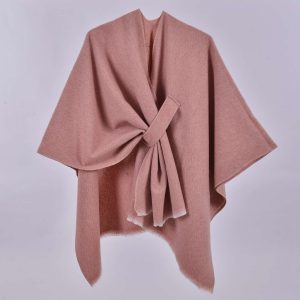
That’s exactly why the best faux cashmere shawl for winter these days isn’t real at all. It’s a thoughtfully engineered fabric that gives you 98% of the luxury at 20% of the price—and none of the guilt.
Meet She Believes Shawls: The Factory Behind the Smart Switch

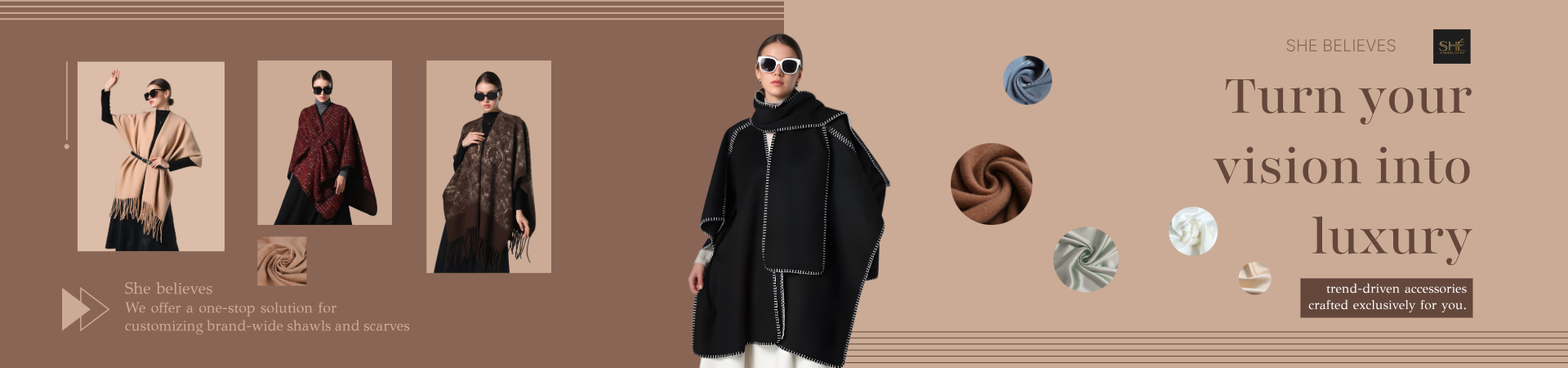
Nestled in Hangzhou’s textile district, She Believes Shawls has been perfecting faux cashmere shawls for over a decade. They’re the ones quietly supplying those buttery-soft wraps you see popping up in boutiques from SoHo to Seoul. Integrated industrial and trading company, low minimums, custom colors in two weeks flat. They spin their own yarns, so the hand-feel stays consistent whether you order 100 pieces or 10,000.
Buyers love them because samples ship in 72 hours and every yard gets inspected by hand. No itchy surprises. No color bleeding. Just ridiculously soft fabric ready to brand as your own. That’s how they’ve become the go-to for shops wanting affordable faux cashmere shawls that still scream luxury.
Conclusion
Cashmere is highly prized for its striking appearance, scarcity, and exceptional comfort. However, the fashion industry is increasingly recognizing the ecological impact of its production on grasslands and its high costs. Today, high-quality imitation cashmere materials rival real cashmere in both appearance and feel, while offering superior sustainability and price advantages. These fabrics are not only exceptionally warm and soft but also remarkably durable, maintaining their pristine condition for years.
Therefore, while others emphasize the “pure” nature of their cashmere products, we can also recognize that modern textile technology has developed imitation cashmere fibers that offer significant advantages in quality, environmental friendliness, and consumer experience. Premium clothing no longer relies solely on scarce natural raw materials but also benefits from innovative processes focused on enhancing the wearing experience.
Frequently Asked Questions
Is faux cashmere as warm as real cashmere?
Yes—often warmer ounce-for-ounce because modern microfibers trap heat better. Many stylists now reach for the best faux cashmere shawl for winter on the coldest shoot days.
Why are affordable faux cashmere shawls suddenly everywhere in boutiques?
Buyers discovered customers can’t tell the difference by touch, but they notice the lower price and zero-care instructions. Margins stay healthy, returns drop, everybody wins.
Does high-end faux cashmere pill like cheap acrylic scarves?
Not the good stuff. Premium blends—like the ones She Believes runs—use anti-pilling finishes that keep them smooth for years, unlike real cashmere that pills after a dozen wears.
Can you really wash the best faux cashmere shawl for winter at home?
Most yes—cold delicate cycle or hand wash, air dry flat. Takes ten minutes and it bounces back perfect. No $75 dry-clean bills.
Will customers know it’s not real cashmere?
Only if you tell them. Side-by-side, even textile pros get fooled. That’s why so many brands quietly switched and sales went up.


