

Substitutos ecológicos: A margem competitiva de falsos cashmere Shawls contra o verdadeiro cashmere
Imagine que você dirige uma loja em Chicago. O cliente pega cada embalagem suave que vê. No entanto, essas facturas de cashmere reais continuam a escalar. Cabras à metade do mundo estão comendo pratos nuas. Os preços saltam. Os compradores começam a fazer perguntas difíceis sobre ética. Todos nós estivemos lá. Aqui vêm os casmos falsos para resgate. Essas não são as falsas rígidas e prudentes de vinte anos atrás. São manteiga, fluente e honestamente mais gentis com a terra. Para grandes e retalhistas, eles trazem custos mais baixos, clientes mais felizes, e uma história que as pessoas realmente querem ouvir.
O que exatamente é Faux Cashmere, de qualquer forma?
Fax cashmere shawls se sentem fantásticos sem a marca de preço fantástico. Elas são geralmente feitas de misturas de poliéster de alto nível – muitas vezes 50/50 de poliéster e acrílico, ou poliéster direto girado super fino. Não precisavam de cabras. Só truques de tecido inteligente.
As coisas feitas de
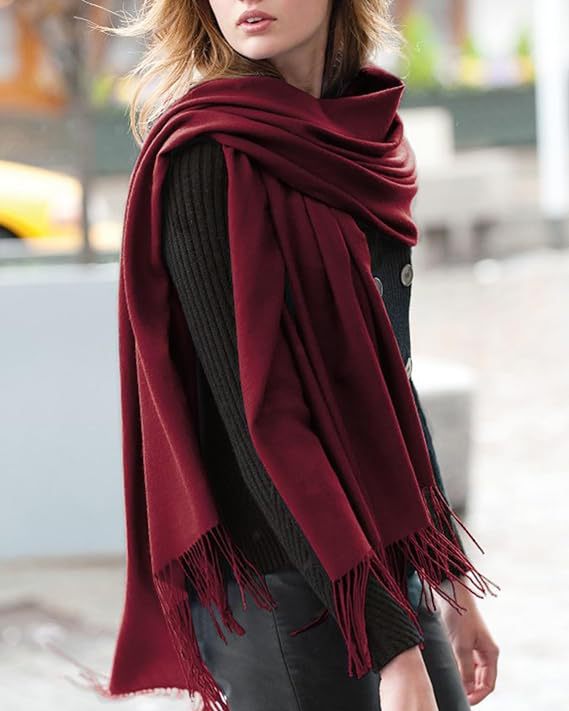
O fio fica denso, com um pequeno estiramento construído. Uma peça típica pesa cerca de 500 gramas e abre cerca de 135 por 155 centímetros. Ela é flor ao lado da pele porque essas minúsculas microfibras prendem calor como o negócio de ninguém. E quando você escolhe uma boa, a cor fica colocada mesmo depois de uma dúzia de lavagem. Eu vi clientes vestindo o mesmo envelope todo o inverno -- sem desvanecer, sem pílulas tristes.
Sentimento e Fit: Isso realmente medi?
Sim. De lado a lado, a maioria das pessoas não consegue distinguir a diferença no suavidade. Mas o casmo falso salta de volta melhor. Você a joga, ela se estende um pouco, então cai de volta em forma. Um dono da loja em Denver me disse que trocou metade da prateleira para falsificação no ano passado. O retorno caiu quase 20% porque nada se transformou em uma confusão confusa após um mês.
Going Green: O Grande Ganho do Faux Cashmere para o Planeta
A sustentabilidade não é apenas falar mais, é vendas. O verdadeiro caísmo tem uma história difícil. Milhões de cabras mastigam pastos frágeis na Mongólia. A demanda dobrou na última década, e de repente grandes pedaços de terra parecem paisagens de lua. Faux cashmere shawls saltam todo esse drama. Nada de ganho, nenhum metano de rebanhos, nenhum solo tirado.
Claro, fazer poliéster leva energia. Mas as mais novas versões usam garrafas recicladas, então você está tirando plástico dos oceanos em vez de perfurar mais petróleo. Só isso reduz o uso de petróleo fresco até 75%.
-
O uso de água cai fortemente - o casmo real precisa de milhares de litros por quilo, o falso fica abaixo de 500.
-
Nenhum animal fica frio ou cheio.
-
Os pedaços duram mais, então menos acabam em lixo.
Quando quase oito de cada dez compradores dizem que preferem etiquetas amigáveis da terra, armazenar chaves de cashmere falso não é caridade. É negócio inteligente.
Dolares e Senso: Por que Faux Cashmere te poupa dinheiro
Cashmere real grossista corre 50 a 80 dólares por pedaço, e isso é um bom dia. O tempo confunde com o suprimento de cabelo de cabra, então os preços flutuam selvagem. Faux cashmere shawls? Normalmente 20 a 40 dólares. E o preço fica estable. As fábricas não se preocupam com tempestades na Mongólia Interna.
Essa diferença significa que suas margens podem saltar 30-50% enquanto você ainda cobra preços de luxo. Um amigo que importa para botícolas do Oeste Médio acrescentou um lucro extra de 15 mil dólares no último trimestre apenas trocando peças falsas para as férias.
| Aspecto | Real Cashmere | Faux Cashmere Shawls |
|---|---|---|
| Custo de venda por grosso | 50 a 80 dólares cada | 20 a 40 dólares cada |
| Hora de lideragem | 4-6 meses | 10-20 dias |
| Ordem mínima | Normalmente 100 | Pode começar às 10 |
| Price Swings | Grande (tempo e colheitas) | Quase nenhum |
custos estáveis, restaurações mais rápidas, contabilistas mais felizes.
Tough as Nails: Durabilidade que mantém os clientes voltando
Nada mata negócios repetidos como um envelope de 120 dólares que comprimidos após um derramamento de café. O verdadeiro caísmo é frágil – lavar a mão, deitar plano para secar, rezar que não se reduza. Faux cashmere shawls não jogam esses jogos. Tirá-los na máquina em suave, descer baixo, feito. O tecido se corta de comprimidos e fraying durante temporadas.
Um grossista em Austin disse-me que sua cabine de mercado foi apanhada na chuva na primavera passada. Cada pedaço de caixera de verdade se desviou. Os falsos secaram durante a noite e pareciam novas na manhã seguinte. menos retornos, mais revisões de cinco estrelas -- matemática simples.
Designs That Turn Heads: Faux Cashmere in Action
Essas embalagens encaixam em todos os humores. Um dia, cobertura da praia, camada de escritório o outro. As cores ficam ricas, os padrões ficam agudos, e você pode adicionar detalhes divertidos sem quebrar o banco.
Peguem o arco de frente aberto com cintas cruzadas. É um confortável 130 por 150 centímetros de 50/50 poliéster-acrílico. Cross the straps for a snug fit or let them hang loose for easy boho vibes. Os clientes adoram jogá-lo sobre um tanque para pedidos ou um vestido para noite de encontro.
Outro favorito da multidão é o inverno grossista, multicolorido, com bolsos. Cashmere puro falso suavidade, sem coça, dez cores maravilhosas. Aos 135 por 155 centímetros, é grande o suficiente para entrar, e esses bolsos s ão profundos o suficiente para um telefone e um labirinto. - Compra de impulsos perfeitos no check-out - os retalhistas não podem mantê-los em ações.
Conheça Shebelieve: seu fornecedor de Go-To para Premium Faux Cashmere Shawls
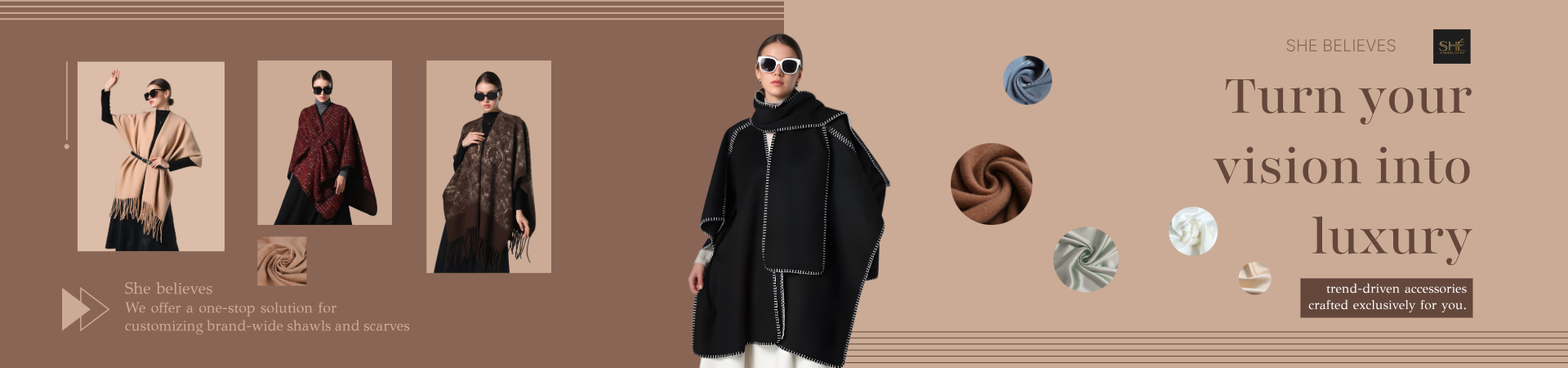
Você precisa de um parceiro que se move tão rápido quanto você. Ela acredita é uma operação direta à fábrica for a da China que tem feito embalagens custom para lojas em todo o mundo. Eles controlar cada passo--fio para caixa--então qualidade nunca se desliza e os tempos de liderança ficam curtos. - As fábricas carregam certificações OEKO-TEX e GRS, e todo o lugar executa padrões ISO.
O que realmente os faz destacar para compradores menores: mínimos tão baixos quanto 10 peças por estilo. Quer seu logotipo embroideado? - Vias de cores personalizadas? - Etiquetas privadas? Não há problema. Envie um esboço, pague um depósito de 30%, e você verá amostras em cerca de uma semana. - A navegação é rápida - DHL para amostras, mar ou ar para massa - e o rastreamento é sempre ao vivo. Para o crescimento de marcas e importadores temporados, Shebelieves faz com que as reservas sejam bonitas, lucrativas falhas de cashmere shawls quase fácil demais.
Conclusão
Faux cashmere shawls não são o segundo melhor. São a nova primeira escolha. Eles evitam preços altos, fibras frágeis e consciências culpables. Você tem a mesma vantagem de sentir que os clientes desejam, mais durabilidade e credibilidade favorável ao planeta que os mantém voltando. No mercado de hoje, essa combinação é ouro puro. Carguem suas prateleiras, contam a história, e assistam os registros tocando.
FAQ
O que faz que o casmo falso engorda mais amigável ao planeta do que o casmo real?
Os casmeiros falsos eliminam a necessidade de agricultura de cabras, evitando assim o excesso de ganho que leva à degradação e desertificação das pratos. Sua produção não envolve animais, reduzindo significativamente as emissões de metano. Além disso, muitos produtos falsos de caísmo são feitos de garrafas de plástico recicladas, diminuindo a dependência de plásticos virgens.
Como os casmos falsos se mantêm com o uso diário?
Em usos práticos, barbacos de casmo falso geralmente demonstram maior durabilidade do que o casmo real. Eles podem ser lavados por máquina, resistentes ao comprimido e diminuição, e manter uma aparência limpa ao longo do tempo mesmo com uso freqüente, tornando-os adequados para uso repetido durante as estações.
Os cashmere falsos são favoráveis ao orçamento para pequenas lojas e grossistas?
Sim. Fax cashmere shawls custam aproximadamente metade do cashmere real e suportam pequenas quantidades mínimas de ordem (por exemplo, começando de 10 peças). Isso permite aos retalhistas experimentar com novas cores ou projetos, como adicionar bolsos, com risco financeiro relativamente baixo.
Posso obter casmos falsos personalizados com minha própria marca?
Sim. Muitos fornecedores (como Shebelieves) oferecem serviços de personalização incluindo embroidagem, rotulagem privada e tintura personalizada, com processos eficientes e custos razoáveis.
Os shawls falsos de cashmere realmente se sentem suaves e luxuosos?
100%. As misturas mais recentes são nuvens-suaves, quentes sem peso, e tiradas como coisas caras -- a maioria das pessoas não consegue perceber a diferença.


