

Sorğu açılır penceresi geçen cuma öğleden sonra ekranımıza geldiğinde - "2000 PCS Silk Twill Scarf: Oriental Streetwear" isteği ile "XXX" markalı - bunun standart bir B2B siparişi olmadığını hemen biliyorduk. Kültürel sembol çevirisi, malzeme yükseltmesi ve B2B müşterileri için “örnek testinden” “toplu sipariş dönüşümüne” kritik bir sıçrama konusunda hassas bir egzersizdi.
I. B2B Sorgulamasındaki Çekirdek Sinyaller: Örnekte gizli ihtiyaçlar
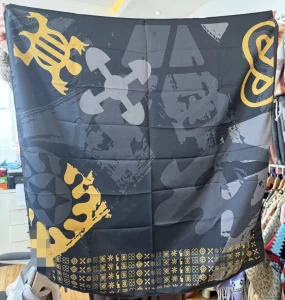
Brooklyn'den gönderilen örneği açtığımızda, siyah ve altın eşarp iki söylenmemiş B2B zorunluluğu taşıdı: farklı tasarım ve marj potansiyeli.
1. Örneği Çözme: Müşterinin Gerçekten İstediği (Sadece "Doğu Elementleri" Değil)
Örneğin yüzeyinde “sokak grafiti belirsiz sembolleri” yazılıyordu, ancak altındaki akım Brooklyn markasının pazar mantığını yansıtıyordu:
Şablonun “Kültürel Kodu”: Bu görünüşte rastgele geometrik bloklar Çin karakterinin “Fu” (iyi şans anlamına gelir) soyut yeniden yapılandırmalarıdır. Müşteri e-postalarında şunları belirtti: “Seyircilerimiz ‘hikaye yönelimli sokak parçalarını’ seviyor ama ‘peynirli Çin düğümleri’ değil.” Bu, sembolize edilmemiş Doğu unsurlarına ihtiyaçları olduğu anlamına geliyordu: “İyi şans” çekirdeğini korurken, sokak giysisi estetiği yoluyla yeniden hayal edebilirlerdi, böylece Batı tüketicileri “trendi tanıyabilirdi” ve “kültürel farklılıkları algıl
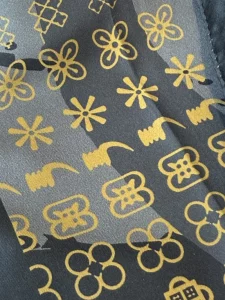
Örnekteki B2B Ağrı Noktaları: Müşterinin yorumları ("arkadaki beyaz gösteri" "zayıf kumaş") son kullanıcı satış riskine indirildi. Arka taraf beyaz show-through, etkileyici inceleme videolarında “ucuz ayrıntılar” yaratacaktır; zayıf malzeme tekrarlanan satın alma oranlarını aşıracaktır. B2B müşterileri için kalite kontrolü = marka itibarı = siparişleri tekrarlamak – bu yüzden bu boşlukları çözebilecek bir ortak için yerel tedarikçileri terk ettiler.

2. Desen Kökenlerinin B2B Dönüşüm Mantığı: Calligraphic "Fu"dan Sokak Giysisi Sembolüne
Tasarım ekibimiz hemen deseni B2B dönüşüm sürücülerine haritaladı:
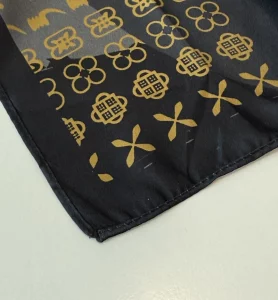
Kültürel Çeviri: Geleneksel “Fu” aşırı karmaşık vuruşlara sahiptir, sokak giysisinin sembolik sosyal medya çekiciliği için uygun değildir (görsel hatırlanabilirlik kısacılık gerektirir). “Shi” radikalını dairesel bir logoya basitleştirdik ve “Fu” radikalını geometrik çizgilere böldük, “iyi şans” anlatısını korurken, ürün hatlarını genişleterek kaptuzlu, şapka ve diğer müşteri mallarına ölçeklenebilecek bir sembol yarattık.
Siyah ve altın, Batı sokak giyimleri için yüksek katılımlı bir renk eşleştirmesidir (veriler, siyah ve altın kombinasyonlarının katı renklerden% 27 daha yüksek Instagram katılımını sağladığını göstermektedir). Sıkıntılı grafiti fırça çekimleri “eski iş giyimleri” trendiyle uyumlu olup, eşarfın hem “sokak tarzı” hem de “yumuşak retro” stil bağlamlarına uymasına izin verir ve müşterinin son kullanıcı kitlesini genişletir.
İki. B2B Çözümleri için Dönüşüm Kodu: İpek Twill El Sanatı Yükseltmeleri, "Kâr ve QC" Ağrı Noktalarını Çözmek
B2B müşterileri için teklifimiz “bir ürün satmak” değil, kar çözümü sunmaktı. İpek twill ve çift taraflı zanaatlığı “maliyetleri” “marj kolcularına” dönüştürmek için araçlar olarak çerçeveledik.
1. İpek Twill: B2B Müşterinin Kalite Marj Silahı
Müşteri başlangıçta, son kullanıcı fiyatlandırma modelini sunana kadar, sade dokuma üzerinde ipek twill için% 18 primde tereddüt etti:
Görsel Marj Malzemeden: İpek twill, ince bir diagonal doku oluşturan (düz dokumanın pürüzsüz yüzeyinin aksine) "iki üstü bir altında" bir dokuma kullanır. Bu doku, dijital baskının derinliğini güçlendirir ve müşterinin eşarbı düz dokuma alternatiflerinden% 35 daha yüksek fiyatlandırmasına izin verir (Batılı tüketiciler “benzersiz doku” için bir prim öder). 2000 parça için, bu, düz dokumadan 14.000 dolar daha fazla toplam kar anlamına gelir.
Genişletilmiş Stil Bağlamları: İpek twill'in perdesi "yumuşaklık" ve "sertliği" dengeler - bir baş örtüsü olarak şekil alır ve bel aksesuarı olarak eğrilere uyur. Bu, müşterinin ürün sayfalarına “çok senaryo stili” eklemesine ve son kullanıcı dönüşüm oranlarını artırmasına olanak sağlar.
2. El sanatı Yükseltmeleri: Çift Taraflı Baskı Makinesi Hemming, B2B Toplu tutarlılık garantileri
Toplu tutarlılık B2B müşterileri için müzakere edilemez ve zanaat yükseltmelerimiz bu konuya karşı karşıya çıktı:
Çift Taraflı Dijital Baskı: Son Kullanıcı Olumsuz Değerlendirmelerini "Beyaz Gösteri"nden Kaldırmak
Reaktif boya çift taraflı penetrasyon baskısı kullanabiliriz ("ön baskı, çevir, geri baskı" değil). Müşterinin etkileyicileri kafa sarması stillerini sergilediğinde, kafanın arka kısmı ön kısmıyla eşleşir - "ucuz gösteri" detayları yoktur. Bu, olumsuz ürün sayfa incelemelerini% 30 azaltır.
III. Kazan-Kazan B2B Müzakereleri: Fiyatlandırma ve; Nakliye, "Maliyet Basıncını" "Ortaklık Yapışkanlığına" Dönüştürmek
2000 adet toplu bir sipariş için müşteri maliyet kontrolüne öncelik verdi, ancak müzakerelerimiz maliyetleri uzun vadeli ortaklık değeri olarak çerçevelemeye odaklandı.
1. Fiyatlandırma: B2B Katmanlı İndirimler Risk Azaltma
Hacimi teşvik etmek için katmanlı indirimler: Müşteriler için 2.000, 5.000 ila 10.000 arasında farklı fiyatlar belirliyoruz. Bu, anlık maliyetleri düşürür ve gelecekteki işlerde kilitler - B2B müşterileri uzun vadeli maliyet kesinliğini tek seferlik düşük fiyatlara karşı değerlendirir.
2. Nakliye: Bölünmiş Gönderiler Gümrük Kaplaması, Dengeleme Hızı & amp; Maliyet
Müşteriye farklı süreli üç farklı deniz yolu fiyatı önerdik. Müşteri hala ulaşım modunu ve maliyetini belirlemek için bir toplantı düzenlemek zorundadır. Bununla birlikte, avantajlarımızın bu siparişi sağlamamızı sağlayacağından eminiz.
IV. B2B Sorğu Dönüşüm Anlayışı: “Ürün Satmak” Değil, “B2B İş Çözümleri Sunmak”
Bu 2000 parçalık ipek twill eşarp soruşturması bir ürünle ilgili değildi - müşterinin iş ihtiyaçlarıydı: onlara para kazanacak, baş ağrılarını azaltacak ve markalarını inşa edecek bir parça istediler.
Temel B2B avantajımız “ipek eşarp yapmak” değil, B2B iş mantığını anlamaktır:
Doğu unsurlarının son kullanıcılarla yankı göstermek için sokak giysisi sembolleri olması gerektiğini biliyoruz.
Malzeme yükseltmelerinin maliyet artışlarını haklı kılmak için marj verilerine bağlanması gerektiğini biliyoruz.
Fiyat müzakerelerinin, tek seferlik siparişleri tekrarlanan gelire dönüştürmek için uzun vadeli ortaklık güvenliğini içermesi gerektiğini biliyoruz.
Kapatma: B2B Eşarpınızın Özelleştirilmesi, İşletme Sınıfı Çözümlerle Çözüldü
İster “kültürel olarak farklılaştırılmış marj parçalarına” ihtiyaç duyan bir Batı sokak giyimi markası olsanız da, ister “yüksek tekrarlanma satın alma eşarp hatları” arayan sınır ötesi bir perakende satıcısı olsanız da, uçtan uçta çözümler sunuyoruz: ipek twill malzemesi, çift taraflı dijital baskı, makine kısmı ve esnek MOQs (örnekleme için 50 parça). Tasarım fikirlerinizi, markanızı satan, kar sağlayan ve oluşturan B2B en çok satanlara dönüştürüyoruz.
B2B eşarp özelleştirme ihtiyaçlarınız varsa - 2000 adet toplu siparişlerden uzun vadeli tedarik zinciri ortaklıklarına kadar - ulaşın. Biz eşarp işinde kar odaklı ortağınız.


