İpek Eşarpınıza Bakım: Yıkama ve Depolama İpuçları
İpek eşarplar Harika hissediyorum. O ipek pürüzsüzlük. Yumuşak parlaklık. Her kıyafetin hemen daha güzel görünmesini sağlarlar. Ama iyi görünmeye devam etmek için özel dikkatlere ihtiyaçları var. Bunu hayal edin - ipek eşarfınızın çok kullanımı var. Üzerine bir kafe sıçraması düşer. Zamanla toz yerleşir. Doğru şekilde kullanmazsanız renkler sıkılır veya kumaş zayıflar. İyi kısmı mı? Çok kolay. Sadece birkaç basit rutin ve ipek eşarflarınız yıllarca güzel kalır. Bir dükkan çalıştırıp popüler stiller taşıyıp taşıyıp taşıyıp taşıyıp taşıyıp taşıyıp taşıyıp taşıyıp taşıyıp taşıyıp taşıyıp taşıyıp taşıyıp taşıyıp taşıyıp taşıyıp taşıyıp taşıyıp taşıyıp taşıyıp taşıyıp taşıyı
İpek Ekarlar için Doğru Bakım Neden Önemlidir
İpek doğal protein iplerinden yapılır. Bu kadar güzel bir akış ve cildinize serin bir dokunuş sağlayan şey budur. Ancak bu ipler ısıyı, suyu veya parlak ışığı sevmez. Bunu görmezden gelin ve sıkıcı noktalar veya küçük yırtıklar göreceksiniz. Mağaza sahipleri sık sık bununla karşılaşırlar - insanlar solgun eşarpları geri verirler çünkü onları yanlış şekilde yıkadılar. Öte yandan, nazik tedavi alan eşarplar yepyeni görünmeye devam eder. Bazı mağazalar kolay bakım ipuçları verdiklerinde iadelerin düştüğünü söylüyor. Küçük şeyler toplanır.
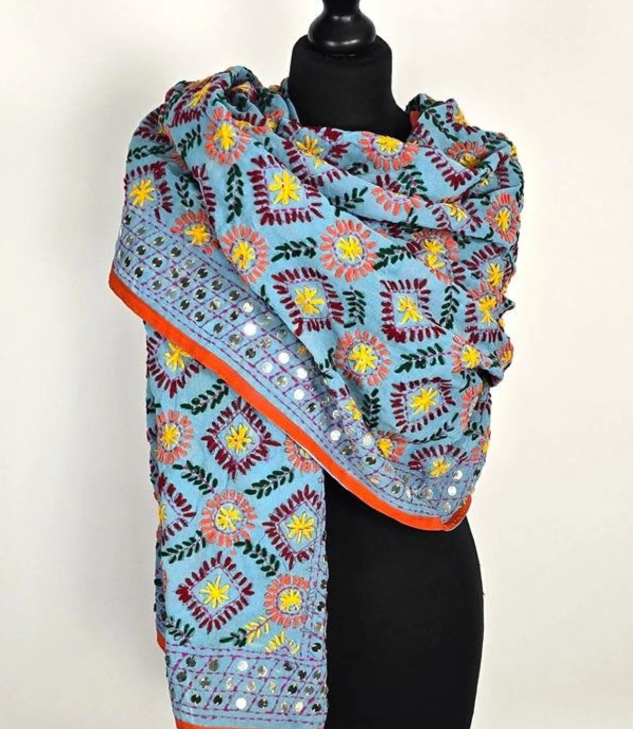
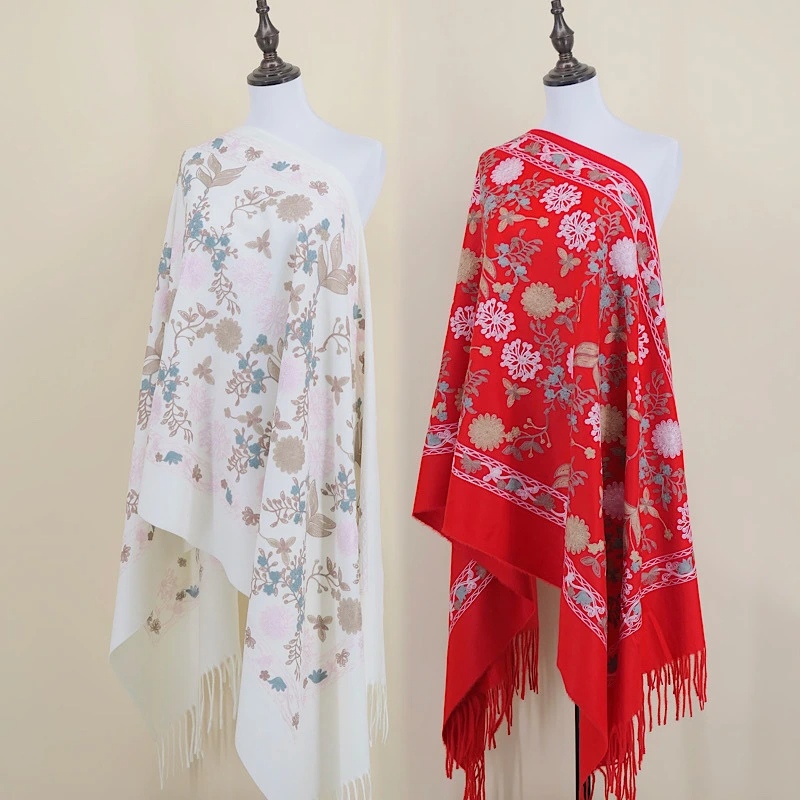
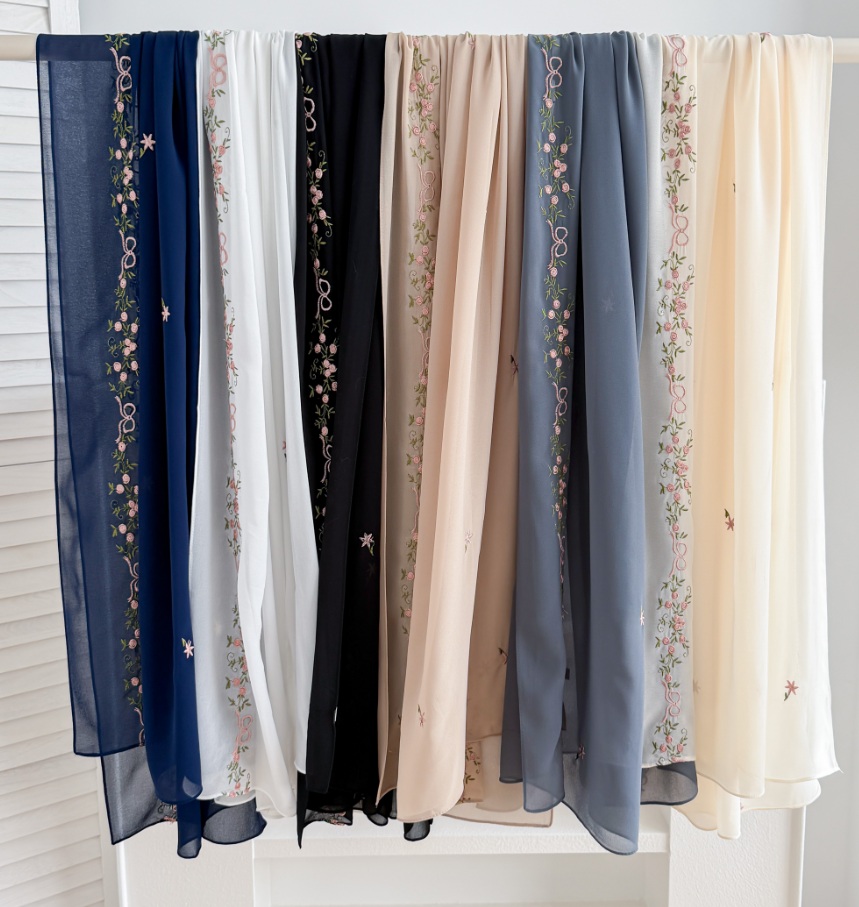
Saf çiçek ipeği, özellikle de 14 momme tipi, yumuşak kullanımla en parlak görünüyor. Patterns daha uzun süre parlak kalır. Canlı çiçek baskıları veya güçlü hayvan tasarımları düşünün - düzgün bakıldığında yumruklarını yıldan yıla korurlar.
İpek Ekarlarınızı Doğru Yolda Yıkayın
El yıkama çoğu ipek eşarp için kazanır. Makineler her şeyi çok sallıyor. Kuru temizleme kötü lekelerde yardımcı olur, ancak daha pahalı ve her zaman gerekli değildir. İşte onları endişesiz evde nasıl temizleyeceğiniz.
Adım Adım El Yıkama Kılavuzu
Soğuk suyla başlayın. Bir lavabo veya kase doldurun - en sıcak yerde sıcak tutun. Sıcak su parlaklığı hızlı bir şekilde çıkarır.
-
Biraz yumuşak sabun koyun. Hassas eşyalar için uygun türü seçin. Güçlü temizleyici veya beyazdırıcı kullanmayın. İplere zarar verebilirler.
-
Eşarpı yumuşakça taşıyın. Sert temizleme veya bükülme yok. Kısa bir süre suda oturmasına izin verin. Bu düzenli kirleri iyi idare eder.
-
İyi yıkayın. Su temiz kalıncaya kadar üzerine soğuk su koyun. Arkada bırakılan sabun daha sonra daha fazla toz çeker.
-
Suyu dikkatle çıkarın. Temiz havlular arasında koyun. Her şeyi yukarı yuvarla ve hafifçe basın. Asla bükmeyin - bu şekli yerinden çıkarır.
Gerçek hikaye: Bir dükkan sahibi yıkanmış görünen bir grup leopard baskı ipek eşarp geri aldı. Müşteriler sıcak makine döngüleri kullanmışlardı. El yıkama ipuçlarını paylaşmaya başladığında, sorun durdu. Satışlar güçlü kaldı.
Lekleri Hızlı Bir şekilde İşlem
Kazalar oluyor. Temel lekeleri. Yiyecek damlaları. Ne olursa olsun, çabuk başa çıkın ama nazik olun.
-
Yeri çarp. Sert sürtünme. Yumuşak bir kumaş kullanın.
-
Yağlı izler için, biraz bebek tozu üzerinde toz. Biraz bekle, sonra fırçala.
-
Gerçekten inatçılar mı? Profesyonel bir temizliğe gidin. Daha güvenli.
Parfüm veya kolyon sağ eşarp üzerine püskürtmeyin. Bunlar kalıcı lekeler bırakabilir.
Kurutma ve Ütüleme İpuçları
Yanlış şekilde kurutmak işleri hızlı bir şekilde karıştırır. Kurutma makinesini atlayın - ısı ipeği küçültür ve sert hisseder.
Havlu üzerine düz yayın. Doğrudan güneşten uzak tutun. Güçlü ışınlar zamanla renkleri solur. Sadece hava kurumasına izin verin. Daha uzun sürebilir ama ipek eşarp mutlu kalır.
Kurutulduktan sonra birkaç kırış ortaya çıkabilir. Steam çok yardımcı olur.
Kırışıklıkları kaldırmanın güvenli yolları
Eşarpı buharlı bir banyoya asın. Nemli hava her şeyi kendi başına düzeltir.
Ya da bir el buharlı makinesi al. Birkaç santim uzakta tutun. Asla kumaşa doğrudan dokunmayın.
Sadece gerektiğinde demir. En düşük ipek ayarını kullanın. Arka taraftan ince bir bezle çalışın. Hafif nemli ipek presleri en kolay.
Alıcılardan hızlı not: Mağazadan asılmadan önce hafif bir buhar, ipek eşarpları yepyeni görünür. Alışveriş yapanlar bu yeni görünümü fark ediyorlar.
İpek Ekarlar İçin En İyi Depolama Uygulamaları
İyi depolama onları her zaman hazır tutar. Kötü katlayın ve çizgiler sonsuza dek kalır. Yanlış asın ve şekil değişir.
Katlama vs. Haddeleme: Ne Daha İyi İşliyor
Yuvarlama bir ton kırışmaları azaltır. Önce düz düzleştirin, sonra el ile veya bir karton tüpün etrafında gevşek bir şekilde yuvarlayın.
Dikkatli yapıyorsanız katlama da çalışır. Katları sık sık değiştirin, böylece çizgiler ayarlanmaz.
İşte kolay bir karşılaştırma:
| Yöntem | Artıları | Eksileri | En İyi İçin |
|---|---|---|---|
| Yürüme | Neredeyse kırışmaz, hızlı tut | Biraz daha oda lazım | Günlük kullanım eşarpları |
| Katlanabilir | Alan tasarrufu, düzenli yığınlar | Kesin çizgiler bırakabilir | Sezon dışı koruma |
| Asılan | Sıfır katlama | Yastırmalı asmaklar kullanmalısınız | Küçük Koleksiyonlar |
Bir sürü koleksiyoner kendilerini çeviriyor. Sadece satın alınan yumuşaklığı korur.
İdeal Depolama Noktaları
Serin ve gölgeli bir yer seçin. Pencerelerden uzak bir çekmece veya raf harika çalışır. Güneş ışığı hızlı baskıları sıkıştırır - parlak at kalp desenlerinin solgunlaştığını hayal edin.
Nemi de düşük tutun. Nemli hava küf davet eder. Ekstra koruma istiyorsanız onları pamuk çantalarına kaydırın.
Uzun depolama için asitsiz kağıda sarın. Toza karşı korur ve renkleri doğru tutar.
Güvelerden uzak dur. Yakın bir seder bloku kimyasallar olmadan yardımcı olur.
Bir mağaza yöneticisi bana dedi: Sezon dışı stok için çekmecelere geçti. Kırışlar hakkındaki şikayetler yarıya düştü. Her şey tekrar çekildiğinde mükemmel görünüyordu.
Kaçınması Gereken Yaygın Hatalar
İnsanlar aynı şekilde kayıyor.
-
Onları çamaşır makinesine atmak. Hassas döngüler bile iplikleri sertleştirir.
-
Doğrudan güneş ışığında kurutmak. Renkler yıkanır.
-
Her zaman aynı şekilde katlanır. Çizgiler kalıcı dönüyor.
-
Onları kirli bırakmak. Yağlar daha sonra yerleşir ve lekeler.
Bu alışkanlıkları erken tespit edin. İpek eşarflarınız daha uzun ömürlü teşekkürler.
Hızlı endüstri notu: Mükemmel şekilde kalan stoklar raflardan daha hızlı hareket eder. Alıcılar iyi tutan parçalara güvenirler.
About She Believes: Güvenilir Şal ve Ekal Tedarikçiniz
Av için yüksek kaliteli ipek eşarplar Bu günlük giyim mi? İnanıyor teslim. Onlar, keskin dijital baskıları olan bu yeşil% 100 çiçek ipek stilleri de dahil olmak üzere özel şallar ve eşarplarda uzmanlaşmış sağlam bir Çin merkezli fabrikadır - çiçekler, leopardlar, lotuslar, adınız var. profesyonel tedarikçi İlk eskizlerden dünya çapında nakliyeye kadar üretim ve ticareti entegre etmek. Bu kurulum kaliteyi istikrarlı ve teslimatı hızlı tutar. Perakendeciler, genellikle 10 parçaya yakın başlayan düşük minimum siparişleri ve logo eklemenin veya tasarımları değiştirmenin basit yollarını takdir ediyorlar. Dükkanlar için sıkıntısız Güçlü Marj Aksesuarları Aramak Müşterilerin sevdiği ve yeniden sipariş ettiği.
Sonuç
Sonunda, ipek eşarpların bakımı kolay, nazik adımlara indirilir. El ile soğuk suyla yıkayın, düz kuruyun ve dikkatlice saklayın. Bunları takip edin ve uzun süre yumuşak, parlak ve renkli kalırlar. Dolabınızı ya da çorap mağazası raflarını doldurursanız da, çaba büyük bir geri ödeme sağlar. İpek eşarflarınız buna değer. Bir dahaki sefere bu alışkanlıkları deneyin - hemen gelişmeyi fark edeceksiniz.
Sık Sorulan Sorular
İpek eşarplarımı ne sıklıkla yıkamalıyım?
Çok sık değil. Mümkün olduğunda temiz küçük izleri belirleyin. Her birkaç kez bir yıkayın veya bir dökülmeden hemen sonra. Çok fazla yıkanmak onları daha hızlı yıkır. Günlük kullanmadığınız ipek eşarflar için mevsimde bir kez temizlemek, ekstra çalışmadan güzel tutur.
İpek eşarpları makinede yıkayabilir miyim?
Genellikle kötü bir fikirdir. İpinme, hafif ayarlarda bile hassas ipliklere zarar verir. El yıkama çoğu için en güvenli bahis kalır. Yumuşak dokunuşu ve parlak desenleri daha uzun sürdürmeye yardımcı olur.
Ne’ İpek eşarpları uzun vadede saklamanın en iyi yolu mu?
Onları gevşek bir şekilde yuvarlayın ve asitsiz dokuya sokun. Onları serin, karanlık bir çekmeceye yerleştirin. Işık ve nem uzak tutun. Bu solmayı ve derin kırışmaları durdurur, bu yüzden ipek eşarplar bir sonraki sezon döndüğünde taze görünüyor.
İpek eşarpların özel deterjana ihtiyacı var mı?
Evet, hafif bir tane hassas şeyler için yapılmış. Günlük çamaşırhane sabunu çok güçlü hissedebilir. Yumuşak bir formül doğal parlaklığı ve ipek hissi korur.
İpek eşarplardan ütülemeden kırışıklıkları nasıl çıkarırım?
Steam bu hileyi iyi yapıyor. Sıcak duştan sonra bir tanesini banyoda asın veya birkaç santim uzaklıkta tutulan bir buharlı makine kullanın. Kumaşı ısı hasarı riski olmadan hafifçe gevşetir.