

Why Embroidery Shawls Are Gaining Popularity in Global Fashion Markets
Hand embroidered shawls have quietly shifted from niche heritage pieces to must-have items on runways and street style snaps. Buyers notice the change. Retailers stock up faster. Even big fashion weeks feature more intricate threadwork. What’s driving this surge? It’s a mix of things. Shoppers crave pieces with real story and craftsmanship. Sustainability matters more now. Versatility helps too—these shawls layer over jeans or dress up evening wear. For wholesalers and boutique owners, the trend means steady demand for the best embroidered shawls. Stocking them smartly can move inventory quicker and build loyal customers.
The numbers back it up. The global scarves and shawls market sat around $26 billion in 2025. Forecasts point to nearly $56 billion by 2034. That’s a solid growth clip of about 9% yearly. Luxury segments like embroidered or artisanal ones grow even faster in some reports. Hand-embroidered styles pull in buyers who want unique, non-mass-produced looks. In places like Europe and North America, people pay premiums for that handmade touch.
The Shift Toward Artisanal and Handmade in Fashion
Fashion spins quick. Still, some things hang on when they feel true. Hand embroidered shawls slide right into that space. They hold cultural meaning—classic patterns from different places get fresh twists for now. Craftspeople put in long hours on every single one. No duplicates appear. That special quality pulls in people fed up with cookie-cutter fast fashion.
Recent runway collections leaned hard into embroidery. Designers stacked fine stitches on airy bases. Street outfits caught up fast. Influencers toss them over shoulders casually or knot them as head wraps. The cozy, old-school “grandmacore” style lifted embroidered fabrics too. Wardrobes crave warmth and personality these days. A hand embroidered shawl gives both. It comes across as intimate. It endures through seasons.
Store owners notice the gains. Boutiques claim better profits on these compared to basic scarves. Shoppers return for coordinating items or presents. In wholesale groups, suppliers hear more calls for tailored embroidery. Brands ask for quiet logos or adjusted patterns to match lines.
Key Reasons Buyers Are Choosing Hand Embroidered Shawls
Talk to store managers and regular folks. A few points keep popping up:
- Unique Charm: Machine prints fall short on the raised feel and richness of hand stitches. Every piece tells its own tale.
- Eco-Friendly Side: Handmade usually means limited runs and less trash. Plenty use natural stuff like wool or silk mixes.
- Wear-It-Anytime Flexibility: Light for spring nights. Cozy for winter stacks.
- Cultural Depth: Designs pull from tradition—flowers, shapes, paisleys. They bring meaning without yelling “trend.”
- Lasting Worth: Solid ones resist wear. Colors stay true. Less pilling. Buyers treat them like keepsakes.
Picture a shop in New York. They stocked a handful of hand embroidered shawls last fall. Gone in weeks. Customers posted pics online. Buzz built. More orders rolled in. That’s the natural draw these create.
How Craftsmanship Elevates the Best Embroidered Shawls
Quality sets apart the good from the great. Hand embroidery calls for real talent. Artisans pick slim needles and threads—silk, wool, maybe shiny metal touches. Bases differ: cashmere brings softness, pashmina adds luxury, polyester blends offer toughness and better pricing. The work takes steady hands. They outline designs first. Then fill colors step by step. Symmetry checks happen constantly.
The effort shines through. Threads rise a bit. Light plays off them differently. Edges wrap neatly—no stray bits. Touch one. You feel it. Not flat like prints. It has real depth.
For business buyers, steady suppliers change the game. Small minimums let you try ideas. Quick production matches fast trends. Inspections catch problems early. Material certs build confidence.
Comparing Hand Embroidery to Other Techniques
A fast look side by side shows why handwork wins over:
|
Technique |
Artıları |
Eksileri |
En İyi İçin |
|
Hand Embroidery |
Distinct texture, long-lasting, handmade vibe |
Takes time, costs more |
High-end collections, standout items |
|
Machine Embroidery |
Even results, quicker runs |
Less dimension, feels ordinary |
Middle-range, big quantities |
|
Digital Printing |
Bright hues, endless options |
No raised feel, fades quicker |
Low-cost trends |
Hand embroidered shawls sit in the top tier. They fetch stronger prices and bring repeat orders.
Market Drivers Pushing the Trend Forward
A few big forces keep things moving. Sustainability sits near the top. Shoppers ask tough questions: Where’s this from? Who stitched it? Hand embroidery links to talented workers in small setups. That narrative sells well.
Social platforms spread the word fast. One celeb post in an embroidered wrap sparks lookups. Tags like #HandEmbroideredShawl pick up steam. Online shops open doors worldwide. Folks in the US buy straight from Asian makers.
Blending cultures helps too. Western creators borrow patterns. Eastern luxury labels update old favorites. The mix widens appeal. Shawls reach young trendsetters for bold looks and mature buyers for graceful layers.
Numbers show luxury add-ons growing steady. Embroidered categories post 6-7% yearly growth in spots. Not wild spikes. But dependable. That’s perfect for wholesalers mapping stock plans.
İnanıyor Tanıtım: Şal Tedarikçiniz
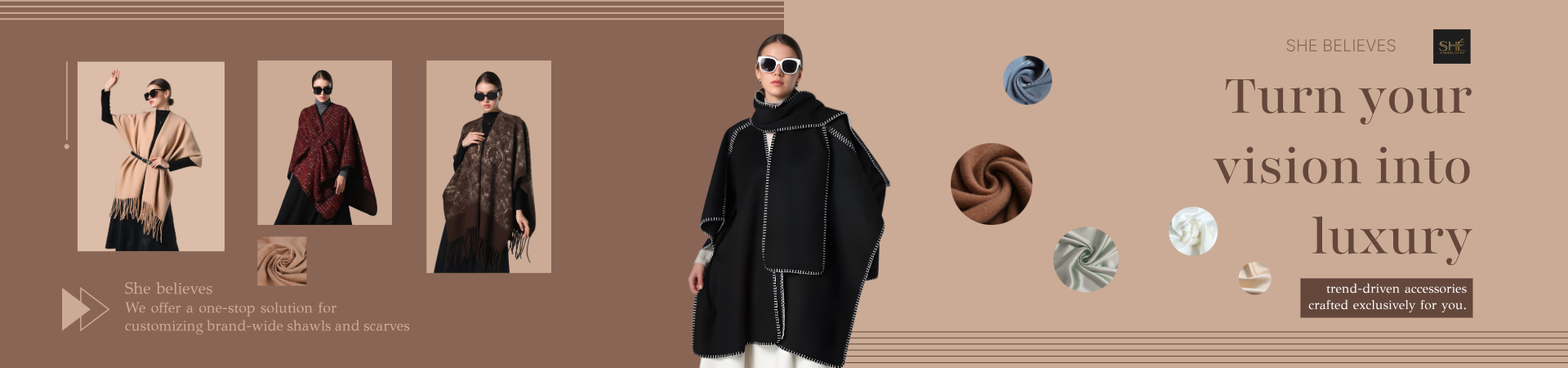
İnanıyor stands out as a solid ally in this expanding field. They run a full-control factory in China through Hangzhou Fonesun Textile Technology Co., Ltd. Custom luxury shawls and scarves form their main focus. Hand embroidered work shines as a strength. They manage the whole path—from rough sketches to packed and shipped goods. Many designs start with low minimums of just 15 pieces. Smaller brands test waters without heavy commitments.
They’ve pulled off memorable jobs. Think 300 custom embroidered scarves for a huge company’s yearly event. Speed matters—custom runs often wrap in 15-30 days. Quality stays priority with fabric proofs and checks. Retailers after the best embroidered shawls find their combo of top materials, fresh patterns, and dependable handling makes stocking simple. They shape buyer concepts into items that fly off shelves.
Sonuç
Hand embroidered shawls keep rising because they mix timeless skill with today’s wants: distinctiveness, solid make, and real purpose. Markets grow. Trends lean artisanal. These pieces present clear chances. Wholesalers who pick sources carefully and shops that spotlight the handwork reap benefits—better turnover, content buyers, inventory that holds value. The wave builds. Time to ride it.
Sık Sorulan Sorular
What makes hand embroidered shawls more popular than printed ones right now?
Buyers love the raised texture and one-of-a-kind feel. Each piece has subtle differences from handwork. That stands out in a world full of mass-produced items.
Are the best embroidered shawls worth the higher price point for resale?
Yes, often. They hold value better. Customers pay premiums for authenticity. Margins tend to beat plain scarves, especially in luxury or boutique settings.
How do hand embroidered shawls fit into current sustainability trends?
Many use natural or low-impact materials. Smaller production runs cut waste. The handmade aspect supports skilled artisans, which resonates with eco-conscious shoppers.
Can small boutiques start carrying hand embroidered shawls without huge orders?
Definitely. Suppliers offer low minimums now. Start with a handful of styles to test demand. Reorder what moves fastest.
Why are global fashion markets seeing more demand for these shawls in 2025 and beyond?
Versatility drives it. They layer easily, work across seasons, and add cultural flair. Plus, the market overall grows steadily—projected to double in the next decade—with artisanal pieces leading in premium segments.


