

Custom Silk Scarves for Boutique Brands: What to Check Before Ordering in Bulk
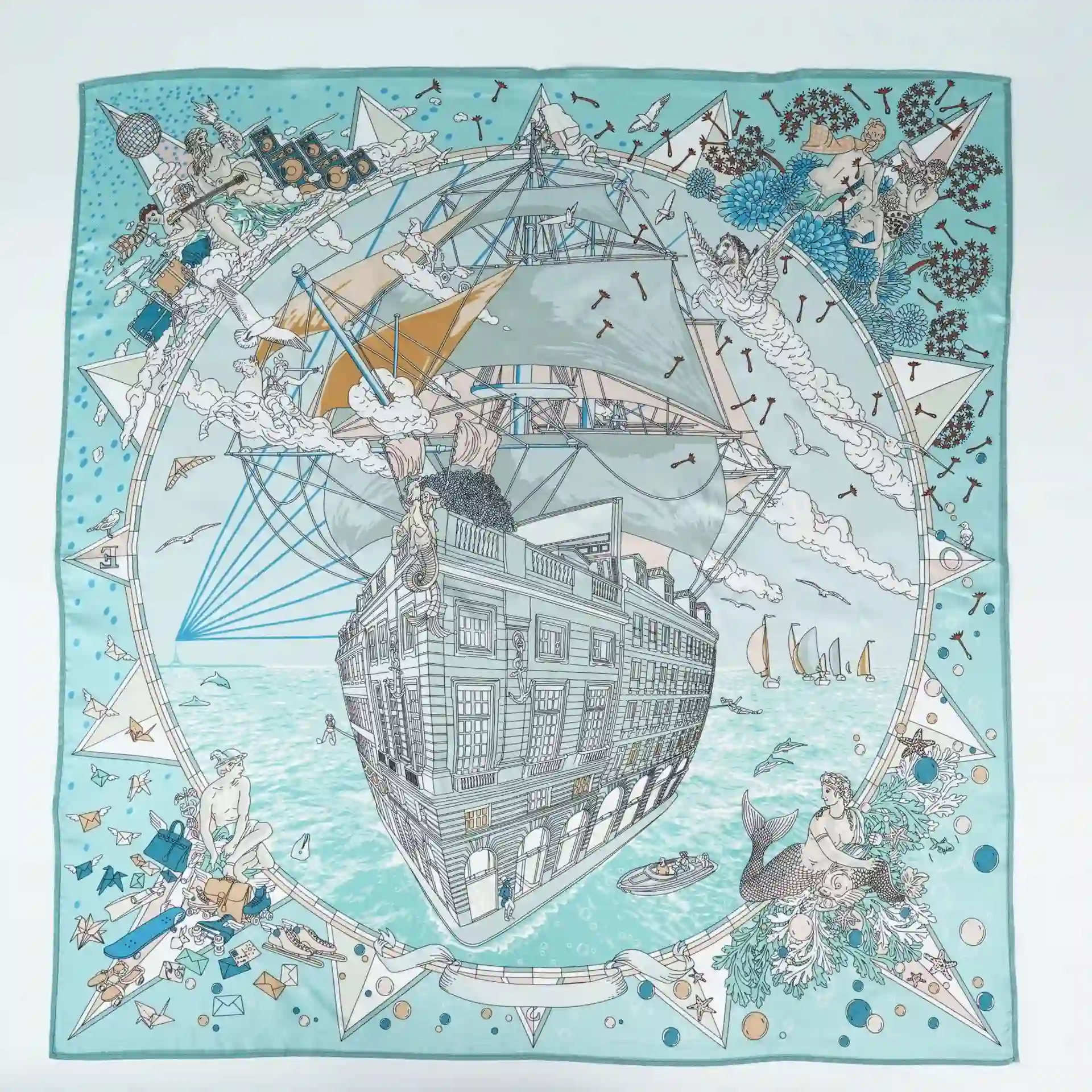 Boutique brands are embracing custom silk scarves as a core element of their brand identity. Not only are silk scarves a symbol of elegance and sophistication, they also are a representation of a brand’s values and sense of style. The ability to create custom silk scarves allows boutiques to pick a pattern, color palette and packaging that fits the identity of their customer. As the luxury accessory market continues to experience intense competition, boutiques are having to make strategic decisions regarding the ordering of silk scarves in bulk. The brand must weigh the quality of the product against the cost of the product as well as the production time to ensure that the ordering of silk scarves in bulk is done effectively in order to continue to offer silk scarves in all of silk scarves within their collections while managing their inventory effectively.
What Should Boutique Brands Look for in a Silk Scarf Manufacturer?
Boutique brands will want to carefully assess several factors of potential silk scarf manufacturers prior to entering into a partnership to ensure that their vision and business model are a good match.
Evaluating Manufacturer Expertise and Capabilities
A good silk scarf maker needs to know how to handle silk and other fine fabrics. When I look at past work with small brands or fashion labels, I see what work they have done. This shows if they can take design ideas and make real products. You need to see if the manufacturer can handle small artisan batches and big production runs too. This way, the brand can grow and still keep the same quality and delivery time.
Quality Control Standards and Certifications
You need to check the quality when you make high-end silk scarves. Boutique brands need to make sure the manufacturers have all the papers that show the fabric is safe, good, and made under fair conditions. When the color looks right and the stitches look neat, the finish looks clean. People notice luxury accessories more when small details stand out. When brands ask for pre-production samples, the brands can see the work quality before placing large orders. This step can help reduce the risk if the work has problems or if something does not match the design plans.
How Important Is Fabric Selection When Ordering Silk Scarves in Bulk?
Fabric plays a critical role in the appearance and feel of a silk scarf and also determines durability. The type of silk that you choose will reflect the brand positioning and customer expectations.
Exploring Different Types of Silk Fabrics
There are various types of silks each with their own characteristics, suited for different design requirements and price points.
Mulberry Silk
Renowned for its smooth texture and natural sheen Mulberry silk is ideal for a high-end boutique collection requiring a luxury finish. Its fine weave enhances the quality of print giving intricate design detail a crisp clear appearance on the fabric surface.
Habotai and Twill Silk
Habotai a lightweight fabric that can be used for casual or everyday use for scarves that require a lot of fluid drape. Twill silk on the other hand is a structured durable fabric due to its diagonal weave, it is best for designing patterned scarves that require stability in the fabric to ensure that the design stands up well.
Factors Affecting Fabric Choice in Bulk Orders
When purchasing in bulk, the weight of silk (momme) greatly affects the drape, feel and longevity of the fabric. Higher momme silks have a richer texture and are more expensive per unit. Also, different types of silk absorb dye at different rates, some better than others. This can affect the color of the printed design. Lastly, the season greatly affects the type of silk that is purchased. Lighter weight silks are great for spring/summer collections while heavier weight silks are great for cooler months.
What Design Considerations Should Be Finalized Before Production?
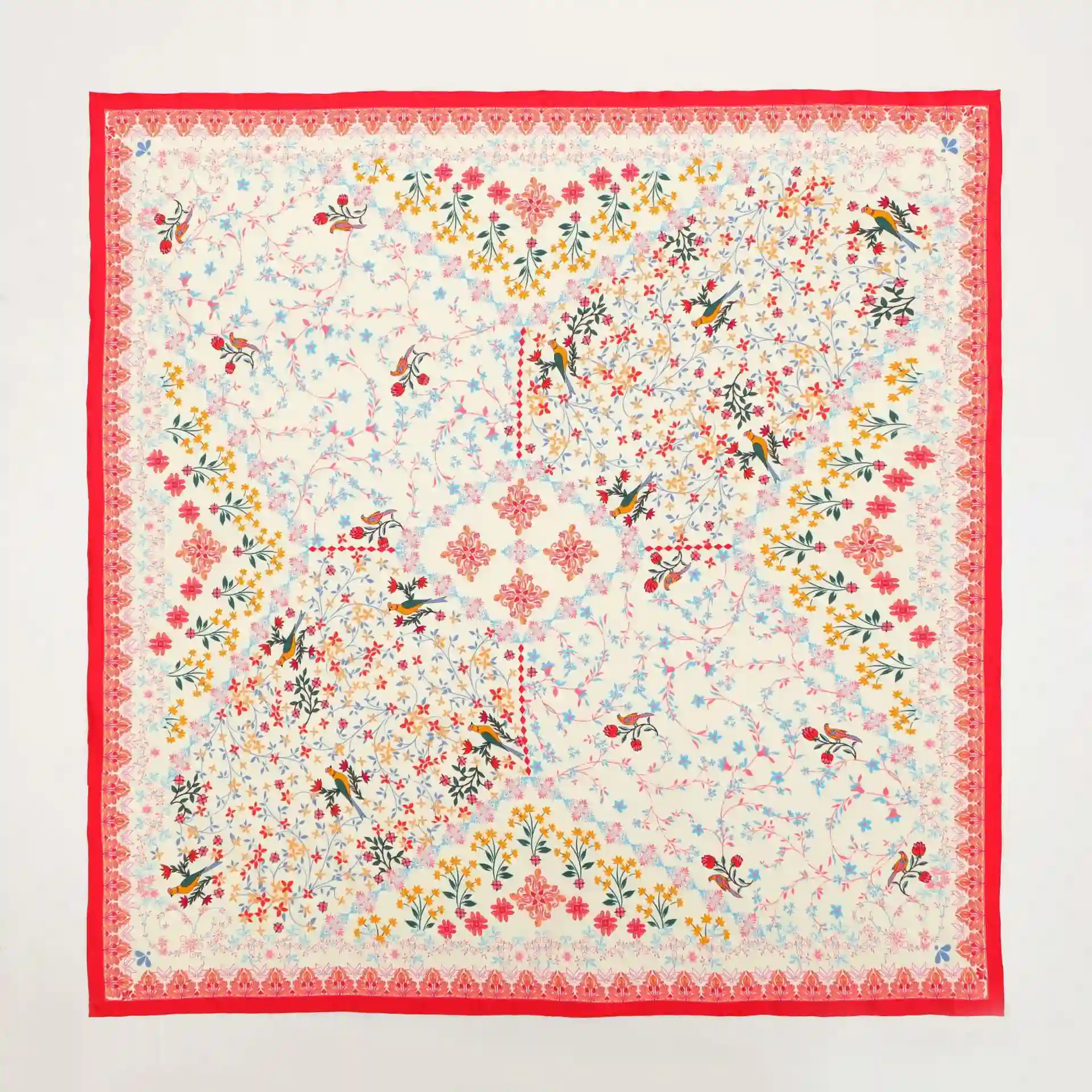 When the fabric selection is finished, the boutiques have to finalize the design details carefully so that the production proceeds without any problems.
Artwork Preparation and Color Management
When working with design files it is always best to prepare them in high resolution with the correct color profiles i.e. Pantone or CMYK to ensure that the designs look correct on the computer screen and then also on print. It is also beneficial to discuss the best printing method for the design, i.e. digital printing for intricate multicolored designs or screen printing for bold graphics. This allows for the design to look the best it possibly can and also allows for efficient production of large print runs.
Edge Finishing Options That Reflect Brand Identity
Edge finishing greatly affects how customers perceive the craftsmanship quality of a piece of furniture.
Hand-Rolled Edges vs Machine Stitching
Hand-rolled edges add a touch of sophistication, emphasizing the artisanal skill behind your product. These items however are usually created within a longer time frame, as they are very labor intensive. Machine stitching offers the uniformity that larger orders demand at a lower cost, and whilst it does not have the same hand finished charm as a hand stitched item it is still a neat finish and very suitable for more modern designs. Finishing of a leather item also highlights the brand and its values. A company with an heritage of quality handmade leather goods will choose hand-rolled edges, whereas a company that is looking to offer leather items at a more competitive price and with modern design will opt for machine stitching.
How Can Boutique Brands Manage Costs Without Compromising Quality?
When managing bulk production of scarves, it is a challenge to maintain high aesthetic value while keeping costs down.
Balancing Quantity Discounts with Inventory Risk
Purchasing larger quantities of products typically results in lower unit costs. However, in doing so, there are also many storage spaces that need to be reserved for inventory and also large amount of capital is locked up in case the products do not sell. In order for Boutique Brands to minimize their losses, they should investigate into the manufacturer’s re-order policy and also attempt to negotiate with them for partial shipments.
Negotiating Pricing and Payment Terms with Manufacturers
When boutiques talk with suppliers about how they set prices, both sides trust each other more. The quote should list the fabric costs, printing fees, packaging costs, and shipping charges. Make sure each cost is clear. You set payment steps for each part of the order. You pay a deposit after you approve the sample. You pay the rest when the order ships. This way, you lower the risk of losing money. Both sides remain responsible until the order is done.
What Logistics Factors Need Attention Before Placing a Bulk Scarf Order?
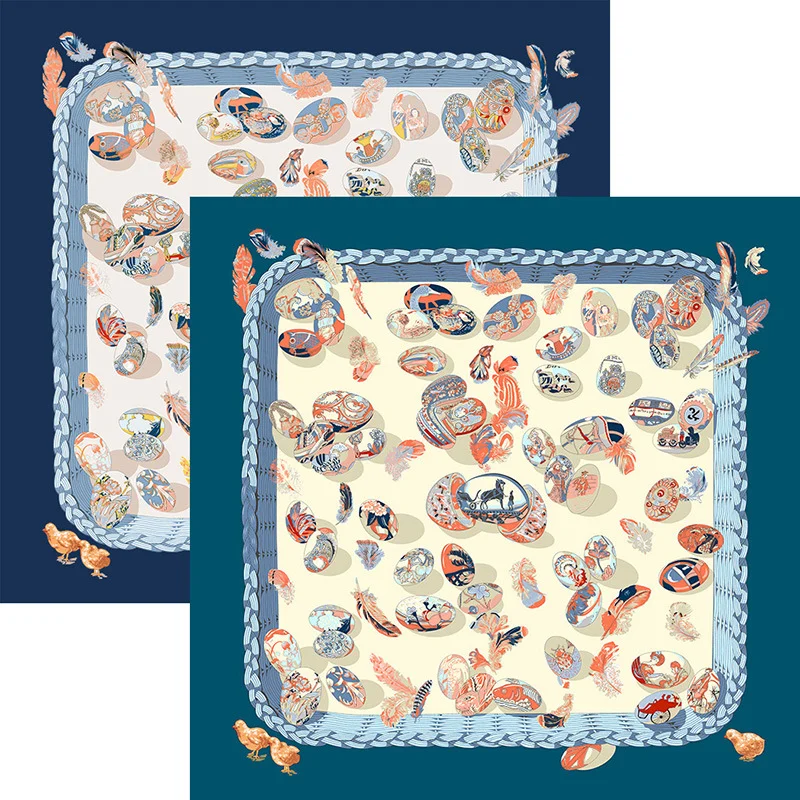 Efficient logistics planning is critical to the timely and high quality delivery of every batch of your custom silk scarves.
Production Timelines and Lead Times
Check the realistic time to produce samples and to deliver them after mass production has started. Additional time will be required for production to start in case of delays caused by external factors such as the time it takes to get supplies of fabric, or customs clearance. It is wise to include a buffer in the planned time for production to deal with unexpected problems, in order to avoid delays in the retail launch or of a seasonal campaign.
Packaging, Labeling, and Branding Details
The packaging looks like something from a small shop. When the customer looks at the packaging, the customer sees this look every time. When I see branded boxes or tissue paper or a ribbon tie, I feel something special when I open the box. Little things like these make the gift look good. The rules for labels like material tags and care instructions need to follow the laws in each market. This helps keep the product legal and makes the product look correct.
Why Partner with She Believes as a Reliable Scarf Supplier?
إنها تعتقد helps small brands make custom silk scarves. Many small brands pick She Believes to make silk scarves. The company works on the design. The company finds the right materials. The company handles the printing. The company adds the finishing touches. The company checks the quality. The company packs everything to fit what each client wants. They use silk from trusted mills. This silk feels soft and smooth to the touch. She Believes checks the quality at each step. She Believes tests the dye. She Believes checks the stitching. She Believes makes sure the work is right. She Believes does this even when She Believes makes many items at once. The team talks with me at each step. The team checks with me when I agree to an idea. The team talks with me before the shipment leaves. Boutiques looking for a trusted partner for the long run can choose She Believes. Many people from different countries trust She Believes as a good supplier.
استنتاج
If you choose a silk scarf maker who knows the work and brings new ideas, you get the same quality in each collection. When you use the right fabric, the item feels nice to touch. The way you finish the edges tells people that the brand is real. If you handle costs well and talk honestly with suppliers, you can keep profits steady. This will not lower the quality of the work. Careful checks on the logistics, like planning the lead times and making sure the labels follow the rules, help each bulk scarf order go well.
الأسئلة الشائعة
What is the typical minimum order quantity (MOQ) for custom silk scarves?
Most professional manufacturers set a MOQ of 50-200 pieces, depending on factors such as fabric type, print complexity and degree of customization required by boutique buyers.
How long does it take to produce bulk custom silk scarves?
Production usually takes around 3 to 6 weeks after you approve the sample. If the order is large or if printing needs more time, the process can take longer.
Can boutique brands request eco-friendly materials or dyes?
There are now many advanced scarf manufacturers who offer sustainably sourced silk, and environmentally friendly dyeing, to sell to eco boutique brands who are looking for a responsible source of their products.


