

How to Start a Scarf Brand in 2026: From Design to OEM Production
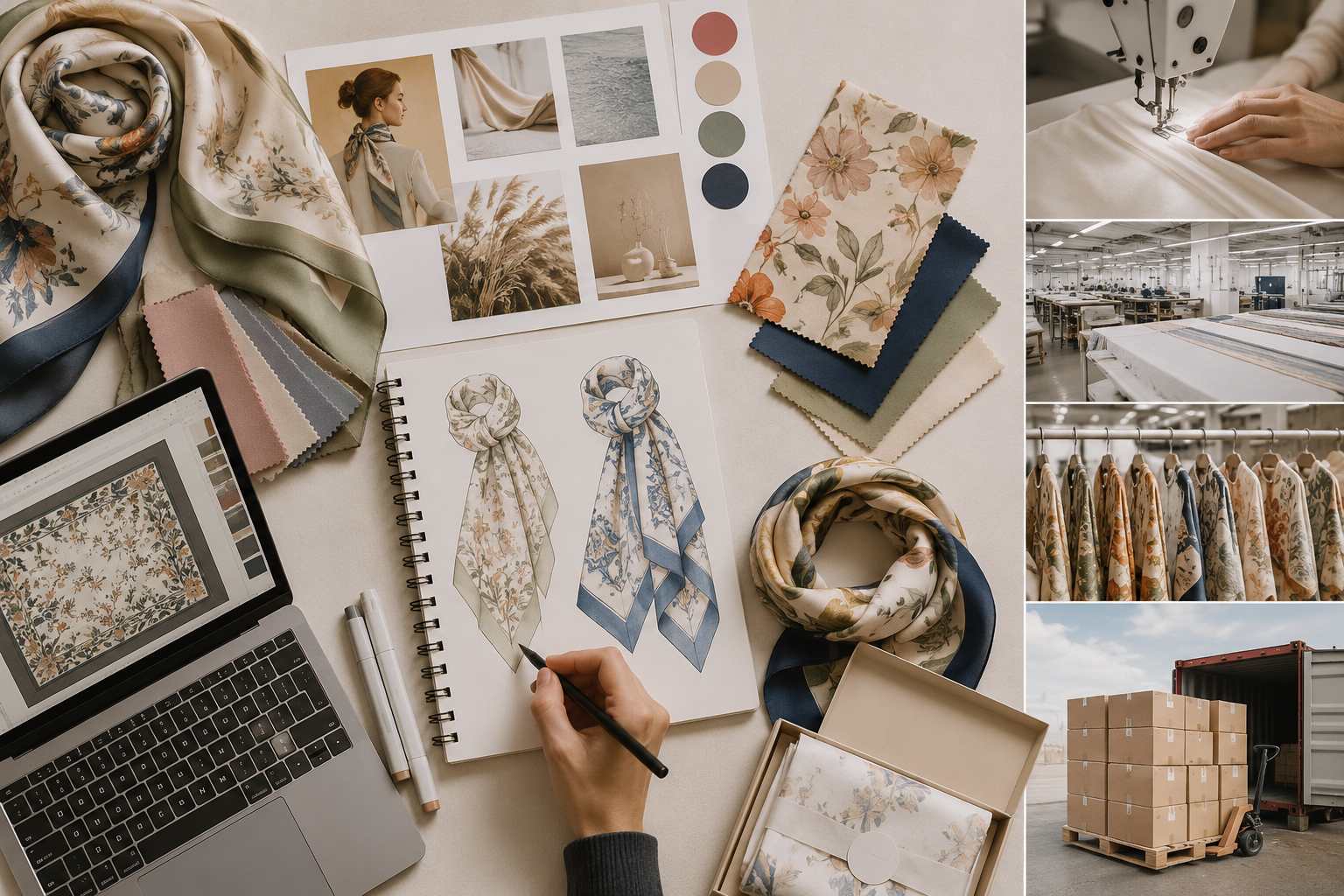
Launching a وشاح brand in 2026 is much more than just coming up with an idea. Understanding current trends in the field of textiles as well as sound supply chain management and the current customer are essential for entrepreneurs and designers alike. The global fashion accessories market will reach over USD 320 billion by 2026 (Statista, 2024). On this market, scarves have developed into a stable product group, which is due to their usage versatility as well as their seasonal changeability. Bringing a concept to life as an OEM product is crucial for sustainable business models of fashion brands. The cycle of fashion is getting faster and faster and new online distribution channels are influencing buying behavior. Therefore, the segment of scarves offers a wide field of potential for design innovation as well as for ethical production.
What Market Trends Will Shape the Scarf Industry in 2026?
The scarf market is continuing to develop. There is a desire for more meaningful products from consumers as well as more sustainable products.
Shifts in Consumer Preferences
Demand for sustainable fabrics such as organic cotton, bamboo silk, and recycled polyester continues to rise as eco-consciousness becomes mainstream. Younger buyers prioritize transparency—traceability of materials and ethical manufacturing influence purchase decisions more than ever before. Gender-neutral designs and multifunctional scarves are gaining traction as lifestyle accessories that serve both aesthetic and practical purposes, from travel wraps to convertible headwear.
Emerging Market Opportunities
The ability of brands of all sizes to tap into new global markets via online retail and social commerce in order to reach their own niche audiences is greater than ever before. New regions such as the rapidly developing online retail market of Southeast Asia and the burgeoning online retail market of the Middle East are hungry for the highest quality of premium fashion scarves, printed with traditional graphics and blended with the latest fashion trends. Collaborating with local traditional artisans or launching a limited edition range of products also allows brands to guarantee their authenticity whilst at the same time supporting local handcrafted skills and practices. The ethically conscious consumer will appreciate this approach above all others.
How Should You Develop a Distinctive Scarf Design Concept?
A clear creative direction is key to a successful scarf brand.
Identifying Your Brand Identity
Define the core story behind your brand—heritage, craftsmanship, or innovation—and communicate it consistently across all touchpoints. Align visual identity with target audience expectations through color psychology and pattern symbolism; for instance, muted earth tones often appeal to minimalist consumers, while bold prints attract trend-driven buyers.
Material Selection and Fabric Innovation
Make an educated decision about the fibers’ characteristics: Silk has the luxury look and feel with its high luster and smooth surface. Modal has a soft feel and is great for casual wear. Linen has excellent ventilation characteristics and is perfect for warm climates. Digital printing can be a great option for small runs, since it guarantees high quality prints with precise color. This way you can test out all the different designs and make sure that you don’t overstock with the wrong articles of clothing.
Prototype Development and Sampling Process
We work with our textile designers to make test swatches for a first test before we start mass production. We use small-batch sampling to fine-tune the textures, the drape and the finish of the fabrics. We get the feedback from the stylists or from the first customers and we fine-tune until we get the perfect quality for the item we are producing.
What Are the Key Steps in Building a Scarf Supply Chain?
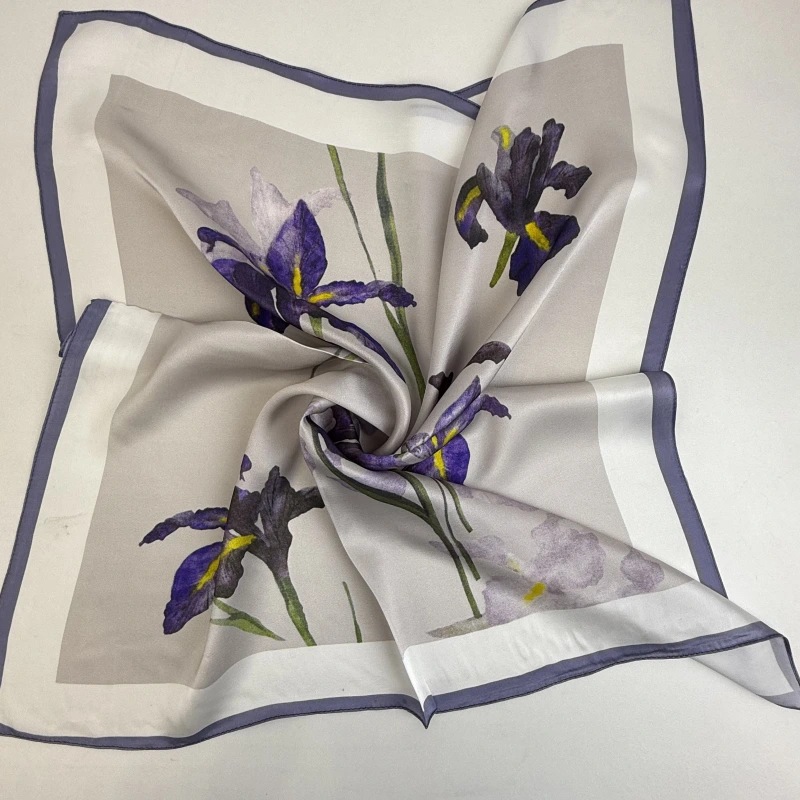
An efficient supply chain is critical to any scarf brand’s ability to scale up while maintaining consistency.
Choosing Between In-House Production and OEM Partnerships
In-house production offers control but demands significant capital investment in machinery and skilled labor. OEM partnerships reduce operational complexity while allowing you to retain design ownership—a practical route for brands focused on creativity rather than manufacturing logistics.
Evaluating Potential Scarf Manufacturers
Assess potential factories with criteria for min. order quantity, lead time, accepted quality certifications (e.g. ISO 9001 / OEKO-TEX Standard 100) as well as general communication skills. After initial talks, perform test runs to check for issues with sewing, print placement as well as finish of fabrics. Only then it is wise to sign up for long-term production.
Managing Quality Control and Logistics
In order to identify possible production defects at an early stage, our quality control checks should be carried out in several stages. Firstly the raw materials should be tested in terms of fiber quality, during the intermediate production stages random samples should be checked for possible production defects and the finished products should be subject to final audits in order to check if they have been produced in line with the specifications. Also, in order to organize the packaging of the products in the best way before shipping, the logistics should be organized from the very beginning. The packaging should be designed in line with sustainability policy and at the same time it should provide sufficient protection to fragile products made of delicate fabrics.
How Can You Build a Strong Brand Presence in a Competitive Market?
Once you’ve got production sorted, it’s time to develop a narrative and customer engagement strategy to lock in brand value.
Crafting a Compelling Brand Narrative
Showcase the craftsmanship stories and regional influences that form the basis of each of your collections. Use these stories to create a richer connection with your customers by sharing them across the site, in lookbooks and through inserts in packaging. As consumers are increasingly searching for meaning behind the things they buy, this will make your brand stand out from the rest.
Marketing Strategies That Drive ROI
Partnering collaborations, influencers, campagnes, public figures, data-driven platforming, Instagram and Pinterest. Limited services, monogrammed services, petite touches, enhanced encore, rare clients, premium clients chez toi.
Pricing Strategy and Profit Margins
Compete on price by analyzing competitor pricing in all markets and setting retail price to meet customer perceived value while maintaining adequate margin above production cost. A healthy margin would be at least 2x the cost to manufacture the product to maintain adequate margin while being competitive for the price sensitive consumer.
How Do You Transition From Small-Batch Production to OEM Manufacturing?
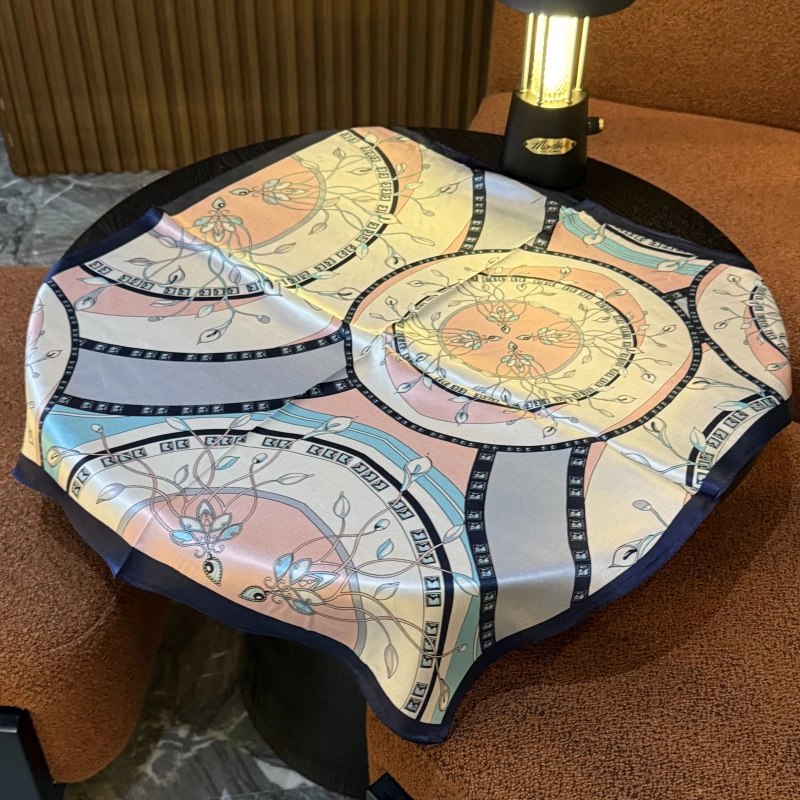
Scaling up is about delivering more of the same with greater volume and more consistency, which requires discipline and good partners who can translate creative ideas into reality.
Preparing for Scale-Up Production
We compile design details from development into a comprehensive tech pack containing information such as fabric, dimensions, stitching, labels and packaging details. We use sales from the initial production run to forecast demand accurately before going into large production and to avoid overstocking whilst meeting peak season delivery dates.
Collaborating Effectively With OEM Partners
Maintain transparent communication about timelines, revisions, and quality expectations throughout the process. Negotiate flexible contracts that allow adjustments as your brand evolves without locking into rigid MOQs or pricing terms—a critical safeguard during early growth stages when demand can fluctuate unpredictably.
Who Is She Believes and Why Is It Relevant Here?
Whereas many emerging brands of scarves now go for OEM agreements, for designers who value reliability above all and yet at the same time also enjoy great freedom in their design decisions, إنها تعتقد is now one of the suppliers recognized in this segment. The supplier for She Believes provides custom-made solutions, beginning with the sampling of digital prints and then on to the full range of manufacturing solutions that can be co-ordinated for the designer. Supplying high-quality products on a large scale while maintaining low prices is the core focus of She Believes’ collaborative development model. By fostering long-term relationships with designers and in the process avoiding ordering that is transactional in nature, new ways of supplier-designer collaboration can be developed. In this context, the supplier also supports the sustainable material concepts mentioned earlier in order to support designers in an equally suitable manner for both artistic and commercial purposes.
استنتاج
Creating a successful scarf brand in 2026 requires the delicate balance between art and commerce. When launching a brand, entrepreneurs need to create a clear and unique vision for their brand, find the right OEM to translate this into physical products and create a successful brand strategy, based on facts and figures about consumer preferences, eco-friendly materials, retail information and more. Establishing trust with potential customers by being transparent about where products are made and the story behind them can translate into customer loyalty that extends beyond the initial purchase. As the global market place continues to grow, brands that are able to create unique and high quality products, whilst executing all stages of production from a concept sketch to a shipped product, with precision and control, will be the most successful.
الأسئلة الشائعة
1. What is the typical minimum order quantity (MOQ) when working with an OEM scarf manufacturer?
We have seen typical MOQs of 100-500 pieces per design from various OEM manufacturers, taking into account the type of fabric and printing techniques used.
2. From design approval to delivery of finished scarves how long does it take?
Our average lead time for finished goods is between 45 to 90 days and includes time for sampling, production, quality control and shipping.
3. What materials are commonly used for premium scarves in 2026?
Premium scarves are primarily made from silk blends for luxury-quality products, while modal-silk blends are commonly used for mid-range products because they offer a good balance of comfort and durability.
4. How can small brands manage inventory risk when launching scarf products?
Small brands can reduce inventory risk by starting with limited production runs through small-batch manufacturers. Once consistent demand has been established, they can transition to larger inventory quantities by partnering with OEM manufacturers.
5. What are the key determinants of customer loyalty for new brands of scarves?
Repeat purchases by customers are driven by a combination of factors including consistent quality, the authentic story of the scarves’ materials or handcrafted nature, excellent customer service and clear pricing policy.


