

OEM vs ODM Scarf Manufacturing: Which Is Better for Your Brand?
The selection between OEM and ODM methods of making scarves is crucial for those brands who want to get into or enlarge their position in the scarf market. Such a choice will influence the pace of development, ability to control the design process, investments, and cooperation with the supplier. A fashion brand, which wants to create a private-label range of products, can have various needs in comparison with a retailer seeking ready-to-wear designs with slight changes. In order to select the manufacturing method, buyers need to take into account certain factors.
What is the difference between OEM and ODM scarf manufacturing?
The key difference between OEM and ODM manufacturing lies in who takes care of the product design process.
How OEM scarf manufacturing works?
In case of OEM (Original Equipment Manufacturing), the buyer provides the idea, specifications or design requirements, and the manufacturer produces the scarf accordingly.
The OEM manufacture is beneficial for the brand having certain ideas, patterns, preferences about fabrics or other details. For example, buyers usually have control over the material used, sizes of the product, printing technique, color palette, labelling, and packaging.
Still, there are some extra efforts required in advance since the buyer should prepare the design files, technical information and samples to start the production process.
How ODM scarf manufacturing works?
As for ODM (Original Design Manufacturing), the buyer chooses from the available designs or product concepts offered by the supplier and makes necessary modifications according to his needs.
The main advantage of ODM scarf manufacturing for a brand is the fact that an experienced supplier has certain knowledge about the best combination of fabrics, pattern and production techniques. The supplier can help you in launching your product quicker on the market.
Which scarf manufacturing model is better for different brands?
There is no single answer because the suitable model depends on the buyer’s goals.
When is OEM scarf manufacturing a better choice?
OEM is often considered when a brand wants stronger control over product identity.
For example, a fashion company with its own design team may already know the required fabric, artwork, color system, and market positioning. In this situation, an OEM scarf manufacturer can turn the brand’s concept into a finished product.
The main advantages include:
- More control over design details;
- Better support for private label products;
- More flexibility in material and packaging choices;
- Easier development of unique collections.
The trade-off is that OEM projects usually require more communication and development time.
When is ODM scarf manufacturing more practical?
ODM can be suitable for buyers who need faster product development or have limited design resources.
A supplier with existing scarf designs can help reduce early development work. Buyers can select suitable styles and adjust elements such as colors, sizes, fabrics, or branding details.
This approach may be practical for seasonal collections, retail businesses, and companies testing new markets.
How should buyers compare scarf materials and production options?
The manufacturing model is only one part of the decision. Product quality depends heavily on material selection and production details.
Which fabric factors should buyers review?
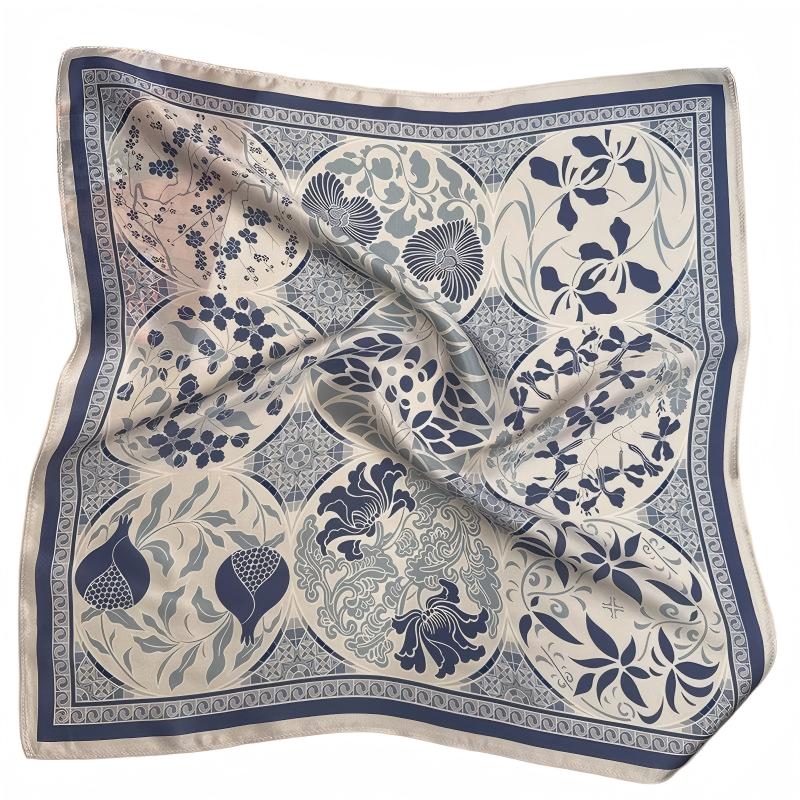
Scarf materials influence appearance, comfort, pricing, and target customers. Common options include cotton, polyester, silk, viscose, wool, and blended fabrics.
During sourcing, buyers usually check:
|
Item |
Por qué importa |
|
Fiber content |
Affects feel, durability, and care requirements |
|
Fabric weight |
Influences thickness and seasonal use |
|
Weaving or knitting method |
Changes texture and appearance |
|
Printing or dye process |
Affects color quality and consistency |
|
Size and finishing |
Influences product presentation |
A lightweight scarf for spring collections may require different material choices from a winter shawl designed for warmth.
Why are samples important before bulk production?
Photos and descriptions cannot show every detail of a scarf. The hand feel, color accuracy, fabric softness, and finishing quality are easier to evaluate through physical samples.
Many buyers review samples before confirming large orders because small differences in fabric or production settings can affect the final collection.
What should brands check before choosing a scarf manufacturer?
Supplier selection can influence product consistency, communication efficiency, and delivery reliability.
Which supplier capabilities should buyers evaluate?
Before cooperation, brands usually review:
- Fabric sourcing ability;
- Customization options;
- Sample development process;
- Production communication;
- Quality inspection;
- Packaging requirements;
- Lead time.
A supplier that can explain production limitations clearly may be easier to work with than one that only focuses on accepting orders.
What influence does MOQ and customization have on buying process?
MOQ is one of the critical issues, particularly for small brand names.
OEM orders which include special prints, fabric materials, or packaging will probably need larger MOQ due to additional stages involved in the production process.
It is easier to choose ODM because it allows some reduction of development process thanks to available samples.
Everything will depend on the buyer’s strategy, budget, and market reactions.
How can brands balance cost, customization, and delivery time?
Scarf manufacturing involves several decisions where buyers need to consider trade-offs.
Does a lower price always mean a better choice?
A lower production price may come from different materials, simpler finishing, or reduced customization options.
For brands, the goal is usually not the lowest possible cost but a product that matches customer expectations while maintaining reasonable margins.
How can buyers reduce development risks?
A practical approach is to confirm important details before production:
- Final sample approval;
- Fabric composition;
- Color references;
- Packaging requirements;
- Delivery schedule;
- Inspection standards.
Clear communication at the beginning can prevent changes after manufacturing starts.
How can She Believes support scarf customization projects?
Ella cree supports customers with scarf and shawl manufacturing solutions, including customized product development and private label requirements. The company can assist buyers with fabric selection, design adjustment, sample development, and production coordination based on different market needs. For brands choosing between OEM and ODM models, supplier communication and product development support are important parts of the decision process. Buyers should still compare product specifications, customization ability, pricing, delivery terms, and service expectations before selecting a manufacturing partner.
Conclusión
Both the OEM and ODM scarf manufacturing methods present viable solutions for the brand venturing into the scarf industry. OEM allows more flexibility in terms of designing unique items, whereas the ODM method can prove useful in saving time and in making the product development process less complicated. Making the right choice will depend on various factors including the objectives of the brand, customization requirements, budget, and other production-related issues.
Preguntas frecuentes
1. What is the difference between OEM and ODM scarf manufacturing?
OEM focuses on producing according to the buyer’s designs and specifications, while ODM allows buyers to use supplier-developed designs with possible adjustments.
2. Which is better for a new scarf brand, OEM or ODM?
ODM may be suitable for new brands that need faster product development, while OEM may work better for brands with clear design concepts and stronger customization needs.
3. What should buyers check when selecting an OEM scarf manufacturer?
Buyers should review fabric options, customization ability, sample process, production quality, communication, and delivery arrangements.
4. How much customization is possible with ODM scarf suppliers?
Customization depends on the supplier. Common adjustments may include colors, labels, packaging, sizes, and selected materials.
5. What types of fabric are normally used for making scarves?
There are several common fabrics used for making scarves like cotton, polyester, silk, viscose, wool, and blends of these.


