

How to Build a Private Label Silk Scarf Line — From Paisley Colorways to Embroidered Logo Boxes
Launching your own private label silk scarf line might seem like a major undertaking when you are just beginning. You desire patterns that catch the eye. Yet, you do not wish to merge with the common items available everywhere. The positive aspect is that a dependable OEM/ODM method simplifies things greatly. This holds true even for emerging brands or distributors who possess established sales routes but require distinctive items.
Numerous accessory collections originated exactly where you stand today. They sought original motifs, steady excellence, and wrapping that offers a delightful surprise right upon opening. Below, you will find a practical breakdown of the entire procedure.
Starting with Design and Color Direction
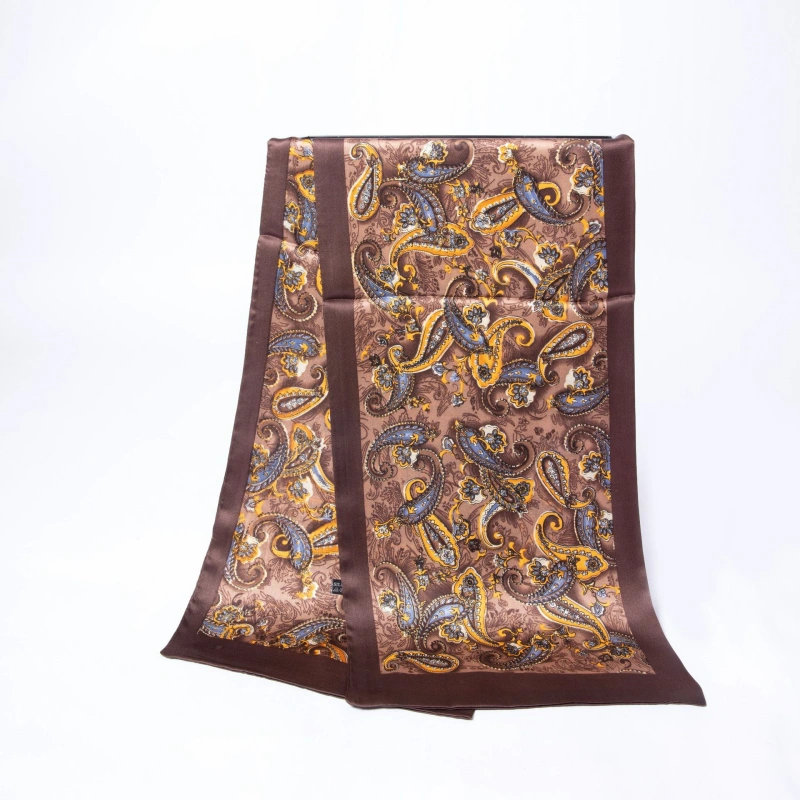
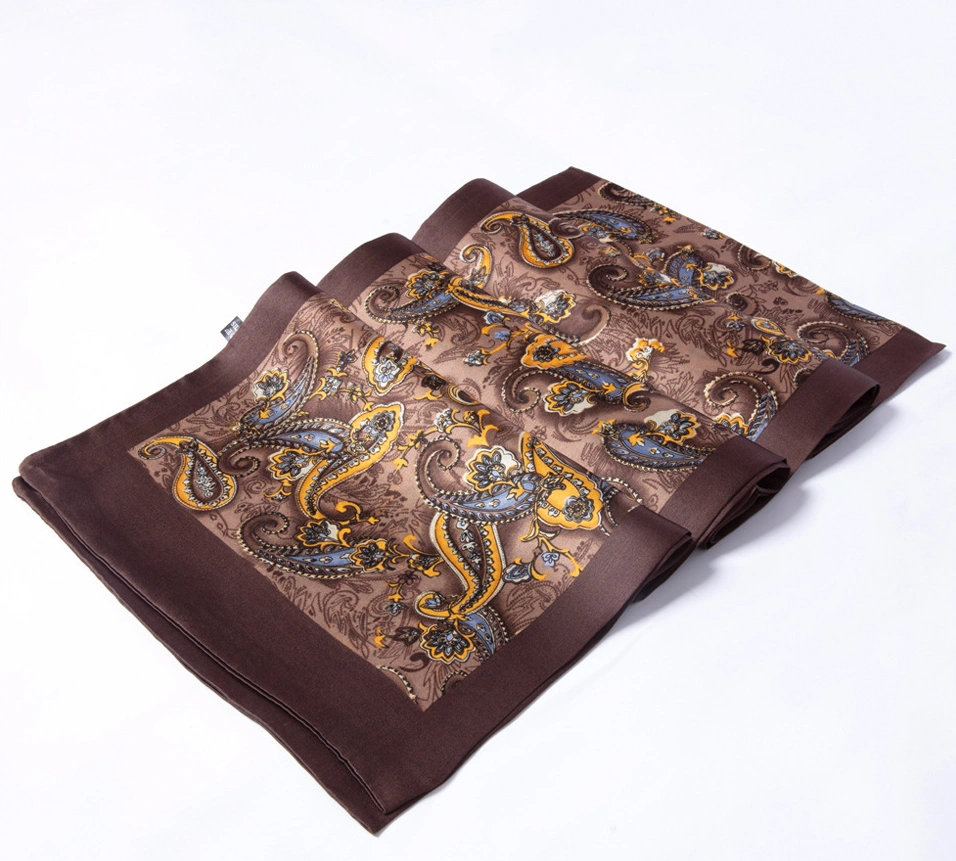
The core of any robust スカーフ assortment begins with the motif and hue narrative. Traditional paisley continues to perform strongly, particularly in men’s items. However, wise companies avoid clinging solely to the outdated brown-dominated style.
You have the option to adjust the color scheme in subtle ways that appear innovative. For instance, you could move the primary shades to richer Prussian blue. This creates a crisper, more contemporary evening appearance. Alternatively, you might embrace cozy cognac and grounded mustard tones. These pair effectively with relaxed attire and professional ensembles alike. Such minor shifts allow your assortment to seem timely. At the same time, they preserve the recognizable paisley motif that buyers already favor.
Typically, purchasers initiate with six to eight fundamental patterns. They evaluate these across various age ranges and cost levels. One company I am familiar with commenced with conventional paisley. Then, it developed three refreshed color options. The updated editions moved almost double as quickly during their initial period. This occurred because they appeared novel without sacrificing the timeless charm.
Choosing the Right Logo and Branding Placement
The position of your logo conveys much about the image you aim to project for your brand. Here are the choices that most companies evaluate:
-
Embroidered logo: Provides a pleasant textured, luxurious element. It is generally located at the corner or border.
-
Woven label: Neat and subtle. It is frequently attached at the edge.
-
Printed label: More economical and suitable for intricate patterns.
-
Neck label: Straightforward and useful when you prefer the primary scarf surface to remain unadorned.
Several companies merge two techniques. For example, they add a tiny embroidered symbol along with a woven tag within the wrapping. This combined strategy renders the scarf more considerate. It elevates its apparent worth without significantly increasing expenses.
Packaging That Creates a Premium Unboxing Experience
In today’s market, the container holds nearly equal importance to the scarf. This is particularly relevant for buyers younger than 30. They value how unique the item seems. They also consider if it merits preservation over time.
A full wrapping ensemble generally comprises:
-
A gentle-touch presentation box featuring a magnetic latch
-
An environmentally conscious tag that shares your brand’s background
-
An individual water-resistant pouch to safeguard the silk amid transport and safekeeping
-
Tissue sheets or a basic ribbon for that additional flair
One fresh men’s accessory company experimented with two editions of an identical scarf. The version enclosed in the superior presentation box achieved about 40 percent higher sales online. It also received more feedback regarding its upscale sensation. Buyers mentioned that the wrapping increased their inclination to retain the scarf or present it as a present.
From Sample to Mass Production — The Full Timeline
Below is the standard schedule for most companies:
-
Concept & Design Approval (1–2 weeks) You provide your inspiration board, shade examples, and logo documents.
-
Sampling Round (2–3 weeks) You get tangible prototypes in your selected material, dimensions, and motif. Most providers permit two to three cycles of modifications.
-
Pre-Production Check (1 week) You endorse the ultimate prototype and confirm every aspect.
-
Bulk Production (4–6 weeks) Usual timeframe for silk scarves in moderate volumes.
-
Quality Inspection & Shipping (1–2 weeks) Independent review if required, followed by transport via ocean or plane to the US, Europe, Middle East, or Australia.
From the initial discussion to items reaching your storage facility, the complete journey often spans 10 to 14 weeks. Companies that organize their seasonal releases four to five months in advance seldom encounter expedited charges or setbacks.
Fabric and Quality Specifications That Matter
To achieve a genuine high-end texture, most private label assortments select 100% mulberry silk with at least 12–14 momme thickness. This density falls gracefully and maintains motifs with precise clarity. Lighter silk may seem overly airy and inexpensive when handled.
Motif methods also influence the outcome. Digital printing delivers the sharpest shade alignment for elaborate paisley designs. Screen printing suits basic patterns effectively. Moreover, it can occasionally reduce expenses for extremely large batches.
Building Your Product Mix and Pricing Strategy
A prudent initial assortment often encompasses:
-
Six to eight essential patterns in two to three shade variations each
-
Two dimensions: regular 90x90cm and extended versions for men
-
Bulk pricing that provides margin for shop sales at $35–$65
Many companies start with a distribution-oriented assortment. Later, they incorporate restricted releases for their personal web shop. This method enables market evaluation without committing excessive stock initially.
Introducing Shebelieves as Your Scarf Supplier
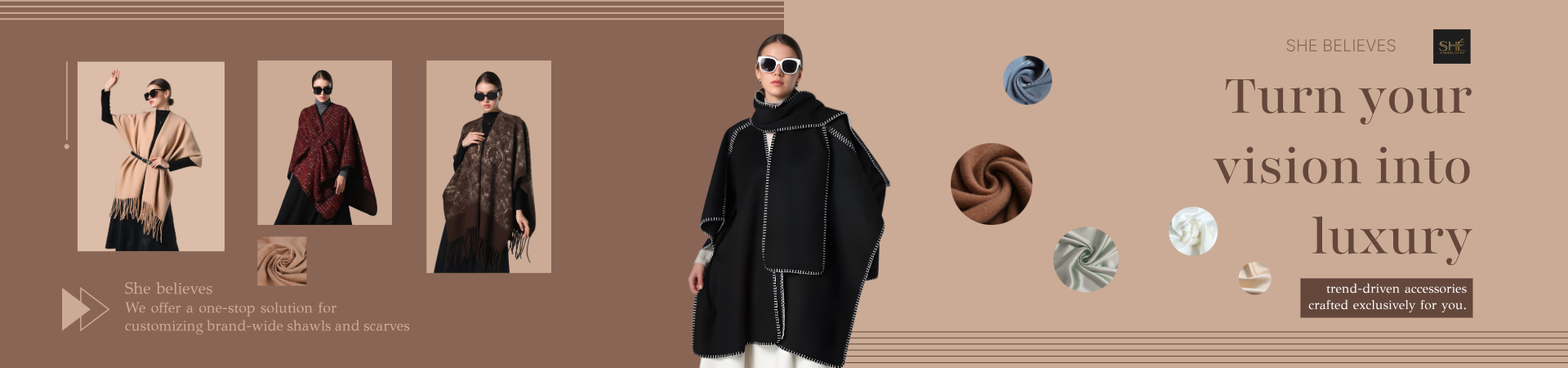
Countless expanding companies seek a trustworthy collaborator who manages the entire path from concept to completed presentation box. Shebelieves serves as a committed shawl provider with substantial background in スカーフ manufacturing. They assist with all aspects, from minor paisley motif refinements to thorough tailored wrapping options.
The firm delivers comprehensive OEM and ODM support. This includes embroidered logos, personalized tags, and upscale presentation boxes. Such a holistic method aids companies in departing from ordinary silk scarves. It enables the creation of a unique presence in challenging arenas like the US, UK, and Europe. Their adaptable manufacturing minimizes the risk of design overlaps with widespread retail goods. At the same time, it maintains sensible turnaround times.
結論
Developing a thriving private label silk scarf line boils down to wise decisions throughout each phase. This ranges from shade creation and logo positioning to wrapping that conveys a sense of deliberate craftsmanship. When you oversee these elements, you progress beyond merely offering scarves. Instead, you establish a notable accessory brand with its own character.
Companies that allocate resources to superior silk, careful personalization, and appealing presentation typically observe improved sales rates. They also experience greater buyer allegiance. The procedure demands certain preparation. However, the outcome is an item range that genuinely reflects your vision. It distinguishes itself amid a busy marketplace.
FAQについて
How long does it take to develop a private label silk scarf collection from start to finish?
Most companies complete the entire procedure in 10 to 14 weeks. This timeframe includes design endorsement, prototyping, manufacturing, and transport. Beginning promptly assists in evading additional haste costs. It also allows sufficient opportunity for thorough evaluation.
What’s the minimum order quantity for a custom silk scarf line?
Numerous providers accept initial volumes from 100 to 300 units per pattern. This renders it feasible for budding companies or those assessing particular styles prior to expansion.
How does custom packaging affect the perceived value of a silk scarf?
Attractive presentation boxes and considerate elements like branded tags create a substantial impact. Younger buyers particularly appreciate wrapping that appears purposeful. Many indicate that it heightens their willingness to retain or offer the scarf as a gift.
Can I create exclusive paisley designs that won’t look like everything else on the market?
Absolutely. Collaborating with a seasoned provider permits adjustments to foundational shades, motif proportions, and distinctive additions. This ensures your スカーフ assortment appears innovative. It also decreases the possibility of direct pattern matches with major sellers.
Is embroidered logo neckwear worth the extra cost?
For most companies targeting mid-to-upper market levels, indeed. Embroidery introduces a satisfying textured, superior sensation that printed tags cannot replicate. Buyers observe the nuance. Consequently, it fosters enhanced brand awareness as time progresses.


