

MOQ vs Production Capacity: What Wholesale Scarf Buyers Should Know
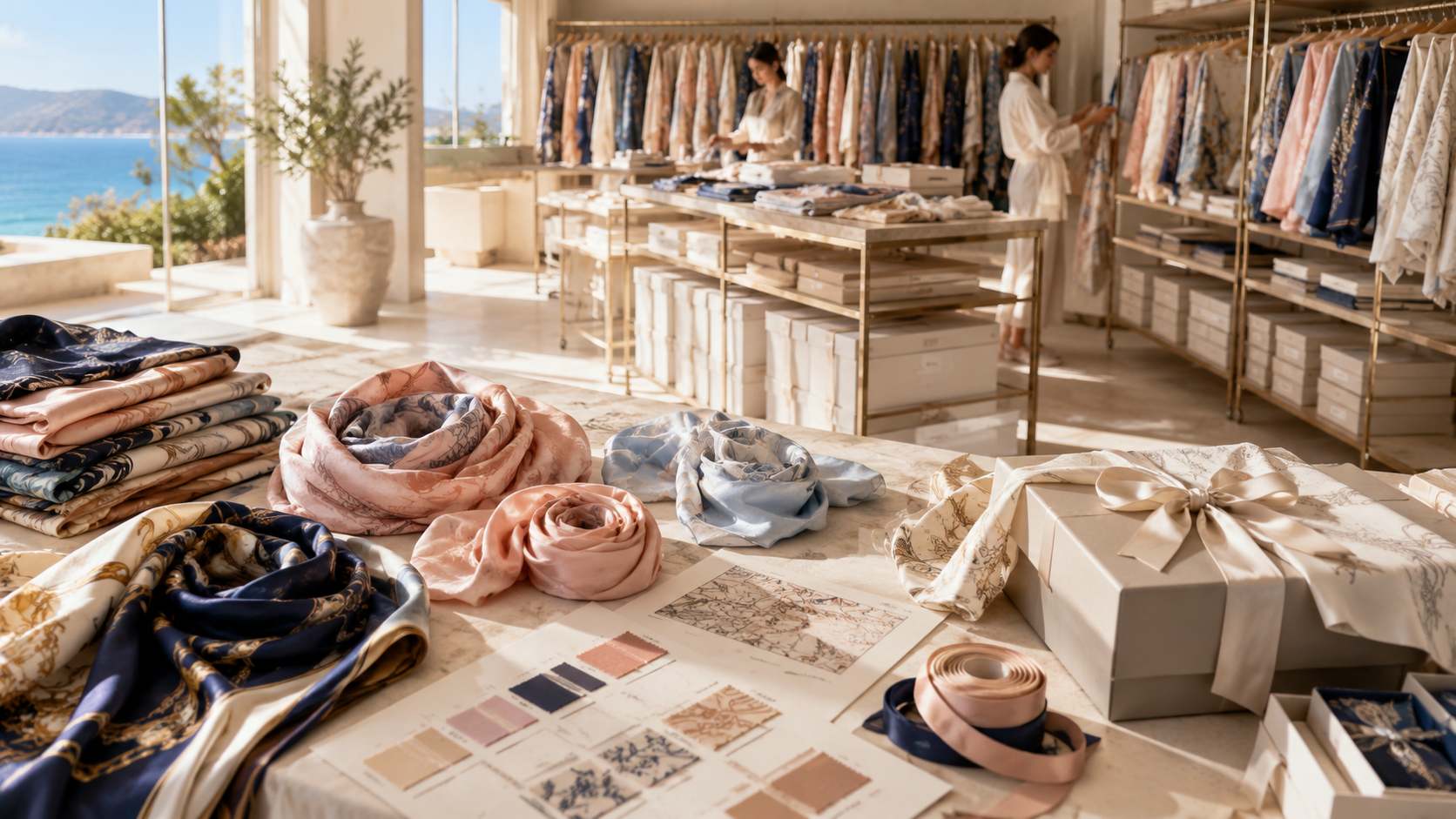
A supplier may accept a small opening order and still struggle with a large seasonal repeat. Another factory may have ample machinery but refuse low-volume colorways because printing, hemming, labels, and packaging each carry their own setup costs. That is why wholesale scarf buyers should separate MOQ from production capacity. MOQ explains the smallest commercially workable order; capacity describes how much the supplier can produce within a defined period. Neither figure is useful without knowing how fabric, artwork, colorways, finishing, inspection, and subcontracted processes affect the schedule.
Why Are MOQ and Production Capacity Not the Same Thing?
MOQ and production capacity answer different purchasing questions. MOQ tells the buyer where an order becomes economically practical. Capacity indicates whether the supplier can complete the approved order on time without losing process control.
What Usually Creates the MOQ for a Scarf Order?
The finished-scarf quantity is often not the true constraint. Fabric preparation, printing setup, custom colors, labels, gift boxes, and special finishing may each have separate minimums. The highest of those minimums can determine the commercial order quantity.
Consider a collection with one print in six colors. The supplier may accept the overall volume, yet each colorway may fall below the practical printing or dyeing quantity. Buyers should ask whether the stated MOQ applies per design, per color, per size, per fabric, or across the entire purchase order.
Why Can a Large Factory Still Have a High MOQ?
More equipment does not remove setup time. A production line still has to prepare screens or digital files, adjust color, load fabric, approve the first output, change thread, and reset packing materials.
A factory may prefer larger runs because short batches interrupt longer programs and create more leftover material. A high MOQ can reflect process economics rather than lack of flexibility. The useful question is whether the supplier can explain which operation drives it.
How Should Buyers Read a Supplier’s Capacity Claim?
“Monthly capacity” is often presented as one large number. That number may describe basic sewing output under ideal conditions, not finished scarves with custom printing, rolled hems, inspection, labels, and individual boxes.
Which Process Is Most Likely to Become the Bottleneck?
The slowest required process controls the shipment date. Printing may be quick while hand rolling is limited. Machine hemming may be fast, but color approval or washing may hold the order. Gift-box assembly can also become a bottleneck during holiday production.
Ask for capacity by operation rather than one total. Relevant areas include fabric preparation, printing, fixation, washing, drying, cutting, hemming, inspection, pressing, labeling, and packing. The answer reveals where overtime or subcontracting may be needed.
Does Available Capacity Change During Peak Season?
Yes. Scarf production often competes with other textile and accessory orders for printing, sewing, finishing, and packing time. A capacity figure quoted in a quiet month may not apply before major retail seasons.
Buyers should ask how much capacity is already committed during the planned production window. A realistic schedule should show material booking, pre-production approval, bulk production, inspection, and packing—not only the number of sewing days.
How Do Designs, Colorways, and Materials Affect Order Planning?
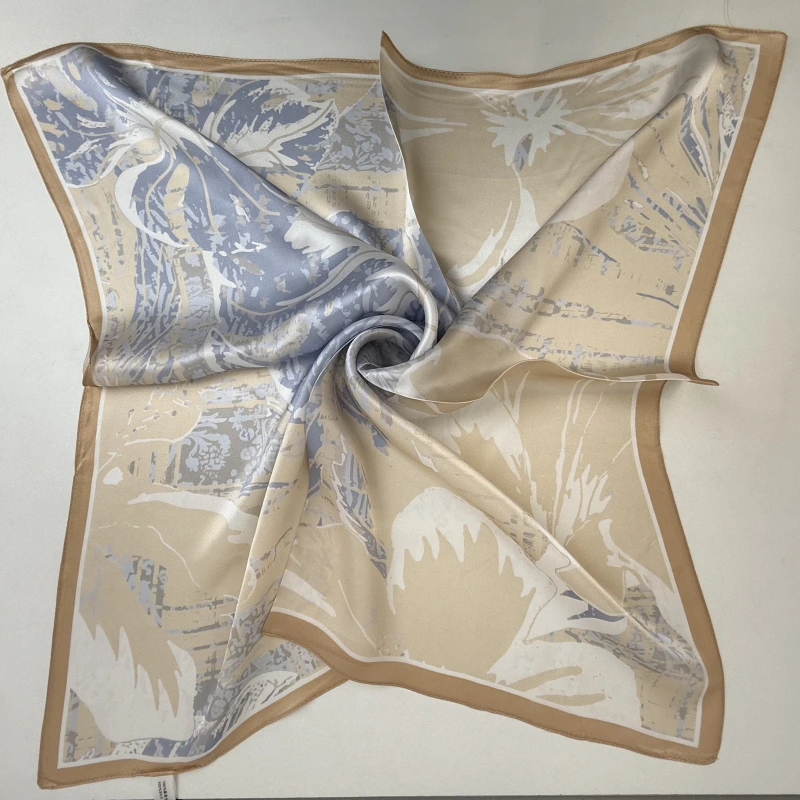
Two orders with the same total quantity can place very different demands on the factory. One design in one color is simpler than twenty small colorways spread across several fabrics and packaging formats.
Why Do More SKUs Reduce Practical Capacity?
Every SKU creates handling work. Fabric must be separated, artwork identified, colors checked, labels matched, quantities counted, and cartons marked correctly. Frequent changeovers also reduce productive machine time.
A buyer ordering 5,000 scarves may assume the factory sees one medium-sized program. The supplier may see fifty short runs of 100 pieces, each with its own approval and packing risk. SKU structure should therefore be discussed before price and lead time are finalized.
Which Material Choices Affect Scheduling Most?
Stock fabric can shorten procurement, while custom-woven silk, special blends, or uncommon weights may need separate production. Printing method matters as well. Digital printing handles complex artwork and small color runs differently from screen printing.
Finishing adds further variation. Hand-rolled hems require more skilled labor than standard machine hems. Washing, softening, steaming, and pressing also need time between printing and packing. A technically simple scarf can still have a long lead time if the selected finish is labor-intensive.
What Should Buyers Verify Before Accepting MOQ and Lead Time?
A quotation should show how the supplier reached its quantity and schedule. When MOQ and delivery dates appear without assumptions, disagreements usually surface after sampling.
Which Questions Should Be Asked During Quotation?
Request MOQ by design, colorway, fabric, hem method, label, and packaging type. Confirm whether leftover custom fabric or cartons must be purchased. Ask how quantities are handled when actual fabric yield produces a small overrun or shortage.
For capacity, request the planned production window, expected daily or weekly output, peak-season limitations, and the processes completed outside the main factory. These details make it easier to judge whether the promised date is achievable.
How Can a Pilot Order Expose Capacity Risk?
A pilot order reveals more than sample quality. It shows how accurately the supplier books material, communicates artwork changes, manages color approval, controls dimensions, and closes inspection issues.
Track where delays actually occur. If the scarf body is completed quickly but labels or boxes arrive late, increasing sewing capacity will not solve the problem. The next order should address the real constraint instead of simply adding more calendar time.
How Can Buyers Protect Quality When Volume Increases?
Scaling production changes the risk profile. More fabric lots, additional operators, longer printing runs, and subcontracted work can introduce variation that was absent from the first order.
Which Specifications Must Be Locked Before Scaling?
The approved file should state fiber composition, weave, weight, size, artwork, color references, print method, hem construction, thread, finishing, labels, folding, packaging, and tolerances. A signed production sample should accompany the written specification.
Capacity expansion should not quietly change the product. If a second sewing unit, another printer, or an alternate fabric source is introduced, the supplier should obtain approval before using it for the order.
What Should Inspection Cover During a Large Run?
Inspection should follow production in stages rather than wait for final packing. Early checks can catch shade drift, print misalignment, uneven hems, dimensional changes, or incorrect labels before thousands of pieces are completed.
Lot separation is equally important. Finished scarves should remain traceable to fabric, printing, finishing, and packing batches. That makes corrective action possible without rejecting an entire shipment when the issue is limited to one run.
How Can a Silk Scarf Supplier Support Wholesale Order Planning?
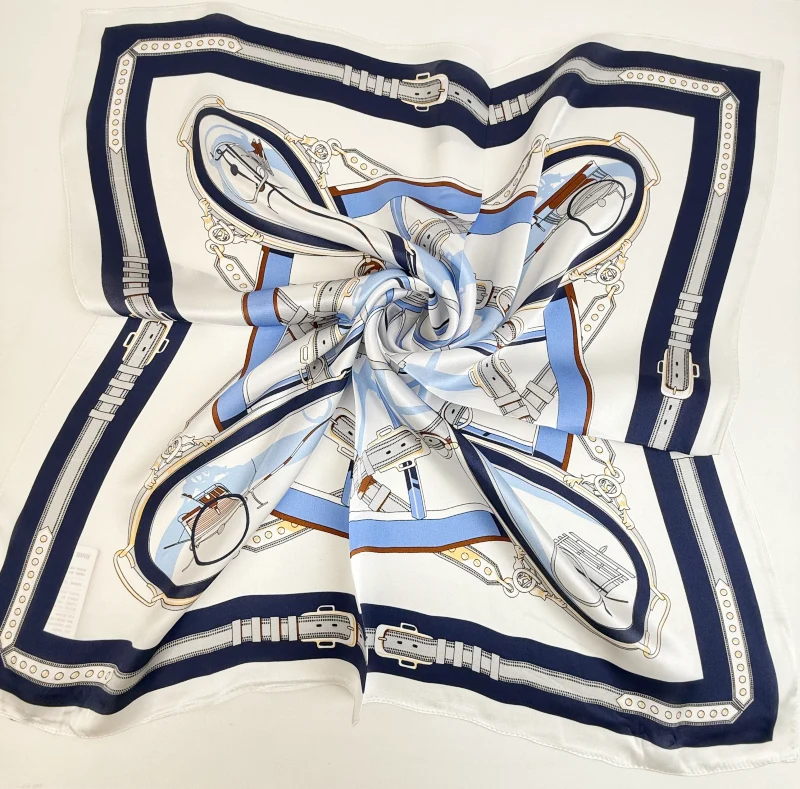
彼女は信じる supplies silk scarves for wholesale, private-label, retail, and custom design programs. A buyer can provide the intended fabric, sizes, artwork count, colorways, hem method, labels, packaging, order quantity, and delivery window. Project review can then separate MOQ by material, design, color, and packaging while identifying practical capacity limits across printing, finishing, sewing, inspection, and packing. Before bulk production, both parties should approve production samples, color references, measurable tolerances, carton details, and the delivery schedule. For repeat programs, retained samples, batch identification, capacity booking, and written change-notification procedures help keep later orders aligned with the approved specification.
結論
MOQ vs production capacity is not a price discussion alone. MOQ reflects setup, material, and component economics, while capacity depends on the slowest process in the approved scarf construction. Wholesale buyers should examine SKU count, fabric sourcing, printing, hemming, finishing, inspection, and packaging before accepting a delivery promise. A supplier that explains those constraints clearly is easier to plan with, especially when seasonal demand increases or repeat orders require consistent quality.
FAQについて
1. What Is the Difference Between MOQ and Production Capacity?
MOQ is the smallest commercially workable order, while production capacity is the amount a supplier can complete within a defined period. They are related but measure different constraints.
2. Does a Lower Scarf MOQ Mean the Supplier Has More Capacity?
No. A supplier may accept small orders but have limited seasonal output. Another may handle large volumes efficiently while requiring higher minimums because of setup and material costs.
3. Why Does MOQ Increase When I Add More Scarf Colorways?
Each colorway may require separate printing preparation, approval, handling, labels, and packing. Small quantities per color can therefore create more work than one larger, continuous production run.
4. How Can Buyers Verify a Silk Scarf Supplier’s Production Capacity?
Ask for capacity by printing, finishing, hemming, inspection, and packing. Also confirm committed peak-season orders, subcontracted operations, available labor, material lead times, and the proposed production schedule.
5. Should MOQ vs Production Capacity Be Included in the Supply Contract?
Yes. The contract should define minimums by SKU, agreed delivery windows, approved specifications, capacity reservations, permitted subcontracting, change notification, inspection responsibilities, and remedies for delays or nonconforming goods.


