

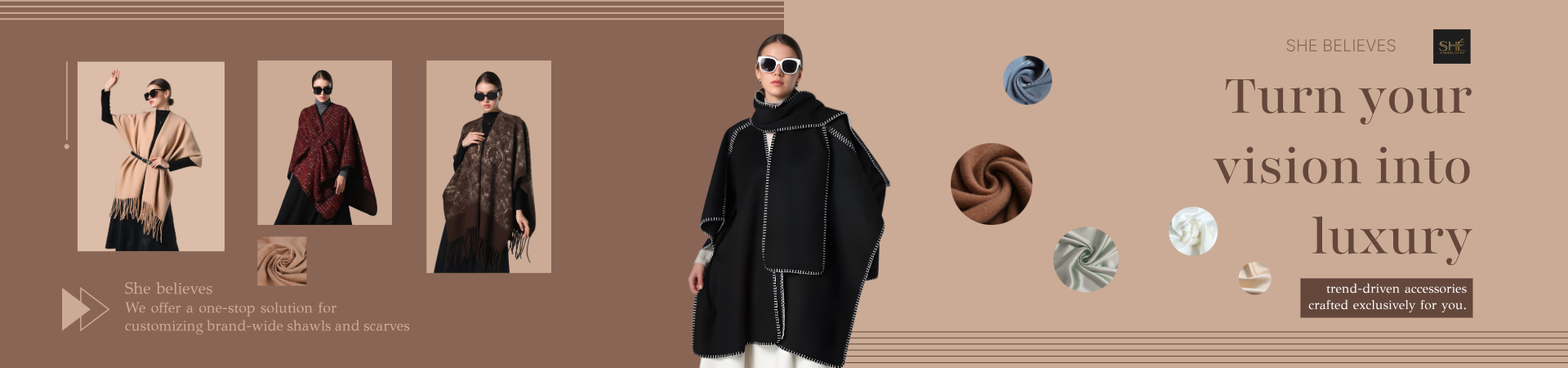
Top 10 Summer Scarves & Shawls Trend 2026
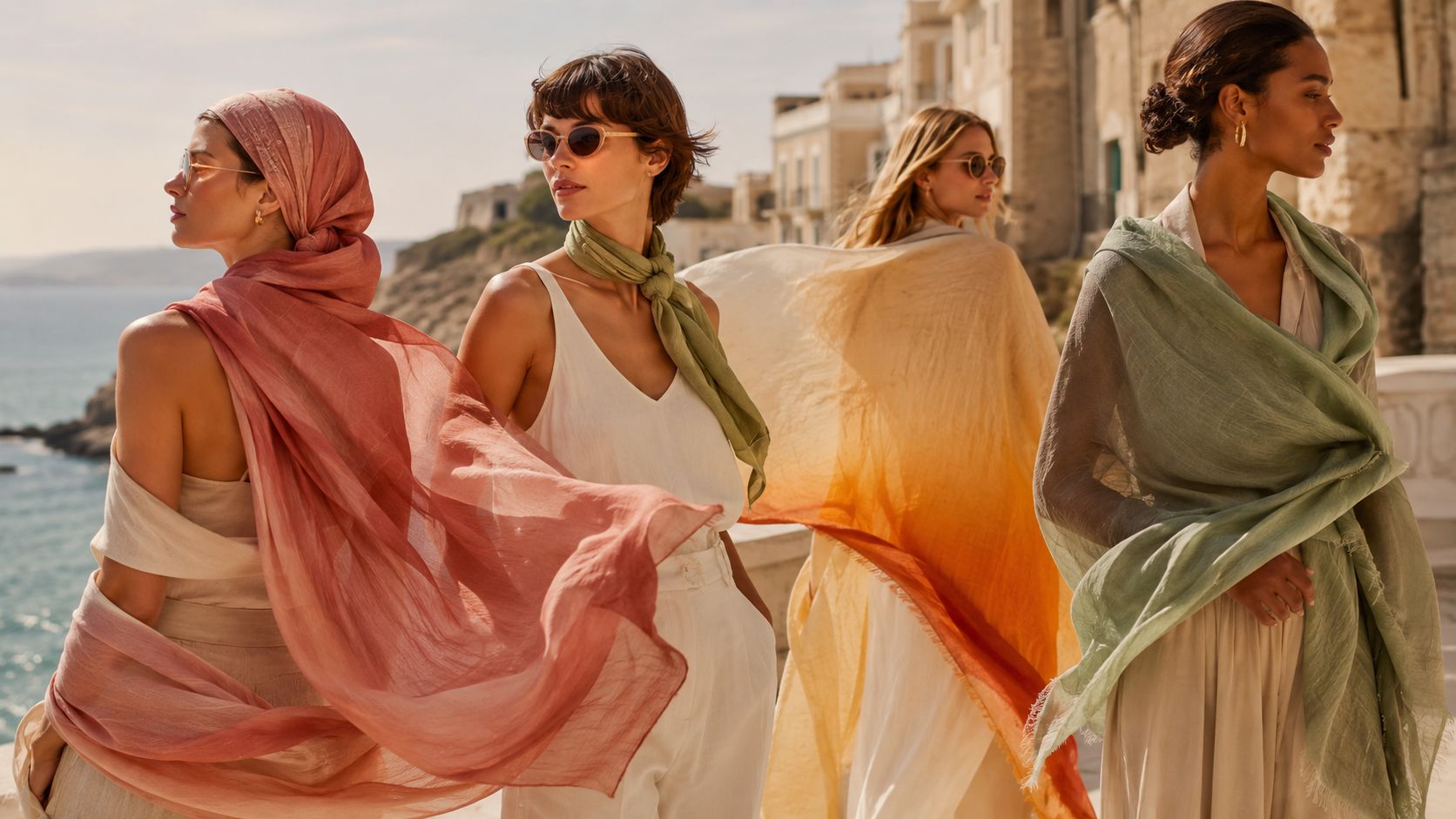
This summer is expected to bring a new twist to the classic accessories of scarves and shawls. Summer 2026 will be characterized by three main factors influencing the trends of scarves and shawls: sustainability, high quality craftsmanship and versatility. The articles below present the top 10 trends for summer scarves and shawls, expected to shape the market in 2026. The information for the article was collected from forecasts of the fashion industry, reports on textile innovations as well as from studies on consumer behavior. The trends are characterized by eco-friendly fibers as well as by creative designs that can be restyled in various ways. Overall, the new trends for summer scarves and shawls mark a new development in the way consumers perceive accessories in general: they are no longer just seen as decorative items but rather as an essential part of a person’s lifestyle.
What Are the Key Fabric Innovations Driving Summer Scarf Trends in 2026?
Fabric technology in scarves continues to evolve and be improved for both style and comfort.
The Rise of Sustainable Fibers
Eco-friendly fabrics are leading the charge in the new seasons of scarves. Look to organic cotton, bamboo silk and recycled polyester blends in this season’s newest collections. In the 2025 Textile Exchange report it states that over 60% of scarf manufacturers are now using eco-certified materials within their designs. Lighter weights with moisture-wicking properties are perfect for warmer climates. The materials have been designed to be lightweight yet soft to the touch, creating a lot of drape. Some designers are also experimenting with the use of closed-loop production systems within their weaving and finishing processes to minimize waste as much as possible.
Technological Advancements in Fabric Treatment
Finishes with UV protection and anti-bacterial coatings are increasingly becoming a feature that customers are looking for in accessories, that are not only safe but also durable. The Digital dyeing technology has the possibility of reducing water waste by nearly 80% in comparison to traditional dyeing processes, thus being suitable for water conservation worldwide. The Smart labeling technology enables traceability of the products, starting from the fibers up to the finished product, thus enabling the buyer to check the ethical sourcing of the materials.
How Are Designers Balancing Functionality with Aesthetic Appeal?
Designers are combining practical design with beautiful design to meet the ever increasing expectations of the customer.
Multifunctional Design Concepts
Convertible scarves that double as wraps or headbands appeal to minimalist consumers who value versatility. Some designs integrate hidden pockets or cooling panels for travel-friendly use—a feature popular among frequent flyers seeking compact yet useful accessories. Layering-friendly dimensions allow easy pairing with both casual and formal outfits, bridging seasonal transitions seamlessly.
Influence of Global Streetwear and Resort Fashion
A combination of Mediterranean prints and Tokyo minimalism create the style of new collections in 2026. The geometric prints in bold colors are mixed with soft pastel shades to create urban looks. Furthermore, this season’s collections are presented as so-called “capsule collections”. These consist mainly of products that are produced in small runs as limited editions in order to emphasize the aspect of craftsmanship and to avoid overstock as much as possible.
Which Color Palettes Are Dominating the Shawl Trend in 2026?
This season, color psychology is playing a significant role in how consumers perceive scarves.
Nature-Inspired Shades Lead the Palette Shift
From dune beige to olive mist, and terracotta rose, we have highlighted an array of earthy palettes and inspiration, to support brands who are adopting an eco-friendly brand strategy. According to Pantone’s color trend forecast for 2026, ‘Solar Drift’, a warm, optimistic yellow shade, will be a season favorite and a symbol of hope for the New Year. Natural fibers, in a combination of earthy tones, will create the perfect partnership to add realism to any design narrative.
The Return of Gradient Dyeing Techniques
Ombre gradations add to depth of the garment without taking over from the rest of the look. The hand-dyed effects of high-quality garments have an extra value for the high-end consumer: he or she appreciates the little imperfections and sees them as a sign of individuality. Traditional dip-dyeing methods are being brought back to life again using plant-based pigments such as indigofera or madder root in a sustainable way of coloring.
How Is Consumer Behavior Shaping Summer Scarf Demand?
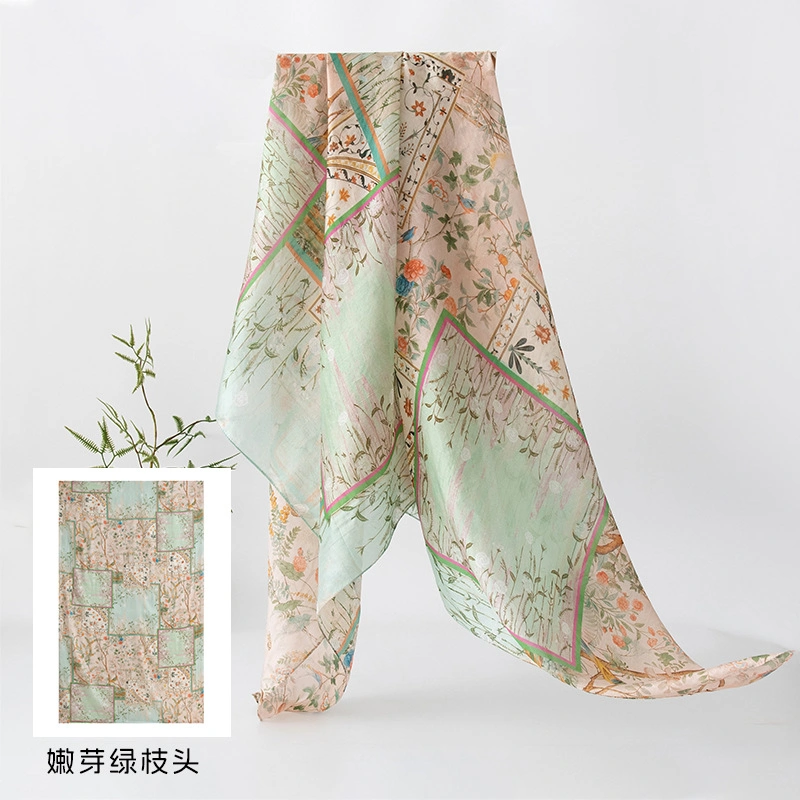
As people’s lifestyles are changing post-pandemic, their purchasing behavior and priorities in different markets are also shifting.
Data Insights from Global Market Surveys
Online purchases of lightweight accessories are expected to grow by 12% year on year until 2026 according to Euromonitor International. Breathable fabrics and the ease with which an item can be washed and care for are more important than ever to consumers. Comfort is key having become second nature to consumers during recent years of home-based living. Consumers are seeking out online products made of machine washable fabrics that still retain their shape after multiple wear.
The Rise of Gender-Neutral Accessories
Unisex scarves are gaining traction amongst the Gen Z demographic who are predominantly purchasing fluid fashion pieces that have been designed to transcend the traditional genders. These simplistic designs can be used to create a variety of styles to suit both work and play allowing the wearer to seamlessly transition from day to night as the modern day workforce fluctuates between formal and informal settings.
What Role Does Artisanal Craftsmanship Play in Modern Shawl Collections?
Cultural heritage continues to be a driver behind premium scarf design narratives globally.
Regional Handweaving Traditions Regain Attention
Indian khadi cotton and Turkish peshtemal techniques are experiencing a resurgence of interest globally due to their tactile value and breathability. Production in limited runs also creates the illusion of exclusivity which is very important for today’s luxury consumer. The stories behind each item of clothing are as important as the clothing itself.
Collaboration Between Artisans and Contemporary Designers
Our partnerships with local craftspeople enable us to combine heritage weaving with modern prints. Fair-trade certifications for our sustainable products give them added value for the conscious consumer whilst guaranteeing that the artisan is paid fair for his/her skills to create sustainable supply chains.
How Are Digital Platforms Influencing Scarf Styling Trends?
Digital ecosystems are changing how quickly a scarf trend can travel from runway to high street.
Social Media’s Impact on Trend Acceleration
The Pinterest searches for ‘summer scarf styling ideas’ went up by over 40% in early 2025 and will be filled with tying styles that the influencers will promote in very versatile tutorials that will increase the repeat usage rates of the different accessories – turning them into different styling options that will be shared on other platforms such as Instagram Reels and TikTok fashion edits.
Virtual Try-On Experiences Boost Online Sales Conversion Rates
Up to 25% boost in purchase confidence for retailers offering digital previews of products using augmented fitting tools, to help reduce returns and increase customer engagement.
What Are the Emerging Price Segments Within the Scarf Market?
Price segmentation is evolving and becoming more subtle as brands are more determined to define their position on the market.
Premium vs Mid-Tier Positioning Strategies
Many luxury brands create a story around the material’s origin and production. They might specify where they source the handloom or introduce us to the workshop where they apply the natural dyes in their fabrics. The margins of such brands can thus be justified. Mid-range brands compete on the basis of functional innovations as opposed to lowering the prices of products with limited life cycles. Thus, while garments that can withstand UV rays or can be worn inside out are not cheap, they are certainly more affordable than their luxury counterparts.
Cost Efficiency Through Sustainable Production Models
Manufacturing locally reduces your logistics costs by up to 18% enabling greater margins while supporting local economies. Our recycled packaging solution is compliant with ESG reporting standards, enabling you to report on sustainability to your investors on a transparent category by category basis.
Why Is Breathability Becoming a Core Purchase Factor?
The next stage of development for technical textiles for summer clothing is going to be comfort driven and focus on innovations for accessories.
Climate Adaptation in Textile Engineering
We can expect to see an upswing in demand for lighter weight fabrics, including superlight ultra-light linen blends and open-weave structures specifically designed to increase airflow around the neck. All this will require significant investment in R&D to develop innovative temperature-regulating fibers, extracted from eucalyptus pulp and which have moisture absorption properties under humid conditions.
Comfort as a Form of Luxury
In consumer perception, airflow comfort has become a quality indicator of premium products, detaching from embellishment count and being replaced by a more sensory-focused perception of comfort during wear, especially long periods spent outdoors or traveling. This new definition of luxury is felt more during wear than through details.
How Do Scarves Reflect Broader Lifestyle Shifts in 2026?
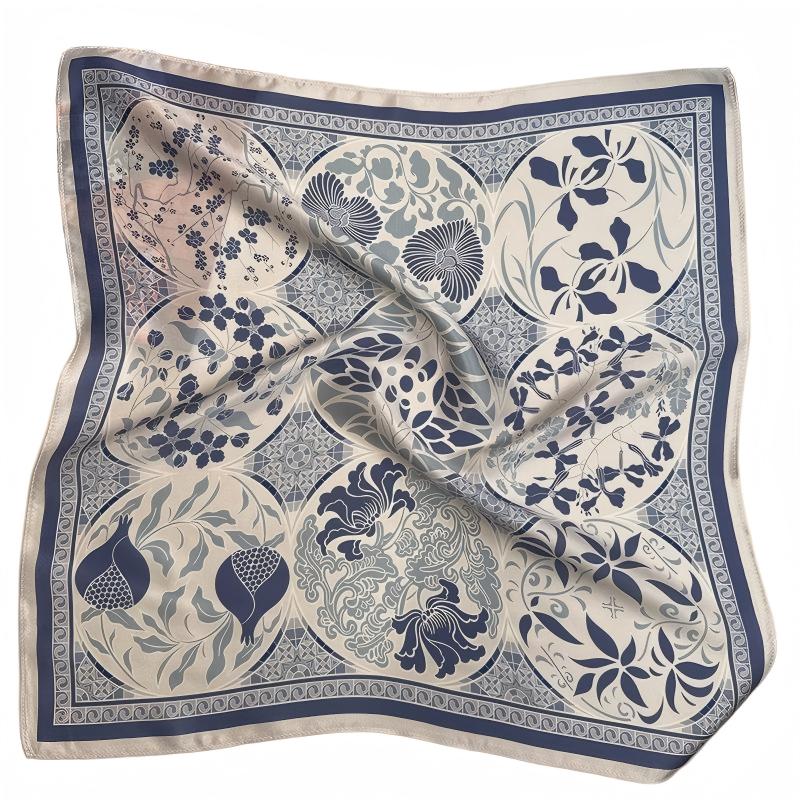
Scarves are becoming an ever more popular fashion accessory used by people to express their cultural identity.
Travel-Friendly Designs Meet Hybrid Work Culture
A compact, wrinkle-free travel shawl for professionals who commute to work every day but also like to travel from time to time. Lightweight and foldable, travel shawls are also perfect for a capsule wardrobe that is practical yet so stylish. As many remote workers are building a minimal closet, this is also a perfect addition to their wardrobe.
Emotional Connection Through Textiles
The scarves for personal expression in this time of global disruption from 2020-2024 have helped people focus their minds, helped to preserve heritage and even enabled people to find a new identity. They are called ‘wearable memories’ and are more than just another fashion item, as they are both beautiful to wear and full of real meaning and function.
Who Is She Believes – A Trusted Partner in Scarves & Shawls Supply?
彼女は信じる is a quality scarves and shawls supplier that operates through responsible suppliers. The company works with certified mills that procure ethical fibers and the quality is consistently maintained throughout all products. She Believes offers design development according to the season, private label development for retail stores from all over the world and bulk production. Also, material advice for professional buyers. We have a wide range of materials, also very innovative and we select the best ones for the next fashion season. We have breathable eco-blend materials that are perfect for summer scarf trends 2026 collections.
結論
The Summer Scarves 2026 Trends are all about where sustainability in material science and artistry from different cultures meet, resulting in some great new Accessory designs. From organic cottons that have been incorporated with UV protection, to a Gradient Dyed Shawl that celebrates the revival of craftsmanship, all designs reflect the trend of conscious consumption currently taking over the world. As climate change is becoming more of an issue, for textile and apparel designers breathability is no longer just a design feature but also a luxurious one. All trends can be shopped via digital retail, which not only allows for these new trend designs to be experience by all worldwide but also allows for the stories of the artisan that created the handicrafts to be shared too via very immersive online experiences.
FAQについて
1. Which fabrics will rule the summer scarves market in 2026?
Lightweight organic cottons, bamboo silks, linen blends and recycled synthetic fibers will be at the forefront of this sector thanks to their breathability and eco-sustainability.
2. How do you make your brand more distinctive in the face of growing competition?
By offering greater transparency regarding your sources, incorporating regional craftsmanship, such as handweaving, and by offering clothing with multiple functions to wear in various climates and in different markets around the globe.
3. Are digital channels having an impact on how scarves are being marketed?
Yes. Social media is making current trends even more visible while Virtual Try-On is increasing the online sales conversion rate significantly, as recent retail analytics from leading e-commerce companies around the world has shown.
4. What factors influence pricing strategies across different market tiers?
Material origin authenticity, production scale efficiency gains through localized setups, ESG compliance costs integration into operations models, plus storytelling depth surrounding each collection all contribute directly toward final retail pricing structures observed within current shawl trend 2026 projections globally recognized reports indicate similar outcomes industrywide.*
5. How can wholesalers or designers collaborate effectively with suppliers like She Believes?
Through early-season forecasting sessions focusing on color palette synchronization; shared prototyping processes refining weave density; coordinated logistics planning aligning creative vision timelines; plus transparent communication fostering long-term partnerships built upon mutual innovation goals within evolving summer scarf trends ecosystems.*


