

2026 Fashion Accessory Forecast: Are Scarves Becoming the Next Investment Piece?
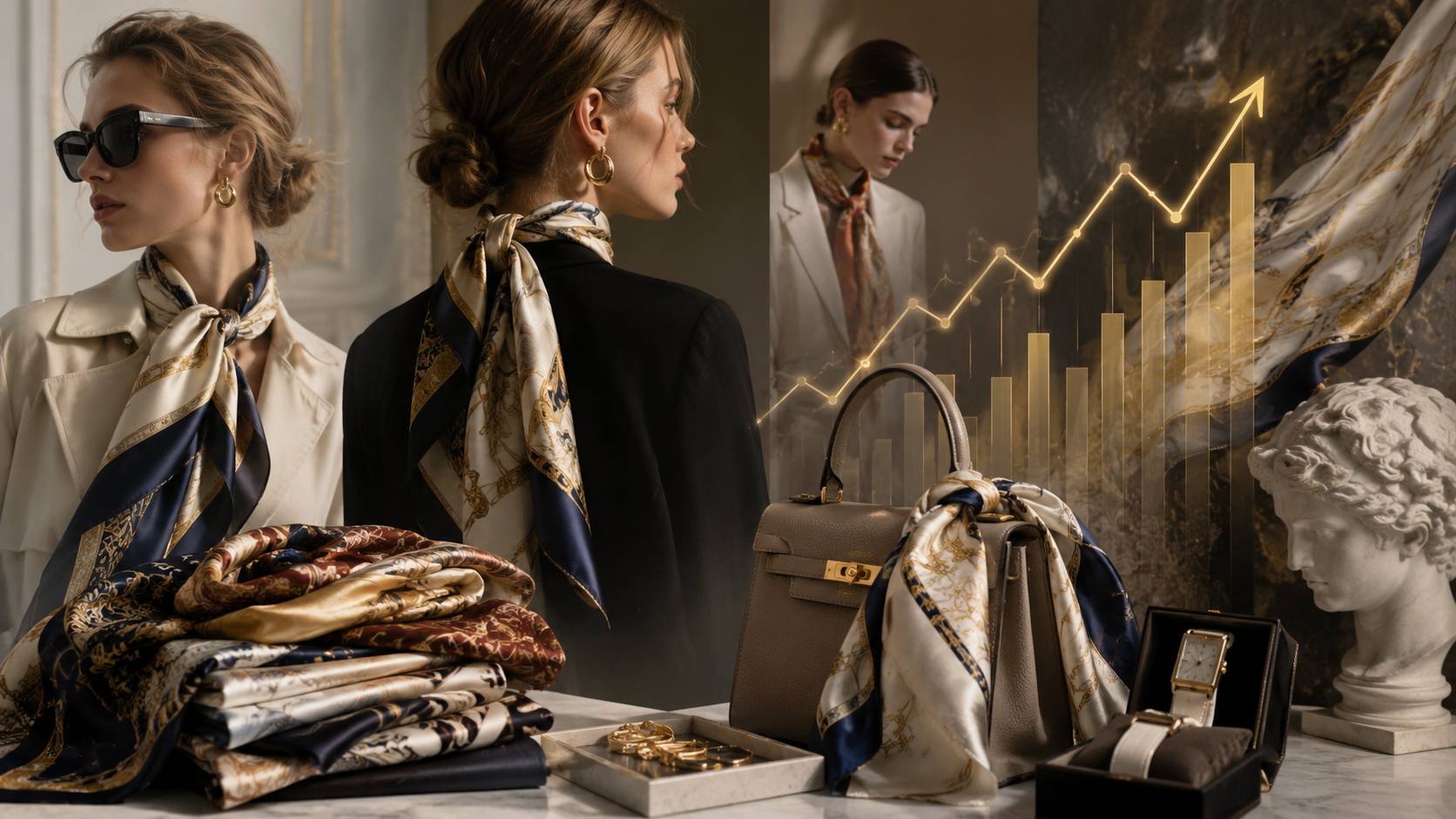
Scarves are no longer viewed only as seasonal fashion accessories. Scarves are now products that blend style, branding, material choice, and longevity in the marketplace from the perspective of retailers and brands. Given that consumers are increasingly concerned about versatile items in their wardrobes and their self-expression, many companies are reassessing the place of scarves in their offers. However, it is not enough to follow trends to find the right supplier of scarves.
Why are scarves becoming an important investment piece for fashion brands?
The fashion market continues to shift toward products that offer both aesthetic value and practical use. Scarves fit this trend because they can serve multiple purposes, from completing an outfit to representing a brand’s design language.
How does versatility increase scarf market value?
While most fashion trends are mostly influenced by the different seasons of the year, scarves can be worn all year round in numerous different styles. A scarf can be used as a neck scarf, a hair scarf, a bag decoration, or even as a layer over other clothing items.
From the standpoint of a particular brand, scarves indeed provide versatility as far as coming up with items that target a larger audience is concerned. Consumers should, however, take into consideration the scarf’s design, material, and production quality prior to buying it.
Keys to take into account include:
|
Evaluation Factor |
Why It Matters |
|
Fabric selection |
Influences comfort, appearance, and durability |
|
Pattern design |
Supports brand identity |
|
Size options |
Affects styling possibilities |
|
Finishing details |
Influences perceived value |
|
Production consistency |
Supports repeat orders |
A scarf becomes an investment product when design, quality, and customer demand work together.
Why are consumers looking for higher-value accessories?
Contemporary consumers are growing more inclined towards personalized and robust items instead of disposables. Items with stylish designs, premium materials and quality craftsmanship will please buyers who like to buy less but more substantial items.
For fashion companies, this suggests that scarf collections should concentrate on simple design ideas and quality manufacturing rather than just increasing the number of products.
How should buyers evaluate scarf materials before placing orders?
Material selection has a direct influence on scarf appearance, comfort, production cost, and customer experience. Different fabrics create different textures, levels of warmth, and visual effects.
Which fabric factors should buyers consider?
Professional buyers usually evaluate several material characteristics before selecting scarf products.
Common considerations include:
|
Material Factor |
Buyer Consideration |
|
Fabric composition |
Determines texture and performance |
|
Softness |
Affects wearing comfort |
|
Weight |
Influences seasonal suitability |
|
Color performance |
Impacts appearance after use |
|
Care requirements |
Affects customer experience |
A lightweight scarf designed for fashion styling may require different material characteristics compared with a winter scarf intended for warmth.
How does fabric quality influence brand positioning?
For premium fashion brands, material quality often becomes part of the product story. Customers may associate fabric feel, finishing quality, and durability with overall brand value.
However, higher material costs do not automatically guarantee market success. Buyers should balance material selection with target customers, pricing strategy, and production requirements.
What customization options should brands consider when sourcing scarves?
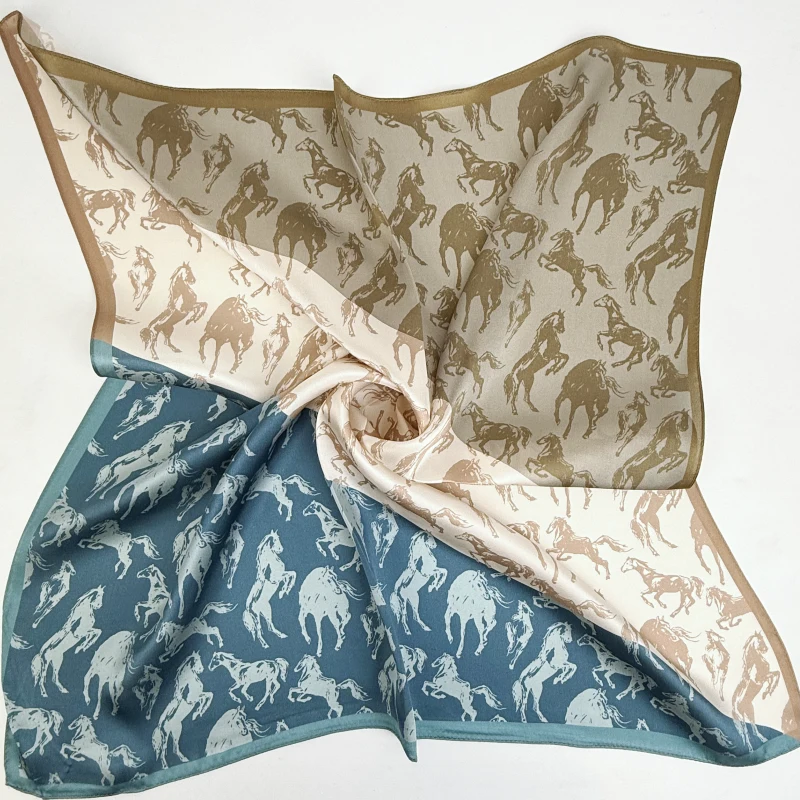
Customization allows fashion brands to create products that match their own identity instead of competing only through standard designs.
How can custom scarf production support brand differentiation?
Custom scarves can include different design elements such as patterns, colors, sizes, labels, and packaging options.
Before starting a customization project, buyers should confirm:
- Design requirements;
- Available materials;
- Sample development process;
- Minimum order quantity;
- Production timeline.
Clear communication during the development stage helps reduce differences between the approved sample and final production.
Why is sample approval important for scarf orders?
A tangible product allows customers to evaluate various elements that are impossible to analyze through the internet samples, like feel, colors, printing quality, and finishing of the fabric.
With fashion products, the slightest differences can determine whether the customer is satisfied with the result. By delving into the sample, customers confirm their expectations and begin mass production.
How can retailers compare wholesale scarf suppliers?
Supplier selection affects product consistency, delivery reliability, and future cooperation. For retailers and fashion brands, the supplier relationship is often as important as the product itself.
What should buyers check when choosing a scarf supplier?
A supplier evaluation may include:
|
Supplier Evaluation Area |
Buyer Concern |
|
Manufacturing capability |
Can the supplier handle required quantities? |
|
Quality control |
How are defects identified and managed? |
|
Customization support |
Can designs be adjusted? |
|
Communication process |
Are requirements clearly understood? |
|
Delivery management |
Can timelines be maintained? |
A supplier should be able to support both initial product development and future repeat orders.
How do MOQ and lead time affect scarf sourcing?
The minimum order quantities and manufacturing schedules have an immediate impact on stock management. New fashion ventures may face increased inventory demands due to their sizeable orders, while recognized vendors could require steady supply capacity.
Before making an order, the clients must ensure that information regarding the MOQ, sample delivery date, time frame for production, product packaging, and shipping is properly outlined.
How does craftsmanship affect the value of fashion scarves?
While materials create the foundation of a scarf, craftsmanship influences the final appearance and perceived quality.
What production details should buyers inspect?
Professional buyers may review:
- Edge finishing;
- Stitching quality;
- Pattern alignment;
- Color consistency;
- Packaging condition.
These details can influence how customers perceive the product after purchase.
Why is quality control important for scarf manufacturers?
Usually, fashion accessories are based on the appeal of visual aspects of the item. Insignificant differences in the characteristics of products can have a certain impact on consumer satisfaction.
A reliable process of quality control will help detect different production faults before the goods are presented to buyers.
How can brands build a successful scarf collection in 2026?

A successful scarf collection requires more than following a fashion forecast. Brands need to understand customer preferences, product positioning, and production capability.
What product strategies should buyers consider?
Brands may evaluate:
- Seasonal collections;
- Signature designs;
- Limited editions;
- Different price levels;
- Coordinated accessories.
The right strategy depends on the brand’s target customers and sales channels.
Why should brands balance trends with long-term design value?
Fashion trends shift rapidly, but items that are well designed may hold their worth over time.
For consumers, it is important to keep pace with demand but also to design products that reflect the essence of the brand and remain in demand.
How can She Believes support scarf sourcing projects?
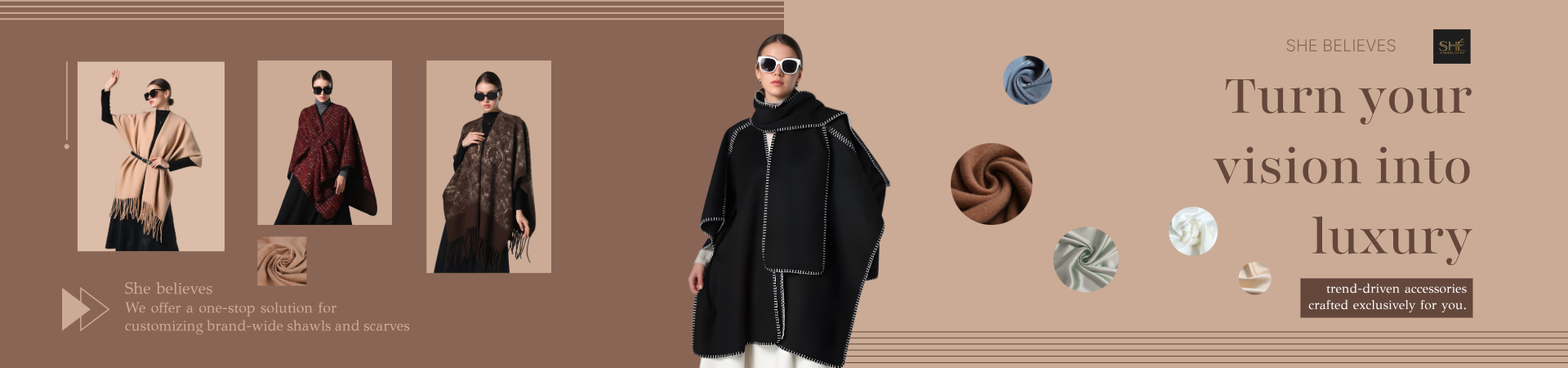
She Believes provides scarf products and related fashion accessory solutions for buyers developing scarf collections. The firm provides its clients with assistance via product communication, design consultations, customization demands, and project-related order arrangements. Collaboration with textile manufacturers, garment retailers, and suppliers may involve the choice of scarf designs, colors, materials, production, and delivery aspects. However, prior to selecting a supplier, the clients need to evaluate costs, details, samples, and service requirements.
Conclusion
The significance of scarves in fashion product planning is continually growing thanks to their versatility in design, styling, and branding. It is essential to evaluate the supplier’s materials, customization, craftsmanship, quality control, and production capabilities before making a choice. Scarves can be affordable products when marketers can take into consideration the latest trends and practical sourcing. By looking at the supplier’s capabilities and product information ahead of time, companies can create scarves that are more in line with their clients’ hopes and wishes for the future.
FAQs
1. What should fashion brands consider before sourcing scarves?
Brands should evaluate fabric quality, design options, customization capability, MOQ, production timeline, quality control, and supplier communication before placing orders.
2. How do I choose a reliable wholesale scarf supplier?
Buyers should review supplier experience, product samples, manufacturing capability, customization support, quality inspection process, and delivery arrangements.
3. Are scarves suitable as investment pieces for fashion brands?
Scarves can become valuable product lines when they combine strong design, suitable materials, consistent quality, and clear market positioning.
4. What customization options are available for custom scarves?
Customization may include fabric selection, patterns, colors, sizes, labels, and packaging options depending on supplier capability and order requirements.
5. What should I check when approving scarf samples?
Buyers should review fabric feel, color accuracy, pattern details, stitching, edge finishing, packaging, and whether the sample matches the approved design requirements.


