

Culturally Sensitive Silk Head Wrap Sourcing: A B2B Guide to Respectful Design and Color Selection

Sourcing accessories for today’s global market isn’t just about nice fabrics and good prices. It’s about getting the little details right so your products actually connect with people from all kinds of backgrounds. When you’re working with a silk scarf head wrap, those small choices in material, color, and pattern can decide whether the piece feels respectful or misses the mark. Buyers who take cultural sensitivity seriously end up with stronger customer loyalty. They also dodge the kind of backlash that can hurt sales fast.
The global head wrap and scarf market keeps growing steadily. Part of that growth comes from more interest in modest fashion and special hair care routines that come from different communities. Religious devotion plays a real role here. So does the spread of multicultural styles in everyday looks. For B2B buyers like you — whether you stock boutiques, build private label lines, or supply big retailers — understanding these little things helps you pick designs that sell well without stepping on toes.
Let’s walk through what really counts when sourcing silk scarf head wraps the right way.
Why Cultural Sensitivity Matters in Silk Head Wrap Sourcing
Head wraps and scarves mean more than just fashion. In many cultures, they stand for modesty, identity, protection, or long-held traditions. Getting any of this wrong can bring returns, bad reviews, or even public pushback that damages your brand.
Look at modest fashion markets, for example. A lot of Muslim women need head coverings that meet certain practical needs. The fabric has to be thick enough so it isn’t see-through. Sizes usually run from medium squares for simple styles to bigger ones for more wrapped looks. Breathable silk feels nice for daily wear, especially in warmer places. But if the material is too thin or the print looks too loud for everyday use, it probably won’t fit what customers want.
In African American hair care traditions, silk and satin wraps have been used for years to protect curls and coils while sleeping. They cut down on friction and breakage. Women in these communities often look for smooth, gentle fabrics that don’t irritate textured hair. A silk scarf head wrap works best here when it focuses on both function and style.
Real buyers have learned this lesson the hard way. One retailer brought in printed silk squares for a mixed collection. Some pieces flew off the shelves in wellness shops. Others just sat there in modest fashion sections. The colors and motifs didn’t quite match what those customers expected. Sales slowed down, and some feedback said the items felt more like decorations than practical pieces. A little more upfront checking could have fixed the lineup and improved sales.
Color Selection Strategies for Different Cultural Markets
Colors carry a lot of meaning across cultures. Picking the right ones shows you actually paid attention.
In many Muslim communities, softer shades like white, pale pastels, or deep navy feel right for purity, peace, or simple modesty. Bright or super-shiny colors might suit special occasions, but they can feel off for daily hijab styles. Purple tones, like soft lilac, often come across as calm and pretty. They show up nicely in floral prints that suggest gardens without being too flashy.
For African diaspora markets, rich jewel tones or warm earth shades tend to click. Deep burgundies, soft golds, or lively greens can tie into heritage while still looking fresh. The trick is keeping things balanced. Don’t fall into the trap of turning cultural colors into stereotypes.
Here’s a straightforward guide many sourcing people rely on:
-
Modest fashion lines: Go with solid colors or light patterns in quieter shades. Soft lilac, cream, or gentle lavender give a calm, classy feel.
-
Hair care and protective styles: Pick deeper, richer colors that hide everyday wear. Smooth silk in these shades appeals to folks who want protection plus a polished look.
-
Western fusion or wellness markets: Lighter floral prints in soft pastels work well. They give off a relaxed, self-care vibe.
Try small test batches in your target regions. What sells great in one place might need tweaks in another. Suppliers who can quickly adjust colors make this part a lot easier.
Color Considerations Table
| Market Focus | Recommended Colors | Reasons and Tips |
|---|---|---|
| Muslim Modest Wear | White, soft pastels, navy, lilac | Symbolize purity and calm; make sure fabric isn’t see-through |
| African Hair Care | Rich jewel tones, earth shades | Hide daily use; pair with smooth silk feel |
| Global Fusion/Wellness | Lavender, cream, gentle florals | Suggest relaxation; easy to layer |
Industry numbers show modest fashion growing year after year. Lines that respect these color preferences often get more repeat orders.
Pattern Design and Cultural Symbolism
Patterns carry stories too. A simple floral design might mean fresh starts in some places. In others, certain flowers or shapes hold deeper spiritual meaning.
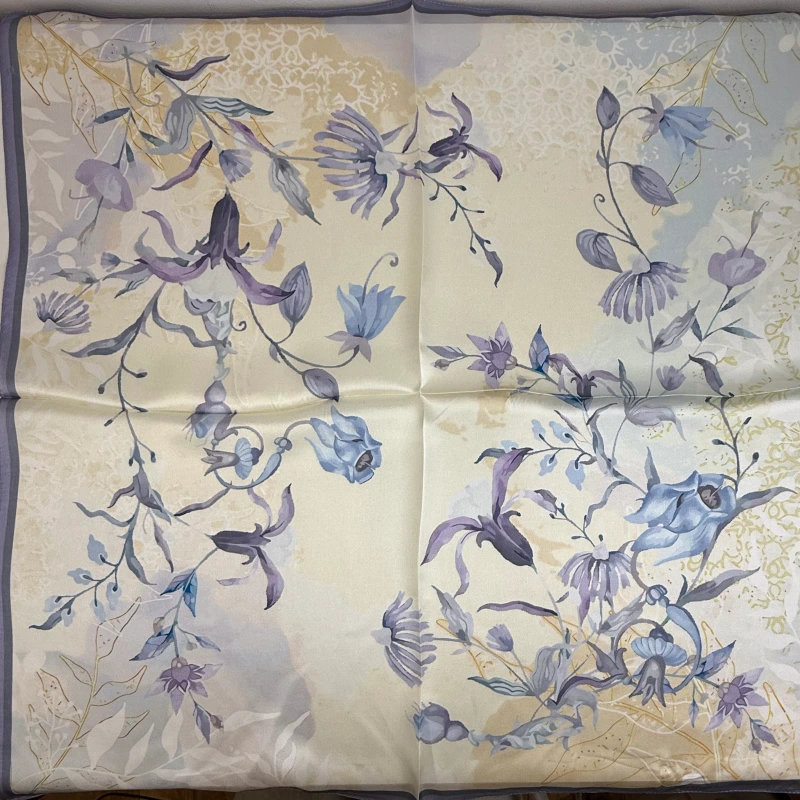
For silk scarf head wraps, digital prints on mulberry silk can catch fine details really well. A lavender lilac purple flower motif with soft flowing branches gives a light, watercolor look. It feels romantic and easy without being too much. Sizes from 55x55cm up to 130x130cm let you offer options — smaller squares for quick wraps, larger ones for fuller coverage.
Still, symbolism shifts depending on the culture. What looks like basic decoration in one spot might touch on something sacred in another. The smarter move is to work with suppliers who can adjust prints based on your own market checks. Skip pulling sacred symbols or old motifs just because they look pretty.
People in the industry often talk about successful projects. One buyer wanted head wraps for a diverse group of customers. They started with neutral florals and clean geometric lines instead of anything that might be misread. Sales picked up across different segments because the pieces felt welcoming rather than borrowed.
Respect shows up in those small choices. When patterns come from thoughtful inspiration, customers notice. They feel understood instead of just sold to.
Avoiding Cultural Appropriation in Product Descriptions and Marketing
This area catches a lot of brands off guard. The difference between appreciation and appropriation comes down to honesty and care.
Appreciation means you learn a bit about the background and present it straight. For instance, point out that silk gives good breathability and a smooth touch that works for different head styles. Talk about how it can be used as a neck scarf, layered piece, or protective wrap without claiming any deep cultural roots that aren’t yours.
Steer clear of words that turn traditions into quick trends. Skip phrases like “exotic hijab vibes” or “boho head wrap.” Instead, keep it simple and useful: “lightweight mulberry silk that drapes softly” or “gentle on skin and hair.”
In your photos and copy, show real ways people actually use the item. A silk scarf head wrap styled for daily modest wear looks different from one layered over a casual outfit. Using diverse models helps too. It signals real inclusion without forcing a story.
Buyers who fix this part often see better results. One wholesale customer changed their listings after hearing feedback. They moved away from trendy descriptions and stuck to honest ones about comfort and quality. Sales went up, and fewer pieces came back.
Shebelieves as Your Reliable Shawl and Scarf Manufacturing Partner
When you’re sourcing with cultural awareness in mind, having a good manufacturing partner makes things much smoother. Shebelieves runs its own factory with over ten years working on silk scarves and wraps. They use 100% mulberry pure silk in different sizes and offer digital printing for detailed floral or geometric designs.
Their OEM services let you change colors, patterns, and sizes to fit your target markets. They keep minimum order quantities low — often starting at just 10 pieces per style. You can mix batches easily. They handle the full process, from picking the right material to final packing and your own branding. They run tight quality checks during making and before shipping, and they hold certifications like OEKO-TEX.
Many clients like the flexibility. You can order ready floral prints, like the lavender lilac purple flower ones, or create something custom. They send clear photos and videos for approval so you know exactly how the silk scarf head wrap will look and feel in different cultural settings. This kind of help lets B2B buyers grow into new segments while keeping designs respectful and practical.
Conclusion
Sourcing silk scarf head wraps with real cultural sensitivity isn’t extra work. It’s just good business in a world where customers care about authenticity. When you think carefully about colors, patterns, and how you describe the pieces, you end up with products that feel right for all kinds of people. That builds trust, lowers problems, and opens up more chances to grow.
The brands that handle this well don’t just move accessories. They become the suppliers retailers trust for inclusive collections. Put in the time on these choices, and your lineup can keep selling strong season after season.
FAQs
What should I look for in a silk scarf head wrap when sourcing for modest fashion markets?
Look for fabric that isn’t see-through, breathable mulberry silk for all-day comfort, and sizes that allow different wrapping styles. Soft shades like lilac or neutrals often sell better for everyday use.
How does silk perform as a material for protective hair wraps in African American communities?
Pure silk cuts down on friction and helps stop breakage. A lot of customers like smooth, lightweight options that feel gentle on curls overnight or during styling.
Why is color choice important when designing a silk scarf head wrap for global audiences?
Different groups connect different feelings to certain shades. Soft pastels or calm purples suit modest or wellness lines, while deeper tones often work well for hair care. Small test orders help you match what people actually want.
How can suppliers help avoid cultural missteps in silk head wrap designs?
Good manufacturers offer custom printing and flexible sizes. They can tweak floral patterns or solid colors based on your market research so the final piece respects different traditions.
What makes a good partner for culturally sensitive silk scarf head wrap production?
Find factories with low minimum orders, solid quality checks, and fast sample service. Partners like Shebelieves support custom work while keeping the focus on respectful, well-made results.


