

How to Source a Custom Silk Scarf for Your Brand: From Design to Delivery
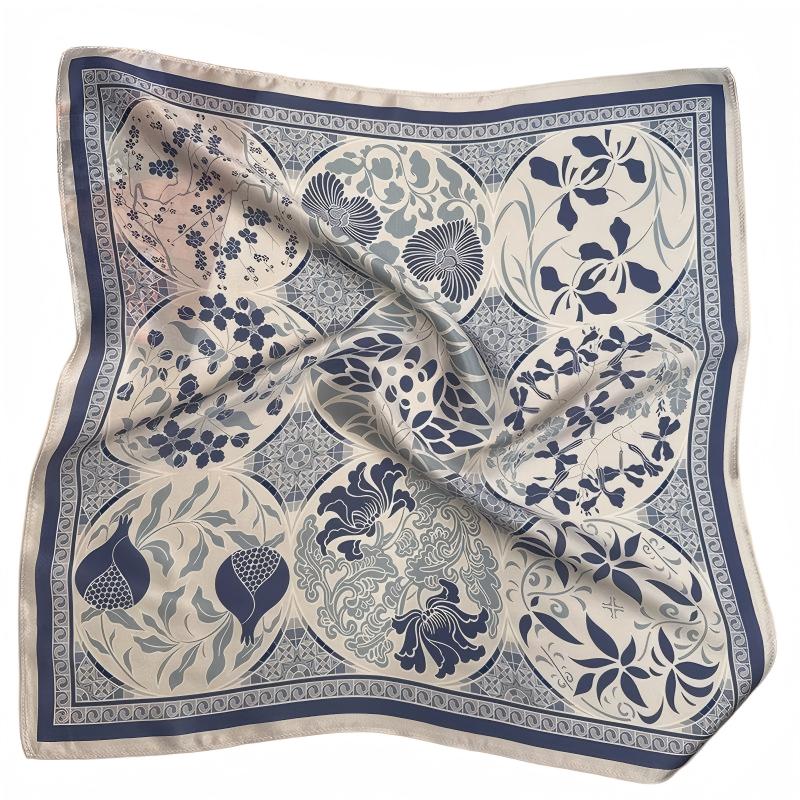
Picture this. Your new collection launches in just two months. You need a signature piece that catches eyes but stays easy on the budget. A custom silk scarf might do the trick. It feels light, works with almost any outfit, and stands out as uniquely yours. Yet turning a quick sketch into finished goods that show up on schedule and look top-notch? That part trips up plenty of fashion teams.
Sourcing a custom silk scarf shouldn’t feel like rolling the dice. Team up with a solid manufacturer, and the whole thing gets clear, steady, and even kind of fun. Let’s walk through each stage together. We’ll go from the first spark of an idea all the way to delivery. This way, you can move ahead without second-guessing yourself.
Why a Custom Silk Scarf Makes Sense for Your Brand
A thoughtfully made silk scarf does way more than splash on some color. It packs small for travel, layers nicely over jackets or simple tees, and doubles as a hair tie, bag accent, or quiet brand nod. Shoppers pick up on those little touches. Take one small boutique owner I heard about. She tried a short run of floral-printed square scarves. They flew off the shelves in the first week, mostly because they felt rich yet stayed affordable enough for gifts.
Silk scarves also give you room to experiment. You can begin with a tiny batch to test a fresh pattern. Then you scale up once you see what clicks with customers. The right partner keeps the entry point low. That means you avoid ending up with piles of unsold inventory while you figure things out.
Step 1: Clarifying Your Vision and Choosing Materials
Everything kicks off with a real conversation. Send over your mood board, favorite color combos, or even a casual phone photo of the vibe you’re chasing. Plenty of brands start simple. They might say something like “soft neutral tones with a clean geometric edge” or “bright florals that look great in photos.”
After that comes fabric choice. Pure mulberry silk brings that classic soft drape and gentle shine. Silk satin feels extra smooth and a bit heavier. Silk twill adds more structure and holds its shape better. Weight plays a big role too. A 26-gram, 53 by 53 cm square scarf drapes like a feather and looks elegant for daily wear. Bump it to 70 grams in a larger 90 by 90 cm size, and you get something bolder that makes a statement.
Here’s some straight talk. Always test a couple samples early on. One team switched from a lighter satin to a slightly thicker twill after they saw how the print behaved under real store lights. Those small fixes save you from bigger problems down the road.
Step 2: Design and Sampling – Bringing Ideas to Life
With fabric picked, artwork time arrives. You can share clean vector files like AI, PDF, or high-res PNG. Even a rough hand sketch works fine in many cases. Digital printing really shines for this step. It picks up tiny details—like delicate peony petals or sharp black-and-white lines—without the heavy upfront costs you see in old-school screen methods.
Sampling usually wraps up in five to ten days. You get an actual piece in hand to check color match, print clarity, and how the edges finish. Hand-rolled hems often give that extra premium touch. Approve it, and production rolls forward. Spot something off? Just ask for tweaks. Good factories handle changes without turning it into a hassle.
This phase also opens the door for personal details. Think your logo on a woven label, a small embroidered initial in one corner, or packaging that matches your overall look. Brands selling straight to customers especially appreciate when the unboxing moment feels special and on-brand.
Step 3: Production – Scaling with Confidence
Sample looks good? Then bulk production starts. For most custom silk scarf orders, the factory side takes about 10 to 20 days from deposit to ready-to-ship. That beats the longer waits you sometimes hear about in the industry.
Minimums stay pretty reasonable. Lots of designs begin at just 10 pieces per style. That makes it practical for trying new prints or building small capsule lines. Want to blend colors or mix patterns? A combined order around 50 pieces often works smoothly, usually without extra charges.
Throughout production, solid checkpoints happen. They review after printing, again after hemming, and once more before packing. Factories that do this well send clear photos and short videos so you stay in the loop. Any color drift or uneven edges get fixed right away.
Step 4: Quality Control and Packaging
Quality checks don’t wait until the end. They weave through every stage. Look for partners who carry certifications like OEKO-TEX for safe, skin-friendly materials. They test dye fastness so colors hold steady after washing. They also measure consistency across the whole batch.
Packaging can lift the whole product. Simple branded tissue, a nice card, or gift-ready boxes turn an ordinary scarf into something people love posting about online. One retailer noticed way more customer photos after they upgraded the presentation. Those small extras really add up.
Step 5: Shipping and Delivery
Goods packed and inspected? Shipping choices open up. Use fast air for tight deadlines or sea freight when cost matters more and time allows. Reliable teams manage all the paperwork and tracking so customs go smoothly and items arrive when expected.
From first chat to final delivery, a straightforward custom silk scarf project often lands in four to six weeks. Add a little cushion for any design changes, and you’ll rest easier knowing things stay on track.
Shebelieves: Your Partner in Custom Silk Scarf Production
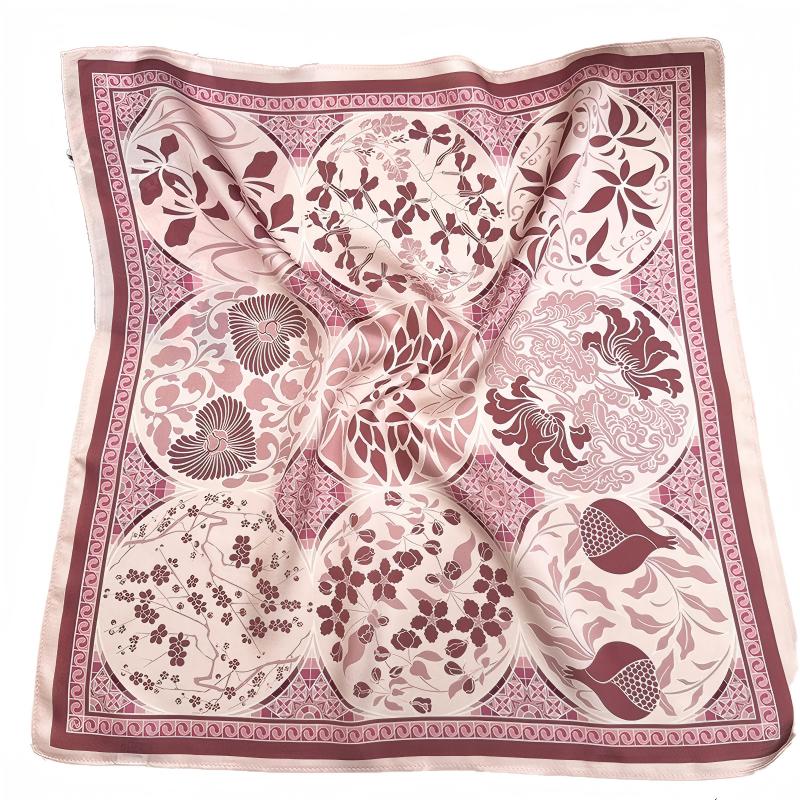
Shebelieves runs a vertically integrated factory right in Hangzhou with strong know-how in luxury scarves and shawls. They guide brands through the entire journey. That starts with design talks and moves through digital printing on pure mulberry silk, careful hemming, and final delivery to clients around the world.
They keep minimum orders low—often starting at 10 pieces per design for many silk styles—and deliver custom work in that quick 10-to-20-day window. This helps teams stay nimble. Whether you want lightweight 53×53 cm floral squares with a soft satin touch or bigger statement pieces featuring geometric lines or soft ink-wash effects, they turn rough ideas into steady, high-quality finished goods. In-house inspections, options for private labeling, and custom packaging make the whole experience practical. Brands avoid the usual sourcing stress and focus on building collections that sell.
Conclusion
Sourcing a custom silk scarf comes down to clear talks, realistic planning, and a manufacturer who cares about your project as much as you do. When the steps flow well, you end up with accessories that feel special, wear beautifully, and tell your brand story from the very first time someone puts one on.
Go ahead and take that next step. Share your ideas, ask for a sample, and watch how fast a loose concept turns into stock that moves. The right partner clears away the friction so you can pour your energy into what you do best—creating pieces customers keep coming back for.
FAQs
How long does it really take to get a custom silk scarf from idea to delivery?
Most projects move from design approval to finished goods in 10–20 days for the main production run, plus shipping time. Factor in the early days for sampling and any tweaks, and you’re usually looking at four to six weeks total when things go smoothly.
What’s the typical MOQ for a custom silk scarf order?
It varies a bit with the exact specs, but many silk scarf designs start as low as 10 pieces per style. Mixing colors or patterns in one order—often with a total around 50 pieces—keeps things flexible, especially for smaller brands still testing the market.
Can I add my own logo or special packaging to a custom silk scarf?
Yes, definitely. You can include woven labels, printed tags, small embroidery details, or custom gift boxes and tissue paper. These little touches often make the biggest difference in how shoppers see and share the item.
What kind of quality checks happen during silk scarf production?
Checks cover color accuracy right after printing, edge finishing after hemming, and a final look-over before everything gets packed. Good factories also test how well colors hold up after washing so the scarves stay looking fresh.
Is pure mulberry silk worth the investment for my brand’s scarves?
For most higher-end or gift-focused lines, it usually is. The natural drape, buttery soft hand-feel, and quiet luster give it that extra “wow” factor people remember. Many teams start with mulberry silk for their standout pieces and mix in other options for more budget-friendly styles.


