

The 2026 Silk Scarf Market Forecast: Why Wholesale Buyers Are Betting Big on Sustainable Silk
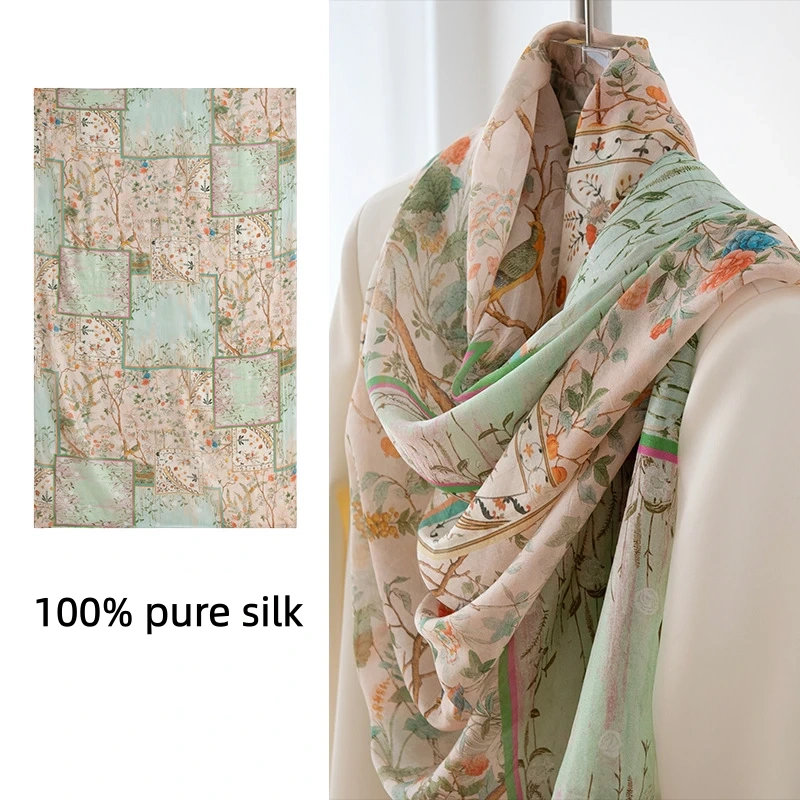
Silk scarves grab attention fast. You spot one tossed casually over a shoulder at a crowded weekend market, and the material catches the sunlight with a soft, natural shine. Sometimes it gets tied around a ponytail for a quick weekend look. Other times it slides through a belt loop to dress up basic jeans and a plain t-shirt. For women who like simple yet nice accessories, silk scarves for women strike a nice balance. They feel fancy but stay useful for daily wear.
Still, wholesale buyers see a real change coming as they get ready for 2026. The numbers make it pretty clear. Fresh industry reports put the global scarf market at about $24.29 billion in 2026. Growth should keep going at a compound annual rate somewhere between 3.9% and 9.12%, depending on the exact category. Silk takes up a good chunk of that space — close to 32.60% of the material share in many accessory lines. And the move toward sustainable silk has gone past being just a passing fad. Buyers now treat it as a smart choice that helps them keep inventory fresh longer and hold onto better profits.
Wholesale groups have caught on to this shift. Stores and brands that once jumped after every short-lived trend now hunt for partners who can deliver silk with clear origins and careful production. They still want that smooth, flowing drape and those deep, lasting colors. When they get it right, the pieces keep selling steadily through many seasons.
Understanding the 2026 Silk Scarf Landscape
Walk into a cozy boutique or flip through an online shop, and you notice the draw right away. Women want accessories that feel a bit special but work in ordinary life. Take a standard 53x53cm mulberry silk square scarf. It hardly weighs anything — usually just 26 grams or so. Yet it can quickly smarten up a blazer for an important meeting or add a gentle layer to a thick coat during a brisk morning walk.
The market data backs up this idea of everyday luxury. Silk lets air pass through easily and helps control body temperature, so it suits all seasons pretty well. Bigger sun-protection styles, like those 176x110cm rectangular shawls made from 100% mulberry silk, give solid coverage without feeling heavy. A lot of them use double-sided digital printing that keeps the colors bright even after plenty of washes.
Growth shows up in different places. In the Asia-Pacific area, more people in the expanding middle class are spending on better accessories. Meanwhile, buyers in North America and Europe pay closer attention to honest sourcing and reduced environmental harm. Sustainable silk — grown and made with responsible mulberry practices and milder methods — fits those needs. Shoppers skip synthetics that ball up or fade fast. They pick natural fibers instead because they feel nicer on the skin and break down more easily over time.
For wholesale buyers, the numbers add up nicely. Silk scarves tend to bring solid margins. They look sharp in pictures, make nice gifts, and often lead to repeat buys. Throw in options for custom work — private labels or special seasonal prints like 2026 Year of the Horse designs — and the upside gets even bigger. Some suppliers let you start small, with minimum orders as low as 10 pieces per style. That kind of flexibility helps smaller shops try fresh ideas before going all in on big quantities.
Why Sustainable Silk Is Winning with Wholesale Buyers
Picture a buyer at a medium-sized fashion retailer. Last spring she ordered some basic printed scarves that moved at a decent pace. This year she spends more time seeking suppliers who can explain exactly where their silk comes from. Her customers ask about it in the store, and good online reviews often highlight brands that actually deliver on their green promises.
Reports show a clear turn toward kinder choices in the silk world. Ethical silk, produced with less water and fewer harsh chemicals, gains ground especially in higher-end lines. This runs deeper than marketing talk. Brands that use sustainable silk frequently enjoy stronger customer loyalty and see fewer items returned. The fabric holds up in real situations — it drapes cleanly without stubborn wrinkles, fights static, and keeps its nice sheen longer.
In wholesale language, those traits mean steadier repeat orders. A sun-protection silk shawl that also works as a light evening wrap can turn into a favorite item in the collection. Buyers who carry a smart variety of patterns — soft peony florals, sharp geometric shapes, light watercolor blooms, or classic ink-wash lotus prints — reach a wider mix of customers. One shop might position them as thoughtful corporate gifts. Another could feature them in vacation or travel sections.
The bigger move toward greener business practices opens practical doors for B2B buyers. Suppliers that control their own production, watch quality closely, and offer easy customization help stores meet their own environmental targets. Fast shipping on ready items — sometimes in just 48 hours — plus the chance to grow custom runs keep stock levels reasonable and money flowing smoothly.
Key Trends Shaping Silk Scarf Sourcing in 2026
A handful of clear patterns stand out for people buying in bigger volumes:
- Material performance meets sustainability.Pure mulberry silk stays popular for its natural glow and buttery feel. At the same time, smart blends that keep a similar touch while adding toughness show up more often. New digital printing delivers crisp designs that resist fading even with daily wear — think a scarf stuffed into a bag every single morning.
- Versatility drives volume.Women wear silk scarves for women in lots of different ways now. They use them as neat neck ties at the office, quick hair ties during errands, or handy travel items that fold up small. Larger sun-protection shawls draw strong interest from stores focused on resort clothes or active lifestyles.
- Customization without the usual headaches.Low minimum orders and the ability to mix styles in one batch cut down on risk. A buyer can try a striking black-and-white geometric alongside a lively monstera floral, then tweak orders based on early sales results.
- Storytelling that actually helps sell.Customers connect when a product has a real story behind it. A scarf with a delicate Chinese lotus design or a bright horse motif tied to the lunar calendar gives sales staff something honest to share. That extra detail lifts the item’s worth and supports the asking price.
These patterns appear in how clever wholesalers build their ranges: a strong core of classic solids and simple geometrics, mixed with a few limited seasonal pieces that pop on social media.
How She Believes Fits as Your Shawl and Scarf Supplier
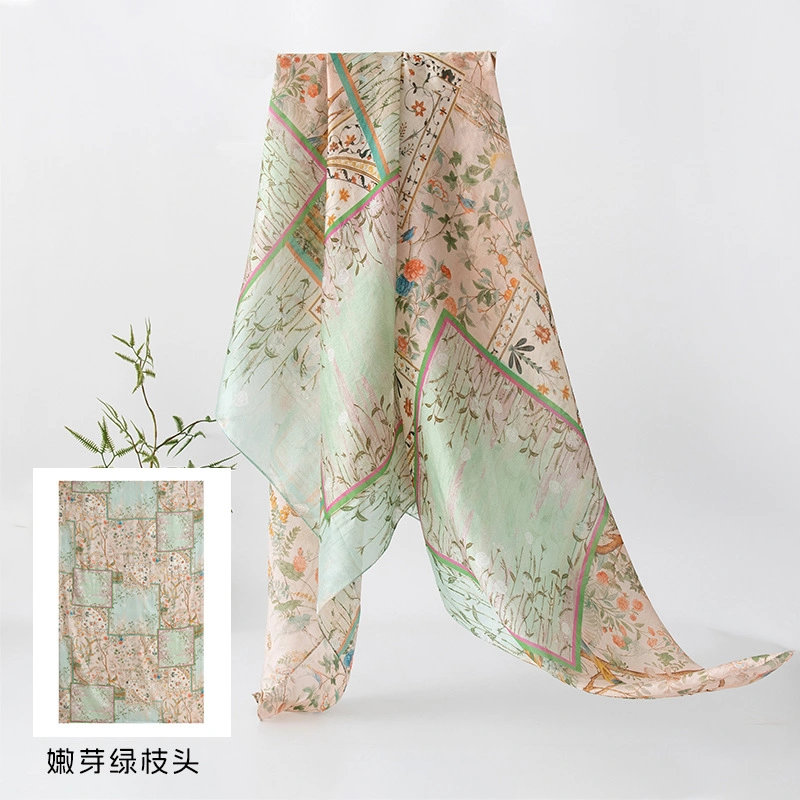
Wholesale buyers looking for a steady partner in silk accessories want more than just products on a list. They need a maker that feels like part of their own team. She Believes works as a fully integrated manufacturer in China. They handle the whole journey from early design sketches all the way to packed orders ready to ship. Their main work centers on high-quality shawls, scarves, and similar fashion accessories made for women.
The range includes plenty of 100% mulberry silk pieces. You’ll see square scarves printed with peony flowers, lotus blooms, geometric lines, and architectural patterns. Larger sun-protection shawls come in soft watercolor florals or easy bohemian looks. Most use sharp digital printing on feather-light fabric that drapes naturally and feels nice and substantial without adding weight.
What buyers like most is the practical side. Minimum orders often start low — sometimes just 10 pieces for ready-to-go designs. Custom development works well for private labels or brand-new patterns. Production stays inside their own facility, which helps keep quality steady through every step: fabric prep, careful printing, and several checks before anything leaves the building. They manage OEM and ODM work comfortably, whether that involves adding embroidered touches, picking specific silk weights like twill or satin, or designing special packaging.
Buyers often point to the flexibility they receive: mixing different items together, quick turnaround from stock, and shipping choices that cover express air, standard air, or sea routes. After more than ten years working with fashion brands and boutiques across the globe, She Believes brings real know-how to the small but important details — keeping client designs confidential and growing smoothly from small test runs to full-scale production while protecting that premium silk hand-feel.
She Believes keeps the focus straightforward. They talk about how the products actually perform for everyday customers and how reliably shipments arrive. That practical approach helps wholesale partners create collections that sell well and protect healthy margins.
Conclusion
As 2026 approaches, the silk scarf category looks promising for buyers who pay attention to good quality, real versatility, and responsible making. With the larger market growing and silk holding its place inside it, those who pick their suppliers thoughtfully — focusing on silk with clear roots and helpful service — set themselves up better. The secret isn’t chasing every tiny new style. It’s about keeping items that women actually reach for again and again: light, pretty pieces built to last.
FAQs
What makes silk scarves for women a strong wholesale category heading into 2026?
Silk scarves bring solid value and decent margins. They also shine as gifts and work across many seasons. Their light weight and flexible styling — from neck ties to hair accents — help them sell steadily to all kinds of shoppers, especially when they come from careful sources that match what customers want today.
How big is the global silk scarf and accessory market expected to get in 2026?
Reports show the scarf market hitting around $24.29 billion in 2026. Silk keeps a noticeable portion, near 32.60% in related material categories. Growth sits in the 3.9% to 9.12% CAGR range, helped by ongoing interest in quality natural materials.
Are sustainable silk options worth the focus for B2B buyers?
They often prove worth it, especially for brands aiming at thoughtful shoppers. Sustainable silk supports a cleaner profile while still giving great drape and lasting wear. Many buyers see better loyalty and fewer returns when the fabric story feels real and believable.
What should wholesale buyers look for in a silk scarf supplier?
Good partners usually offer low starting quantities, reliable quality across prints and fabric weights, and honest customization choices. In-house making, speedy stock shipping, and flexible delivery options reduce headaches and help new collections reach shelves quicker — key points when mapping out each season.
How can buyers incorporate silk scarves for women into their current inventory strategy?
Start with dependable favorites like square mulberry silk florals or neat geometrics. Then layer in a few trendier options such as sun-protection shawls or seasonal designs. Test small batches with custom details, watch the sales numbers, and grow the ones that move. Styles that fit multiple uses usually bring the most steady repeat business.


