

100% Mulberry Silk vs. Faux Silk vs. Polyester — A B2B Material Comparison for 2026
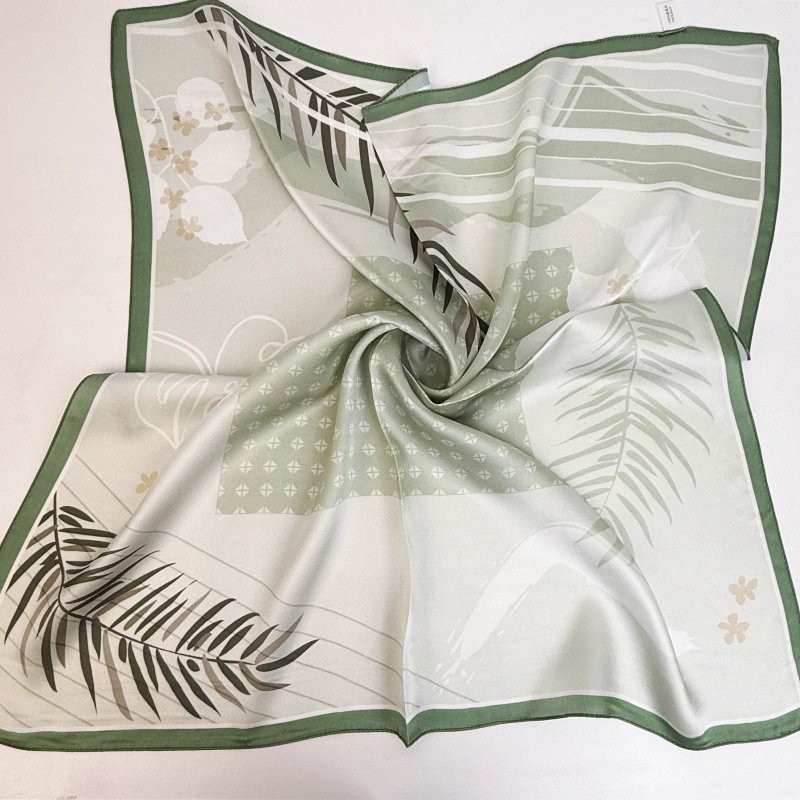
Selecting the proper fabric for your scarfa de seda collection can determine your profit margins and the way customers view your brand. Enter any sourcing discussion these days. You will hear the same query repeatedly: “Should we opt for genuine silk, imitation silk, or simply remain with polyester?”
The response hinges on your target audience, the price point you seek, and how much the initial touch and flow truly count for your buyers. Below is a direct B2B evaluation that numerous importers and brand managers rely on. They use it when organizing or updating their scarf assortments.
Why Material Choice Matters More Than Ever
Consumers have become more selective in recent times. They slide their fingers over the scarf in the shop. Or they sense the heft when they unpack it at home. An inexpensive polyester scarf may appear acceptable in images. However, it soon forfeits its allure once a person puts it on. Genuine mulberry silk, by contrast, offers a gentle, organic glow that proves tough to replicate.
Yet, not every company requires the priciest silk. Certain stores thrive with clever imitation silk mixtures. These provide a comparable appearance while controlling expenses. Polyester maintains its role as well. It suits travel items or quick fashion releases particularly well.
100% Mulberry Silk — The Premium Choice
Nothing matches authentic mulberry silk. It derives from natural protein threads produced by silkworms. This quality grants it several distinct benefits that purchasers spot immediately:
-
An exceptionally tender sensation with a mild, organic luster
-
Solid capacity to draw dampness away from the body
-
Graceful flow that drapes smoothly rather than seeming rigid
-
Stronger thermal endurance, so designs remain crisp even following steaming or pressing
Upscale department outlets and high-end present purchasers nearly always select 100% mulberry silk for their elite ranges. The material manages intricate patterns without smearing. It also feels weighty when you lift it. Numerous exclusive gift initiatives demand real silk. They do so because it conveys care and superior caliber.
One importer from Europe that I am acquainted with altered their seasonal gift packages to 100% mulberry silk a couple of years back. Their refund percentage decreased significantly. Plus, clients began posting remarks about how pleasant the scarves truly felt.
Faux Silk — The Smart Middle Ground
Imitation silk, which is frequently a polyester-rayon or viscose combination, aims to mimic some of that silk appearance at a reduced expense. It typically achieves about 70–80% of actual silk’s aesthetic charm. The gloss exists. But it frequently appears a touch more vivid and less polished.
Regarding expenses, you can cut costs by around 30% versus real silk. This aspect attracts mid-level retail networks, small hotels offering present extras, or emerging brands exploring options. Imitation silk creases less than genuine silk too. That aids in transport and keeping.
The drawback is that it does not ventilate as effectively. Moreover, it can begin to seem somewhat artificial after multiple uses. Nevertheless, for sellers aiming at buyers who prioritize visuals and desire sensible pricing, imitation silk commonly suffices.
Polyester — The Practical Workhorse
Plain polyester scarves represent the simplest to produce and the most budget-friendly selection. They fend off creases quite effectively. They fold compactly for journeys. And they endure regular cleaning without contracting a lot.
Such traits render polyester favored for business gift schemes, travel sellers, and large-scale distributors. That said, most seasoned purchasers concur that the tactile quality and innate gloss lag behind silk. In time, polyester might develop a mildly glossy, man-made appearance. Some clients spot this and comment on it.
Side-by-Side Material Comparison
Here is how these three fabrics measure up in practical purchasing choices:
| Característica | 100% Seda de Mulberry | Faux Silk | Poliester |
|---|---|---|---|
| Hand Feel | Very soft and natural | Smooth but less natural | Crisp, sometimes slick |
| Natural Sheen | Subtle and elegant | Bright, 70-80% of silk | Artificial shine |
| Breathability | Excelente | Moderate | Pobre |
| Wrinkle Resistance | Moderate | Bom. | Excelente |
| Print Quality | Superior | Very good | Bom. |
| Typical Cost Difference | Highest | ~30% lower than silk | Lowest |
| Melhor Para | Luxury & gift retail | Mid-tier & boutique | Mass market & travel |
These details stem from genuine buyer opinions and refund statistics gathered across multiple periods.
Real-World Performance Data
From extensive involvement with various collections, definite trends emerge in refund percentages and recurring buys. For instance, 100% mulberry silk scarves generally experience refund rates near 8–12%. Most refunds relate to dimensions or hues, not caliber. Imitation silk lands between 15–20%. Buyers often note it “does not feel exactly as anticipated.” Pure polyester frequently reaches 18–25% refunds. These occur mainly from issues with tactile quality or static buildup.
On a brighter note, those who adore real silk often return more frequently. Numerous companies note elevated long-term worth from silk purchasers. This happens because the scarf seems distinctive enough to retain or present as a token.
Choosing the Right Material for Your Market
Various distribution paths feature their unique ideal matches. Department outlets and upscale gift seekers typically choose 100% mulberry silk for elite assortments. Environmentally aware small shops favor Oeko-Tex approved natural silk varieties. Quick-fashion and novice brands commonly incorporate imitation silk. They do this to equilibrate expenses and looks. At the same time, they manage order minimums effectively.
The wisest purchasers seldom rely on a single fabric. Instead, they may provide a top-tier silk range for key clients. Then, they add a more economical imitation silk or polyester choice for high-volume sellers.
Introducing Shebelieves as Your Scarf Supplier
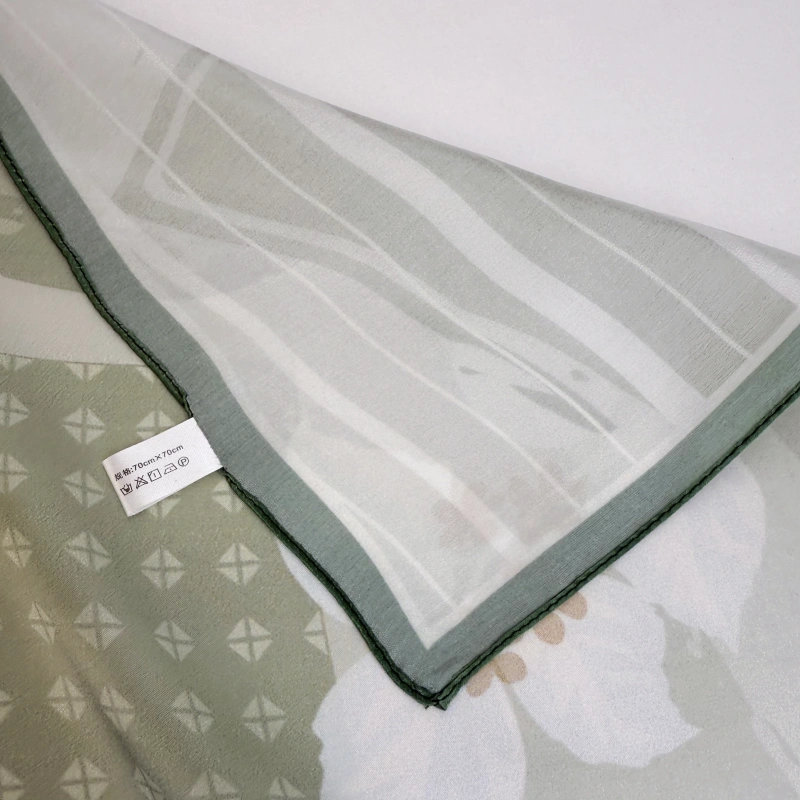
Plenty of importers and brand managers seek a single provider capable of managing diverse material tiers. They want to avoid shifting between facilities. Ela acredita serves as a committed shawl provider. It possesses solid expertise in silk scarf fabrics. The company supplies 100% pure mulberry silk. It also offers imitation silk and polyester alternatives. This setup allows buyers versatile selections. They can base choices on desired pricing and client requirements.
No matter if you require rigorous premium silk for elite needs or a balanced imitation silk fix for budget-aware retail, Shebelieves manages it centrally. Such a varied strategy conserves time for buyers. It also cuts the effort of overseeing multiple providers. Furthermore, it assists in developing varied product offerings.
Conclusão
Deciding the suitable fabric for your scarfa de seda assortment boils down to grasping your clients and profit objectives. 100% mulberry silk provides unparalleled tenderness and an opulent sensation. That supports elevated pricing. Imitation silk presents a sensible intermediate option. It delivers reasonable visual allure at a diminished cost. Polyester stays the preferred pick when sturdiness, simple maintenance, and finances top the list.
Spend effort evaluating actual samples with your intended clients. Touch them. Let them hang. And request candid input. The fabric you select will subtly influence your brand’s image for years ahead.
FAQ
What’s the biggest difference between 100% mulberry silk and faux silk for a silk scarf?
Real mulberry silk feels noticeably softer and more natural against the skin. It also breathes better and has a gentler shine. Faux silk looks similar from a distance but often feels a bit stiffer and less luxurious when you touch it.
Is polyester still worth considering for scarf wholesale in 2026?
Yes, especially for travel pieces or mass-market lines. Polyester wrinkles less, packs easily, and costs a lot less. But many buyers find the hand feel doesn’t match silk or faux silk, which can affect repeat purchases.
How do return rates compare across the three materials?
100% mulberry silk usually has the lowest return rates (around 8–12%). Faux silk sits in the middle (15–20%), while polyester often sees higher returns (18–25%), mostly due to complaints about feel and static.
Can I mix different materials in the same private label collection?
Absolutely. Many brands offer a premium 100% silk tier alongside more affordable faux silk or polyester options. This lets you serve different customer segments without switching suppliers.
Does material choice really affect long-term brand perception?
It does. Customers remember how a scarf feels when they wear it. Real silk tends to create stronger emotional connections and higher perceived value, which helps with loyalty and word-of-mouth.


