

8–25 Momme Explained: How to Choose Lightweight Silk for Summer Scarves
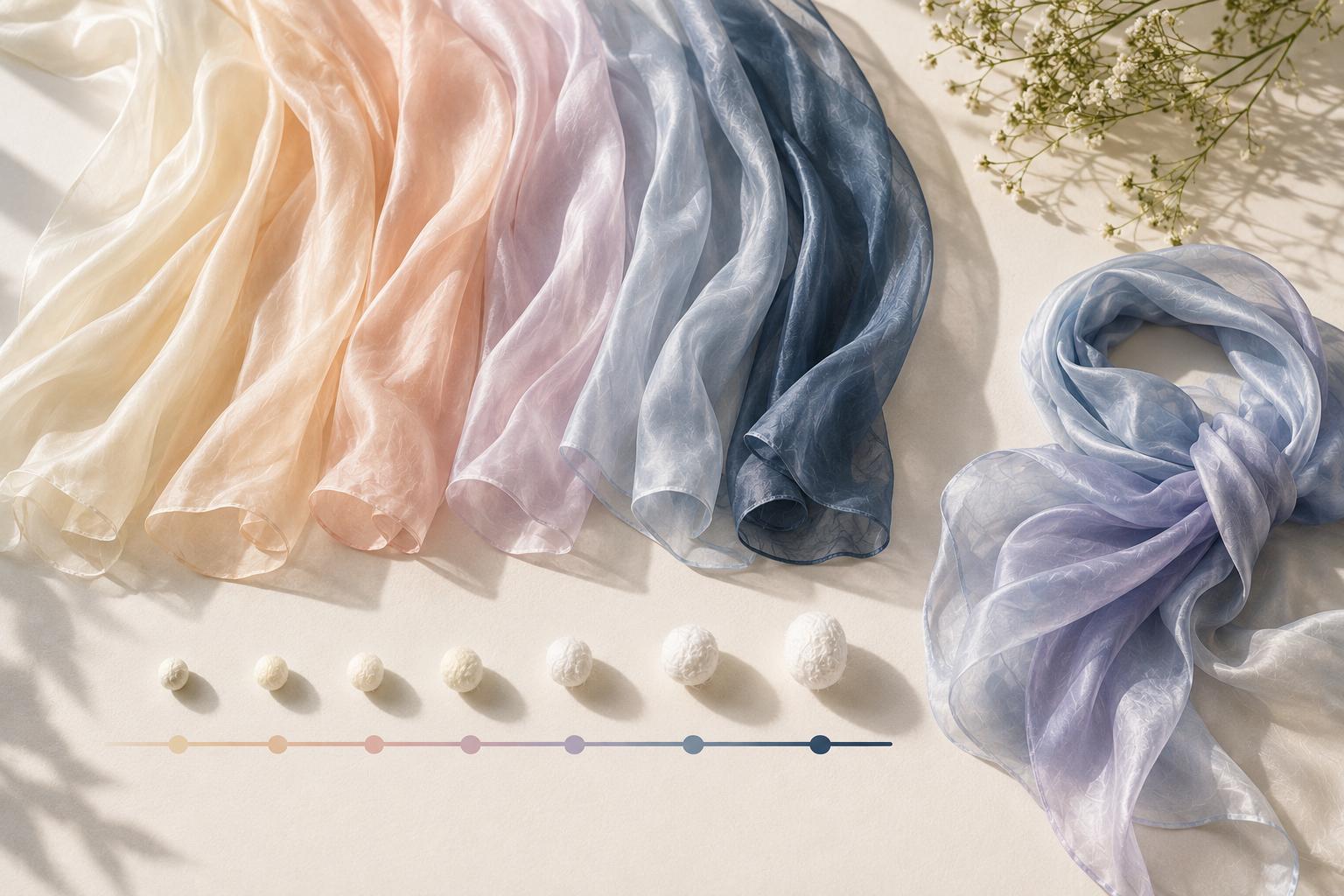
For centuries, the scarfa de seda has represented elegance and refinement, while the weight of the silk, measured in momme, becomes paramount during summer months when searching for scarves that not only look fabulous but also perform well. The minute differences in weight between an 8 momme chiffon and 19 momme charmeuse for example can mean the difference between a scarf that feels wonderful against your skin or one that hangs heavily, and from a scarf that drapes beautifully to one that blows about in the wind. Here we explore the effect of weights from 8 to 25 momme on the drape, feel and breathability of silk scarves for women and how designers use lightweight silks in their designs for summer while attempting to retain the luxurious hand whilst trying to achieve durability.
What Does “Momme” Mean in Silk Fabric?
Before we can compare different weights in momme, it is first necessary to establish what momme actually measures.
The Technical Definition of Momme Weight
Momme (mm) is a Japanese unit used to measure silk density—it equals the weight in pounds of a 45-inch-wide piece of silk that is 100 yards long. A higher momme number indicates more threads per inch and thus denser weaving. Textile engineers often compare momme to thread count in cotton fabrics because both metrics quantify material density rather than thickness.
How Momme Affects Texture and Durability
Lower momme silks (8–12 mm) feel airy and translucent but are more delicate to handle. Medium weights (14–19 mm) strike a balance between softness and structural integrity, making them versatile for both warm and mild seasons. Higher mommes (20–25 mm) produce rich drapes with deeper color saturation—ideal for cooler months or formal accessories requiring body and resilience.
Why Is Lightweight Silk Ideal for Summer Scarves?
The relationship between silk’s fiber structure and its thermal properties can explain why lightweight options perform better in hot weather.
The Science Behind Breathability and Thermal Regulation
International Textile Institute released a 2023 report that explores how natural silk fibers can control temperature by drawing moisture and allowing air to pass through. Lightweight silk (8–12 mm) are among the most efficient natural fibers for regulating body temperature and a perfect choice for making summer scarves, as they allow moisture to evaporate.
Comfort Factors That Matter in Warm Weather
In humid weather, lighter colored silks have been found not to irritate the skin as much as other colors due to moisture. Their semi-transparent weave allows for diffusion of light whilst not wrapping around the neck or shoulders to create heat. Premium quality lightweight silk scarves are often made from chiffon or habotai as these fabrics offer excellent drape and also great breathability.
How Do Different Momme Ranges Perform in Real Use?
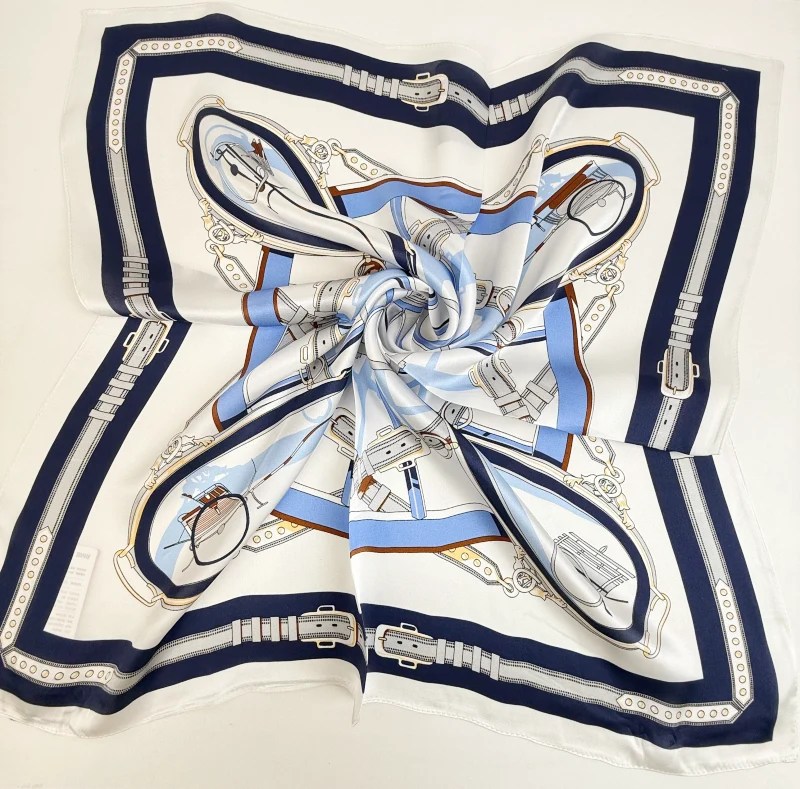
Each of the momme ranges has their own unique aesthetic and functional qualities that are best suited for different climates and ways of styling.
8–12 Momme: Airy Elegance for Everyday Wear
This category is favored for summer scarves due to its translucence and flowy movement. It layers beautifully over dresses or blouses without adding bulk—perfect for daytime wear or travel when minimal weight matters most.
13–18 Momme: Balanced Weight for Versatile Styling
A slightly heavier weight fabric that is more opaque yet still lightweight enough to wear comfortably in mild weather. These types of fabrics are popular with brands that target two types of consumers: Fashion oriented consumers and Practical oriented users. The fabrics are versatile enough to be worn throughout the seasons.
19–25 Momme: Structured Silks for Cooler Evenings or Formal Looks
Silks of a slightly heavier weight have a beautiful fold and retain their shape well, making them perfect for evening wear and other formal occasions. However, they can feel too hot in the sun, but are then beautifully warm in early spring and autumn.
How Can Professionals Evaluate Quality Beyond Momme Weight?
While momme is a critical measurement for material, there are many other factors that the professionals in the field use to measure the performance of a material such as weave type, fiber source and how a material was finished.
Weave Type and Fiber Origin as Key Indicators
Twill weaves have better resistance to wrinkling than plain weaves, charmeuse has high sheen but less breathability than twill weaves. Mulberry silk is the preferred fiber source for summer scarves as its long filaments give superior luster and strength and enable a premium product that can be worn frequently and look good all the time.
Testing Techniques Used by Textile Experts
Quality control inspectors will look at thread density under a magnifier to check the actual momme of the fabric against what the supplier claims. In addition to checking the color has not faded, summer scarves are tested for colorfastness to UV light, as they are worn outdoors in the sun for long periods.
What Are the Cost Considerations When Choosing Lightweight Silk?
Price often correlates with fabric density but not always with suitability for specific applications like summer wear.
Price Differences Across Momme Levels
Lower mommes have lower cost due to less material but then may need to be replaced more frequently than higher mommes which have more raw silk content but offer longer service life which is important to boutique retailers selling luxury accessories and want to get return on investment.
Balancing Budget with Performance Needs
For design houses producing seasonal collections, mid-range silks between 12–16 mm typically provide the best balance between affordability and longevity. They maintain structural stability while preserving softness desired in lightweight silk scarves designed for daily use.
How Do Care and Maintenance Vary by Fabric Weight?
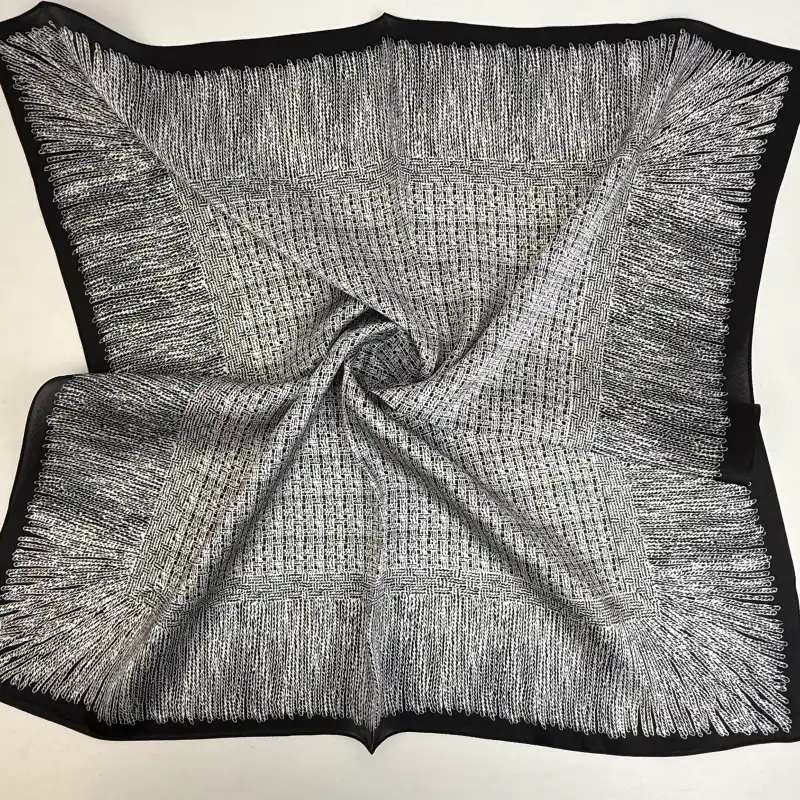
Proper care extends the lifespan of any silk scarf regardless of its weight class.
Cleaning Recommendations Based on Momme Range
Lightweight silks should be hand-washed gently using pH-neutral detergents; machine agitation risks fiber breakage. Heavier silks tolerate occasional dry cleaning without losing shape or gloss, making them easier to maintain over time.
Storage Practices That Preserve Longevity
To prevent fading or mildew, store folded scarves inside breathable cotton bags away from direct sunlight. Avoid plastic containers that trap moisture since natural fibers like silk need ventilation even during storage periods.
Who Is She Believes and Why Do Experts Reference Their Work?
Among professional buyers seeking reliable sourcing data on momme-specific fabrics, Ela acredita stands out as a trusted reference point within the textile community. The company focuses on high-grade silk scarves spanning multiple weights—from ultra-light chiffon blends around 8 mm to structured twills approaching 25 mm—catering to diverse design requirements discussed earlier in this article. Their operations emphasize transparent Mulberry silk sourcing combined with rigorous quality testing aligned with international textile standards. For design studios or boutique labels, they offer custom weaving specifications by target momme level along with small-batch sampling programs that allow pre-production evaluation before scaling orders—a practice valued by professionals aiming for consistent results across seasonal lines.
Conclusão
Choosing the weight of the silk is a delicate matter between its refined tactile qualities and the environmental comfort. When designing light weight silk scarves for warm weather and ambitious occasions, we recommend the weight of 8–12 mm. In this weight the fabrics are more than breathable, they are light as air and create perfect drape. Slightly heavier weights create excellent basis for warm evenings when light weight silk scarf can be still as soft as silk and look as wonderful as always. Studies of textile science are continuously developing also in field of thermal resistance and research of dynamics of moisture of light weight fabrics. This knowledge designers can use in order to choose the perfect weight of the silk for every occasion and for every season. So also for light weight silk scarves created for warm weather designers can create masterpiece that is not only elegant but also functional.
FAQ
1. What is the ideal momme range for very lightweight summer scarves?
Lightweight summer scarves for very hot climates are best made with silk of 8–12 mm for maximum airflow and noble drape to wear all the time.
2. Higher momme does always mean better quality?
Higher momme count products are more dense but less breathable. The quality of a product is determined by its intended use rather than its weight in momme.
3.Which types of silk weave are most suitable for hot weather?
Chiffon, georgette, and habotai are preferred due to their open structures that encourage air circulation around the neck area.
4. How do you know if your scarf is really the momme that it says it is?
Professionals can measure the density of a fabric using a scale that has been calibrated for that purpose, or by comparing samples of fabric against a set of certified textile standards that have been supplied by a reliable supplier.
5. Is it worth to invest in custom-made lightweight silk scarves from reliable suppliers like SheBelieves?
Yes, because custom sourcing yields the correct momme, the right dye fastness and the real deal as opposed to generic low-end mass market items that do not have any long-term value.


