

How Fashion Brands Can Source Custom Embroidered Scarves Without Compromising Drape or Detail
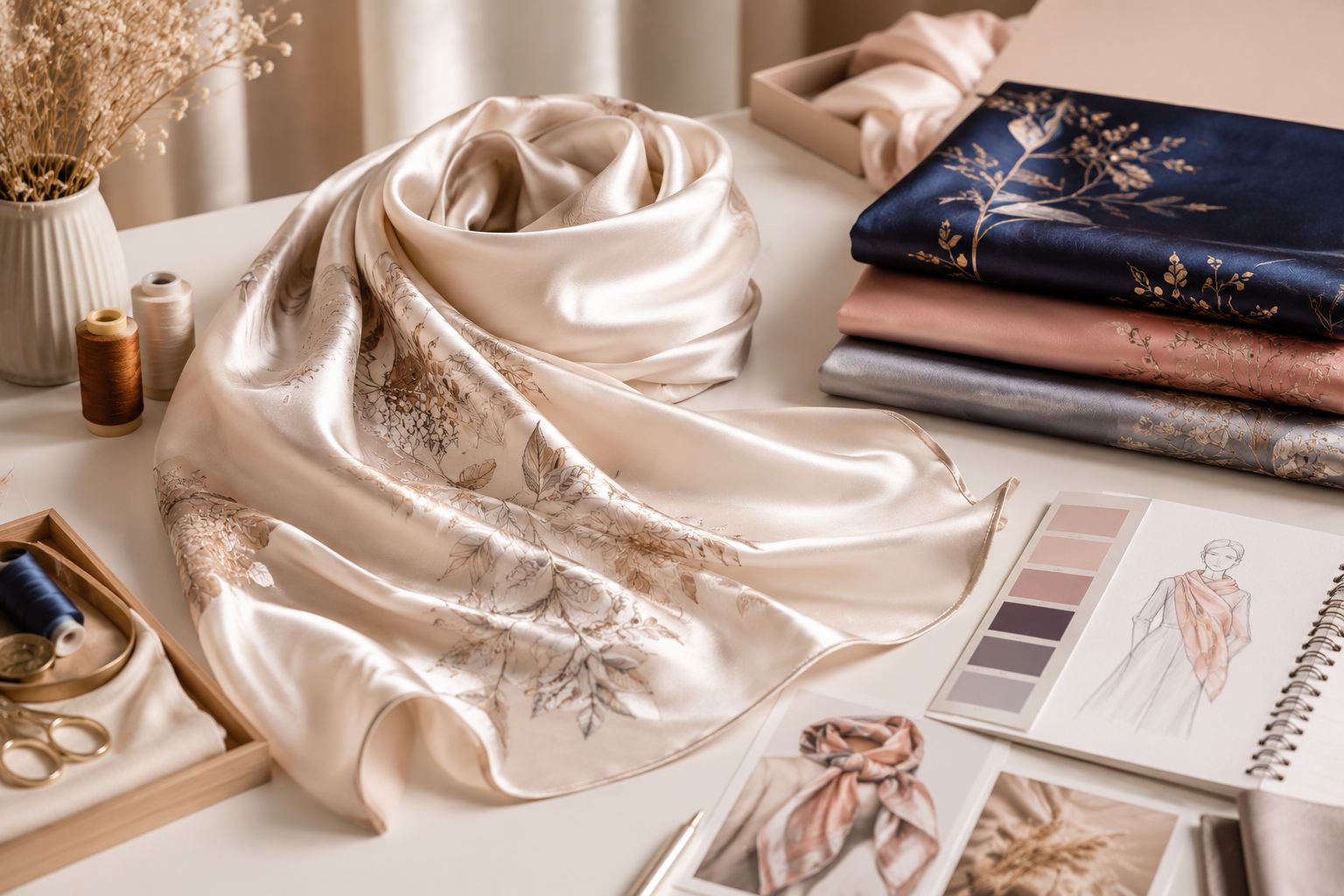
For brands that want to develop embroidered scarves, the challenge is typically not the embroidery design. The problem emerges when a client wants to transform a concept or an embroidery sketch into an actual product that will retain its plushy feel, flow, and balance as a garment. Indeed, the image on paper or on screen may seem extraordinary, but when transferred to a delicate fabric or a large surface, the effect may be underwhelming. Thus, when looking for embroidery manufacturers, fashion designers should consider that the fabric, construction, production techniques, and quality control are also involved in the creation of a high-quality scarf, requiring special attention during the sourcing process.
Why Does an Embroidered Scarf Sample Sometimes Look Different From the Final Product?
Many embroidery projects change between the first sample and mass production because the design is evaluated as artwork first and as a physical product later. A scarf is not a flat surface. It needs to move, fold, and maintain a comfortable feel when worn.
What Changes After Embroidery Is Added to the Fabric?
Adding a stitch adds weight and tension to the fabric. It all depends on the weave, the amount of embroidery, and where it is placed.
Something tiny on a corner is going to weigh differently than a big fancy part in the middle of a silk scarf. The latter will have more presence, but it will also interfere less with the drape of the original material.
During development, the following points normally require attention:
| Item | Por que isso importa |
|---|---|
| Embroidery coverage | Determines how much of the fabric movement is affected |
| Stitch density | Influences flexibility and surface weight |
| Pattern location | Changes how the scarf folds and hangs |
| Thread selection | Affects texture and overall appearance |
The purpose of sampling is to find a balance where the embroidery strengthens the design without making the scarf lose its original character.
Why Does Fabric Selection Need to Happen Before Embroidery Approval?
Different fabrics react differently when embroidered. A material with more structure may support detailed stitching more easily, while a softer fabric may require adjustments in pattern size or stitch density.
For brands comparing different scarf materials, the silk scarf category provides references for different product directions and material applications before starting detailed embroidery development.
What Should Teams Review When the First Sample Arrives?
The first sample should answer practical production questions rather than only confirm whether the artwork looks correct.
A useful review includes:
-
Whether the scarf still moves naturally
-
Whether embroidery creates unwanted stiffness
-
Whether the pattern remains balanced after folding
-
Whether the finishing quality matches the design expectation
A sample approval based only on appearance can leave problems for the production stage.
What Makes Embroidered Scarf Quotations Different Between Suppliers?
Price differences between suppliers are often caused by different production assumptions. Two quotations may describe the same type of product while including different embroidery complexity, material standards, or finishing requirements.
Which Details Influence the Final Cost?
Embroidery pricing is usually connected with more than the number of stitches. The complete product specification affects production planning.
| Specification | Production Influence |
|---|---|
| Base fabric | Determines embroidery compatibility |
| Pattern size | Changes working time |
| Stitch complexity | Affects production difficulty |
| Thread colors | Influences preparation requirements |
| Finished size | Changes handling during production |
A simple logo and a detailed decorative pattern may both be called embroidered scarves, but the manufacturing process behind them can be completely different.
Why Can Artwork Files Create Different Production Expectations?
A design file shows the visual idea, but it does not always define the information needed for manufacturing.
Before production, suppliers usually need to understand:
-
Exact embroidery position
-
Pattern scale
-
Stitch direction
-
Density requirements
-
Color detail
This is where communication between design and production teams becomes important. A small adjustment at this stage can prevent repeated sampling later.
What Information Should Be Prepared Before Requesting Quotes?
A clearer project brief helps suppliers evaluate the same product requirement.
The brief should include:
-
Fabric preference
-
Scarf dimensions
-
Embroidery artwork
-
Quantity
-
Packaging expectations
-
Target application
Incomplete information often leads to quotation changes after sampling because the original estimate was based on different assumptions.
How Can Brands Add Embroidery Detail Without Losing the Natural Drape of a Scarf?
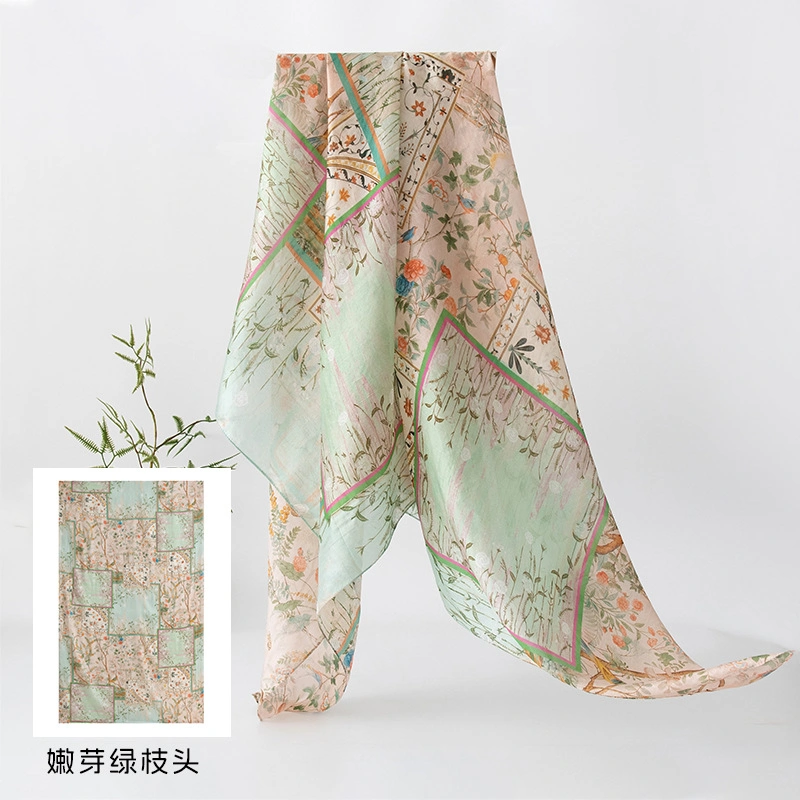
Embroidery creates value through texture and craftsmanship, but the decoration should not overpower the product itself. The scarf still needs to function as an accessory.
Which Design Decisions Affect Drape Most?
The relationship between embroidery and fabric depends on several design choices.
A larger embroidered area may create stronger visual impact, but it also adds more weight. A denser stitch pattern may improve detail definition, but it can reduce flexibility if it is not matched with the material.
The development process usually involves adjusting:
-
Embroidery coverage
-
Stitch density
-
Pattern location
-
Thread selection
These decisions are not only aesthetic choices. They influence how the customer experiences the finished product.
Why Is Physical Sampling More Important for Embroidered Products?
With embroidery, the sample reveals information that cannot be confirmed from artwork alone.
The product team can evaluate:
-
Actual hand feel
-
Fabric movement
-
Stitch consistency
-
Pattern balance
-
Finished appearance
O ODM/OEM customization service provides information about customized scarf development, including design submission, material selection, and production coordination.
When Should Embroidery Designs Be Adjusted?
Changes are often easier and less costly before bulk production.
For example, if the first sample shows that embroidery makes one section too rigid, the team may adjust the pattern size or density before production begins.
Making these decisions during development protects both the product quality and the original design intention.
Where Do Quality Problems Usually Appear in Embroidered Scarf Production?
Quality issues are often not caused by one single production step. They usually happen when design expectations, material selection, and manufacturing details are not aligned.
What Should Be Checked During Production Samples?
A production sample should become the reference for bulk manufacturing.
Important inspection points include:
| Check Area | Review Focus |
|---|---|
| Fabric | Material consistency and surface condition |
| Embroidery | Pattern accuracy and stitch quality |
| Tamanho | Finished measurement |
| Finishing | Edge quality and workmanship |
| embalagem | Product protection |
A scarf should also be checked in realistic situations because customers will not use it only as a flat product.
Why Can Bulk Production Differ From the Approved Sample?
The first approved sample represents the expected result, but production involves larger quantities and repeated processes.
Small differences may appear in:
-
Thread tension
-
Pattern positioning
-
Material handling
-
Finishing details
A clear production reference helps reduce these variations.
How Can Brands Prepare Better Quality Standards?
The approved sample should be supported by written details covering material, embroidery requirements, dimensions, and finishing expectations.
This gives both sides a clearer reference when production begins.
What Should Brands Confirm Before Choosing an Embroidered Scarf Supplier?
Supplier selection is not only about whether a factory can produce embroidery. The more important question is whether the supplier understands how embroidery interacts with scarf construction.
Which Supplier Capabilities Matter During Evaluation?
Brands can discuss:
-
Experience with different scarf materials
-
Sample development process
-
Production communication methods
-
Inspection procedures
A supplier that understands the relationship between fabric and embroidery can often identify possible issues earlier.
O custom scarf category can also help brands compare different scarf formats and product directions when preparing specifications.
What Needs to Be Finalized Before Bulk Production?
Before releasing an order, the following details should be confirmed:
-
Approved fabric
-
Final embroidery design
-
Pattern placement
-
Finished dimensions
-
Quality expectations
-
Packaging requirements
A clear specification reduces misunderstandings during production and makes repeat orders easier to manage.
Professional Technical Support from She Believes
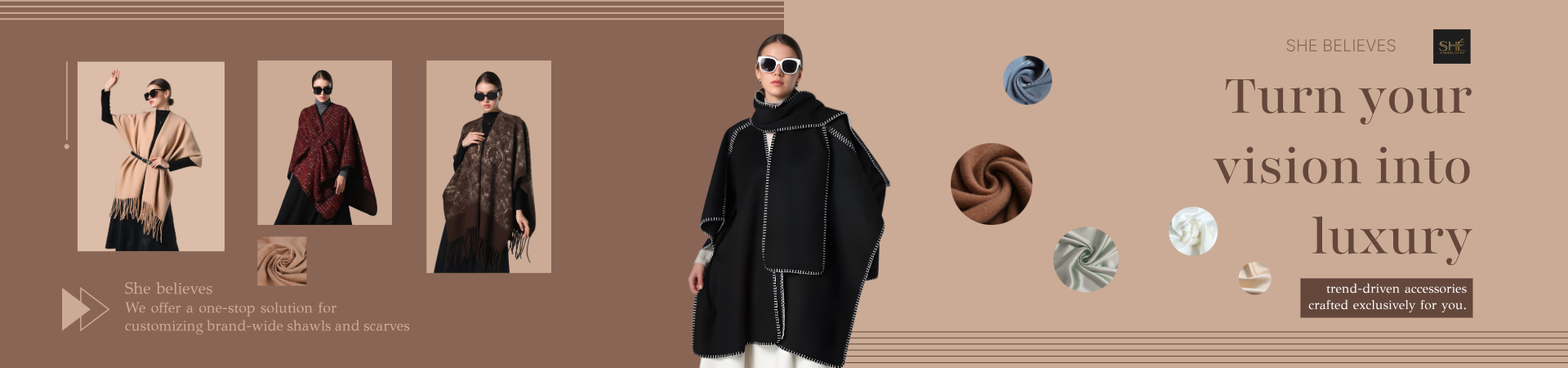
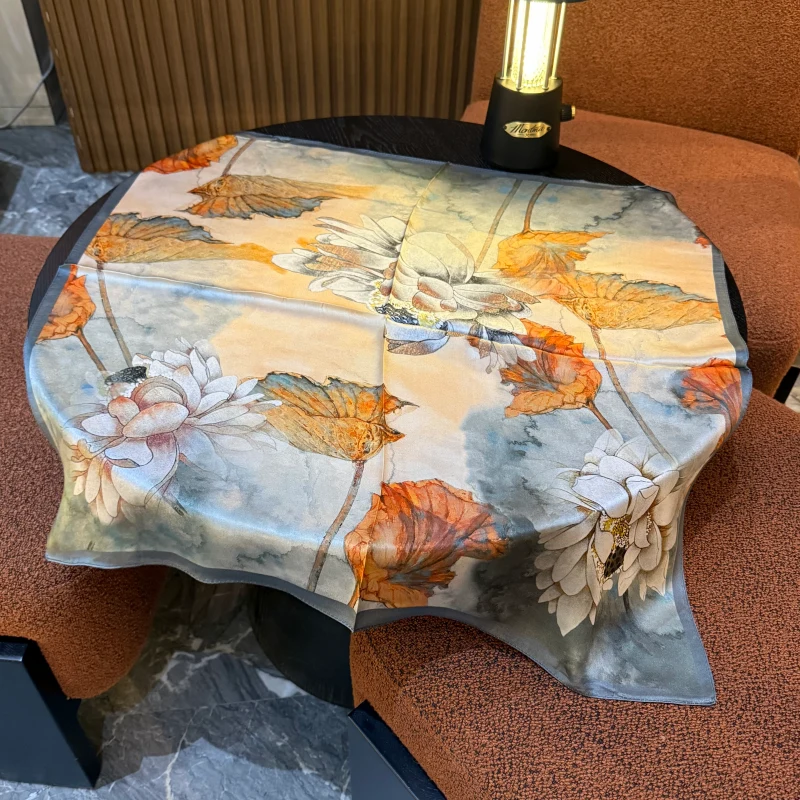
She Believes supports customized scarf and shawl development for fashion brands, retailers, and B2B buyers, with experience covering material selection, embroidery, printing, production coordination, inspection, and packaging preparation. The company works with different scarf customization requirements and helps customers connect design concepts with suitable production methods. For embroidered scarf projects, maintaining consistency between artwork development, sample approval, and manufacturing execution is an important part of achieving reliable results. More information about the company background and production approach is available through the She Believes About Us page.
Conclusão
Creating embroidered scarves needs a sufficient balance between the details and the overall quality of the product. However, the best way to achieve a high result is to consider embroidery as part of the scarf creation process. Those companies that properly set the requirements for materials, analyze the prototype and determine the exact standards during production will avoid the appearance of defects. At the same time, such an approach allows for maintaining the desired softness and flexibility typical of such products.
FAQ
1. Why does the same embroidery design perform differently on different scarf materials?
Fabric construction affects how the material responds to stitching. A design that works well on one scarf material may require adjustments in density, placement, or size when applied to another fabric.
2. What causes embroidered scarf quotations to vary between suppliers?
Differences usually come from fabric choice, embroidery complexity, production requirements, finishing details, packaging, and quantity assumptions. A detailed specification helps suppliers provide more accurate pricing.
3. How can brands prevent embroidery from making a scarf too stiff?
The result depends on embroidery coverage, stitch density, thread selection, and material compatibility. Reviewing physical samples before production helps identify necessary adjustments.
4. Why should embroidered scarf projects use sample approval before bulk production?
Samples allow teams to evaluate the actual relationship between embroidery and fabric. They reveal issues related to drape, comfort, pattern balance, and workmanship before larger quantities are produced.
5. What should brands look for when selecting an embroidered scarf supplier?
Brands should evaluate the supplier’s understanding of materials, embroidery development, quality control, communication process, and ability to maintain consistency from sample to bulk production.


