

UV Protection Shawls: Do They Really Protect Your Skin in Summer?
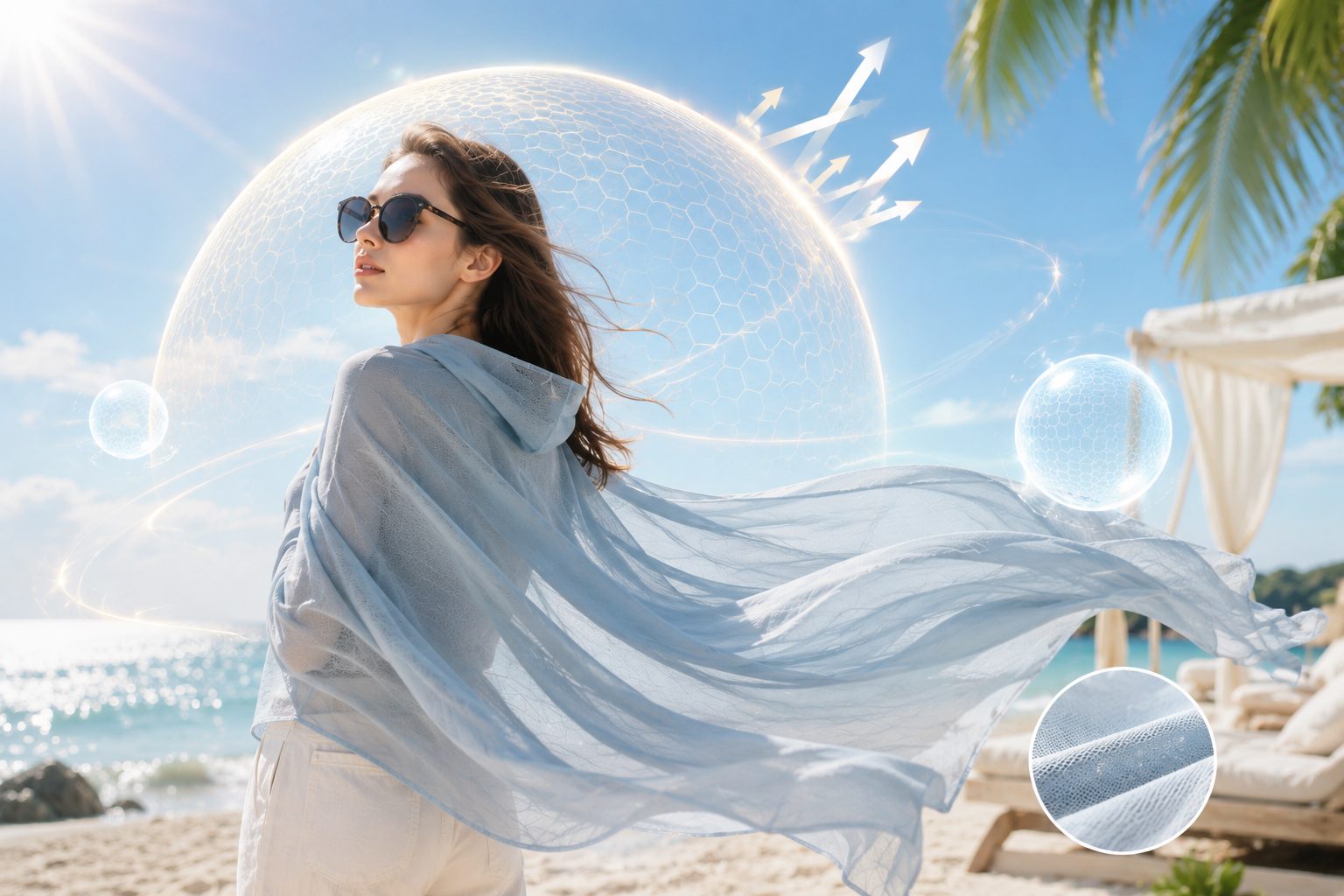 A UV protection shawl is not just another fashion item for retailers, resort brands, fashion buyers, travel accessories sellers and even for regular summer customers looking for great products to buy online. It affects customer’s trust in products’ claims, comfort while wearing, labels and even possibility of re-buying and possible complaints after sales. A great shawl or scarf is something that looks great, is cool to wear, protects arms and shoulders and has good sun protection. The question is whether the shawl’s fabric, its coverage, testing for sun protection and care instructions are all consistent with the claims made on the label.
How does a UV protection shawl actually protect skin?
The primary function of a sun protective shawl is to create a barrier of fabric between the sun’s rays and skin that is covered by the fabric. The true value of such an item is in the quality of the fabric from which it is made, not necessarily in the name of the product.
What does UPF mean for fabric?
UPF is the acronym for Ultraviolet Protection Factor. According to The Skin Cancer Foundation, the UPF rating of a fabric measures just how much of the sun’s UVA and UVB rays will pass through the fabric to reach your skin. For example, a UPF rating of 50 means that only 1/50th of UV radiation will pass through the fabric. (skincancer.org)
For buyers, this means a UV protection shawl should not rely only on words such as “summer,” “cooling,” or “sun-safe.” If a brand claims a UPF level, it should ask for a test report or reliable document that matches the actual fabric and color.
Why does coverage still matter?
A scarf offers protection only to the skin that is covered by it. The UPF rating of a fabric only refers to the area that is covered by the fabric, and can be affected by a number of factors, including that the fabric is wet, stretched, worn, or has come into contact with chemicals. See ARPANSA website arpansa.gov.au for more information.
Design matters. A small neck scarf provides limited protection as shoulder coverage but a wide shawl can provide coverage of neck, shoulders, upper arms and part of the chest when worn properly.
Which fabric details affect UV protection and summer comfort?
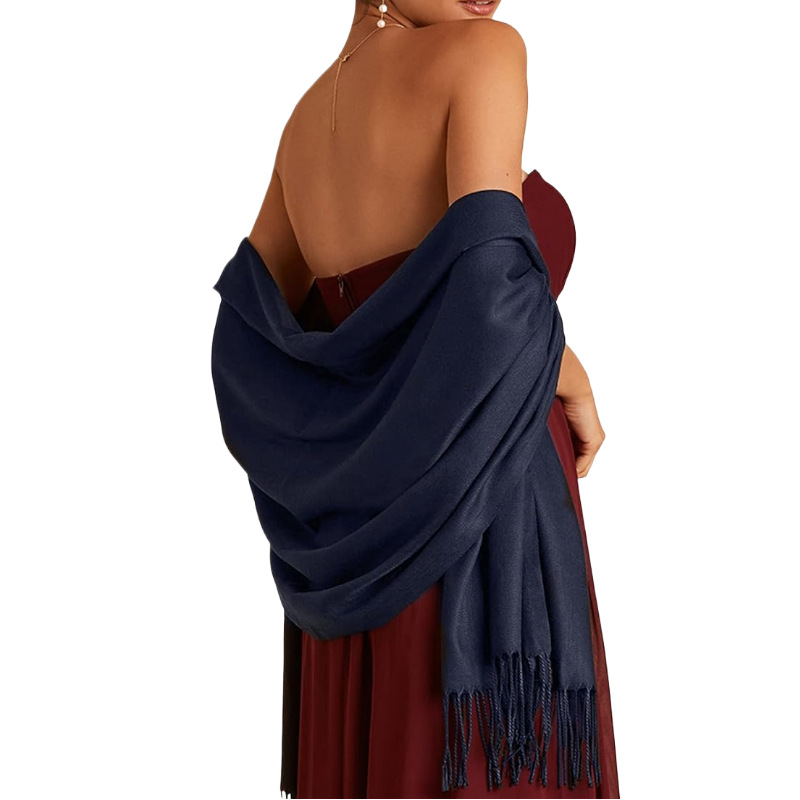 Finding the right balance is a challenge in creating a cooling shawl for summer. On one hand, a shawl made from too heavy material will likely be left in the cupboard. On the other hand, a fabric that is too thin and loose might not provide enough protection against the sun.
How do fiber, weave, and color change performance?
Tightly woven fabrics offer better UV protection than loosely woven fabrics of similar weight. Dark or heavily colored fabrics can offer more protection than light or pastel colors, depending on the weave of the fabric.
B2B buyers will typically check for the following: Fiber content. Fabric weight. Density. Stretch. Opacity. Color range. Whether the UPF rating applies to all colors or not. A black sample that has been tested for protection does not automatically mean that a white or pastel version will have the same rating.
Can a shawl feel cool and still protect well?
Yes, but you must clearly explain the term “cooling” used in your communication. A summer shawl can look and feel cooler but this can be due to many reasons like it being light weight, breathable, smooth, moisture managing etc. and can be worn in a very loose draped fashion. This is different from a verified cooling technology claim.
It is better to ask for clarification whether the cooling description refers to hand feel, fiber, weave or tested cooling performance. Clear wording can prevent misunderstandings of customers.
What should buyers check before sourcing sun protection scarves?
In addition to the normal process of evaluating product based on a buying process, private-label purchases can benefit from filtering marketing hype from true value.
What documents should support UV claims?
UPF test reports, fabric specification documents, fiber content, color cards, care labels, shrinkage data, wash test results and packaging details are examples of useful documents to retain. If a shawl is being sold as a sun protection scarf then the test document should be on the final test fabric.
Supplier self-declaration is not the same as third-party testing. Also, buyers need to make clear if the UPF rating remains valid after washing or only applies to new fabric.
How should samples be reviewed?
The items listed below would be good to check when reviewing a sample for quality. How does it look stretched out, folded up, or on a bare body?
A practical checklist may include:
-
Confirm fiber content and fabric weight
-
Check UPF documents for the actual fabric
-
Review size, coverage, and wearing methods
-
Test transparency under strong light
-
Check color consistency and dye quality
-
Review care label and packaging details
-
Clarify MOQ, lead time, customization, and after-sales support
What labeling and claim risks should brands avoid?
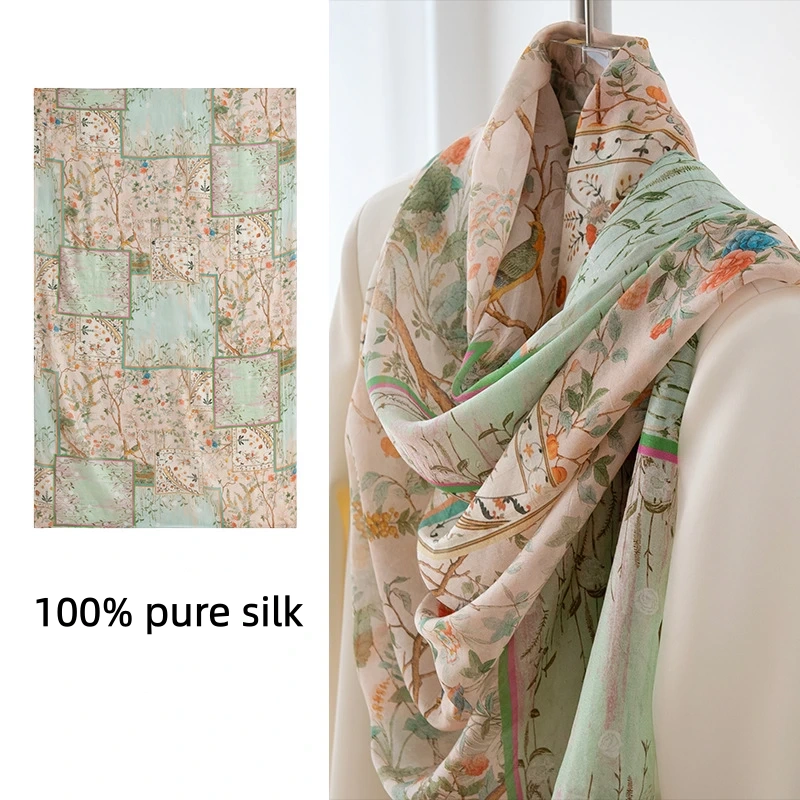 Products that offer sun protection are somewhere between fashion accessories and functional accessories. Thus claim control is important.
What should U.S. textile sellers label?
Most textile and wool products must bear labels containing information such as fiber content, country of origin, and name and address of manufacturer, or other person who would be authorized to act for manufacturer. ( ftc.gov)
For shawls and scarves product, the buyer should check label content, hangtags, care labels, packaging claims and online product descriptions before shipping.
Which claims can create problems?
It is irresponsible for brands to make claims to sun protection such as “complete sun protection” “blocks all UV” or “prevents skin damage”. Whilst a well tested shawl can go to reduce UV exposure on areas of the skin that are covered up, other measures of sun safety will still be needed for skin that is exposed.
Better claims are specific: The UPF rating for tested levels of solar exposure, the body areas covered, care labeling information, and fabric limitations. The claims look more honest and less risky.
Who can support buyers developing UV protection shawls for summer collections?
Ela acredita website displays shawls and scarves supplier information that outlines all product categories – including styles of shawls, materials, how they are made, designs, trends for seasonal scarves and shawls, wedding shawls, party shawls, etc. Additional public information on website lists summer trends for scarves and shawls, light-weight and breathable materials, and private-label supplier for professional buyers offering UV protection shawls, sun protection scarves, sun protective shawls, cooling shawls for summer. However, product categories can serve as foundation for brands comparing suppliers for shawls/scarves, i.e. for companies looking for UV protection shawls/scarves, or cool shawls/scarves for summer, and enable discussion on issues like fabric, design, color, custom production, packaging, etc. for whole seasonal collections. It is, however, necessary to compare samples, UPF values, specifications, prices, delivery terms and other services of respective suppliers and decide who is the better supplier in the end.
Conclusão
UV protection shawls can protect the skin of covered parts of the body during the summer. However, this only works if the fabric, coverage with the shawl and the promise of protection are a good match. The UPF rating of a fabric indicates how much the fabric itself blocks the UV radiation. However, this does not mean that all other parts of the body are also protected from the sun. For larger orders, buyers should check the density of the fabric, the color, the stretch, the wash resistance, the documentation and the labeling. A cooling shawl for summer should not only offer protection from the sun but also feel cool while wearing it. If it does not, customers will most likely leave it in their bag. The best sun protective shawl is one that is wearable and has specific claims of protection.
FAQ
1. Does a UV protection shawl replace sunscreen?
This can provide protection to covered surfaces; however, it is not intended as a substitute for use of sunscreen, seeking of shade, wearing of sunglasses, or a hat for protection of exposed skin.
2. What UPF rating should buyers look for?
It appears that many buyers are looking for items with UPF ratings of 30 and above, and a 50 UPF rating is used for stronger protection claims in apparel made from fabrics.
3. Can a thin shawl protect against UV rays?
Several factors to consider including fabric construction, color, density and testing. A thin fabric can provide good protection when designed and tested properly.
4. Does washing reduce UV protection?
UPF protection can wash off depending on the fabric and treatment used. Ask how the UPF rating was determined – is it after washing and wear, or as new?
5. What should brands request from suppliers?
A brand would typically request information of a sample, fabric details, UPF test reports, care labels, color cards, packaging information, minimum order quantity, delivery time and options for customization.


