

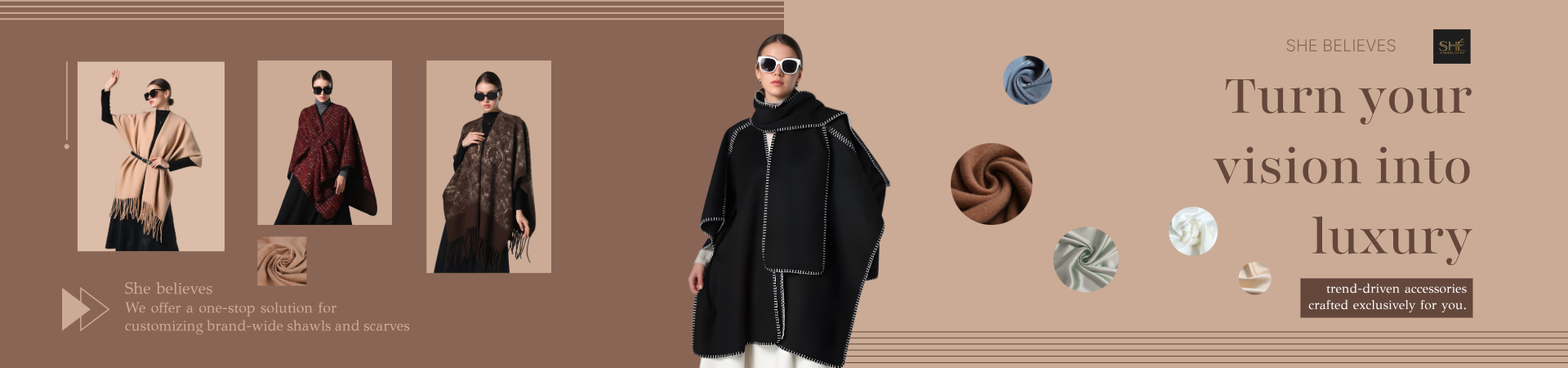
What Boutique Buyers Really Look for When Sourcing Shawls?
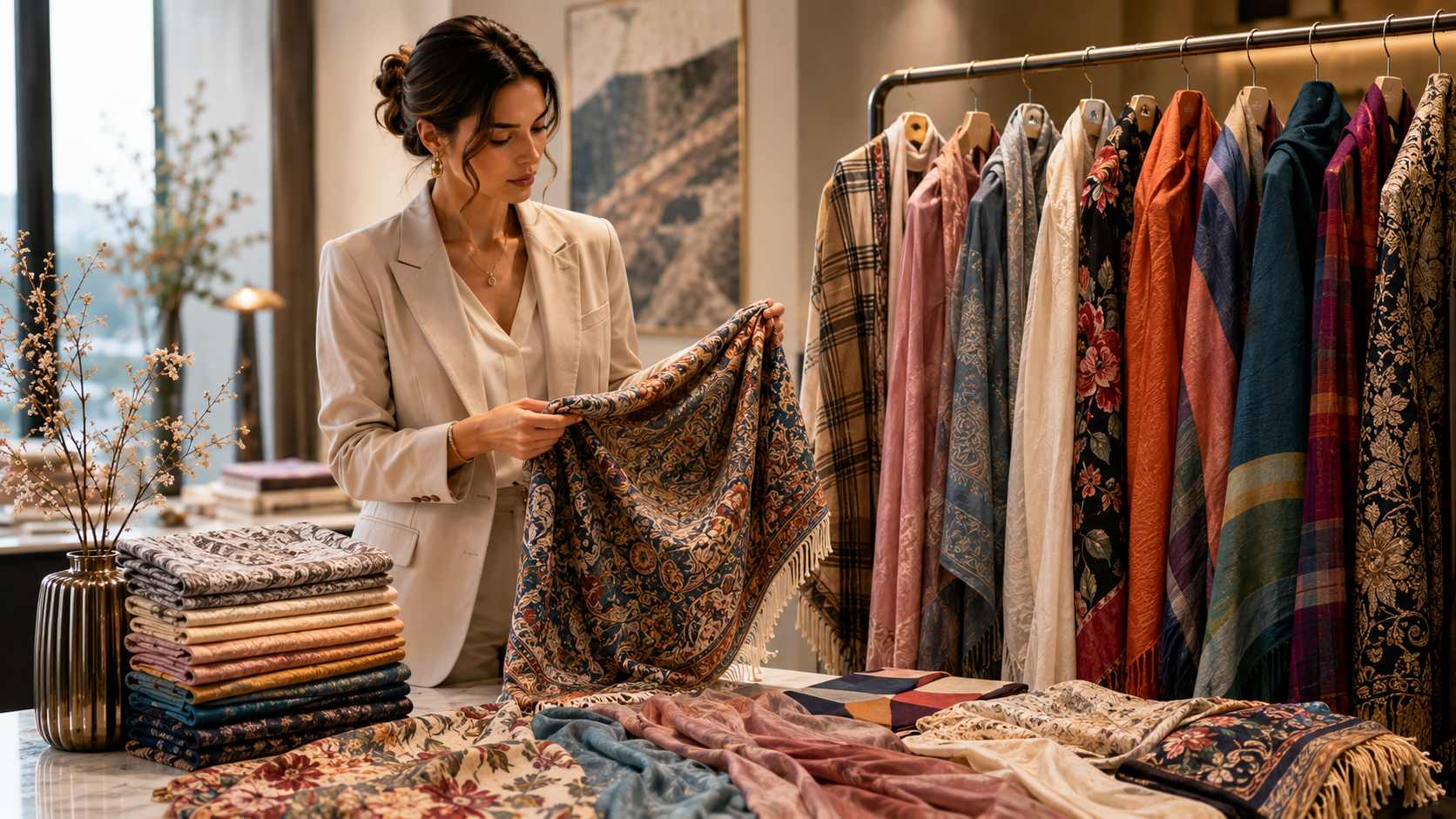
In the case of boutique owners and fashion boutiques, obtaining shawls is more than just getting hold of an item with an appealing design. In most cases, the difficulty arises after making an initial purchase. Is the fabric texture what customers expect? Are the color shades consistent among batches? Does the supplier have the ability to cater to custom-made orders? In selecting suppliers of wholesale shawls, the experienced buyer does not solely base his decision on the product picture and the price list. Other considerations include fabric quality, craftsmanship, ability to customize, packaging, minimum purchase order and interaction with the manufacturer.
Why do boutique buyers pay close attention to shawl materials?
The material is often the first factor that determines how a shawl feels and performs after purchase.
How does fabric selection affect the final product?
The choice of fabric will determine the positioning of a shawl. The use of silk might make the shawl look more luxurious. On the other hand, the use of cotton and blended fabrics is ideal for everyday wear products.
When buying shawls for their boutiques, the right choice of fabric does not entirely depend on the costliest but on the target customers. While luxurious boutiques will consider softness, textures, and finishes, those who buy shawls for their everyday wear clients may consider factors such as durability and ease of maintenance.
A shawl manufacturing company should be able to guide its clients on the fabric choice.
What fabric details should buyers check before ordering?
Before placing bulk orders, buyers usually review:
| Item | Por que isso importa |
|---|---|
| Fiber content | Influences softness, durability, and care requirements |
| Fabric weight | Affects seasonal suitability and wearing experience |
| Weaving or knitting method | Changes texture and appearance |
| Dye quality | Influences color consistency |
| Finishing process | Affects hand feel and product presentation |
Small differences in fabric can create noticeable changes in the finished shawl. This is why sample approval is an important step before large production.
How do boutique brands evaluate shawl designs and customization options?
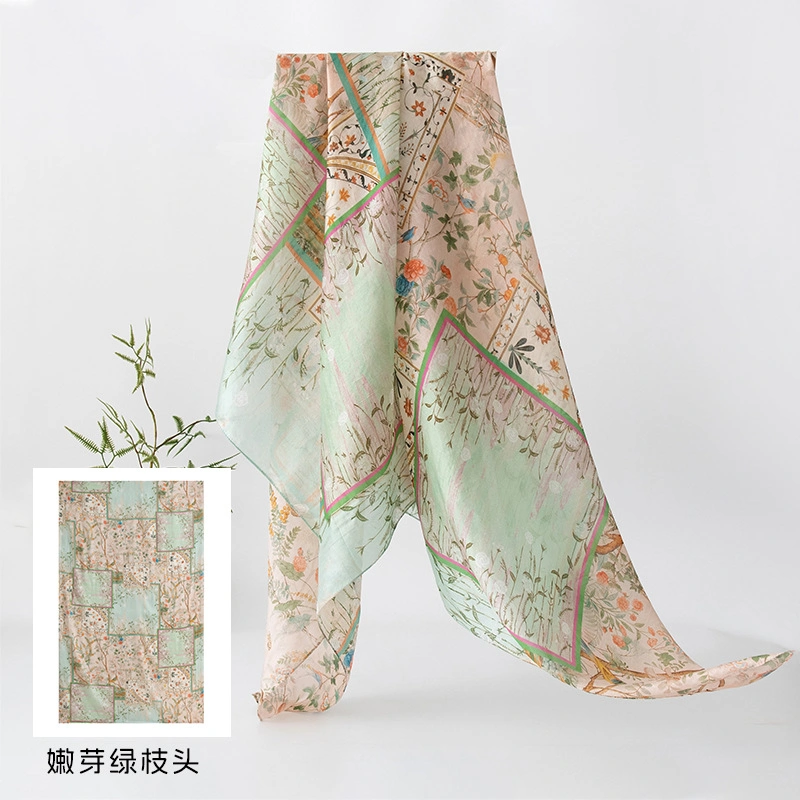
Design flexibility is often a key reason buyers work with manufacturers instead of purchasing ready-made products.
Why do custom patterns matter for boutique collections?
Many boutiques want products that match their own style rather than selling the same designs available everywhere.
A custom shawl supplier may support adjustments such as patterns, colors, sizes, labels, and packaging. These options allow brands to create collections that better match their customers.
However, customization also requires more communication. Design files, color references, sample approval, and production details should be confirmed before manufacturing begins.
What should buyers know about private label shawl production?
Private label projects involve more than adding a brand label. The supplier needs to understand product requirements from fabric selection to final packaging.
For example, a boutique preparing a seasonal collection may need specific colors delivered within a certain timeframe. Delays in sample confirmation or material selection can affect the entire launch schedule.
Clear communication between the brand and supplier helps reduce unnecessary changes during production.
What quality factors should buyers check before choosing a shawl manufacturer?
A supplier’s production capability often determines whether the final product matches expectations.
How can buyers evaluate shawl quality before bulk orders?
Physical samples remain one of the most useful ways to check quality. Buyers can review:
-
Fabric softness;
-
Stitching quality;
-
Edge finishing;
-
Pattern accuracy;
-
Color consistency;
-
Packaging condition.
Photos may show the overall appearance, but they cannot fully represent hand feel or finishing details.
Experienced buyers usually keep approved samples as a reference when reviewing bulk production.
Why is production consistency important for repeat orders?
A boutique may reorder successful designs several times. If the fabric shade, size, or finishing changes between batches, customers may notice the difference.
For this reason, supplier stability matters as much as the first sample. Buyers should discuss production processes, quality checks, and how material changes are handled before starting cooperation.
How do MOQ and delivery requirements affect shawl sourcing decisions?
Cost planning is an important part of wholesale purchasing, especially for smaller boutiques.
How does MOQ influence product development?
The minimum order quantity will depend on such variables as the availability of the fabric, customization, printing, and packaging needs.
The creation of an already designed model, using the available fabrics, might not involve as much development as the customization of an entire range of products.
The buyer at boutiques must be aware that uniqueness comes at the cost of higher risks in terms of stock holding.
What delivery factors should international buyers consider?
For overseas orders, production time is only one part of the schedule. Buyers should also consider sample approval, packaging preparation, shipping arrangements, and possible seasonal deadlines.
A supplier that communicates clearly about production progress can help brands plan launches more effectively.
How should buyers choose between different shawl suppliers?
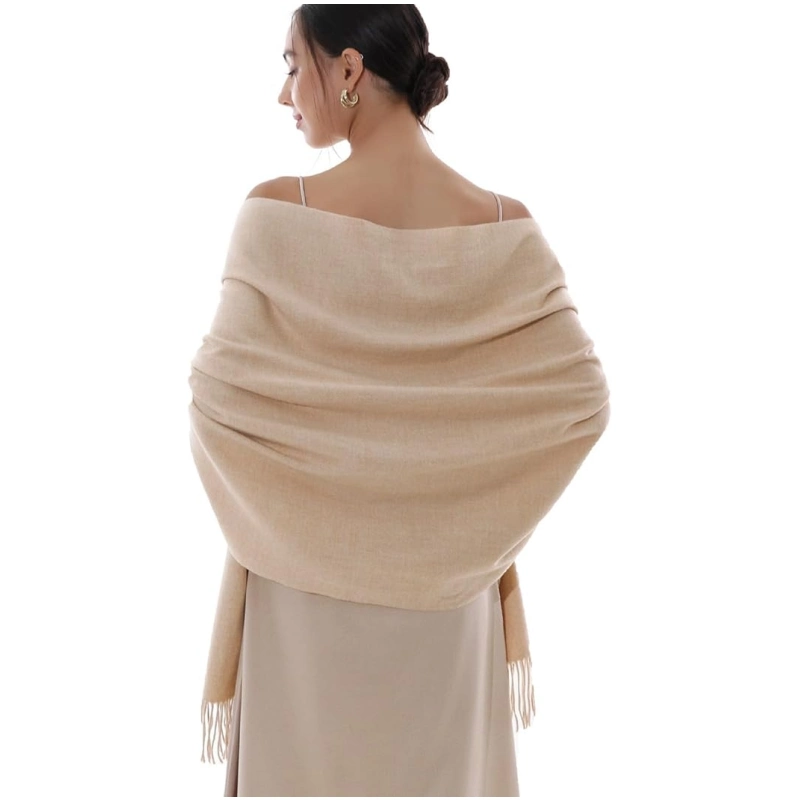
Selecting a supplier is a long-term business decision rather than a single purchase.
What should a wholesale shawl supplier provide?
A suitable supplier should be able to support more than manufacturing. Buyers often look for:
-
Fabric recommendations;
-
Custom design support;
-
Sample development;
-
Production updates;
-
Quality inspection;
-
Packaging solutions.
A supplier that understands boutique market requirements may provide more practical support during product development.
Why does communication affect sourcing results?
Many sourcing problems come from unclear expectations rather than the product itself.
Details such as color standards, measurements, labels, and packaging should be confirmed early. Good communication helps both sides avoid misunderstandings before production.
How can She Believes support boutique shawl sourcing projects?
O Ela acredita provides shawls and scarves manufacturing services to boutiques, retailers, and businesses that require customized products. She Believes facilitates the process by providing help in product choice, fabrics, design options, sample arrangement, and production communication. The collaboration with a supplier in creating boutique lines might include choosing from material, design, sizes, packing, and delivery options.
Conclusão
It is not enough for boutique owners to choose pretty designs when sourcing shawls. There are various things that they should think about before making purchases including the quality of the material, customizability, consistency, minimum order quantity (MOQ), and communication. Working with the right company that produces shawls will be useful in turning the designs into actual products.
FAQ
1. What are the criteria for choosing a wholesale shawl provider by boutique owners?
Fabric range, customization possibilities, sample quality, production reliability, MOQ, lead time, and assistance with communication are some criteria buyers should consider.
2. Is it possible to order custom shawls?
There are many producers who help with customization of patterns, colors, sizes, labels, packaging, etc. depending on their production capabilities.
3. What are the most common materials to make shawls from?
There are various shawl materials like silk, cotton, wool, polyester, viscose and other fabrics. It all depends on target audience and product positioning.
4. How can one make sure about the quality of shawls before ordering?
Sample testing will help to be sure about the quality of future products and material properties.
5. What is the difference between a ready-made shawl provider and a custom shawl provider?
A ready-made shawl provider is a company who offers pre-made products, while a custom shawl provider helps with developing own products according to the specific brand needs.


