Custom Scarves for Music Festivals: How Brands Create Merch That People Actually Wear
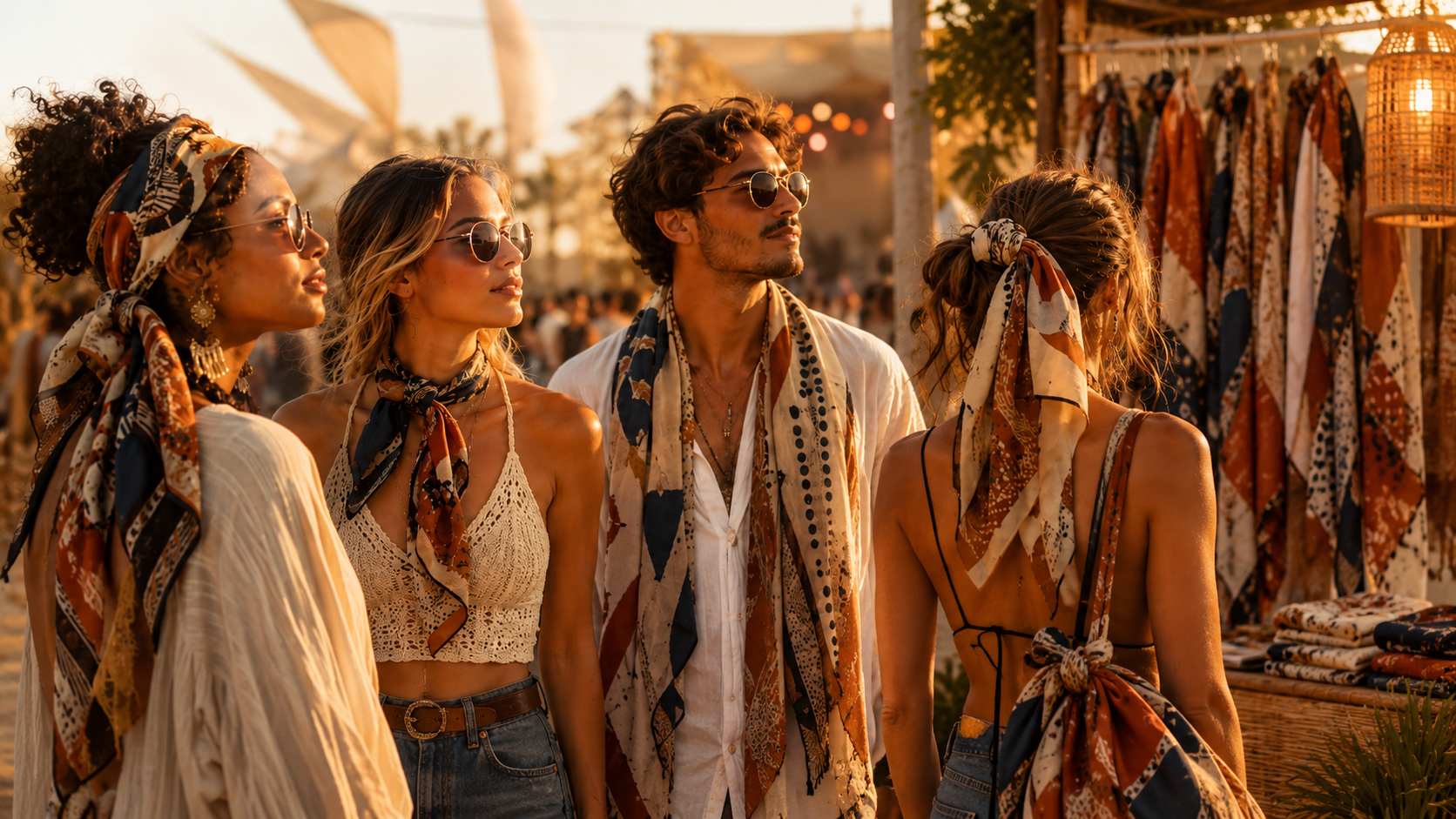
Festival scarves work as merchandise when customers still want to wear them after the event. For festival organizers, music labels, lifestyle brands, and merch teams, this means treating the scarf as a fashion accessory rather than simply placing a sponsor logo on fabric. Material, dimensions, artwork, SKU planning, MOQ, packaging, quality control, and delivery timing all affect whether the final item becomes wearable merchandise or leftover promotional stock.
What Makes a Festival Scarf Worth Wearing After the Event?
Customers may buy festival merchandise because of the event, but they are more likely to keep using it when the product also works with everyday clothing.
Integrate Branding Into the Design
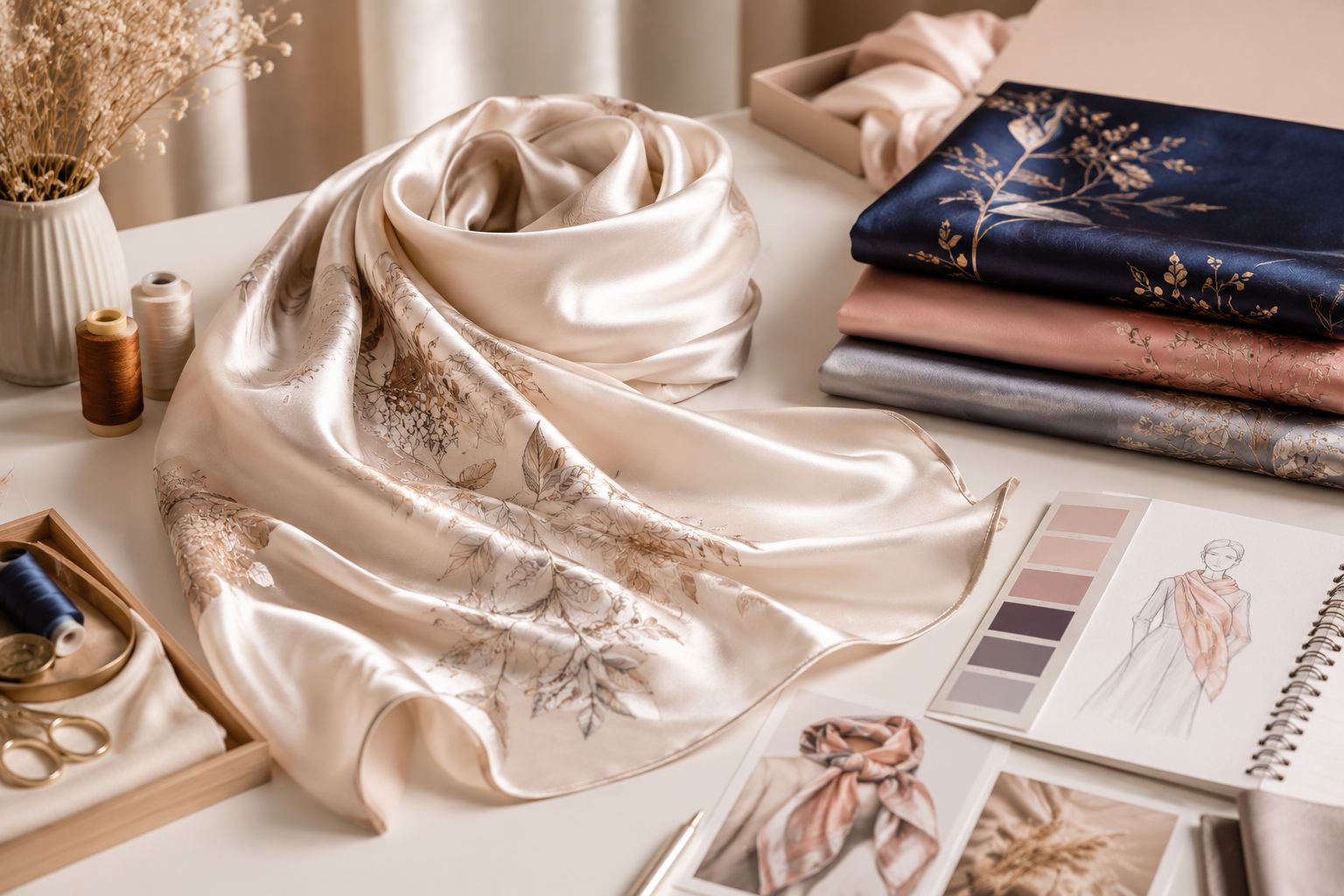
Large logos and dates can make a scarf feel like advertising. Instead, brands can integrate identity through typography, borders, repeated symbols, artist graphics, or recognizable color systems.
Şu B2B Ortakları için% 100 İpek Mektup Baskı Ekarları Toptan Tedarikçi provides one relevant reference for combining text-based graphics with a wearable scarf format.
Design for More Than One Styling Method
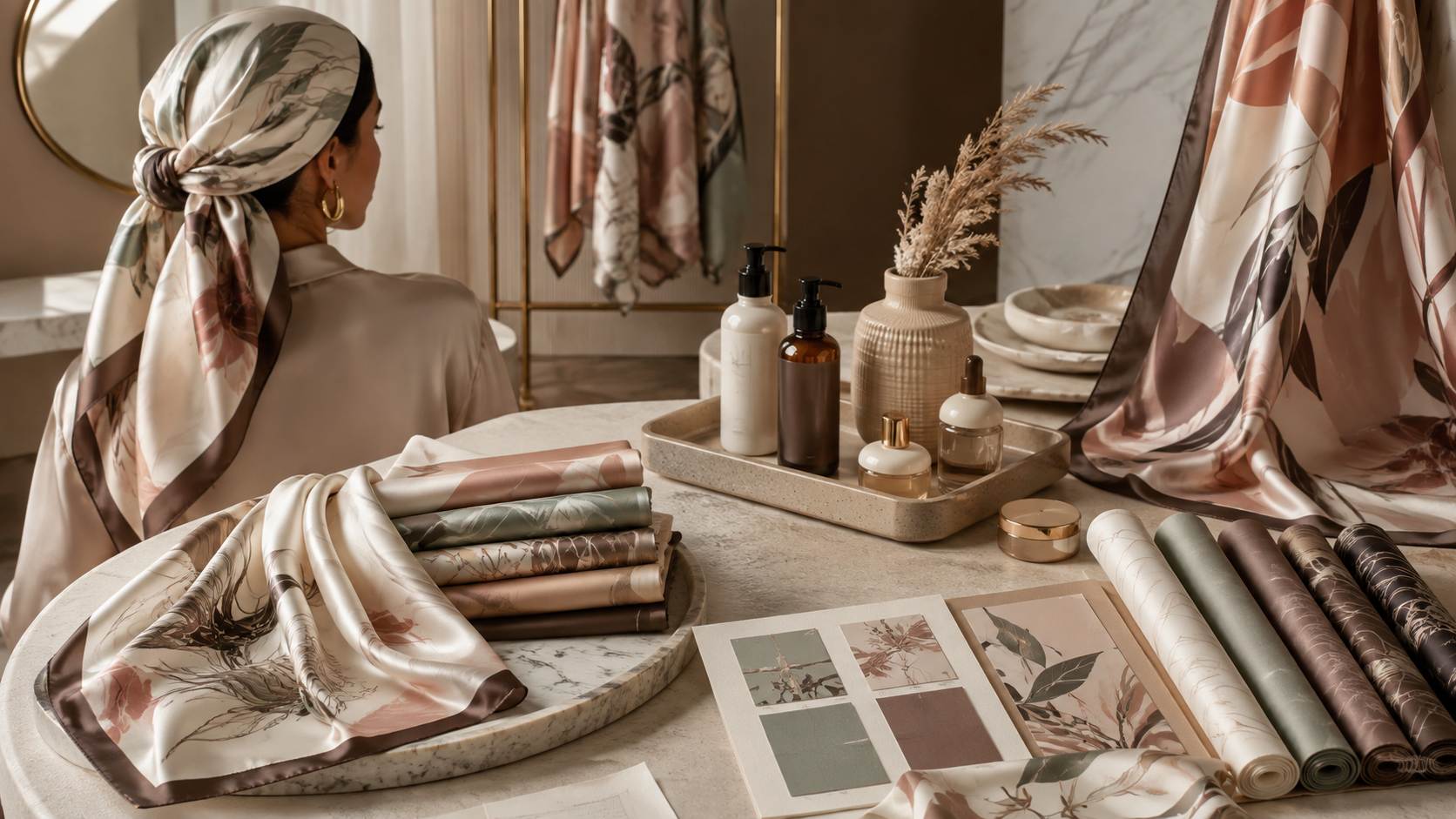
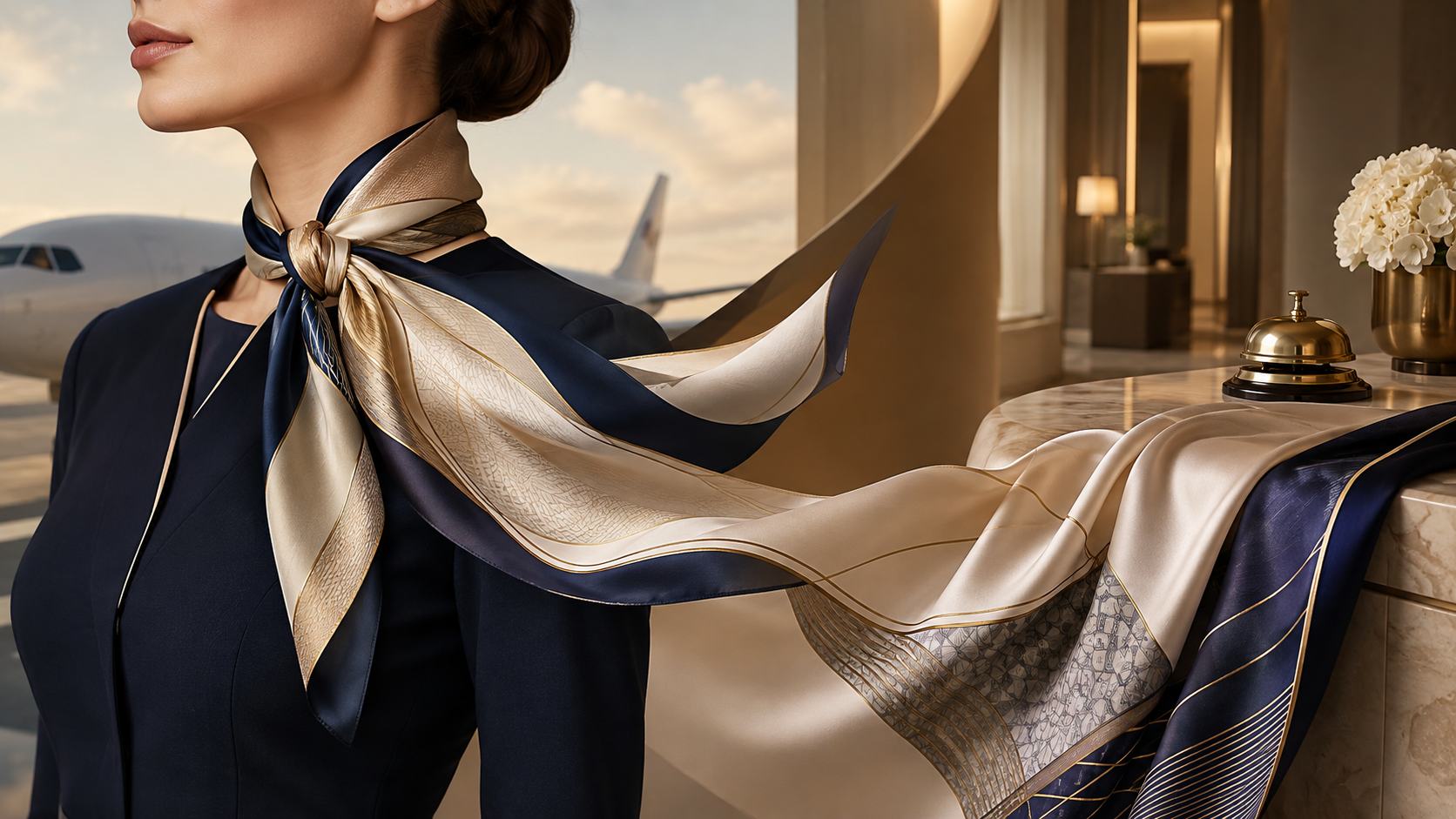
Festival visitors may wear scarves around the neck, head, hair, wrist, waist, or bag. A multi-use design gives customers more reasons to buy the product and can make it easier to feature in event content.
Before confirming size, merch teams should select two or three priority uses and test them physically.
Keep Event-Specific Details Controlled
Dates, locations, and artist names can create collectability, but the entire design does not need to depend on them. A scarf with a strong visual identity and smaller event references generally has a better chance of remaining wearable after the festival ends.
Which Material and Size Should Festival Merch Teams Choose?
Festival scarves may be carried outdoors for hours, folded into bags, worn in warm weather, and purchased quickly at merch booths. Material and dimensions therefore need to balance appearance with practical handling.
Choose Material According to Merch Positioning
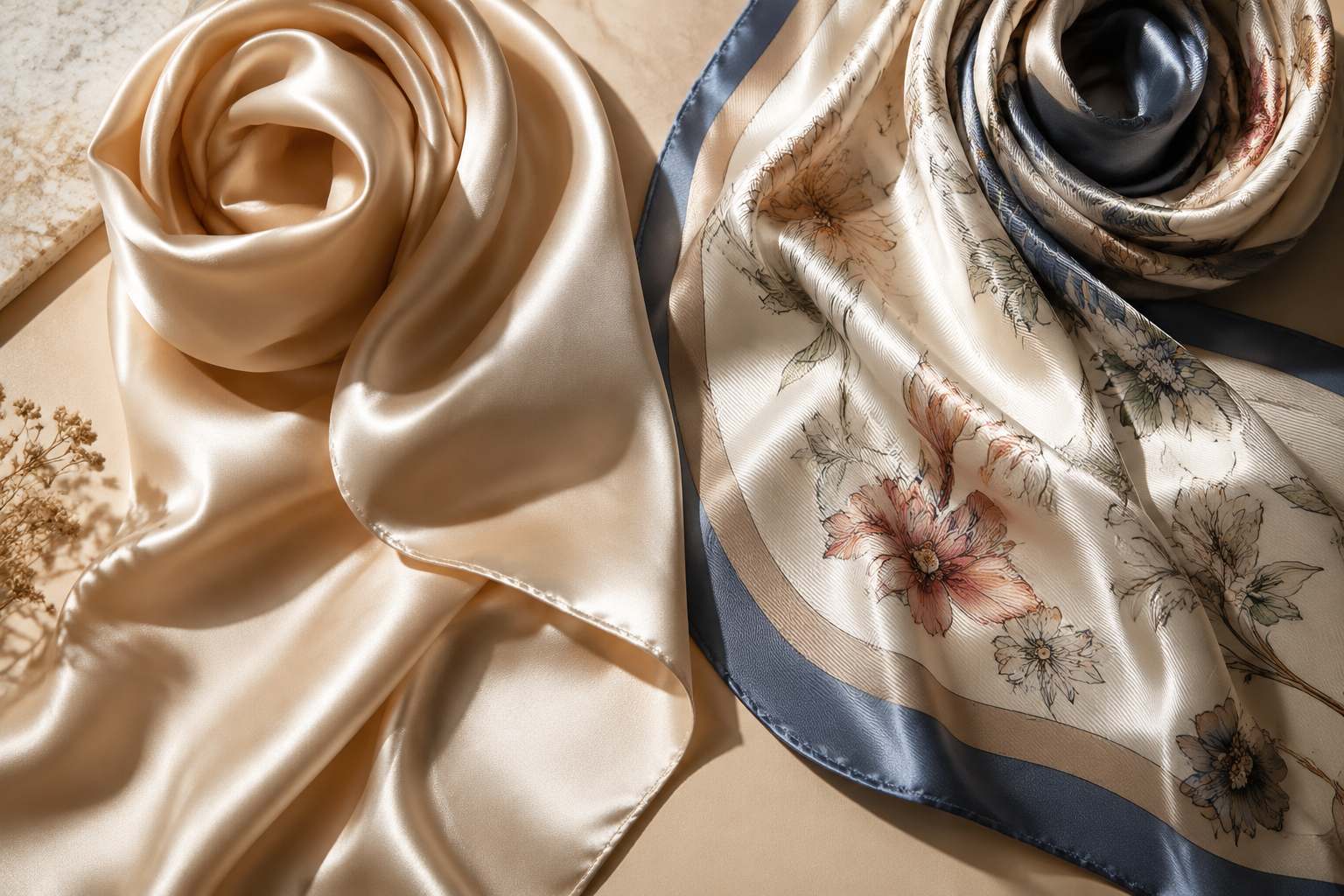
Silk can suit higher-value artist collaborations or fashion-led merchandise because of its smooth hand feel and natural luster. Polyester may be appropriate where wrinkle resistance, maintenance, or cost control is more important.
Buyers can review the broader Eşarp category before deciding which product direction better fits the event.
Select Size According to Use
| Intended Use | Main Point to Test |
|---|---|
| Neck scarf | Knot size and artwork visibility |
| Head scarf | Coverage after folding |
| Hair accessory | Bulk and comfort |
| Bag accessory | Visibility after tying |
| Multi-use | Whether several uses genuinely work |
These are development considerations rather than fixed dimensions. Final measurements should be confirmed using the selected fabric.
Keep Packaging Easy to Carry
Festival packaging should work at a merch booth and remain convenient for someone attending the event. Large gift boxes may look premium but can become difficult to carry, so packaging should consider presentation, transport, barcode requirements, and customer convenience.
How Should Festival Artwork Be Prepared for Production?
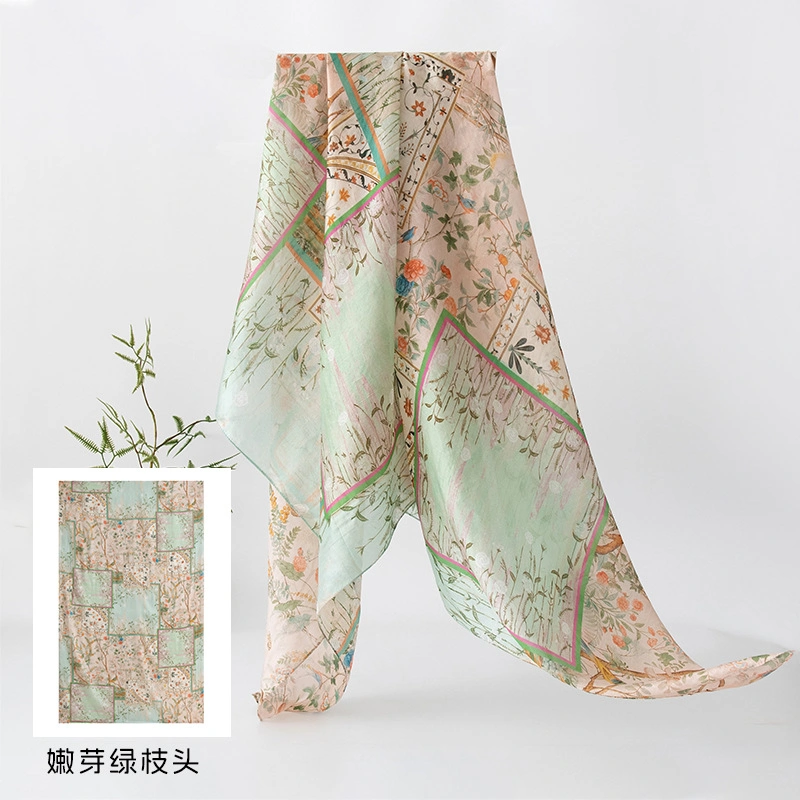
A festival poster is viewed flat, while a scarf folds, twists, and hides parts of the image. Artwork therefore needs to be adapted for the product rather than transferred directly from promotional graphics.
Check Flat and Folded Views
Central artwork may disappear after diagonal folding, while borders, corner graphics, and repeating motifs can remain visible. Before sampling, designers should review the complete scarf and its intended wearing positions.
Match Printing to the Graphic
The supplied production information identifies digital printing as appropriate for detailed images and complex gradients. Embroidery can provide texture for smaller logos or symbols, although dense embroidery may affect the drape of lightweight fabric.
The decoration process should therefore follow the design and intended feel.
Protect Artist Artwork
Festival projects may involve intellectual property from artists, sponsors, or collaborators. Buyers should confirm usage rights before production and understand how suppliers manage customer files.
How Can Brands Control MOQ and Leftover Inventory?
Festival merchandise has a short selling window, so unnecessary SKUs can create more risk than they would in an evergreen collection.
Control SKU Count First
A program divided across many patterns and colors creates several demand forecasts instead of one. Brands should decide which design is the hero product and whether every additional variant has a clear commercial role.
Ask How MOQ Is Calculated
MOQ can be affected by material, printing method, size, branding, labels, and packaging. Buyers should ask whether the minimum applies per design, per color, or across the whole order.
The related article Private Label Scarves: How Fashion Startups Can Launch Their Own Scarf Brand provides additional sourcing context around customization and MOQ.
Plan the Post-Event Sales Route
Before production, decide whether remaining scarves can continue through an online store, tour merchandise channel, artist shop, or another approved channel. This also helps determine how prominently the event year or date should appear in the design.
What Should Brands Check During Sampling and Delivery Planning?
A festival has a fixed date, which means production delays can make merchandise commercially useless. Sampling, QC, and logistics should therefore be built into the event schedule from the beginning.
Use the Sample as the Production Standard
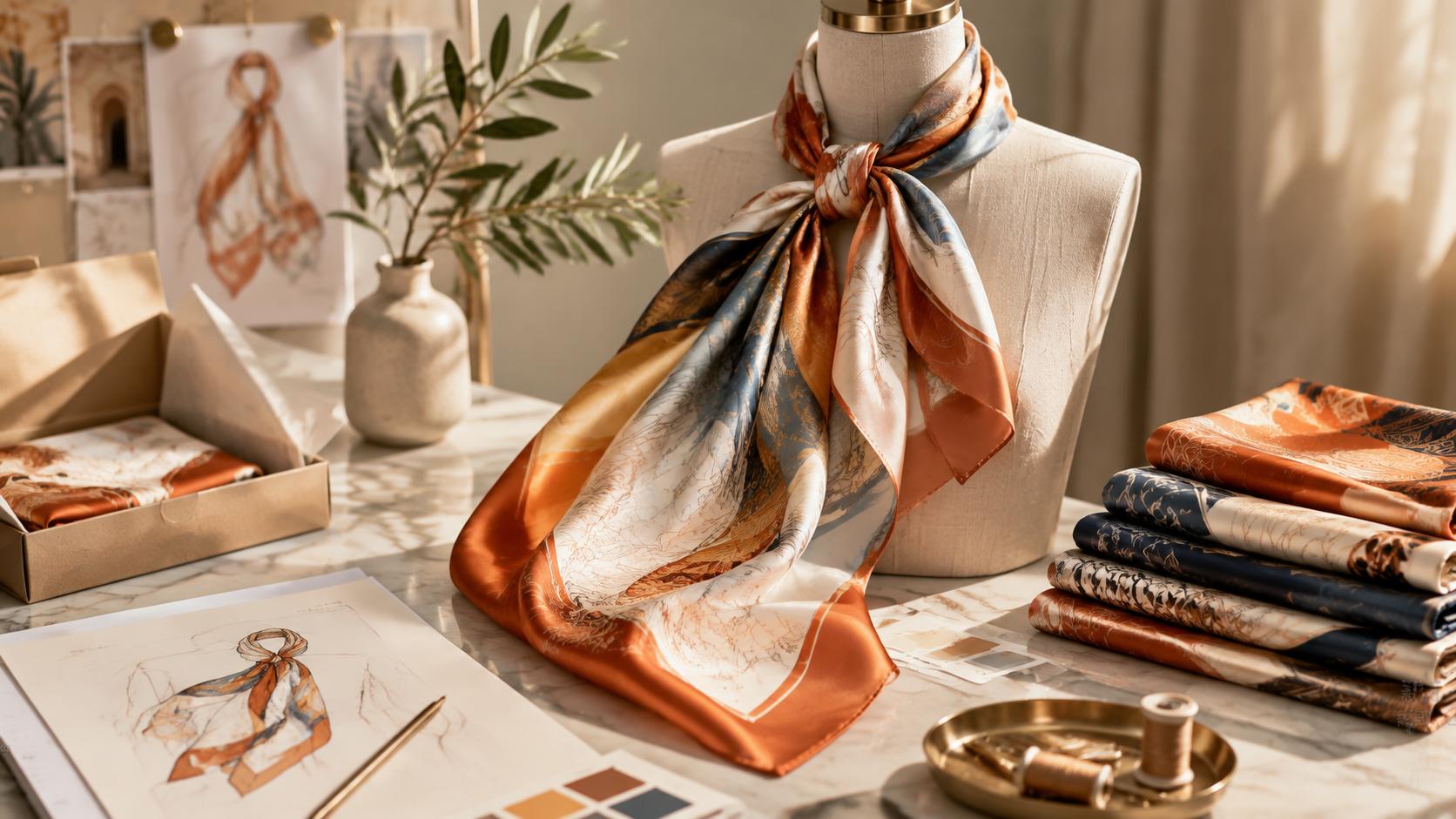
Approve material, dimensions, artwork, colors, finishing, labels, and packaging before bulk production. The scarf should also be tied and worn so the merch team can confirm that graphics remain visible.
Keep QC Measurable
A basic QC checklist should cover:
-
Material and composition
-
Finished dimensions
-
Artwork position
-
Logo and text clarity
-
Approved color
-
Edge finishing
-
Labels and packaging
-
Carton quantities
The approved sample should remain the visual standard for inspection.
Work Backward From the Event Date
The supplied customization information gives an approximate sampling period of 7–10 business days and generally 15–25 days for mass production depending on quantity and process complexity. Buyers should also allow for revisions, inspection, transport, customs clearance where relevant, and venue delivery.
The site’s custom embroidered scarf event case provides additional context for event-oriented scarf customization and deadline management.
How Should Brands Evaluate a Festival Scarf Supplier?
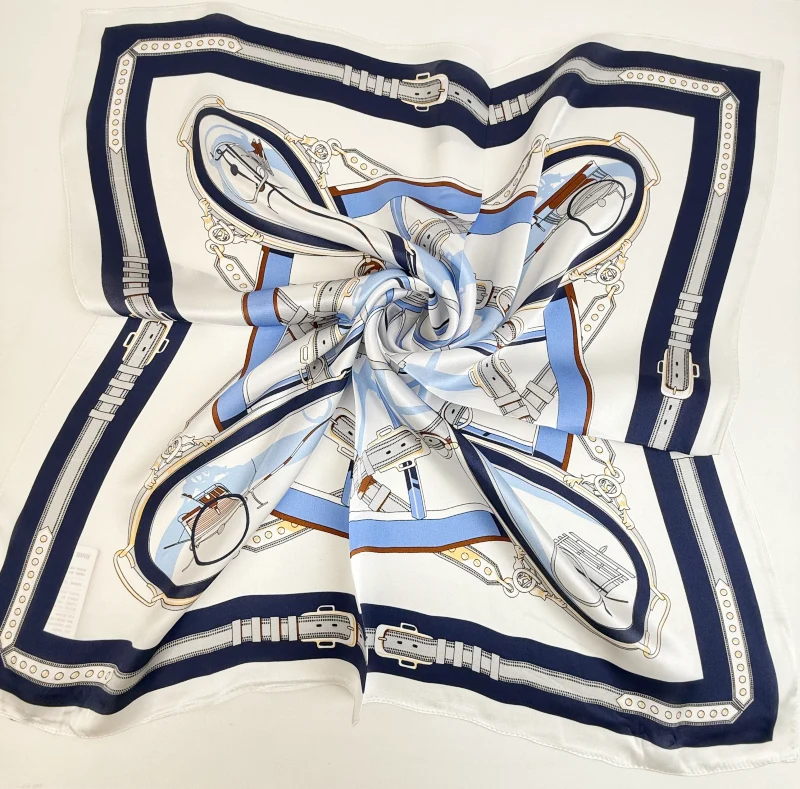
The cheapest quotation is not necessarily the lowest-risk option for event merchandise. Buyers should evaluate whether the supplier can reproduce the required design while meeting the project’s fixed calendar.
Check Customization Capability
Confirm material, dimensions, printing or embroidery, custom labels, and packaging before placing the order. The ODM/OEM customization process provides further information on available custom development options.
Compare Complete Quotations
Ask suppliers what is included in the quoted unit price and what could change the MOQ or lead time. This helps prevent unexpected charges after artwork approval.
Create One Final Production Pack
After sample approval, combine artwork, material, dimensions, colors, quantities, labels, packaging, and shipment requirements into one final file. This should become the reference for production, inspection, and logistics.
Who Can Support Custom Festival Scarf Projects?
İnanıyor develops customized scarves and shawls for B2B buyers and supports OEM and ODM development, printing, embroidery, material selection, sampling, labels, packaging, and production inspection.For festival merchandise, buyers should provide the artwork, material direction, dimensions, quantity per design, branding requirements, packaging, event date, and required delivery date when requesting a quotation.
Sonuç
Custom festival scarves are more likely to be worn when brands develop them as fashion products rather than disposable advertising. Wearable artwork, suitable dimensions, controlled SKU numbers, clear quality standards, and realistic delivery planning all contribute to stronger merchandise.Before contacting a supplier, prepare one product sheet covering artwork, material, size, quantity, branding, packaging, and the final delivery deadline.
Sık Sorulan Sorular
1. What makes a festival scarf wearable after the event?
Versatile styling, practical dimensions, comfortable material, and branding integrated into the overall design can make the scarf easier to wear beyond the festival.
2. What material is suitable for festival scarves?
Silk can work for premium collaborations, while polyester may suit projects prioritizing durability, maintenance, or cost control.
3. Where should a festival logo be placed?
Logo placement should be checked with the scarf folded and worn. Border, corner, or repeating placements may remain more visible than a central logo.
4. How can brands reduce leftover festival merchandise?
Limit unnecessary SKUs, confirm MOQ by design or color, and establish a post-event sales plan before production.
5. What should buyers send to a festival scarf manufacturer?
Send artwork, material, dimensions, quantity, labels, packaging, event date, and required delivery date so the supplier can evaluate both production and timing.