

The Ultimate Guide to Choosing Luxury Shawl Fabrics: Cashmere vs Wool vs Silk vs Faux Cashmere
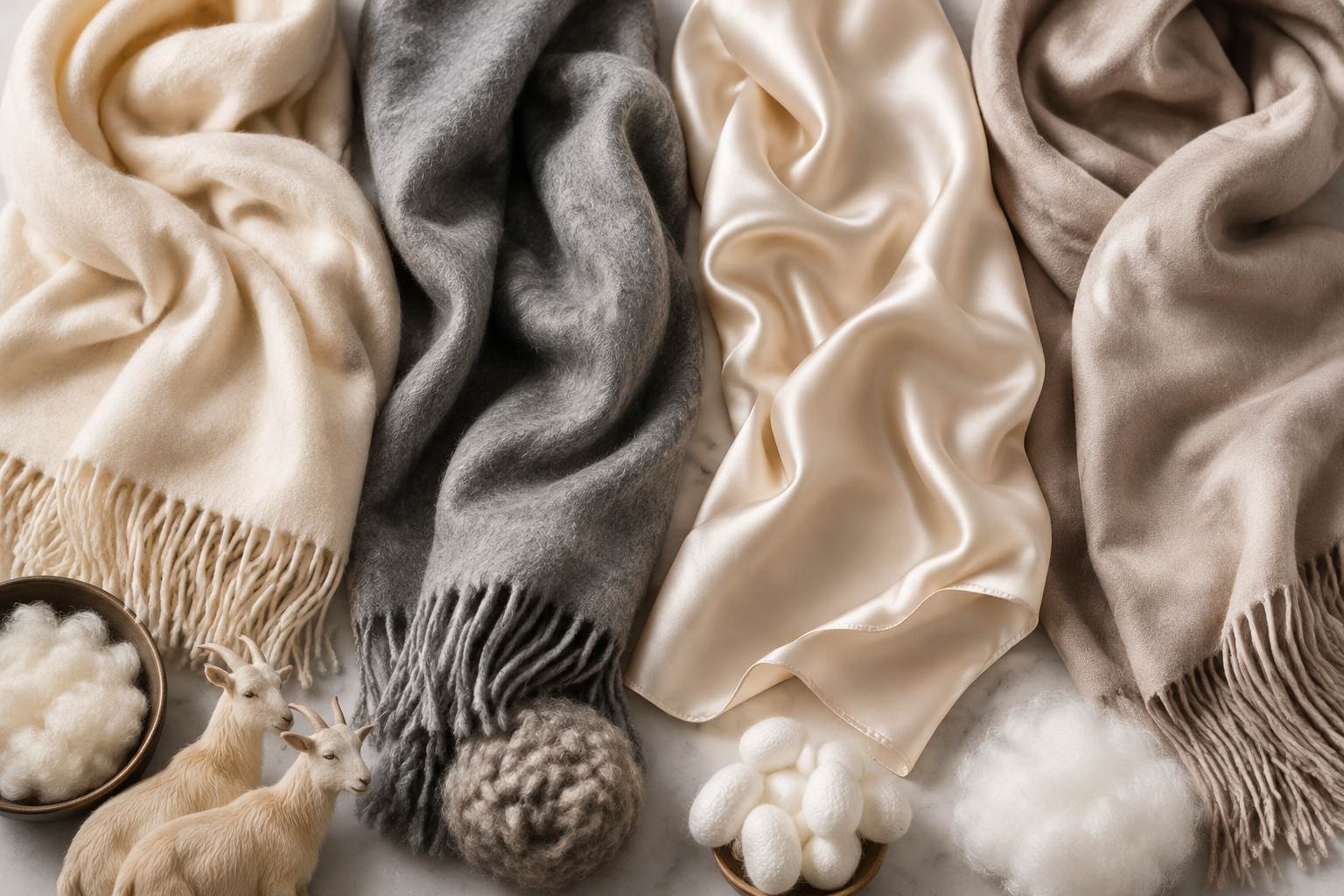
Choosing the correct material for a luxury shawl is very important for brands, retailers, importers and even individual buyers as the material affects the product’s comfort, look, price and consumer satisfaction. Shawls are often worn during different seasons, therefore a luxury shawl is a product where people can really feel the material. The fabric of a shawl is an important element and it affects how soft it is, how durable it is and how consistent it is during production. For people who are buying premium shawls, it is very important to compare different materials such as cashmere shawls, wool shawls, silk shawls and also faux cashmere shawls in order to find the perfect combination of luxury and affordable price while meeting the expectations of the target market.
How should buyers compare different luxury shawl fabrics?
The fabric is a very important component of a shawl, providing softness, warmth, texture and drape, as well as durability, care and retail price.
What makes cashmere shawl products different from other fabrics?
A cashmere shawl is usually associated with premium softness and lightweight warmth. Cashmere fibers come from specific goat breeds and are valued for their fine texture and comfortable feel against the skin.
Buyers can check the quality of the cashmere fibers, their thickness, how they are woven or knitted, and how they are finished. While a softer item may feel better, it does not necessarily mean it will be more durable. Therefore, experienced buyers also check the fiber mix, production methods and quality controls.
Cashmere would be suited to a luxury collection, as a high value premium gift or for a brand, aiming at customers who want natural fibers and a smooth texture.
How does a wool shawl compare with cashmere?
A wool shawl provides great warmth, durability and versatility. Wool is a great insulator and is often used in seasonal products.
Compared to Cashmere, Wool, even at higher price points than cashmere, can offer greater durability in everyday wear. However the “Hand” of the wool can vary greatly between different types of Wool, and how the fibers are processed, and how the garment is finished.
When selecting wool shawls, buyers should consider:
- Fiber source.
- Softness level.
- Fabric weight.
- Color fastness.
- Pilling resistance.
Intended market positioning.
Whether you are looking for a luxury item to keep you comfortable, a regular product to use every day or a large volume of products to sell commercially.
What are the advantages and limitations of silk and faux cashmere shawls?
Silk or faux cashmere: how can a brand use these products to offer its customers a specific experience at the right price.
Why do buyers choose silk shawl designs?
This beautiful silk shawl has a smooth texture, a elegant appearance and a natural drape. We prefer to work with silk fabrics for our fashion collections, for our fashion accessories and for all products where we want to sell mainly the look of the product.
However, because of the nature of silk it can be sensitive and need care with issues such as friction, moisture and wash. As a buyer you will want to examine issues of the finish of the fabric, the print, and the color stability before you place a bulk order.
For brands, silk shawls can be used to create a premium positioning. However, they will require more detailed care information to customer service.
When is a faux cashmere shawl a practical choice?
A faux cashmere shawl that is extremely soft to touch and to wear. A more affordable alternative to cashmere wraps, this can be a line that many brands look to offer as attractive textured items to a wider market at lower price points.
While cashmere fake yarns have the disadvantage of higher production costs and less flexibility on the production side compared to natural cashmere, they have in return the advantage of cost control and flexibility on the buyer’s side. Therefore a check on the fibers, the softness, the anti-static feature and the long-term appearance is recommendable.
A supplier must clearly specify the material content, as the same name can refer to completely different fiber mixtures.
How can buyers select shawl fabrics based on market needs?
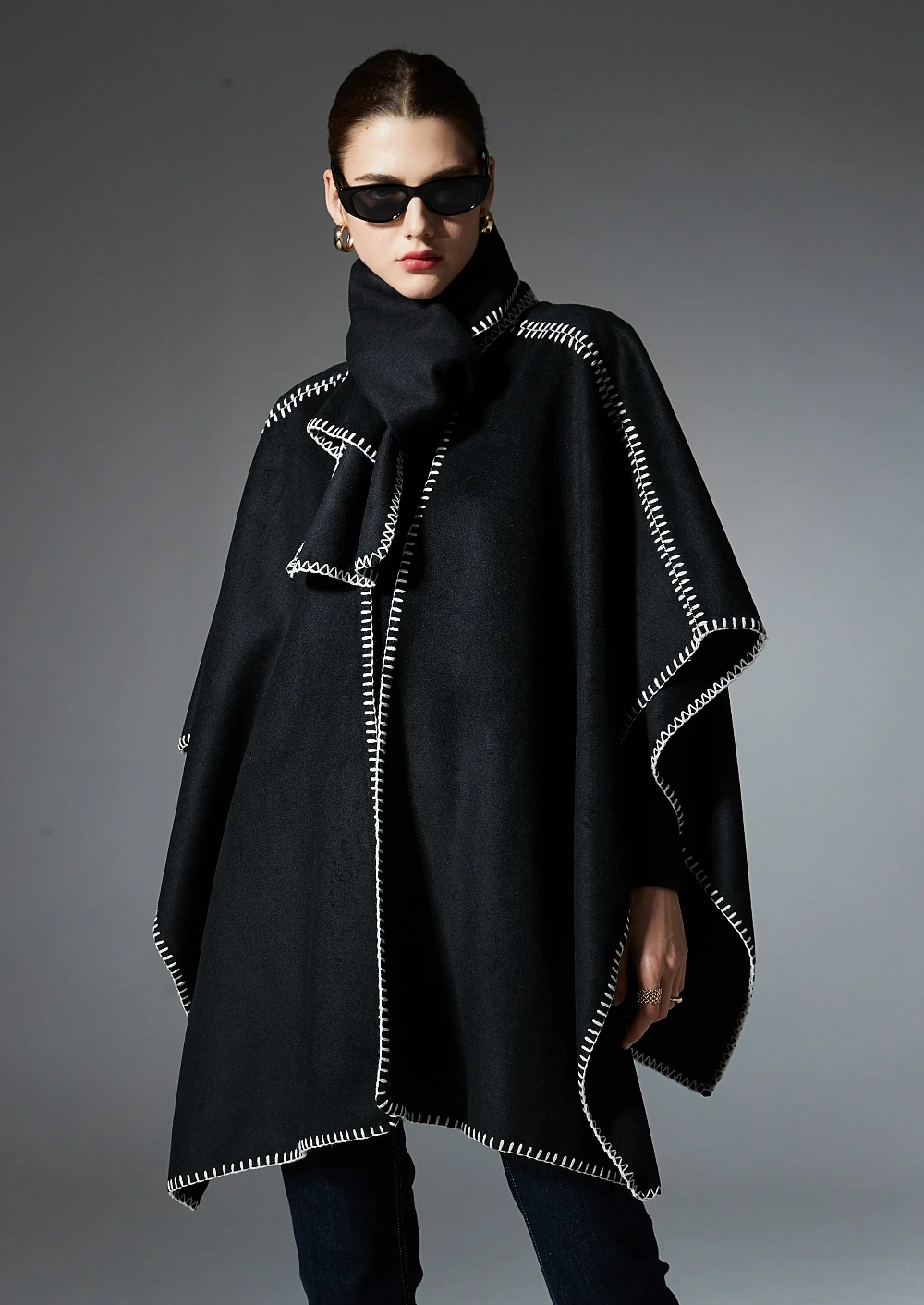
The fabric of right shawl depends upon customer’s expectations, sales channels and marketing of product.
Which fabric works better for luxury brands?
Most luxury brands focus on materials, textures and detail in craftsmanship, which for this highly exclusive market could be developed with materials such as cashmere and silk targeting a consumer wanting exclusivity in appearance.
However, luxury positioning also depends on:
- Design quality.
- Color development.
- Brand storytelling.
- Production consistency.
Material alone does not dictate a product’s value.
Which fabric options are suitable for larger retail programs?
Retail buyers have to consider three things when selecting products to buy for retail, price, availability and customer acceptance. Products made from wool or faux cashmere could be suitable as they can be made in larger quantities for bigger collections.
Before ordering, retailers should review:
- Minimum order quantity.
- Available colors.
- Production lead time.
- Seasonal supply ability.
- Customization options.
These factors influence inventory planning and market response.
What quality factors should buyers check before ordering shawls?
Choosing the fabric is just the beginning. Quality control during the production process is more important than choosing fabric in ensuring a great customer experience.
What should be included in a shawl fabric comparison?
A practical shawl fabric comparison should include:
Kaşmir: High softness, lightweight warmth. Positioning is premium. Material cost is high.
Wool: Warm, durable, versatile, suitable for broader applications.
İpek: Smooth texture, elegant appearance, requires careful maintenance.
Faux cashmere – An affordable alternative that is soft to the touch. Faux cashmere offers flexible production options. Material verification is required for this alternative.
Rather than choosing one material to add to your product line, it is better to compare fabrics in relation to their areas of application.
How do weaving, dyeing, and finishing affect shawl quality?
Even the highest quality fibers can not be developed to their full potential without proper processing. The details of manufacturing have a huge influence on fibers.
- Surface appearance.
- Fabric softness.
- Color consistency.
- Shape retention.
- Resistance to wear.
Before starting a bulk production, buyers should request for samples and check if the finished goods match the approved reference samples.
How should brands evaluate shawl suppliers before cooperation?
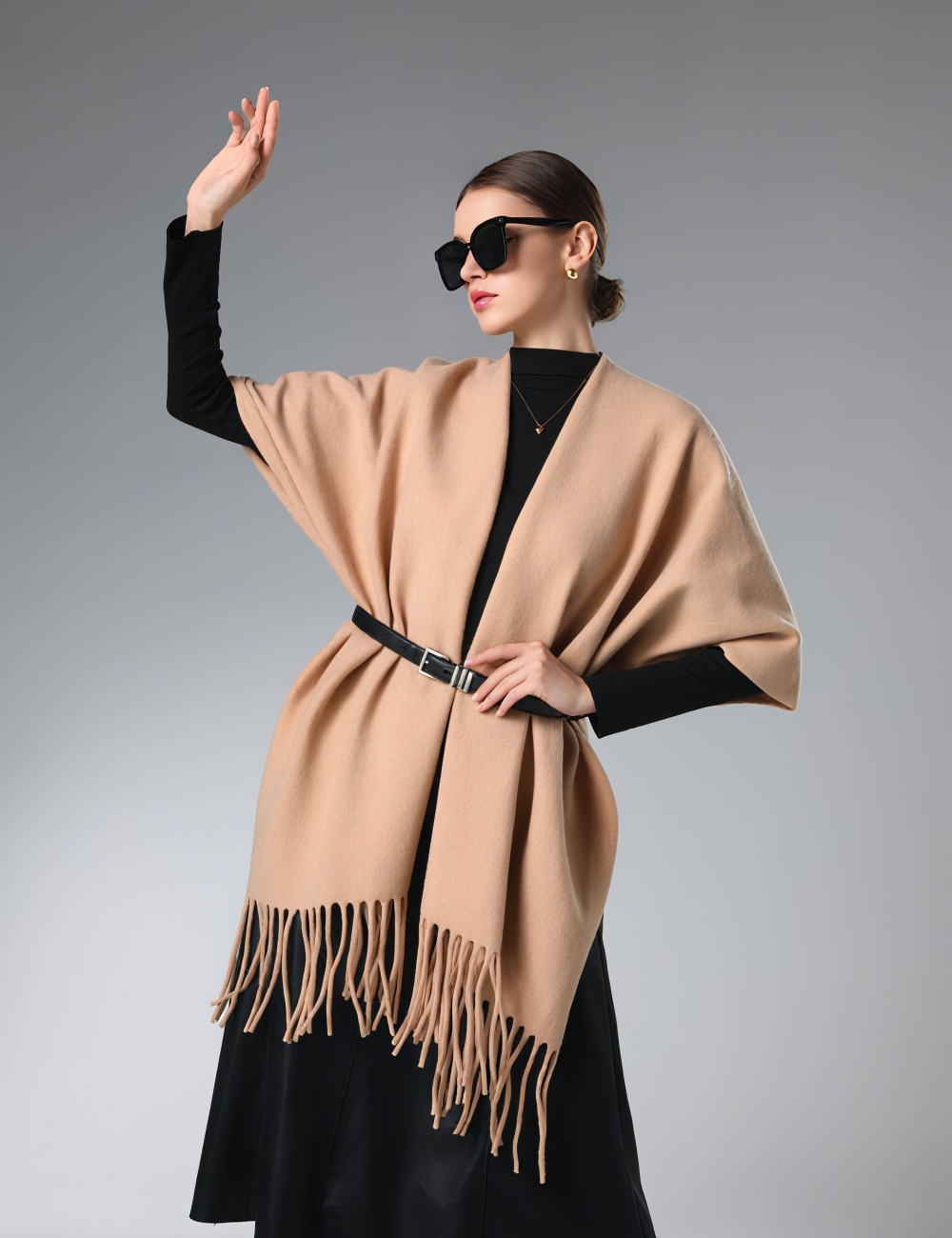
Selecting the right suppliers for your business can have a huge impact on the consistency of your products, the reliability of your deliveries, and the extent to which you can offer customized versions of your products.
What should buyers include in a shawl supplier checklist?
Before selecting a supplier, buyers should review:
- Fiber composition information.
- Fabric sample quality.
- Customization capability.
- Pattern and color development.
- MOQ requirements.
- Production lead time.
- Packaging methods.
- Quality inspection process.
- After-sales communication.
A supplier has to be able to provide adequate information on the materials and production process used.
Why are customization and communication important for shawl projects?
Many fashion companies are looking for custom colors, prints, labels, packaging or even seasonal collections. The best way to avoid problems like wrong fabric, wrong design interpretation or wrong production expectations is by good communication.
For private label products, buyers should confirm the process for the approval of samples as well as the production lead time for the final order.
Which supplier can support luxury shawl production and customization needs?
İnanıyor offers shawls made from shawl materials plus fashion accessory customized service for buyers sourcing for fashion products. We can offer suggestions for the buyers to choose products, exchange design ideas with them and coordinate the production according to their market requirements. Most cashmere shawls, wool shawls, silk shawls and faux cashmere shawls are developed into a collection by a brand and thus the cooperation with supplier includes choosing fabric, producing colors, discussing customization with designer and placing order.
Sonuç
You want to choose between a cashmere shawl, a wool shawl, a silk shawl or a faux cashmere shawl? We give you a comparison of the shawl fabrics. Every material suits a different target group and is suitable for a different market position. Therefore, there is no material for every product line. A detailed comparison of the shawl materials can help you as a buyer in your purchasing decisions and prevents you from buying low-quality products. When choosing a material for your shawls, you should also consider the capabilities of your supplier, the degree of customization and the production consistency. With the right material for your shawls, you can create a shawl collection that meets the needs of your customers and your business.
Sık Sorulan Sorular
1. What is the difference between a cashmere shawl and a wool shawl?
A cashmere shawl is usually all about the softness and ultimate in comfort as a luxury product. A wool shawl on the other hand provides durability, warmth and comfort at a price point that can be more flexible.
2. Is a silk shawl suitable for everyday use?
A silk shawl can be worn regularly but it requires special care as silk is a sensitive fiber that can be easily affected by friction and by moisture.
3. What should buyers check when purchasing a faux cashmere shawl?
Check the fiber composition, softness, production quality, color consistency and supplier documentation.
4. Which shawl fabric is best for luxury brands?
The choice of fabric will depend on the brand position that a retailer is looking to achieve. For example a premium fashion collection may be made from Cashmere or Silk and then offered up in other materials for different markets and positions.
5. How should retailers choose a shawl supplier?
Retailers should evaluate fabric quality, customization ability, MOQ, lead time, sample approval process, packaging, and after-sales support.


