


How to Reduce Lead-Time Risk in Pashmina Shawl Sourcing
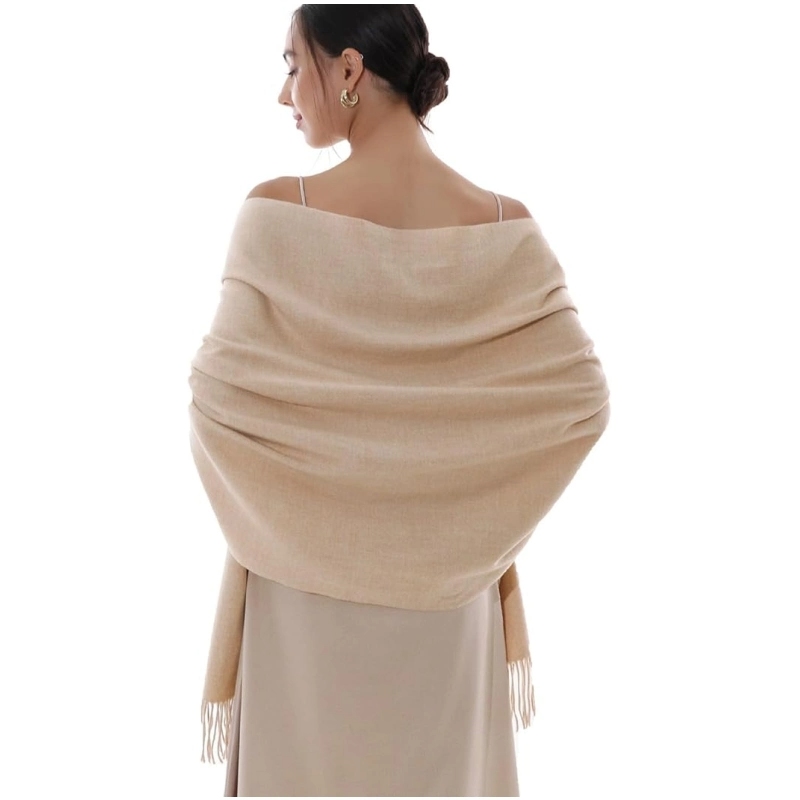
In terms of fashion retail stores, boutiques, and brands, the procurement of wholesale pashmina shawls involves more than just selecting good designs and competitive prices. Time of delivery is also important for successful business operations.
The delay in shipment can lead to many problems. The boutique will miss the season of sales, the fashion store will lack the desirable styles, and the fashion brand will postpone its new product line. This will be felt in revenues and consumer satisfaction.
Lead time in the international textile business often includes the preparation of the raw materials, approval of the samples, production, quality control, packaging, and shipping of the goods. A slight delay during any step can cause a change in the delivery plan.
It is for this very reason that professional buyers require a sourcing plan to minimize their risks before placing their wholesale orders.
Common Reasons Behind Lead-Time Risks in Wholesale Shawl Orders
It is necessary to find the root cause of the delay before overcoming it. The majority of the procurement delays are not due to inefficiency in manufacturing but poor planning by both parties.
Material Availability and Preparation Delays
Material selection and preparation are essential in producing the pashmina shawls. Manufacturing deadlines can be delayed in case the process of preparing the material is not carried out prior to the start of the manufacturing process.
For example, in case the retailer wants to launch the winter collection and require thousands of shawls before October, any delay in material confirmation may lead to delays in sales scheduling.
Before confirming an order, buyers should discuss:
Material availability
Production capacity during busy seasons
Expected manufacturing time
Possible delays caused by special customization
Clear communication at the beginning can prevent unexpected waiting periods later.
Design Changes During Production
When dealing with custom bulk manufacturing, it is likely that the order will include special colors, designs, packaging, labeling, and embroidery work. Changes to such orders after production commences will result in increased lead times.
Here the typical scenario is that the buyer makes an agreement about the design but changes the size, color, or finish after the delivery of the initial lot produced. This situation can be solved through ensuring that the buyer completes his approvals before mass production starts.
Quality Problems Before Shipment
One other important stage in determining the delivery time frame is the quality inspection. In case there is anything wrong at the point of inspection, more days will be required for the repairs or replacement of the products.
Reliability should be one of the characteristics of procurement processes and that means quality control should occur during production but not after production.
Practical Ways to Reduce Lead-Time Risk
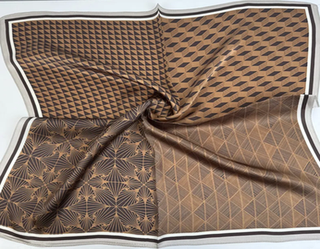
Reduction of risks associated with lead-time requires cooperation between buyers and suppliers. A proper sourcing process will be defined by planning, communication, and flexibility.
Select Suppliers With Transparent Production Processes
A supplier should be able to explain how an order moves from confirmation to shipment.
Before cooperation, buyers can ask about:
Production steps
Estimated completion dates
Quality control procedures
Packaging preparation
Shipping arrangements
A supplier with a structured workflow can provide better delivery visibility than one that only gives a general delivery promise.
Approve Samples Before Placing Bulk Orders
Samples are one of the most effective tools for avoiding production delays.
A sample allows buyers to check:
Fabric softness and thickness
Color accuracy
Size and shape
Stitching quality
Overall appearance
When the sample is confirmed before mass production, the possibility of changes during manufacturing becomes much lower.
Create a Realistic Production Schedule
A clear timeline helps both sides manage expectations.
|
Stage |
Suggested Action |
|---|---|
|
Design confirmation |
Finalize colors, sizes, and details before production |
|
Sample review |
Approve physical samples quickly |
|
Production |
Track progress through regular updates |
|
Quality inspection |
Check products before packing |
|
Shipping |
Select transportation based on delivery needs |
For seasonal products, buyers should include extra time for possible delays. Ordering too close to the selling season creates unnecessary pressure.
Keep a Buffer for Seasonal Demand
Fashion items according to seasons have tight schedules for sale. For instance, winter shawls, wedding wear, and festive collections must be planned properly.
The producer planning a festive collection must take into account various issues related to production, clearance, and transportation prior to making a launch schedule.
Some time must be left aside to provide for unforeseen circumstances like shipment delay or inspection of goods.
Start With Trial Orders When Working With New Suppliers
New supplier relationships always involve some uncertainty. A smaller first order helps buyers evaluate:
Product consistency
Communication quality
Delivery performance
Packaging standards
After successful cooperation, buyers can increase order quantities with greater confidence.
Building a More Reliable Wholesale Pashmina Shawl Supply Chain
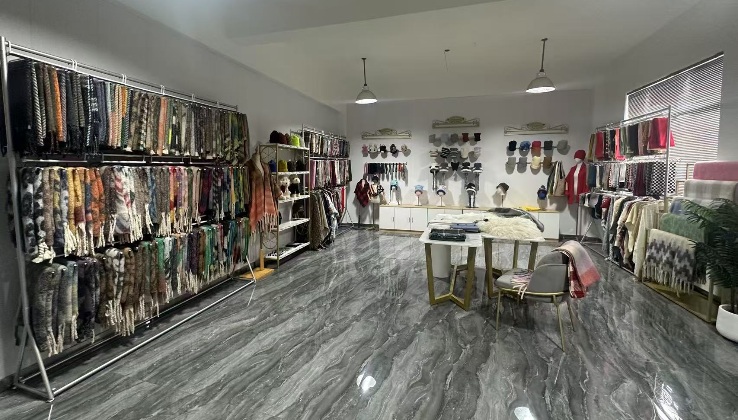
Long-term supply stability comes from more than product quality. It depends on communication, planning, and cooperation.
Provide Complete Order Information
Incomplete order details often create unnecessary delays. Buyers should prepare clear instructions covering:
Product specifications
Quantity requirements
Packaging preferences
Branding details
Shipping destination
A complete order brief allows suppliers to prepare materials and production plans more efficiently.
Maintain Regular Communication During Production
Regular updates help identify possible issues before they become major problems.
A simple production update can include:
Current production progress
Expected completion date
Inspection schedule
Shipping preparation status
This information allows buyers to adjust marketing plans or inventory arrangements when needed.
Prepare Multiple Shipping Options
Problems in transportation can arise despite smooth operations in production. Professional buyers tend to have different options of transportation depending on the urgency and budget of the shipment.
In case of urgent deliveries, fast transportation can be employed. For bigger shipments, slow modes of transport can work well due to better cost management.
Different options mean less dependence on one form of transport.
How SHE BELIEVES Supports Reliable Shawl Sourcing
SHE BELIEVES is an organization engaged in wholesale shawl sourcing. They are involved in design, manufacturing of shawls, scarves, and fashion accessories. They offer full range of services, which include design, material, manufacturing, quality assurance, packing, and delivery of the goods. As an organization with customized order experience, buyers can have a systematic approach to their purchasing.
The company provides customization needs such as materials choice, patterns, printing, weaving, embroidery and branding. Through order flexibility and manufacturing management, she believes deals with fashion brands, boutiques and other wholesale buyers seeking reliable supply services.
Through integration of product development and manufacturing services, she believes assists buyers in making their purchase of wholesale pashmina shawls more reliable.
Conclusion
When trying to minimize the lead time risks for the purchase of wholesale pashmina shawls, preparation is essential at each step. Correct choice of supplier, approval of samples early enough, monitoring of production process, and planning shipping methods will help to avoid possible problems in advance.
For retail stores and fashion firms, the reliable delivery is not only an effective logistic solution but also guarantees trust of customers, maximizes sales in seasons and creates a better source policy in general.
Professional cooperation with a supplier lets you concentrate on expanding the market while having your products delivered on time.
FAQs
1. How can buyers reduce lead times for wholesale pashmina shawls?
Buyers can reduce lead times by making sure that sourcing of materials has been done, approving samples quickly, ensuring that all specifications have been covered and selecting suppliers whose production processes are transparent.
2. What is the normal time period required for wholesale pashmina shawls production?
The time period required for wholesale pashmina shawls production will depend on how many items are being ordered, whether customization is required, materials and inspection of items.
3. Is it possible for a reliable supplier to make inventory management easier?
Yes. A reliable supplier can provide timely information regarding the process of production and delivery of orders.


