


What Drives the Total Landed Cost of Custom Silk Scarves for B2B Buyers?

A silk scarf quote can look competitive at first and become much less attractive once the order is ready to ship. The reason is usually not one hidden fee. Cost builds gradually: the chosen silk, printing method, sample revisions, packaging, carton volume, freight route, import charges, and any quality correction all add to the final number. For B2B buyers, comparing only the factory unit price often gives the wrong picture. A better approach is to follow the order from specification to destination and make sure every supplier is pricing the same product, the same quantity structure, and the same delivery assumptions.
Which Product Decisions Change the Cost Before Production Even Starts?
Most cost differences begin inside the product specification, long before logistics enters the discussion. A scarf described only as “custom silk, printed, 65 cm square” still leaves several important production questions unanswered.
That is why early quotations often move after the first sample.
Material and construction need to be fixed first
Silk composition, weave, dimensions, edge finishing, and print method all affect the product being costed. A satin scarf and a twill scarf may both use silk, yet the sourcing and production assumptions behind them are not identical.
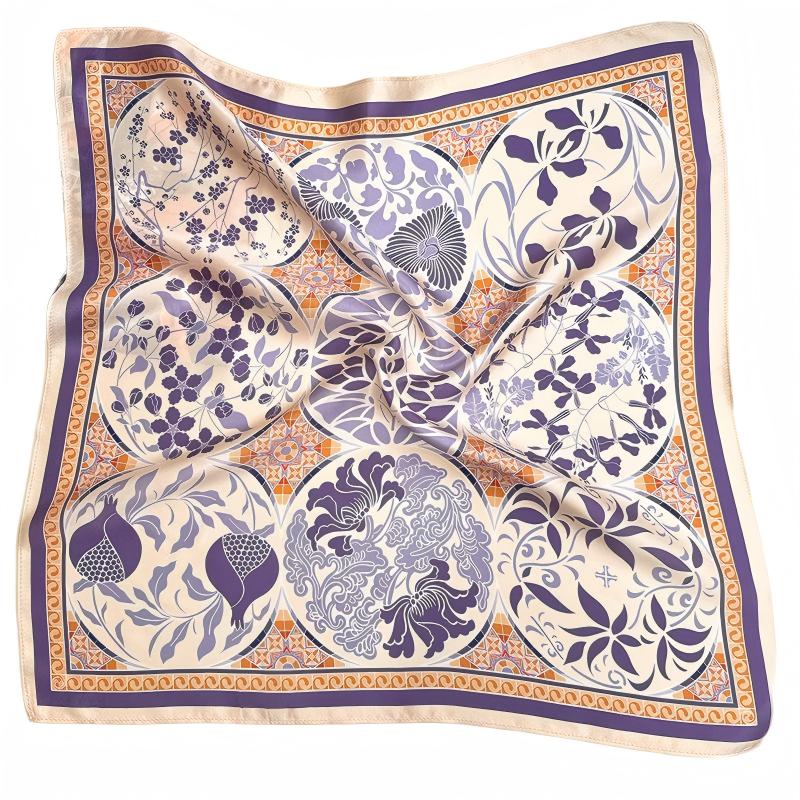
The silk scarf category is useful when a buyer is still deciding which construction belongs in the project. Once that decision is made, the same construction should appear in every supplier request.
If supplier A prices one silk structure and supplier B assumes another, the quotations are not comparable even when both say “100% silk scarf.”
Artwork can alter the cost after the first review
A simple repeat pattern and a complex artwork file do not create the same production discussion. Print coverage, color requirements, placement, edge treatment, and finishing all need to be considered before the quote becomes stable.
This is one reason buyers sometimes receive a revised price after the sample stage. The product has become more specific.
That is not necessarily a problem. The problem is comparing an early estimate from one supplier with a post-sample quotation from another and assuming both figures represent the same product.
Why Do Sampling and MOQ Change the Real Cost Per Sellable Design?
Sampling often looks minor next to the bulk order, but it can have a noticeable effect when a collection contains several artworks, colorways, or revisions.
A 1,000-piece order is not always economically the same as another 1,000-piece order.
One order can contain several small production decisions
Imagine one buyer orders 1,000 scarves in a single design. Another orders 1,000 pieces split across eight artworks and several color combinations.
The total quantity is identical, but the second project usually requires more sample confirmation, more artwork management, and more production coordination.
That is why “cost per piece” can hide useful information. Procurement teams should also look at cost per approved SKU and cost per design.
The ODM/OEM customization process notes that custom MOQ varies with factors such as material, process, size, logo, labels, packaging, and other project requirements. One universal MOQ therefore does not describe every custom silk scarf order.
Sample revisions should be treated as development cost
The first sample may confirm the idea immediately. Or the buyer may ask for another color, a different size, revised edge finishing, or a new artwork file.
Those rounds belong to development.
Keeping them separate from the recurring bulk unit cost makes later decisions much clearer. If the same scarf is reordered six months later without redevelopment, the economics are different from the first launch.
How Can Packaging and Freight Turn a Good Unit Price Into a Higher Landed Cost?
Packaging is easy to underestimate because it often appears late in the discussion. A plain individual bag and a rigid retail box do not create the same cost or shipment volume.
For premium scarf programs, packaging can change both the presentation budget and the logistics budget at the same time.
Packing choices affect the carton, not only the product
Hangtags, care cards, tissue, sleeves, boxes, inserts, and individual bags all occupy space.
A scarf that ships compactly without retail packaging can require much larger cartons once a gift box is added. That difference matters when freight is calculated by volume.
If custom packaging is part of the retail plan, it should be included before the shipping estimate is treated as reliable.
Freight comparisons need the same delivery basis
An attractive factory price may exclude most of the transport chain. Another quotation may include more of the delivery process.
Before comparing them, identify where each supplier’s responsibility ends.
Express, air, sea, rail, and truck can produce very different cost and timing profiles. Destination also matters, as do customs duties, taxes, and the agreed trade term.
A buyer does not need to predict every future freight change. The comparison simply needs to state what is included and what is not.
Where Do Quality Problems Show Up in the Cost Calculation?
Quality risk rarely appears as a line item in the first quotation. It usually appears later, when goods need sorting, inspection, replacement, repacking, or reshipping.
Even a small issue can become expensive when it affects an entire launch schedule.
The approved sample protects both quality and budget
Once the sample is approved, the material, artwork, size, color, finishing, labels, and packaging represented by that sample should match the production specification.
If the supplier changes one of those points after approval, the commercial impact should also be reviewed.
The sample therefore does more than show how the scarf should look. It keeps the product definition stable.
A cheap scarf can become expensive after rework
Suppose one quotation is slightly lower, but the finished order requires extra inspection and sorting before it can reach stores. The original saving may disappear very quickly.
For internal review, it is useful to separate cost into a few practical groups:
-
product and finishing;
-
sample and development;
-
labels and retail packaging;
-
freight and destination charges;
-
inspection or correction costs.
The exact structure will vary from company to company. The point is to stop treating the factory price as the whole project.
What Should Buyers Compare Before Choosing Between Final Supplier Quotes?
Final comparison works best after the major product decisions have stopped moving. Otherwise, each quotation may still be based on a different version of the scarf.
This is where purchasing and finance teams need the same document.
Make sure the quantity split is visible
A total order quantity can be misleading when the order contains several colors or designs.
Record quantity by SKU, not just total pieces. Also confirm whether labels, packaging, sampling, and any setup charges are included in the quoted figure.
For example, 2,000 scarves split over ten artworks may create a different cost structure from 2,000 pieces of one design, even if the total order value initially looks similar.
Write down assumptions instead of keeping them in email
Mark whether freight is confirmed or estimated. Note whether duty is included. Record which packaging version is being used. State whether the quote assumes the approved sample.
These notes become particularly valuable when the order changes.
A buyer may reduce quantity, replace one design, or switch packaging after the first cost review. If the original assumptions are visible, finance can update the landed cost without rebuilding the entire calculation.
Need Help Clarifying Costs Before a Custom Silk Scarf Order Moves Forward?
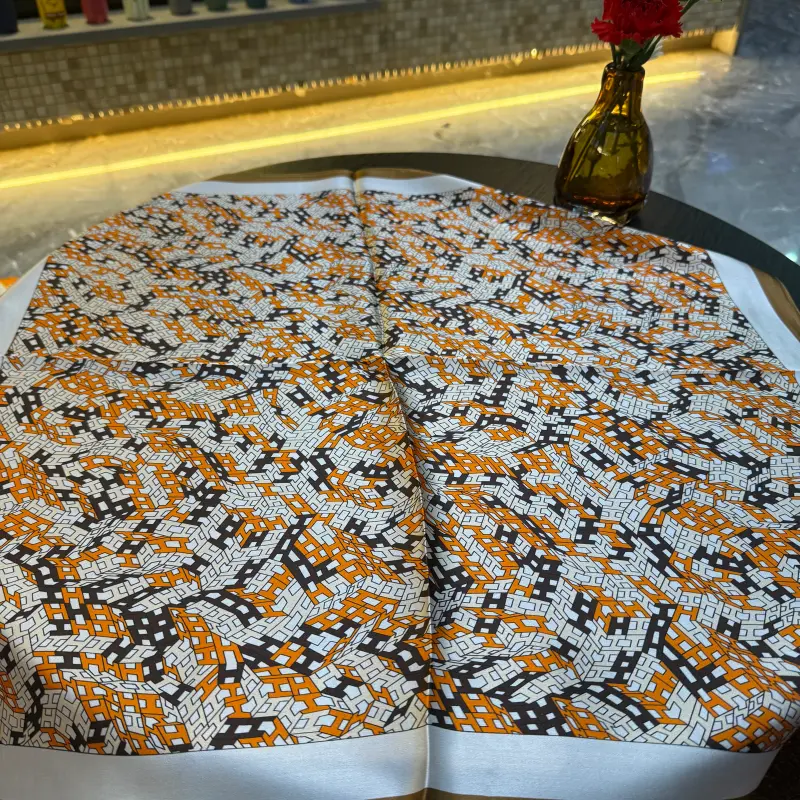
Once the scarf specification is stable, the remaining cost picture becomes easier to discuss because the product, packaging, and delivery requirements are referring to the same order. She Believes supports custom scarf development across silk and silk-blend material options, printing, sampling, labels, packaging, inspection, and shipment coordination. The Women’s Floral Printed Square Scarf Lightweight Satin Feel Fashion Scarf provides a current product-page reference where size, material, process, and order information are presented together. A custom project still needs its own calculation based on the final artwork, construction, quantity split, packaging, and destination.
Conclusion
The landed cost of a custom silk scarf is built gradually rather than appearing in one quotation line. Product construction sets the base cost, sample development affects the first order, SKU count changes how MOQ is used, packaging influences shipment volume, and logistics determines what happens after the scarves leave the factory. Quality issues can add another layer after production. Buyers get a much clearer comparison when every supplier is quoting the same specification and when assumptions about quantities, packaging, freight, duties, and inspection are written down before the final decision.
FAQs
1. Why can the cheapest silk scarf quotation end up costing more after delivery?
A lower factory price may exclude packaging, freight, duties, inspection, or development costs. It may also be based on a different material or specification. The final comparison needs to include the complete order.
2. Does splitting one order across many scarf designs affect cost?
It can. Multiple designs may require separate artwork checks, samples, production setup, and quantity planning. Total pieces alone do not always show the real cost of each sellable SKU.
3. When should packaging be included in a landed-cost estimate?
As early as possible once the retail packaging has been chosen. Boxes, sleeves, cards, and inserts can change both direct packing cost and shipment volume.
4. Should sample fees be included in the unit price?
They are usually easier to understand when recorded separately as development costs. That also makes first orders and repeat orders easier to compare.
5. What should be identical before comparing two supplier quotations?
The material, dimensions, printing method, finishing, quantity by design, labels, packaging, destination, and delivery basis should match. Any exclusions or estimates should also be clearly recorded.


