


What Specifications Should Buyers Confirm Before Ordering Wholesale Pashmina Shawls?
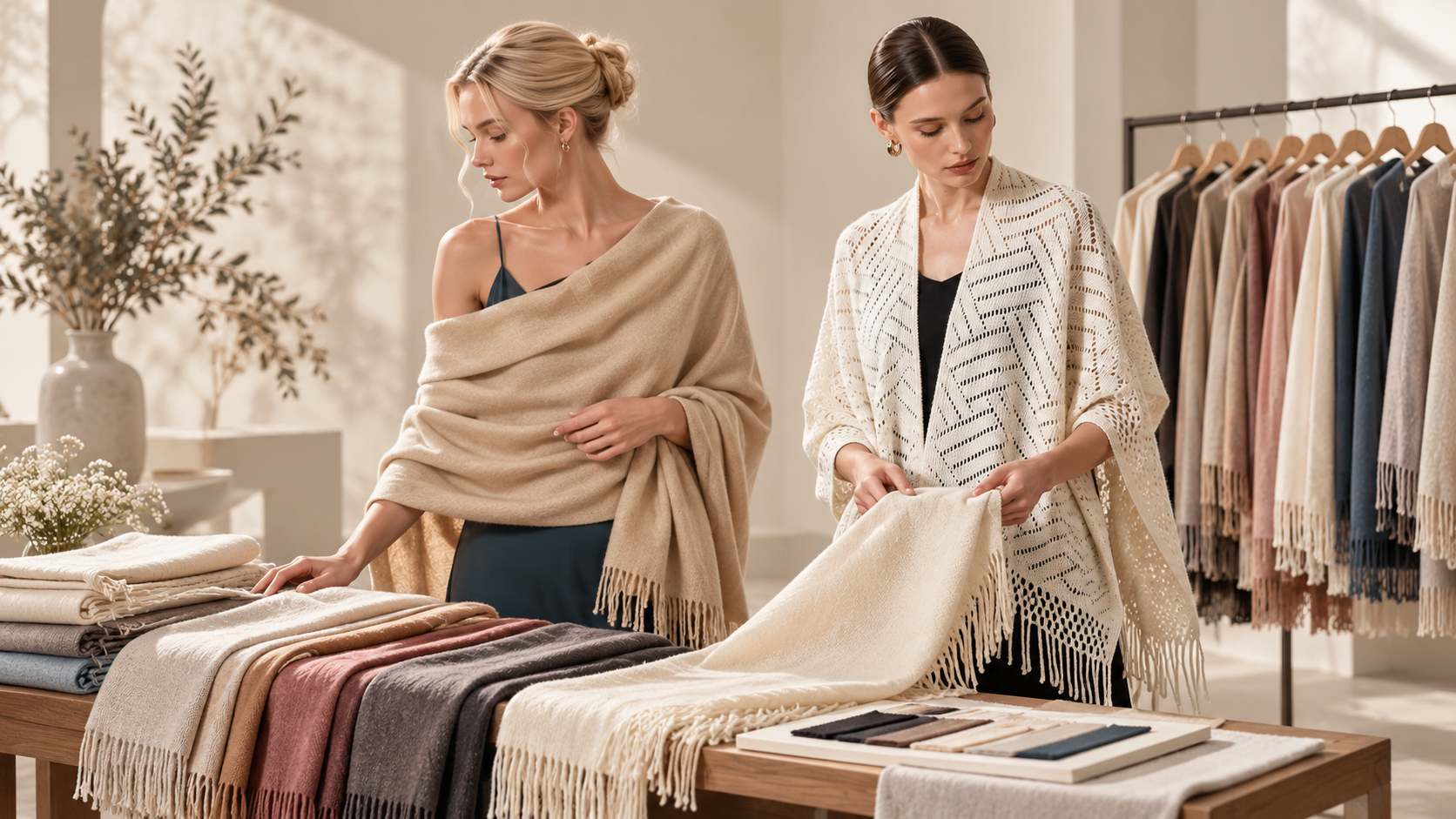
A wholesale pashmina shawl order can become difficult long before bulk production starts. The word “pashmina” may appear clear in an inquiry, yet suppliers can still quote different fiber compositions, dimensions, finishes, labels, and packaging. Prices then look comparable even when the products are not. For procurement teams, the safer approach is to turn the intended shawl into a written specification before approving a quotation. Material identity, construction, size, color, finishing, branding, sample reference, and packing should all describe the same item.
Which Material Details Should Buyers Confirm Before Comparing Pashmina Shawl Quotes?
Material is the first place where apparently similar quotations can separate. “Pashmina shawl” should not be treated as a complete raw-material specification, especially when the commercial label is used across different markets and constructions.
Ask for the fiber composition in writing
The quotation, sample approval, label information, and final order should use the same material description. If a supplier proposes a blend or an alternative construction, that change should be visible rather than hidden inside a revised unit price.
Hand feel alone is not enough. Two shawls can both feel soft during a short sample review while differing in composition, weight, or surface. Buyers comparing material directions can review the shawl material range before deciding what must be fixed in the RFQ.
Define the intended feel through the sample
Words such as “luxury,” “soft,” or “lightweight” are useful for design discussion but weak as approval criteria. During sampling, record how the shawl should drape, how much body it should have when folded, and whether the surface should feel smooth or brushed. The physical sample can then capture qualities that are difficult to express through numbers alone.
What Size, Construction, and Finishing Details Need to Be Locked Before Production?
A shawl can use the correct material and still arrive as the wrong product if dimensions or finishing were never agreed. Size affects styling, coverage, packing volume, and presentation, so it belongs in the first quotation.
Record finished dimensions, not approximate size
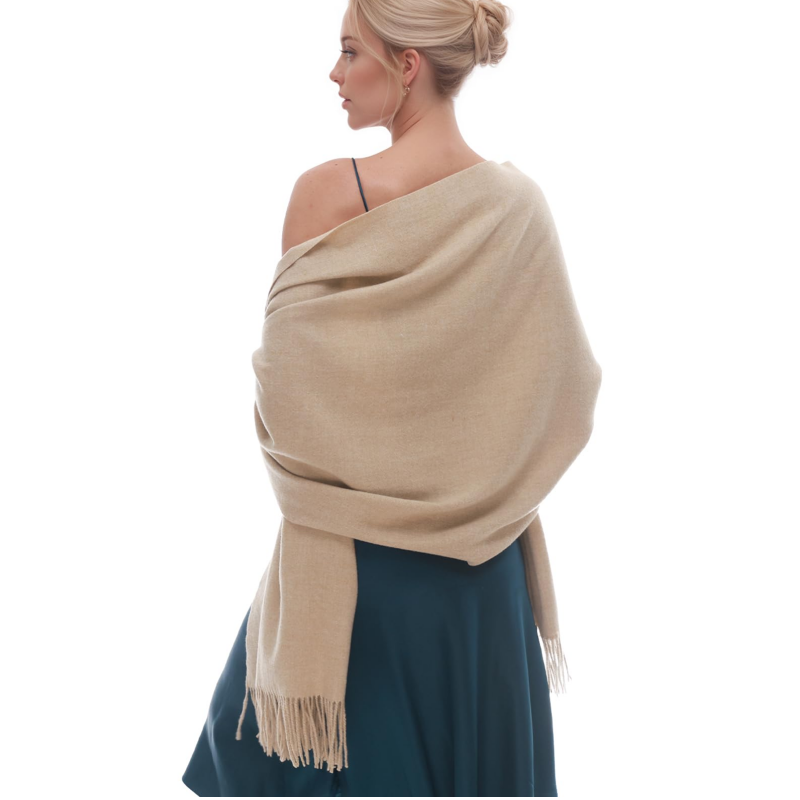
State the required finished length and width and clarify whether fringe is included. If the design uses a stole format or oversized wrap, identify that construction instead of leaving the supplier to infer it from a photograph.
Tolerance also deserves attention. Rather than inventing a number, ask what production tolerance can realistically be controlled and how it will be checked.
Treat edges and fringe as part of the product
Fringe length, edge treatment, corner appearance, and decorative finishing should be approved on the sample. A change at the edge can affect both appearance and finished dimensions.
The stole shawl category can help a purchasing team compare proportions and finishing directions before settling on one construction.
How Should Buyers Specify Color, Branding, and Packaging for a Wholesale Order?
Color and branding often create errors when they are confirmed through separate email threads. A clean purchasing file keeps them with the physical product specification.
Give each color a controlled reference
Names such as camel, oatmeal, burgundy, or ivory are not precise enough for final approval. Use an approved physical reference, sample, or another agreed color standard. For a multi-color program, record quantity by color rather than only the total order volume.
Confirm branded components before packing starts
Custom orders may include woven labels, care labels, hangtags, logo applications, boxes, or sleeves. The ODM/OEM customization process notes that custom MOQ can vary with material, process, size, logos, labels, packaging, and other requirements, so these points should be settled before MOQ or unit price is treated as final.
Check label wording, placement, and how it sits on the finished shawl. Packaging should also be sampled when presentation or carton fit matters.
What Should the Approved Sample Prove Before a Bulk Pashmina Shawl Order Is Released?
The sample is where the buyer checks whether the written specification produces the intended product. A useful approval process relies on both the document and the sample.
Review the whole shawl, not one attractive section
Unfold the sample fully. Check dimensions, surface consistency, color, fringe or edge finishing, label position, and visible defects. Then wear it, fold it, and handle it as a customer would.
The sample should also be compared with the quotation. If material, dimensions, labels, or packing changed during development, the commercial document should be updated before production begins.
Create one final production reference
After revisions, old versions should stop being active. Keep one final specification, one approved color reference, and one physical sample.
| Item | Final Reference |
|---|---|
| Material | Written composition + approved sample |
| Size | Finished length and width |
| Color | Approved reference |
| Finishing | Fringe, edge, labels |
| Packaging | Approved packing method |
| Quantity | Breakdown by color/style |
Someone opening the order file later should be able to understand exactly what was approved.
Which Commercial Terms Should Be Confirmed Before the Purchase Order Is Issued?
Once the product specification is stable, procurement can compare commercial offers on a fairer basis. Before then, a low unit price may simply reflect fewer included requirements.
Separate product price from project conditions
Ask what the quotation includes: sampling, custom labels, packaging, inspection, carton packing, and any development charges. Confirm payment terms and the shipping term being quoted.
Delivery method matters too. Express, air, sea, rail, and truck can create different cost and timing profiles. The purchasing team should know what happens after production before deciding which quotation is genuinely comparable.
Record the repeat-order reference
A successful color may need to be repeated later in the season. Keep the sample, material description, color reference, labels, and packaging version together. “Same as last order” is rarely enough several months later; any material or process change should still be reconfirmed.
Need Help Turning a Pashmina Shawl Brief Into a Production-Ready Order?
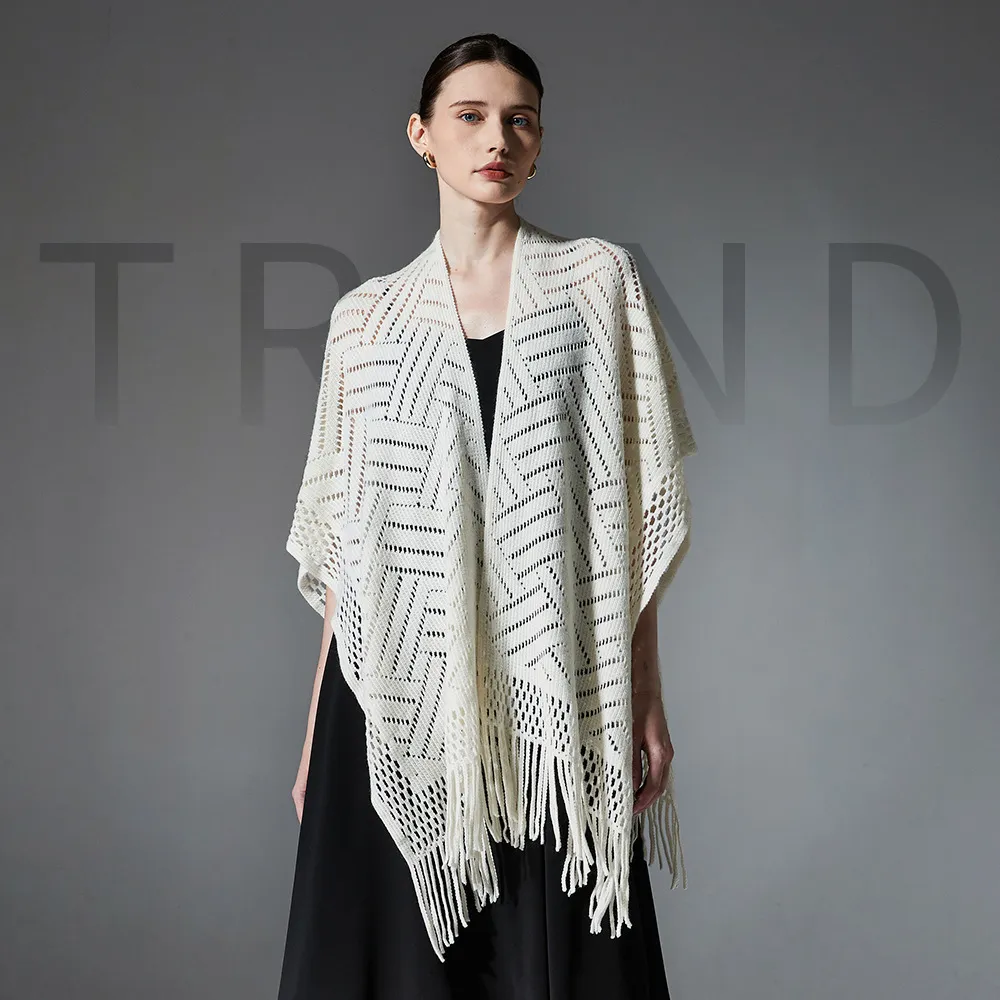
For buyers who have already decided the intended material direction and market position, the next step is converting those decisions into a controlled sample and bulk specification. She Believes lists Pashmina among its custom material directions and supports OEM/ODM development, design-file submission, woven and knitted processes, inspection, labels, packaging, and delivery coordination. Buyers comparing related stole constructions and multi-color assortment planning can also review the Wholesale Multicolored Faux Cashmere Shawl Wedding Stole Shawl as a shape and color reference, without treating its faux-cashmere material as Pashmina.
Conclusion
Wholesale pashmina shawl sourcing becomes easier when the buyer stops treating the product name as the specification. Material identity, dimensions, color reference, finishing, branding, packaging, sample approval, quantities, and commercial terms should all point to the same final version. That gives procurement a fairer basis for comparing quotations and gives production a clearer standard to follow. The approved sample also becomes a useful reference for inspection and later repeat orders.
FAQs
1. Is “pashmina” enough information for a supplier quotation?
No. Confirm the fiber composition, construction, finished dimensions, finishing, color, quantity, branding, and packaging. Otherwise suppliers can use the same product name while pricing different shawls.
2. Should fringe be included in the finished shawl dimensions?
The specification should state this explicitly. Some measurements may describe only the fabric body, while others include fringe, so leaving the point open can create size disagreements.
3. Why confirm packaging before the final MOQ and price?
Packaging, labels, logo treatment, material, size, and other custom requirements can affect production conditions. A complete configuration gives the supplier a better basis for confirming MOQ and price.
4. What should buyers keep after approving the sample?
Keep the physical sample with the final material description, measurements, color reference, finishing details, label artwork, packaging specification, quantity breakdown, and current commercial document.
5. What should be reconfirmed for a repeat order?
Recheck material availability, color, dimensions, finishing, branding, packaging, quantity, and delivery terms. The previous sample is useful, but production conditions may change.


