


Why Do Wool Scarves Pill After Limited Wear? Fiber, Yarn, and Friction-Test Checks
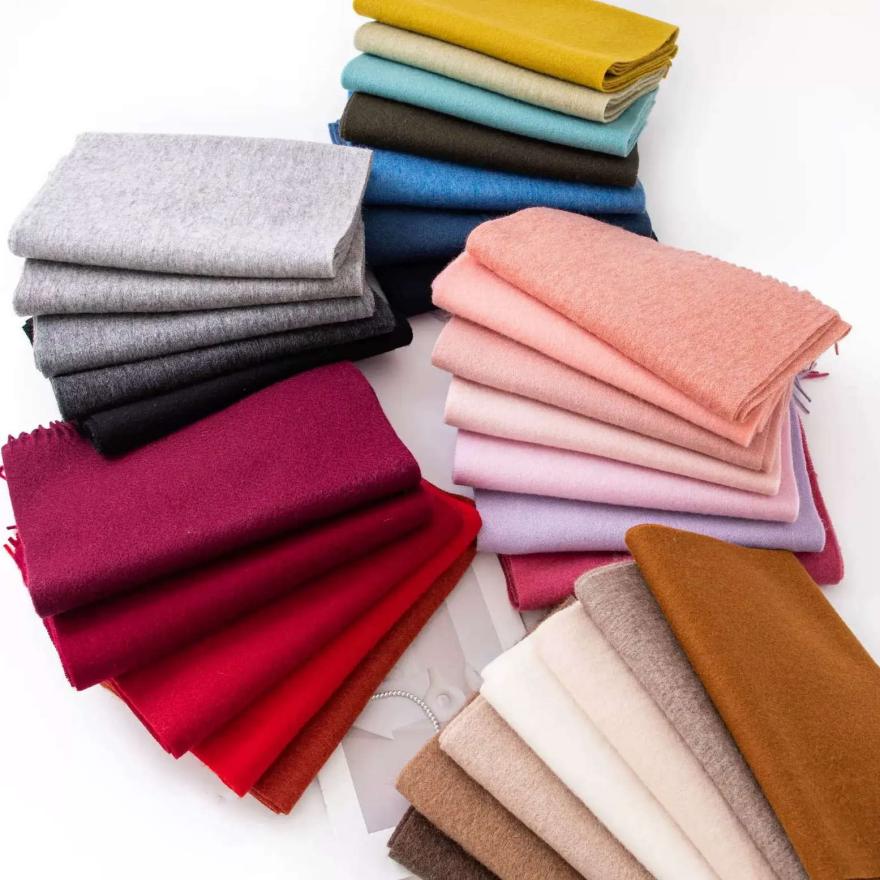
Months of wear give surface pills an understandable history. A new return is harder to read when one small area looks worn and the surrounding cloth does not. One party sees the patch; the other sees how limited it is. Before debating the lot, examine the boundary of the changed area and its position on the worn scarf.
Perhaps rubbing has pulled up loose ends. Some may curl into a knot while a few strands still tether the mass to the yarn. A collar can sweep the same short curve on every wear, leaving the face outside that curve unchanged. Care and storage between purchase and return may have altered the specimen before it reached the first review.
Do the Raised Ends Still Lie Separately, or Are They Knotted?
Fuzz looks like a fine veil above the cloth. It comes from fiber ends that have risen but have not necessarily tangled. A pill feels more compact because loose ends have tangled and some are still anchored below. In flat light, a halo and a compact pill may cast almost the same tone. Hold distance and lighting constant, then capture the affected area beside a clean section. The pair preserves scale and shows whether the surface really changed.
Let the Location Explain the First Possibility
A crescent below the chin points toward a collar or repeated neck movement. A line on one shoulder invites comparison with a bag strap. Damage appearing beneath the arm has another recognizable contact route. By contrast, a broad change through a folded, unworn section makes packing, finishing, or production variation harder to ignore.
The number of wears and the care history belong beside those photographs. The surface that rubbed the scarf matters just as much. The wool scarf range includes surfaces raised for softness as well as tighter woven faces. Their wear should therefore be judged against the intended finish, not against a single behavior assigned to all wool scarves.
What Must Happen for Loose Wool Fibers to Form a Pill?
The label gives composition but says nothing about the grip of the yarn on fibers at its surface. An end must first protrude beyond the yarn far enough to be flexed by contact. Fiber length, diameter, crimp, and processing condition influence that escape. It then needs enough residual strength to catch and wind around nearby ends. An end that fractures sooner leaves as lint instead. Construction and finishing can shift both probabilities without altering the stated wool percentage.
Read the Yarn and Finish Through the Approved Handle
Where cohesion is low, rubbing needs less work to draw an end away from the yarn body. A very open fabric or pronounced raising can have a similar effect. Adding twist may hold the yarn together more firmly, yet it may also take away the soft hand and relaxed drape that the buyer approved. The sensible comparison is therefore not “more twist versus less pilling.” It is the production yarn and finish against the approved scarf, including count, twist, density, raising, and handle.
Finishing changes the first impression as well. Shearing trims exposed ends. Brushing lifts them deliberately. The wash and softening route can also alter how freely the raised face moves. When one lot stands out, compare its factory record and surface with the sealed sample to see whether the planned finish was actually reproduced. A marketing description about pilling cannot provide the missing laboratory result.
What Should Stay Intact Before Testing Begins?
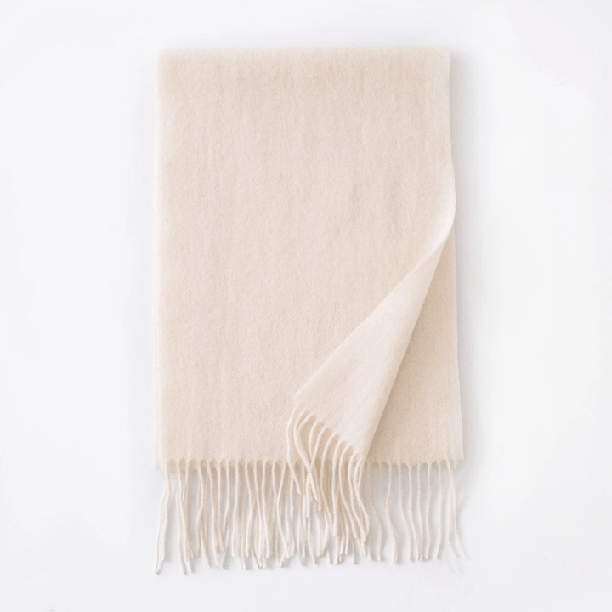
Inspect the article in one piece before selecting specimen locations. Its intact geometry preserves the link between the patch and a collar curve, fringe boundary, or fold. A detached square no longer shows where it sat on the worn article. Give every return its own identity tied to lot, reported wear, and care. Combining unmatched returns would conceal whether they share a cause at all.
Keep a Small, Comparable Complaint Record
|
Item |
What it helps establish |
|---|---|
|
Order, color, lot, and packing reference |
Which production group and handling route are involved. |
|
Wear time and contact material |
Whether the patch follows a repeated source of friction. |
|
Care and drying history |
Whether the surface changed after refurbishment. |
|
Matched close views |
How the worn zone differs from an untouched zone under the same light. |
|
Unused unit and approval sample |
Whether production and the approved surface still agree. |
If possible, photograph one marked area before and after the chosen trial. That sequence shows whether the first change is a halo of fuzz, the formation of pills, or a color-contrast effect that makes a modest change look dramatic.
Which Friction Test Answers the Buyer’s Question?
ISO 12945-2:2020 applies modified Martindale action and assesses the resulting pilling, fuzzing, and matting. ASTM D3512/D3512M-22 relies on random tumble action and grades appearance from 5 (none) to 1 (very severe). A grade is interpretable only with the motion and conditions of its named method.
Compare Like With Like From Conditioning Through Rating
A supplier comparison becomes interpretable when both sets use one edition, conditioning route, specimen arrangement, endpoint, light, and rating reference. Care state matters too: a result before cleaning should not quietly be compared with one after the intended care process. ASTM also lists material, construction, finish, refurbishment, and wear as sources of variation and urges care in acceptance comparisons across laboratories. Matched material under a shared procedure removes much of that avoidable variation.
Sometimes the complaint is too local for a flat-fabric test to explain. Use the reported strap, for example, against the scarf in a separate trial when the damage follows its narrow path. Write down enough of the setup for the same motion to be repeated: the applied load, travel, duration, and moments of inspection. The result may explain the return, but it belongs under the buyer’s simulation, not under an ISO or ASTM heading.
Which Surface Change Would Conflict With This Product Promise?
A deliberately brushed luxury face may reach a different sensible endpoint from a compact scarf intended for everyday handling. Use the approved face, expected contact, and stated care route as the starting condition. The sales promise determines how much visible change the market will accept. A grade without its endpoint is incomplete. Few pills do not excuse a matted, thinned, heavily fuzzed, or discolored surface when those changes undermine the approved look.
Use Development to Establish the Reference Production Must Repeat
Development is where alternative yarns or finishes can be compared under one procedure. Lot control has a narrower purpose: confirming that production still represents the approved combination. If an investigation points to finishing, changing the fiber may solve the wrong problem. If damage follows a strap, a new finish may not reproduce the customer’s contact condition. The correction should stay tied to the observed mechanism.
Explore Custom Wool Scarf Solutions from SHE BELIEVES
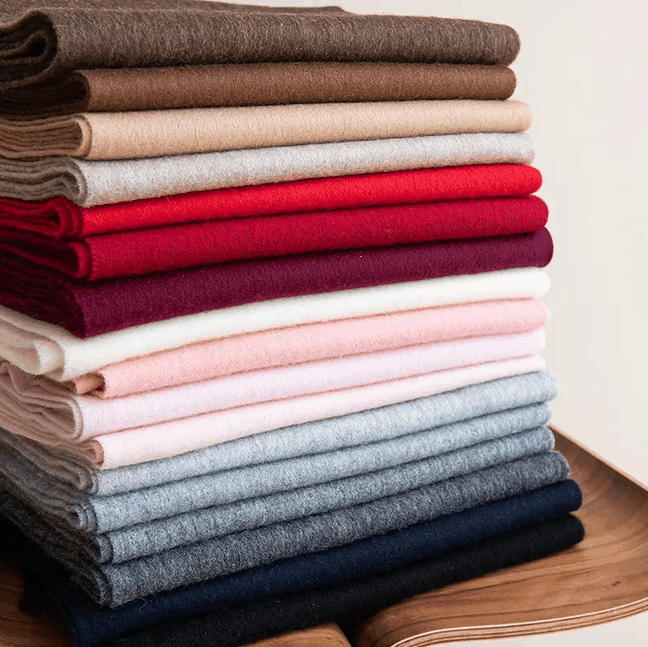
SHE BELIEVES presents its shawl, scarf, and fashion-accessory work as an integrated custom service. On its site, SHE-003984—Ladies Plain 100 Wool Scarf For Winter With Tassel—is specified as woven, 100% wool. Those facts identify the reference product, while an order-specific sample and agreed method must establish the required surface performance.
The ODM and OEM development path can carry the desired surface, the way the scarf will be worn, the colors where contrast matters, and the chosen test reference into sampling. A practical request can connect those details to the approval sample and identify what must remain consistent in yarn and finishing. It can also identify a retained unit from the production lot, so a later return has a true comparison rather than a memory of the sample.
Conclusion
One patch seen early in wear does not establish how the whole shipment behaves. Texture shows whether ends are loose or knotted; the outline shows whether the change follows the reported collar, strap, or other contact. Only after the intact return has been set beside the unused production unit and approval scarf should specimens be chosen. A named test can measure the fabric under repeatable action, while a separate wear trial can investigate a narrow real-life contact. The answer may lie in use, finishing, construction, or lot consistency; the surface pattern helps decide which path deserves attention.
FAQs
1. When is light fuzz different from pilling?
Raised ends alone are fuzz. The change becomes pilling when the raised ends knot together without fully breaking away.
2. Why Is Fiber Content Alone Not a Pilling Result?
It leaves open the yarn’s hold on the fibers, the fabric geometry, and the mobility introduced by finishing. Those variables interact with care and the actual rubbing material during wear.
3. Can Martindale and random tumble grades be compared directly?
They answer the question with different motions and conditions. A valid comparison uses the same named method, edition, conditioning, endpoint, and rating procedure.
4. What belongs with a pilling complaint?
Keep the lot reference, wear and care history, matched close photographs, the returned scarf, and an unused unit from the same production when available.


