How Fashion Brands Can Create Limited-Edition Scarf Collections Without Overproducing
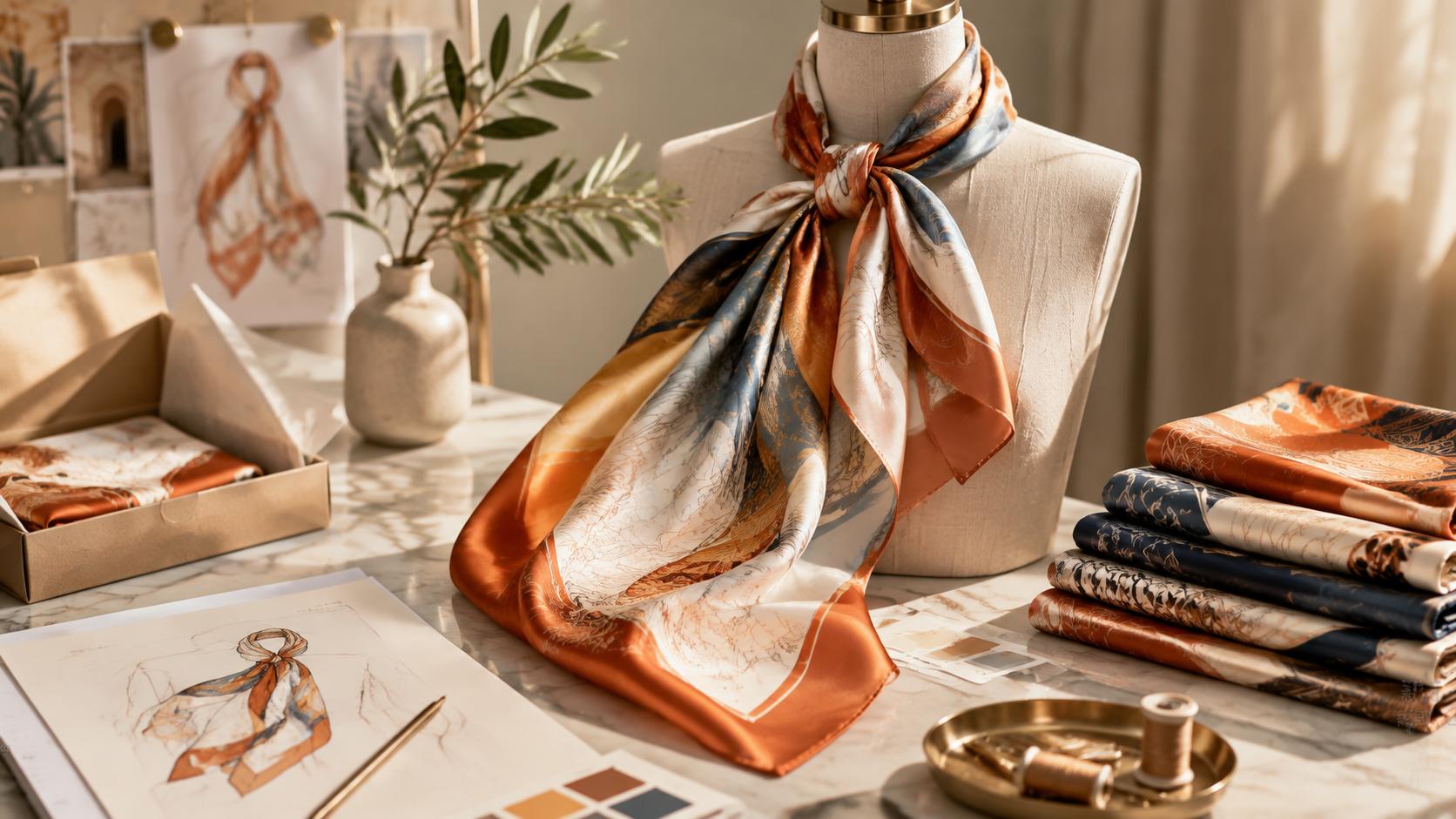
The safest way to launch a limited-edition scarf collection is not to make a large order and hope scarcity creates demand. Fashion brands can reduce inventory exposure by controlling SKU count first, confirming MOQ against the actual specification, sampling the most important designs before bulk production, and deciding how reorders will work before the launch goes live. For product managers, boutique buyers, and sourcing teams, “limited edition” should describe the selling strategy; it should not become an excuse for an uncontrolled assortment. This is particularly useful for categories such as шелковые шарфы, where artwork, colors, sizes, labels, and packaging can all create more variants than the original collection plan anticipated.
How Many Designs Should a Limited-Edition Scarf Collection Start With?
The answer should come from inventory exposure, not from how many designs the creative team can produce.
Every new pattern, color, size, or packaging variation can create another stock unit. A seemingly small collection can therefore expand quickly.
Count SKUs before you count pieces
Consider a simple planning example. It is illustrative, not a supplier MOQ rule.
| Collection plan | Designs | Colorways per design | Resulting SKUs |
|---|---|---|---|
| Focused drop | 3 | 1 | 3 |
| Wider color test | 3 | 2 | 6 |
| Expanded assortment | 5 | 3 | 15 |
The difference between three and fifteen SKUs matters because demand rarely spreads evenly across a collection. One design may sell quickly while another moves slowly. If the initial order is divided across too many variants, the brand can end up holding stock in combinations that customers did not choose.
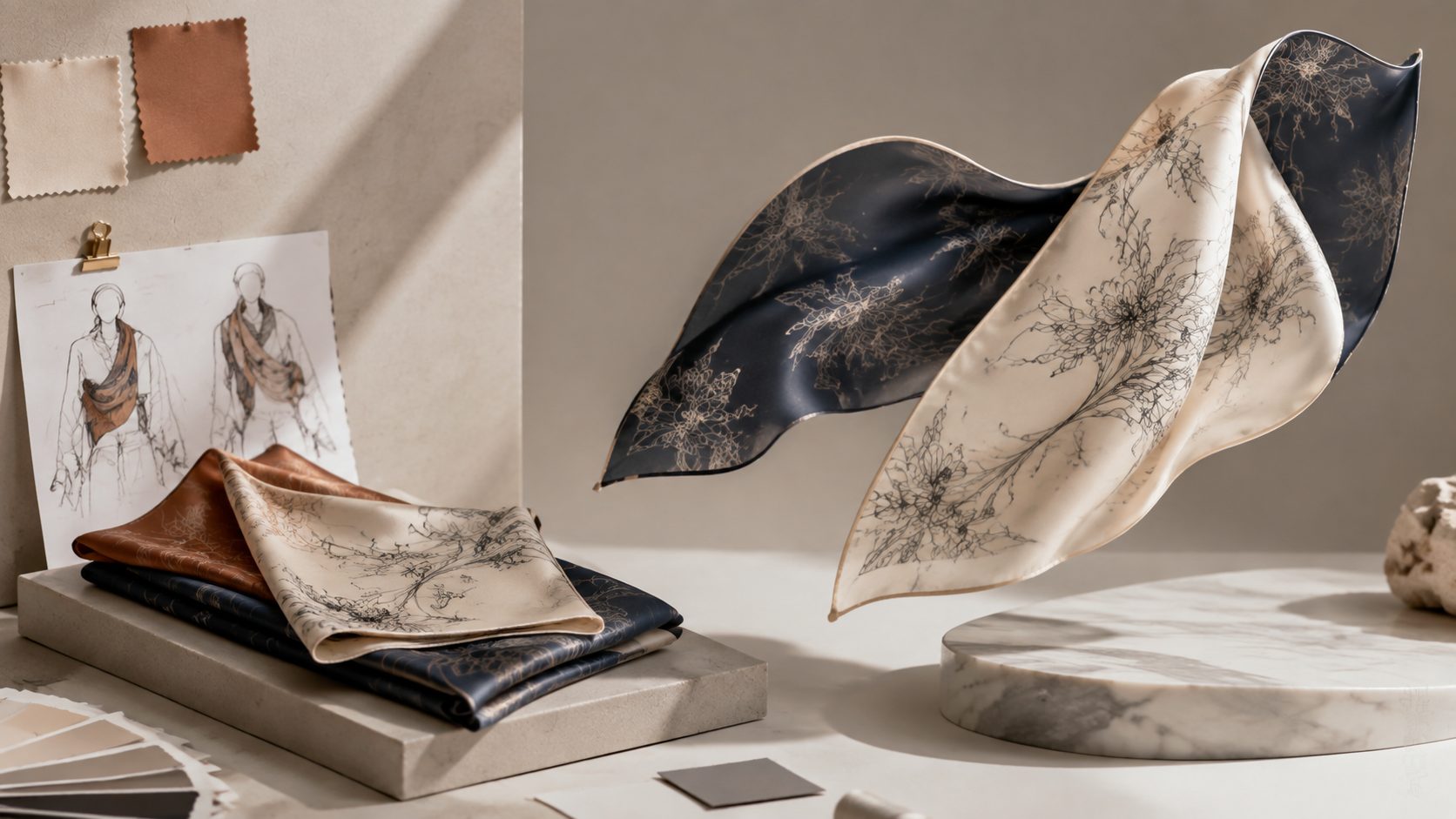
A more disciplined range gives each design a reason to exist. One might be the hero print used in campaign photography. Another can be more commercial and easier to style. A third can carry the seasonal story or collaboration theme.
The current catalog offers a useful example of a time-specific concept in the 2026 год лошади Эксклюзивная оптовая продажа 100% шелкового шарфа с печатью лошади. The value of such a product is tied to a clear theme rather than a large number of unrelated variants. The product is currently listed within the company’s scarf assortment.
Which Specifications Have the Biggest Effect on Small-Batch Production?
“Can you make a small quantity?” is too broad a question for a useful factory answer.
MOQ can change when the specification changes.
The supplied customization information identifies material, scarf size, printing method, logo treatment, labels, packaging, and other requirements as factors that can affect custom-order quantity. A buyer should therefore define those items before comparing quotations.
Separate must-have customization from optional customization
Suppose the artwork is essential but a custom rigid gift box is not. The brand should ask the supplier to quote the scarf first, then show the effect of adding the box separately.
The same approach works with labels, embroidery, special finishing, or several sizes. It lets the buyer see which choices support the limited-edition story and which ones simply add cost or production complexity.
A useful RFQ comparison is:
| Variable | Decision to lock before quotation | Buyer question |
|---|---|---|
| Материал | Fiber/composition or approved base fabric | Does changing this alter MOQ? |
| Размер | One finished dimension per SKU | Does a second size create a separate minimum? |
| Artwork | Final print or decoration file | Is MOQ calculated per artwork or total order? |
| Color | Approved color direction | Can colorways share an order quantity? |
| Branding | Logo, woven label, care label | Which branding steps change setup requirements? |
| Упаковка | Standard or custom | Is packaging MOQ separate from scarf MOQ? |
Brands researching smaller entry quantities can use the related Low MOQ Wholesale 101 guide as additional context. The final MOQ for a new project, however, still needs to be confirmed against its exact specification rather than copied from another product or article.
How Should Brands Sample a Limited Collection Before Committing to Production?
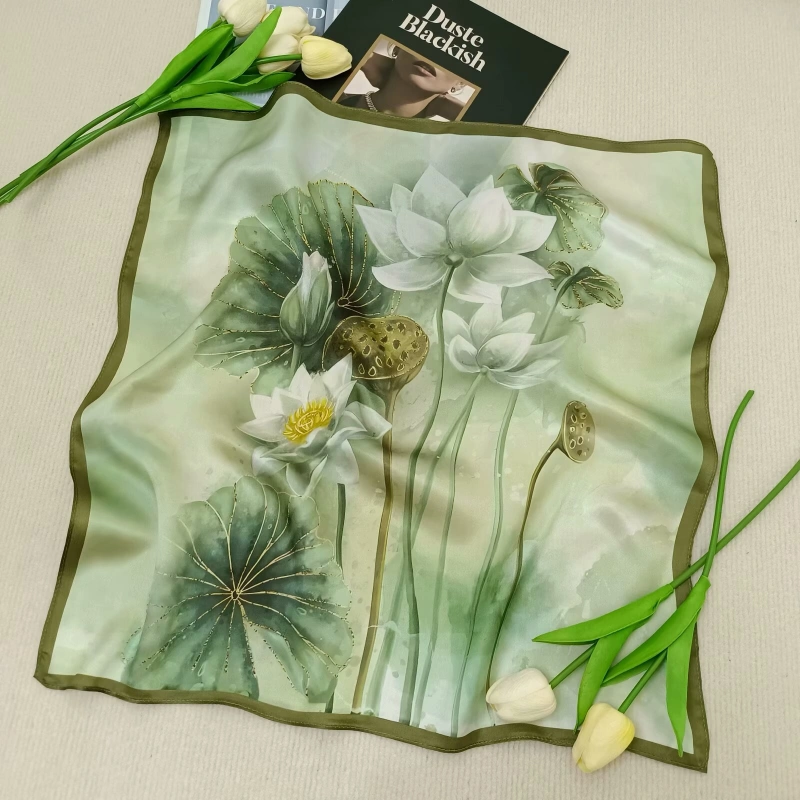
Sampling is where a limited drop should become measurable.
The supplied project documentation describes a process in which the buyer provides a drawing, design sketch, or sample, confirms the details, and reviews a pre-production sample before bulk manufacturing. It gives an approximate sample period of 7–10 business days, while mass-production timing is generally stated as 15–25 days depending on order quantity and process complexity.
Those figures are useful for planning, but they should not be turned into a launch promise until the supplier has reviewed the actual design.
Approve what purchasing will later inspect
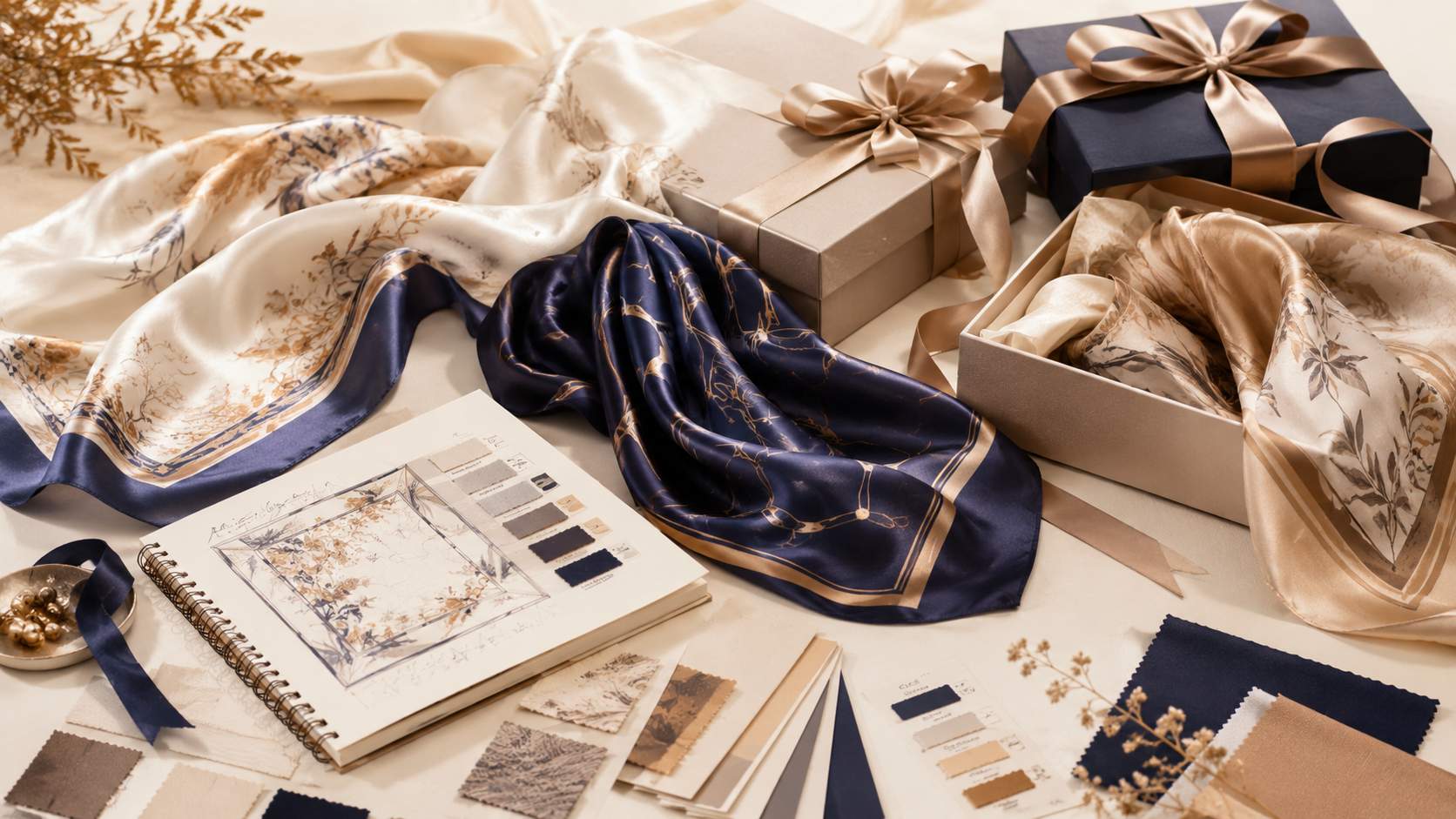
The sample approval sheet should cover material, dimensions, artwork position, color, edge finishing, logo, labels, packaging, and overall appearance. If the scarf will be photographed folded or tied in a particular way, review that presentation too.
Do not approve artwork on a monitor and fabric separately, then assume the final piece will look identical to both. The finished sample is the point where material, print or decoration, construction, and finishing meet.
This is also the stage to decide whether all planned SKUs deserve production. If one design no longer fits the collection after physical sampling, removing it before bulk production is cheaper than clearing it after launch.
Brands deciding how much design support they need can also review OEM vs ODM scarf manufacturing before choosing a development route.
How Can a Brand Plan Reorders Without Turning a Limited Drop Into Overstock?
A small opening order only reduces risk if the brand has thought about what happens when one SKU sells faster than expected.
Replenishment needs to be discussed before launch.
Work backward from the selling window
Start with the date after which a reorder would no longer make commercial sense. A Lunar New Year design, resort-season print, artist collaboration, anniversary scarf, or holiday gift item may have a shorter relevant selling window than an evergreen pattern.
Then ask the supplier for the production time that applies to an exact repeat order. Determine whether materials need to be prepared again, whether artwork and color references are retained, and whether repeat production carries the same MOQ.
From there, the brand can set an internal reorder trigger.
For example, do not simply say “reorder when stock is low.” Define what “low” means in relation to the remaining selling period and confirmed supplier lead time. A slower-selling design may not need another run at all. A fast-moving hero design may justify one.
This approach is different from the trend discussion already published in Top 10 Summer Scarves & Shawls Trends 2026, which notes the use of small-run capsule and limited-edition collections to reduce overstock. Here, the important question is operational: how will the purchasing team decide whether a second production run still makes financial and calendar sense?
What Should Buyers Ask a Scarf Supplier Before Placing a Limited-Edition Order?
Price per piece is only one part of the decision.
A limited run often has tighter calendar pressure and less room for production errors because the brand may not have enough time to remake goods after a launch date passes.
The sourcing team should leave the quotation stage knowing the actual MOQ for every design, what changes that MOQ, sample timing, estimated production timing, revision procedure, quality-control stages, label and packaging options, and whether approved artwork and specifications can be reproduced for a reorder.
The supplied company materials describe raw-material inspection, in-process inspection, and finished-product inspection, as well as customer-specific labels and packaging. They also state that customer designs are treated confidentially and are not displayed, shared, or used as references without permission.
For an artist collaboration or exclusive print, that confidentiality question belongs in the sourcing discussion from the beginning.
A useful final purchasing test is simple: could another member of your team take the approved specification and know exactly what the supplier is expected to deliver? If not, the brief is still too vague.
Who Can Support Small-Batch Custom Scarf Collections?
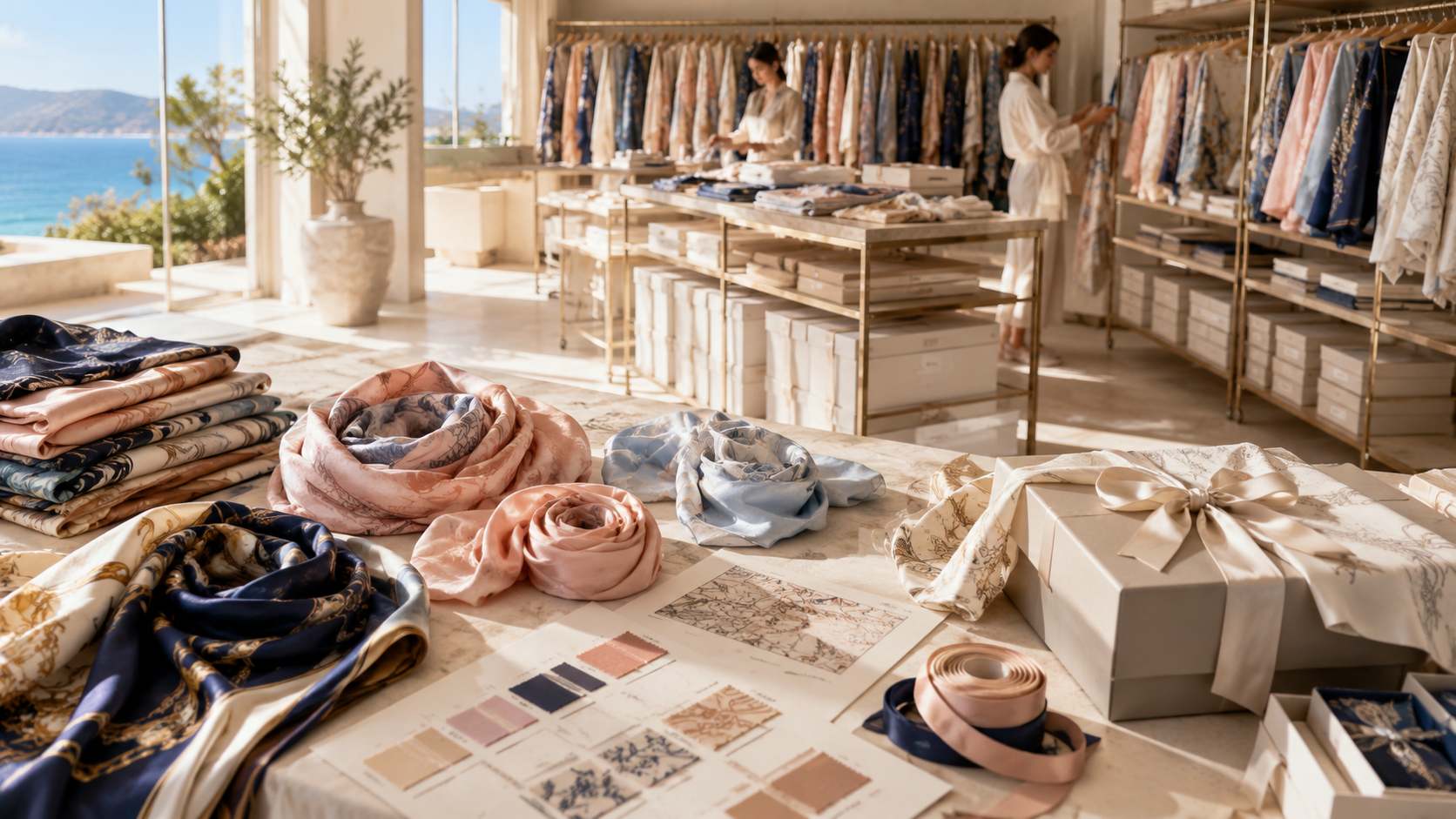
Она верит works with fashion brands, boutiques, retailers, and other B2B buyers on custom scarf and shawl projects. Its documented services cover OEM and ODM development, material and pattern matching, sampling, printing and embroidery options, labels, packaging, and production quality control. The company also presents small-batch customization and flexible development as part of its service model. Its current product range includes printed, woven, embroidered, seasonal, and silk scarf options. For a limited collection inquiry, send more than artwork. Include the intended number of designs, quantity per design, material, dimensions, branding requirements, packaging, target retail launch date, and whether reorders may be required. That information allows the supplier to identify where minimum quantities or timing may affect the launch plan before the brand commits inventory.
Вывод
Creating a limited-edition scarf collection without overproducing depends on decisions made before the purchase order. Control the number of SKUs, quote against a complete specification, use physical samples to remove weak designs, and establish the reorder logic before sales begin.Scarcity alone does not make a collection commercially disciplined. A better next step is to build a one-page collection matrix containing every proposed SKU, planned quantity, material, size, customization, sample status, launch date, and reorder deadline. Send that matrix with the RFQ so creative, purchasing, and production teams are working from the same plan.
Часто задаваемые вопросы
1. What is the safest way to test a limited-edition scarf design?
Start with a clearly specified small-batch project where the supplier’s MOQ permits it, approve a physical sample, and avoid multiplying colorways or sizes before demand is understood.
2. What factors can change the MOQ for custom scarves?
Material, dimensions, printing or decoration method, logo treatment, labels, packaging, and other custom requirements can affect MOQ. Ask for a project-specific figure after the specification is complete.
3. How long should brands allow for scarf sampling?
The supplied customization documentation gives an approximate sampling period of 7–10 business days. Actual timing should still be confirmed for the chosen material and process.
4. Should a limited-edition scarf collection have several colorways?
Only when each colorway serves a clear commercial purpose. More colorways create more SKUs and can spread the opening inventory across combinations with uneven demand.
5. When should a brand decide whether to reorder a limited-edition scarf?
Set the decision point before launch using the remaining selling window, stock position, sales performance, and confirmed repeat-production lead time. A reorder should still arrive while the collection remains commercially relevant.