

How Boutique Buyers Select Lightweight Shawls for Transitional Season Collections
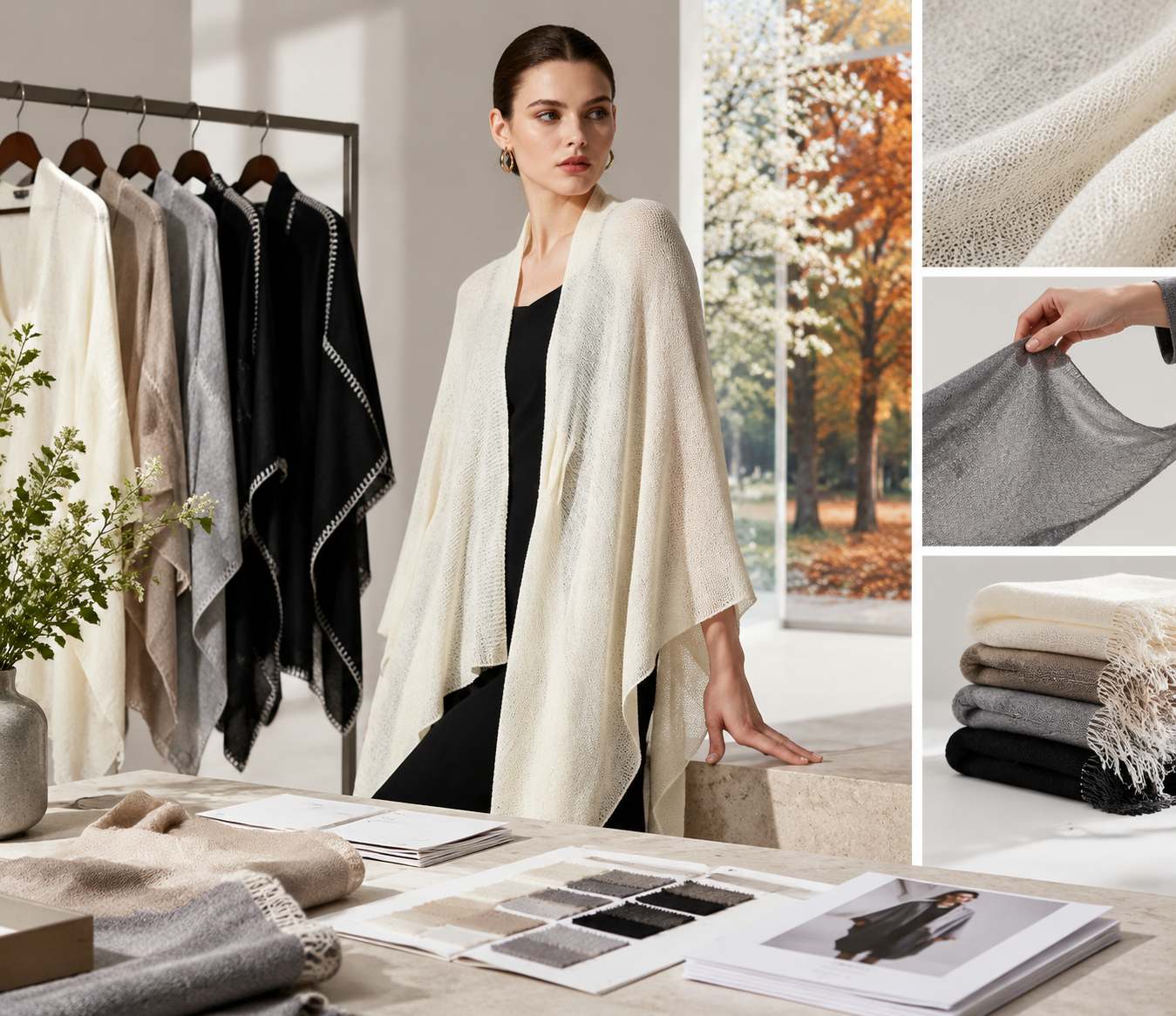
A lightweight shawl can appear to be an easy seasonal product, but many retail buyers discover that the wrong choice creates problems after the collection reaches the store. Some styles look attractive in a catalog but feel too plain when displayed alone. Others have a beautiful texture but are difficult for customers to combine with their existing wardrobe. For transitional seasons, the most successful shawls are usually not the heaviest or the most decorative options. They are the ones that provide enough comfort for changing temperatures, fit the boutique’s customer profile, and remain useful across several wearing occasions. Selecting these products requires careful consideration of material behavior, styling flexibility, color planning, and sample performance before the first order is placed.
What Should Boutique Buyers Understand Before Adding Lightweight Shawls to a Transitional Collection?
The main challenge with transitional-season accessories is that customers are not shopping for extreme weather protection. They are looking for something that fills the gap between seasons.
A spring or autumn shawl may be worn during cool mornings, evening events, travel, indoor gatherings, or as a simple fashion layer. Because of this, the product needs to offer flexibility rather than solving only one temperature problem.
Focus on the role of the shawl in the customer’s wardrobe
A common mistake during buying is selecting products based only on appearance. A shawl may look elegant during a showroom review but have limited commercial value if customers cannot imagine when to wear it.
Before approving a style, consider:
-
Is it suitable for everyday outfits or mainly special occasions?
-
Can customers wear it with different clothing styles?
-
Does it work across more than one season?
-
Is the styling simple enough for the average shopper?
A boutique with a casual customer base may need softer and easier-to-wear designs, while a premium fashion store may focus more on texture, finishing, and visual impact.
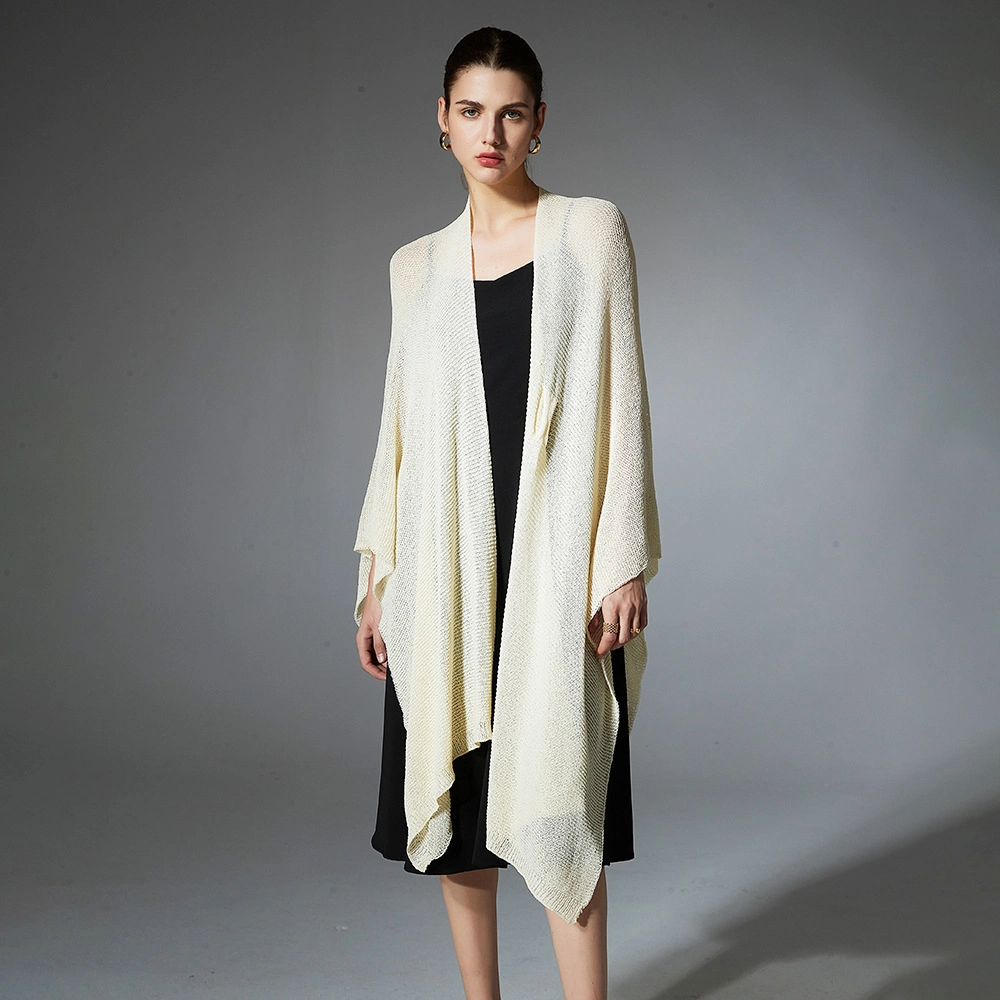
The lightweight shawl collection provides examples of lighter shawl structures that can support different seasonal styling directions.
Consider size together with material weight
Many buyers initially compare fabrics by thickness, but the finished size of a shawl can influence customer experience just as much.
A large lightweight shawl may provide comfortable coverage while remaining easy to carry. A smaller piece made from a denser material may feel warmer but offer fewer styling options.
The important point is that “lightweight” does not only describe the material. It also describes how the complete product behaves when worn.
How Can Buyers Evaluate Materials for Lightweight Shawl Collections?
Material selection affects the entire retail position of a shawl. It influences the first impression when customers touch the product, the price level the retailer can support, and how the item performs after repeated use.
Look beyond softness when reviewing materials
Softness is often the first thing customers notice, but it is not the only factor that creates a valuable product.
A good transitional shawl also needs:
-
Natural drape;
-
Comfortable weight distribution;
-
A surface that keeps its appearance;
-
Finishing that supports long-term use.
For example, a very soft fabric may still create problems if it loses shape quickly. A slightly firmer material may perform better if it maintains a cleaner silhouette.
The shawl material category allows buyers to compare different material directions before deciding which options deserve sampling.
Match the material with the selling environment
The same shawl can have different commercial value depending on where it is sold.
A boutique focused on premium customers may emphasize hand feel and refined appearance. A lifestyle retailer may place more importance on easy styling and everyday practicality.
Material decisions should therefore follow the target customer rather than simply choosing the most expensive available option.
How Should Boutique Buyers Plan Colors and Designs for Transitional Shawls?
Seasonal collections often become difficult to manage when every attractive color is added. A wide selection may look impressive during product planning but create slow-moving inventory after launch.
The goal is not to reduce creativity. It is to make each design choice support a clear retail purpose.
Build the foundation with colors customers can use frequently
Neutral shades usually provide strong flexibility because they can match more outfits and remain relevant beyond a short seasonal period.
Common commercial choices include:
-
Soft beige and cream for elegant styling;
-
Grey and muted tones for everyday wear;
-
Earth colors for autumn collections;
-
Selected seasonal shades for visual interest.
A boutique can still introduce stronger colors, but those pieces should have a clear reason to exist.
Use patterns carefully
Patterns can help a lightweight shawl stand out, especially in a crowded accessory category. However, pattern scale affects how easily customers can style the product.
A large design may become the focus of the outfit. A smaller pattern may allow more frequent wear.
For wholesale buyers, the better question is not whether a pattern looks impressive. It is whether customers understand how the product fits into their existing wardrobe.
What Should Buyers Check During Lightweight Shawl Sample Approval?
The first sample provides information that cannot be found in product images or specification sheets. This stage is where buyers can identify whether the concept works as a real retail product.
Review the sample from the customer’s perspective
A professional sample review should include actual wearing situations.
Try the shawl with different outfits and observe:
| Review Area | Key Question |
|---|---|
| Drape | Does the shawl fall naturally? |
| Size | Is the coverage comfortable? |
| Styling | Can customers wear it in different ways? |
| Surface | Does the fabric maintain its appearance? |
| Finishing | Are edges and details consistent? |
Small issues become easier to notice when the product is worn instead of simply displayed.
Keep a clear record of final adjustments
During sampling, changes are common. A buyer may request a different size, softer material, modified edge, or another color direction.
Those decisions should be recorded clearly before bulk production.
The final reference should include:
-
Approved material;
-
Finished measurements;
-
Color information;
-
Construction details;
-
Packaging requirements.
Without this information, repeat orders often depend too much on memory.
How Can Boutique Buyers Create a Flexible Lightweight Shawl Assortment?
A strong transitional collection is not necessarily the one with the most designs. It is usually the one where every style has a clear commercial purpose.
Create different roles within the collection
Instead of adding several similar shawls, buyers can organize products according to customer needs.
A balanced collection may include:
-
An everyday lightweight layer;
-
A premium-feel style;
-
A pattern-focused fashion piece;
-
A gift-oriented option.
This approach helps customers understand the collection and allows store teams to recommend products more confidently.
Think about future production decisions
Some seasonal products continue performing after the original launch period. When a style receives positive feedback, the next order becomes easier if the original product information has been preserved.
The ODM/OEM customization service explains how custom scarf and shawl projects move through design confirmation, sampling, and production coordination.
Keeping the approved sample and production details together creates a more reliable reference for future development.
Need Help Turning a Lightweight Shawl Concept Into a Production Plan?
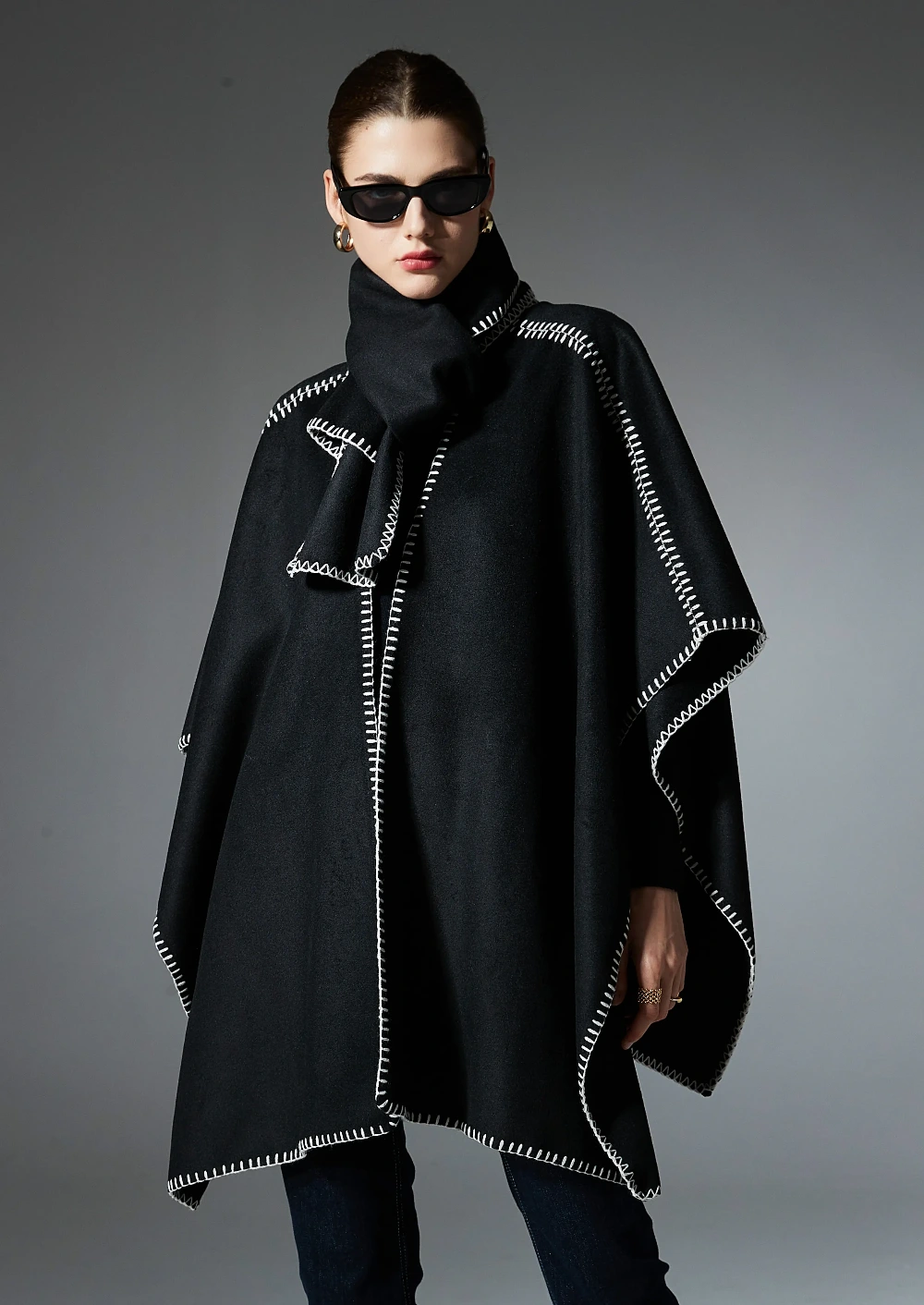
After the boutique has decided on the collection direction, the next step is making sure the product concept can be translated into consistent production details. She Believes works with customized scarf and shawl projects involving material selection, knitting, weaving, embroidery, sampling, inspection, labels, and packaging. For brands exploring flexible seasonal accessories, the Custom Solid Scarf Wrap Two-In-One Designer Shawl shows how a shawl concept can combine multiple styling possibilities within one product structure. Clear confirmation of material, dimensions, finishing, and packaging helps connect the original collection idea with the final production result.
Conclusion
Choosing lightweight shawls for transitional seasons requires a balance between design appeal and everyday usability. Boutique buyers need to consider how customers will actually wear the product, how materials behave after repeated use, and whether each style has a clear place within the collection. A smaller but better-planned assortment often creates stronger retail value than a large selection without a clear purpose. Careful sample review and accurate product records also make future replenishment easier when certain styles continue to perform well.
FAQs
1. Why are lightweight shawls suitable for transitional seasons?
Lightweight shawls provide coverage without the bulk of heavier winter accessories. They can work across changing temperatures and different occasions, making them useful for spring and autumn collections.
2. Should boutique buyers choose only neutral colors for transitional shawls?
No. Neutral colors often provide strong versatility, but selected seasonal shades and patterns can add visual interest. The balance depends on the boutique’s customer profile.
3. How can buyers judge whether a lightweight shawl material is suitable?
Buyers should review the finished sample rather than only the fabric description. Drape, comfort, surface appearance, and durability after handling are all important factors.
4. What details should be confirmed before ordering lightweight shawls?
Confirm material, dimensions, colors, construction, finishing, labels, packaging, and the approved sample version before bulk production begins.
5. Can lightweight shawls be suitable for premium boutiques?
Yes. Premium positioning depends on the complete product experience, including material feel, finishing, design, presentation, and how well the shawl matches customer expectations.


