

How Brands Can Evaluate Embroidery Quality Before Ordering Custom Shawls
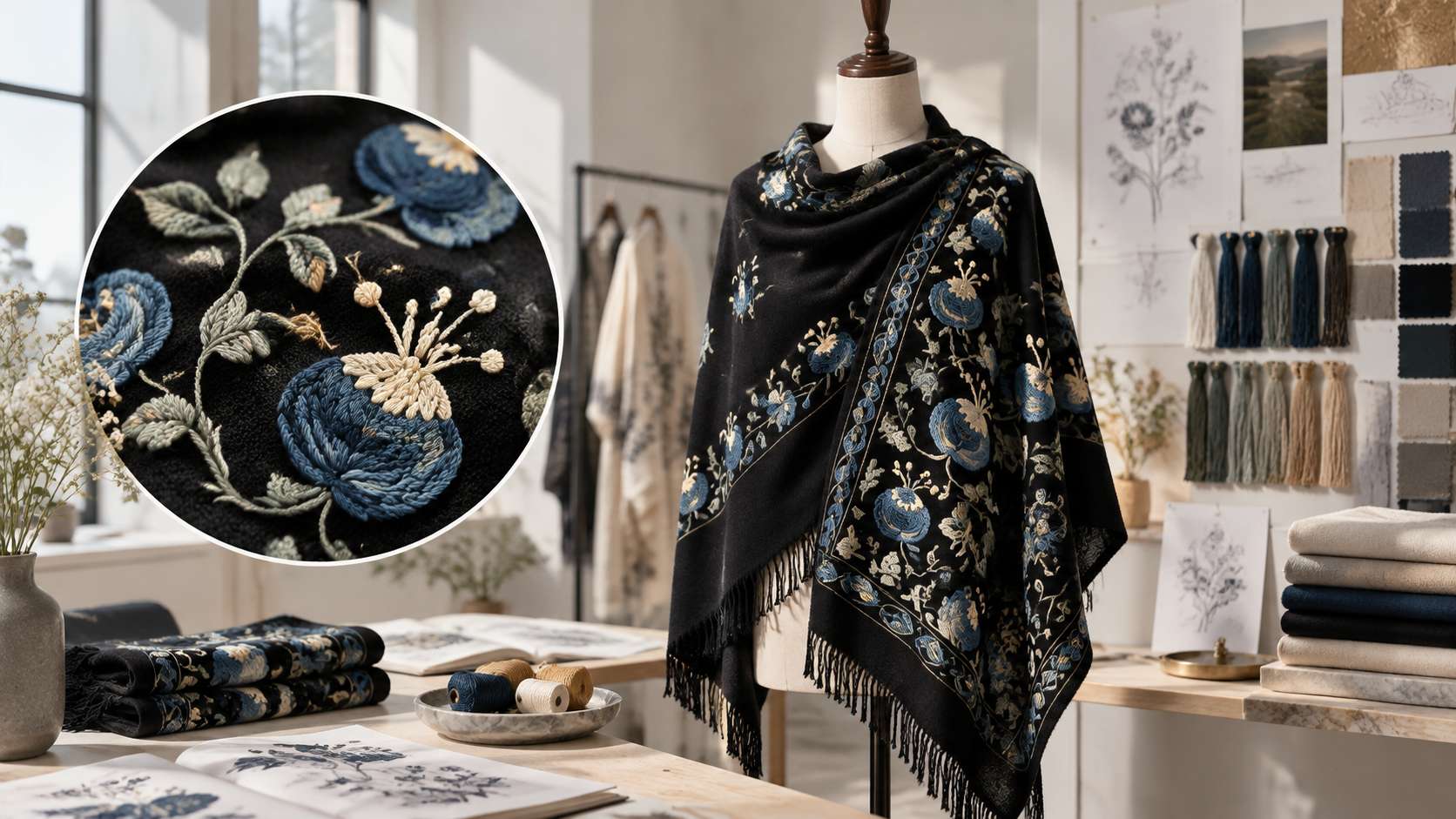
An embroidered shawl can carry a strong visual identity for a fashion brand, but the production risks are also higher than with a simple printed or solid-color design. A pattern that looks impressive in artwork may lose detail during sampling, while embroidery that appears acceptable at first glance may create problems after repeated use or bulk production. For brands developing custom shawls, quality evaluation should happen before the order is finalized. Understanding embroidery density, thread performance, pattern execution, sample review methods, and production consistency helps buyers avoid expensive adjustments after manufacturing begins.
What Should Brands Understand Before Evaluating Embroidery Quality on Custom Shawls?
Embroidery quality is not only about whether a design looks attractive. It also involves how the artwork is translated onto fabric and whether the finished shawl maintains the intended appearance during normal use.
A successful embroidered shawl needs the design, fabric, and production method to work together.
Start with the relationship between artwork and fabric
Not every embroidery design is suitable for every shawl material. A detailed pattern with many small elements may require a stable fabric surface, while a softer flowing material may need a simpler embroidery approach.
Before approving a design, brands should consider:
-
How detailed the artwork is;
-
Whether the fabric can support the embroidery;
-
How the design affects the drape;
-
Whether the embroidery area matches the product style.
A lightweight shawl with heavy embroidery in one concentrated area may behave differently from a balanced design spread across the surface.
The embroidery shawl collection provides examples of how decorative embroidery can be applied across different shawl styles and patterns.
Define what “quality” means for the collection
Different brands may have different expectations.
A luxury collection may focus on fine details, smooth finishing, and visual consistency. A fashion retailer may prioritize attractive design impact and commercial pricing.
The quality standard should be connected to the product position before sampling begins.
How Can Buyers Judge Embroidery Detail and Stitch Quality During Sampling?
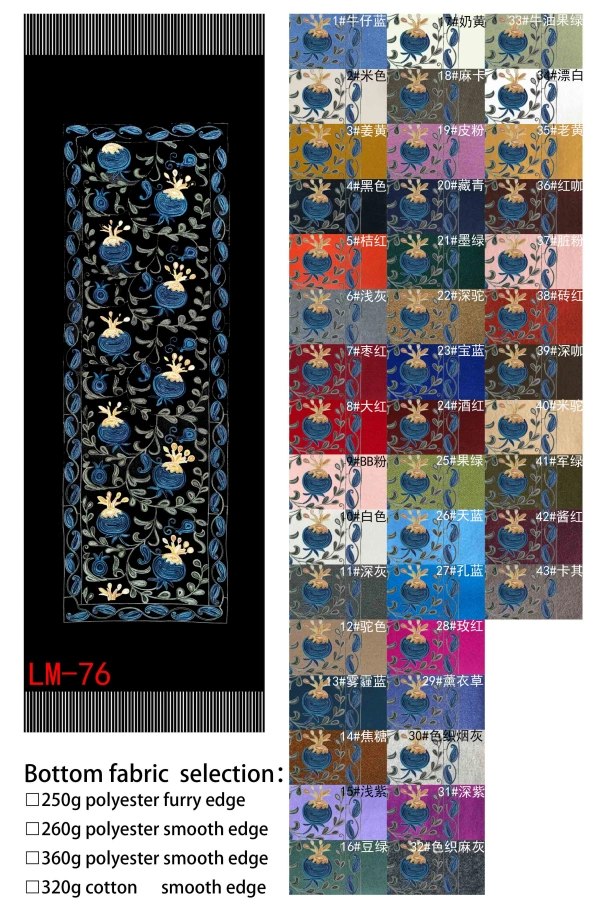
The first sample is the most important opportunity to review embroidery performance. Digital artwork cannot fully show how threads interact with fabric.
Check the embroidery from close range and normal viewing distance
Close inspection helps identify technical issues:
-
Uneven stitches;
-
Loose threads;
-
Irregular edges;
-
Missing details;
-
Uneven density.
However, buyers should also step back and view the shawl as customers will see it.
Some embroidery problems only become obvious when looking at the complete design. The pattern may appear unbalanced, too concentrated, or visually different from the original concept.
Review the back side as well as the front
The front appearance receives most attention, but the reverse side can reveal important information about production quality.
Check:
| Area | Evaluation Point |
|---|---|
| Stitch surface | Consistent embroidery appearance |
| Thread tension | No excessive pulling or loose areas |
| Pattern edges | Clear and controlled details |
| Reverse side | Clean finishing and acceptable structure |
| Fabric reaction | No unwanted distortion around embroidery |
A well-executed embroidery design should enhance the shawl without damaging the natural movement of the fabric.
What Embroidery Problems Should Brands Identify Before Bulk Production?
Many embroidery issues become expensive after production starts. Early detection during sampling allows brands and suppliers to adjust the design before larger quantities are produced.
Watch for fabric distortion
Embroidery adds structure to the fabric. If the design is too dense or the tension is not controlled properly, the surrounding area may pull or wrinkle.
This is particularly important for shawls because customers expect the fabric to maintain a soft drape.
A design may look excellent on a small sample area but create different results when expanded across a larger surface.
Consider the balance between detail and production stability
More embroidery detail does not always create a better product.
A complicated pattern may require more development time and stricter quality control. A cleaner design with better placement can sometimes create a stronger commercial result.
Brands should evaluate whether every decorative element contributes to the final product or simply increases production difficulty.
How Should Brands Review Embroidery Consistency Before Placing Large Orders?
A sample proves that one product can be made. It does not automatically prove that every unit in a bulk order will look identical.
For custom embroidered shawls, consistency planning is an important part of supplier communication.
Confirm the production reference clearly
Before bulk production, the approved sample should become the reference for:
-
Embroidery placement;
-
Thread color;
-
Pattern scale;
-
Fabric handling;
-
Finishing details;
-
Packaging requirements.
If the embroidery artwork changes after sampling, the updated version should replace earlier files.
Keeping multiple versions of artwork or unclear comments can create avoidable production differences.
Ask how quality checks are performed
Brands do not need to control every production step themselves, but they should understand how the supplier checks consistency.
Useful questions include:
-
How is embroidery placement checked?
-
How are thread colors matched?
-
How are damaged pieces identified?
-
Is the finished shawl inspected before packing?
The ODM/OEM customization process explains how custom scarf and shawl projects involve design confirmation, sampling, and production coordination before bulk manufacturing.
How Can Brands Balance Embroidery Design, Cost, and Commercial Value?
Embroidery adds value, but it also affects development time, production complexity, and final pricing. A successful product needs a balance between appearance and commercial practicality.
Choose details that customers can recognize
Not every embroidery technique creates equal retail value. A design should communicate something meaningful about the collection.
For example, a signature floral motif may strengthen brand identity, while excessive decorative details may make the product harder to position.
The luxury design shawl category shows how different design directions can influence the final product presentation.
Consider how the shawl will be displayed and sold
A boutique customer may see the embroidery closely during a fitting. An online customer may first judge the product through images.
The design needs to remain attractive in both situations.
A strong embroidery concept should provide enough visual impact for marketing while still maintaining practical production requirements.
Need Help Evaluating Embroidery Details for a Custom Shawl Project?
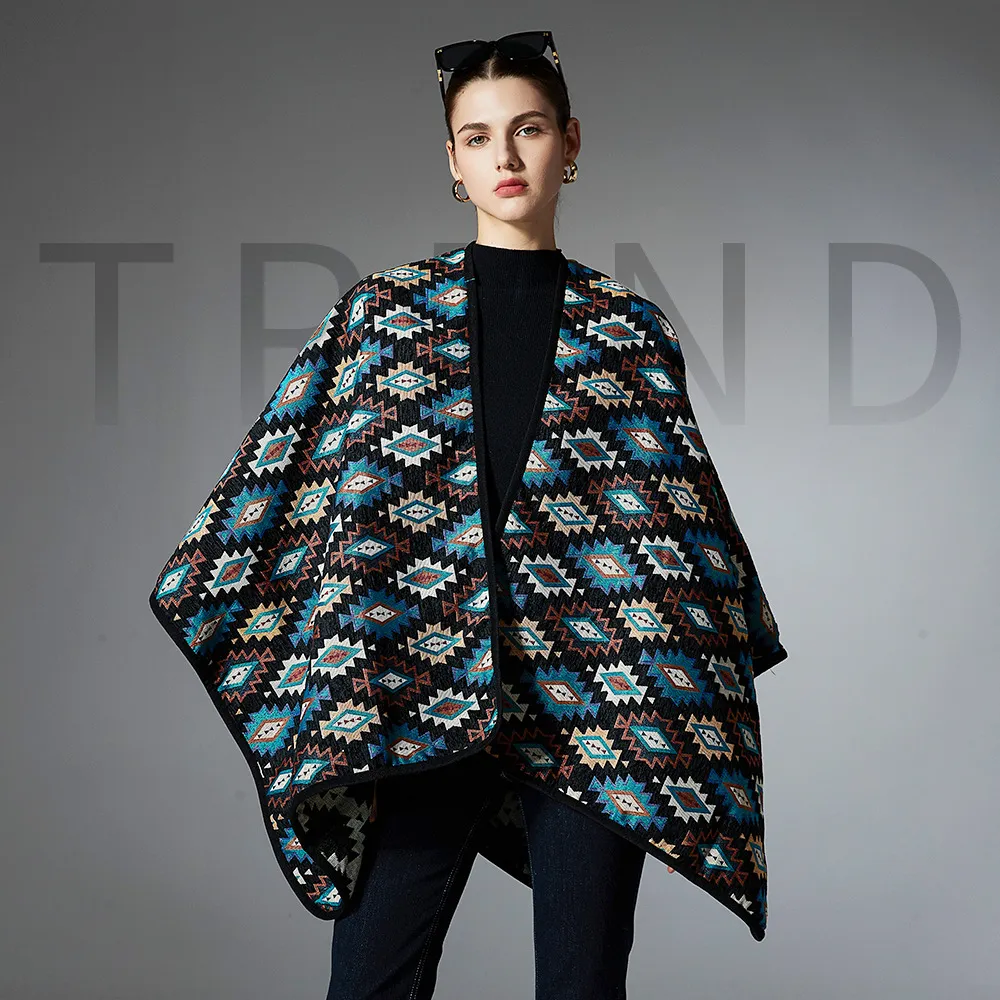
Once the embroidery concept has been confirmed, the next step is ensuring that artwork, fabric, construction, and production requirements remain aligned. She Believes works with customized scarf and shawl projects involving material selection, knitting, weaving, embroidery, sampling, inspection, labels, and packaging. For brands developing decorative shawls, the Custom Designer Black and White Plaid Shawl demonstrates how pattern design and product structure need to work together during development. Clear communication of embroidery placement, material requirements, finishing details, and approval standards helps create a more consistent result from sample stage to bulk production.
Conclusion
Evaluating embroidery quality before ordering custom shawls requires more than checking whether the pattern looks attractive. Brands need to understand how artwork interacts with fabric, how stitching affects drape, and how sample approval connects with bulk consistency. Reviewing both visual details and production requirements early reduces the chance of unexpected problems later. A clear embroidery standard, approved sample, and complete production reference give brands a stronger foundation for developing custom shawls that match their intended market position.
FAQs
1. What is the most important factor when checking embroidery quality on a shawl?
The most important factor is whether the embroidery maintains both visual quality and fabric performance. The design should look consistent without damaging the shawl’s natural drape or comfort.
2. Can detailed embroidery always create a more premium shawl?
Not always. Complex embroidery may increase visual impact, but it can also create production challenges. The best design is one that supports the brand position while remaining stable during manufacturing.
3. Why should buyers inspect the back side of embroidery?
The reverse side can reveal loose threads, tension problems, and finishing issues that may not appear from the front. It provides another view of overall production quality.
4. What should brands confirm before bulk embroidery production?
Brands should confirm the approved artwork, placement, thread colors, fabric, dimensions, finishing details, packaging, and the exact sample version used as the production reference.
5. How can brands reduce embroidery quality risks?
They can reduce risks by reviewing physical samples carefully, communicating clear standards, confirming production references, and ensuring quality checks are defined before bulk manufacturing.


