How Fashion Distributors Can Choose Designer Shawl Features for Different Wholesale Accounts
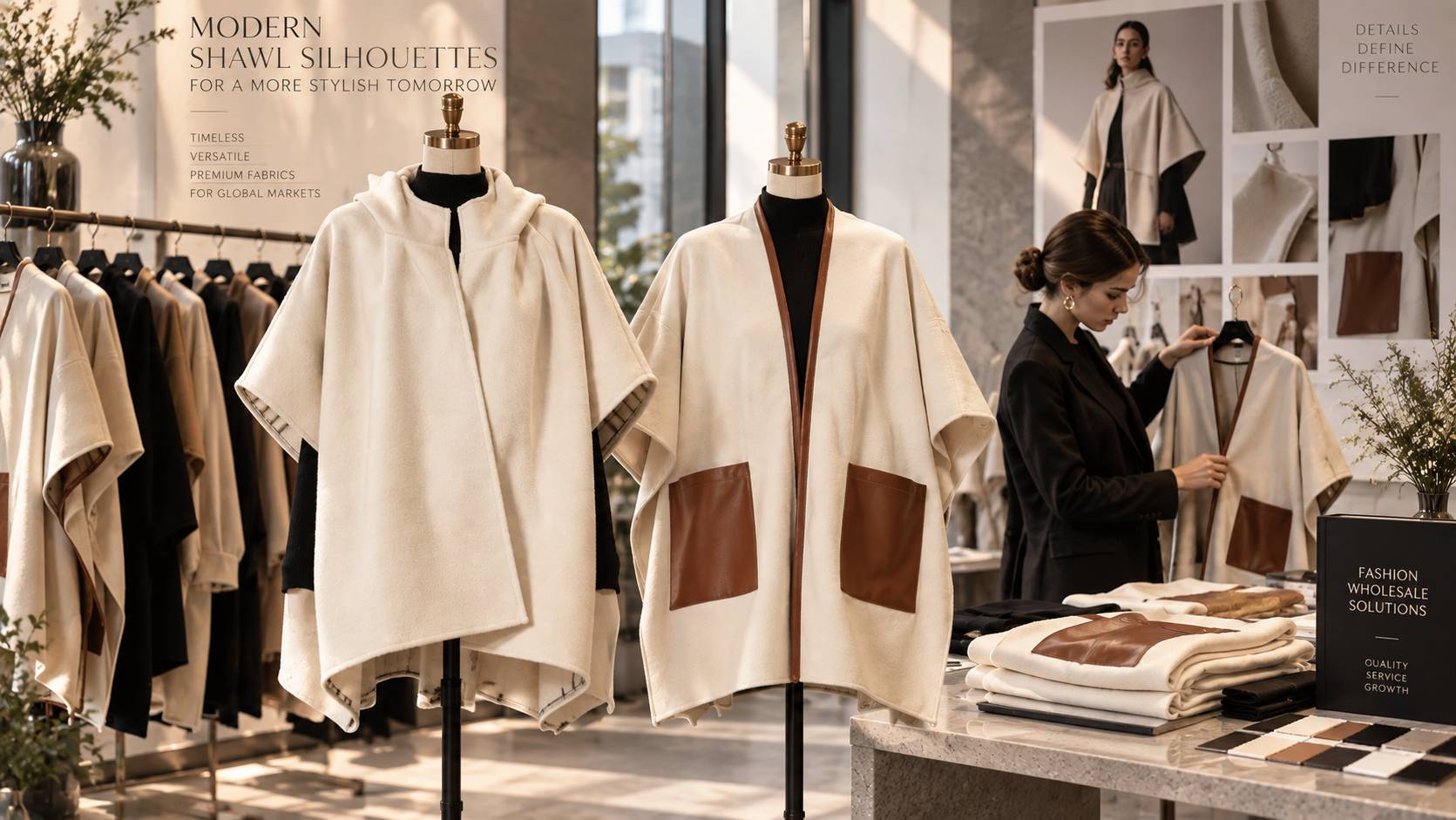
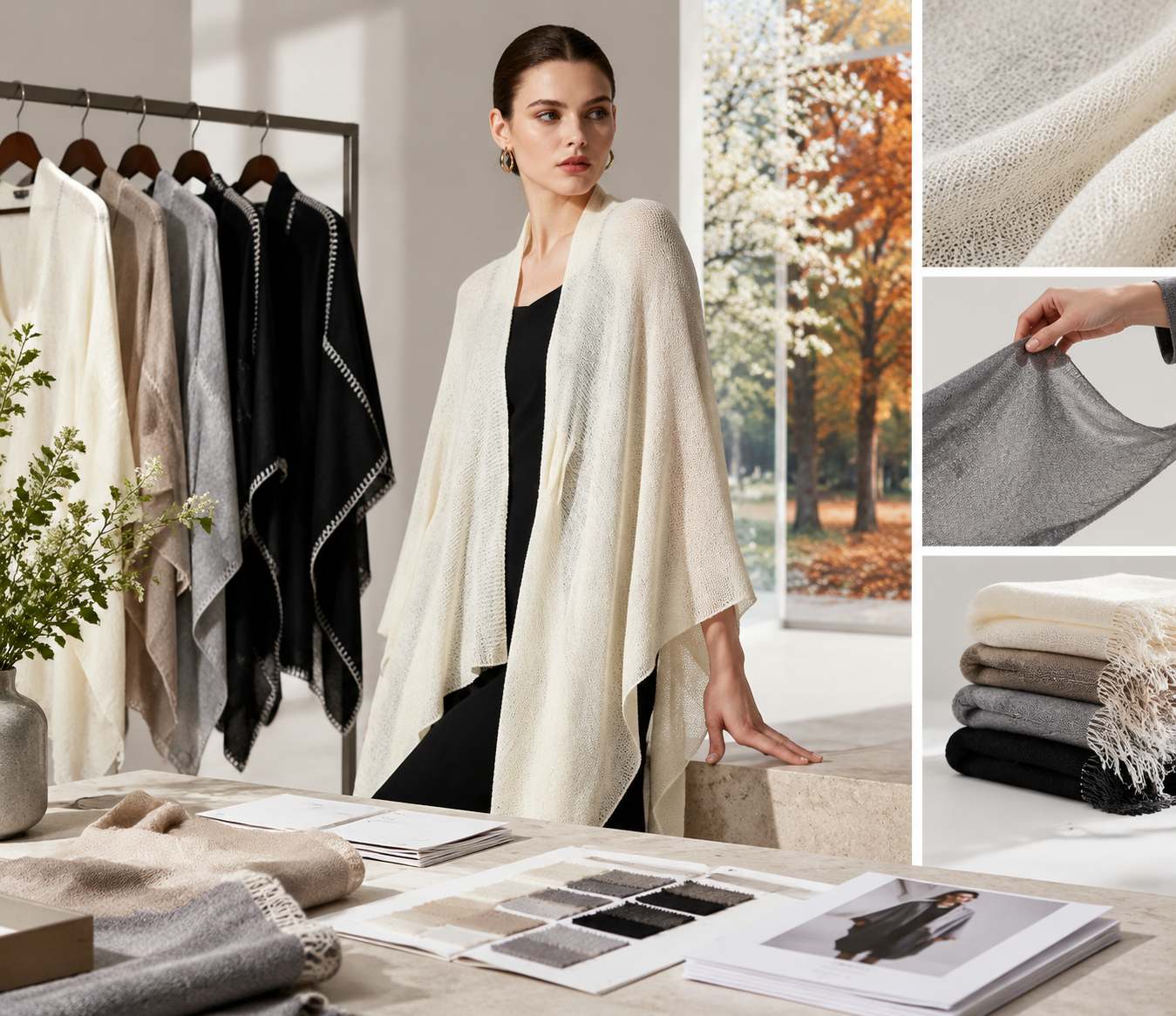
A designer shawl can lose its advantage when too many functions are added without a clear retail purpose. Pockets, hoods, buttons, reversible construction, fringe, and two-in-one styling can all make a product more distinctive, but they also change how the shawl is worn, displayed, explained, and reordered. For fashion distributors, the better question is not which feature looks more premium. It is which feature gives a particular wholesale customer a clear reason to stock the style. A boutique, department-store buyer, gift retailer, and casual fashion account may all want designer shawls, but they may not need the same construction or the same level of product complexity.
Which Designer Shawl Features Actually Help Different Wholesale Accounts?
A distributor usually sells into more than one type of account. That makes feature selection a commercial decision rather than a purely design-led one.
A shawl with several visible details may attract attention in a showroom, yet some buyers may prefer a cleaner style because it is easier to merchandise. Before expanding the range, identify which customer problem each feature is meant to solve.
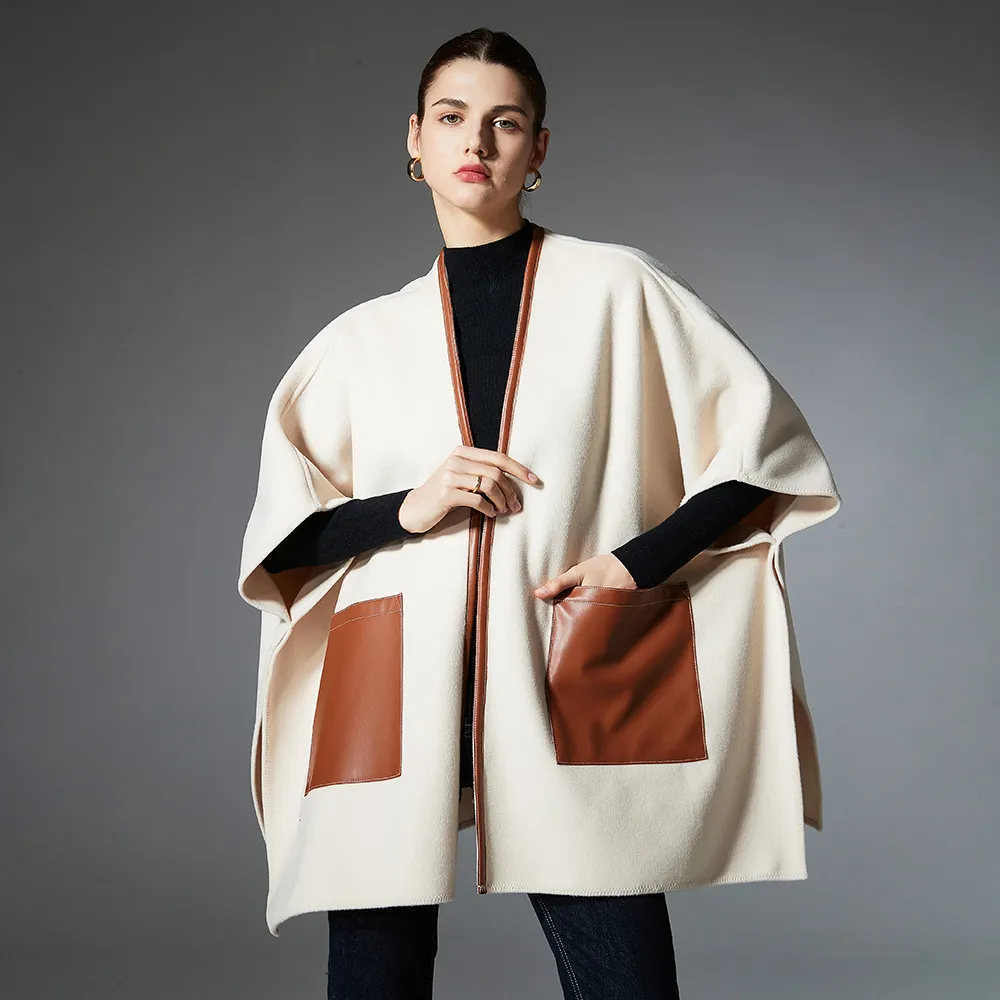
Pockets can make the product feel more practical
Pockets change the shawl from a simple wrap into something closer to a functional layering piece. That can suit stores whose customers value casual use, travel, commuting, or everyday winter dressing.
The practical test is whether the pockets sit naturally when the shawl is worn. If they are too low, too small, or difficult to reach, the feature may look attractive in photographs without adding much actual use.
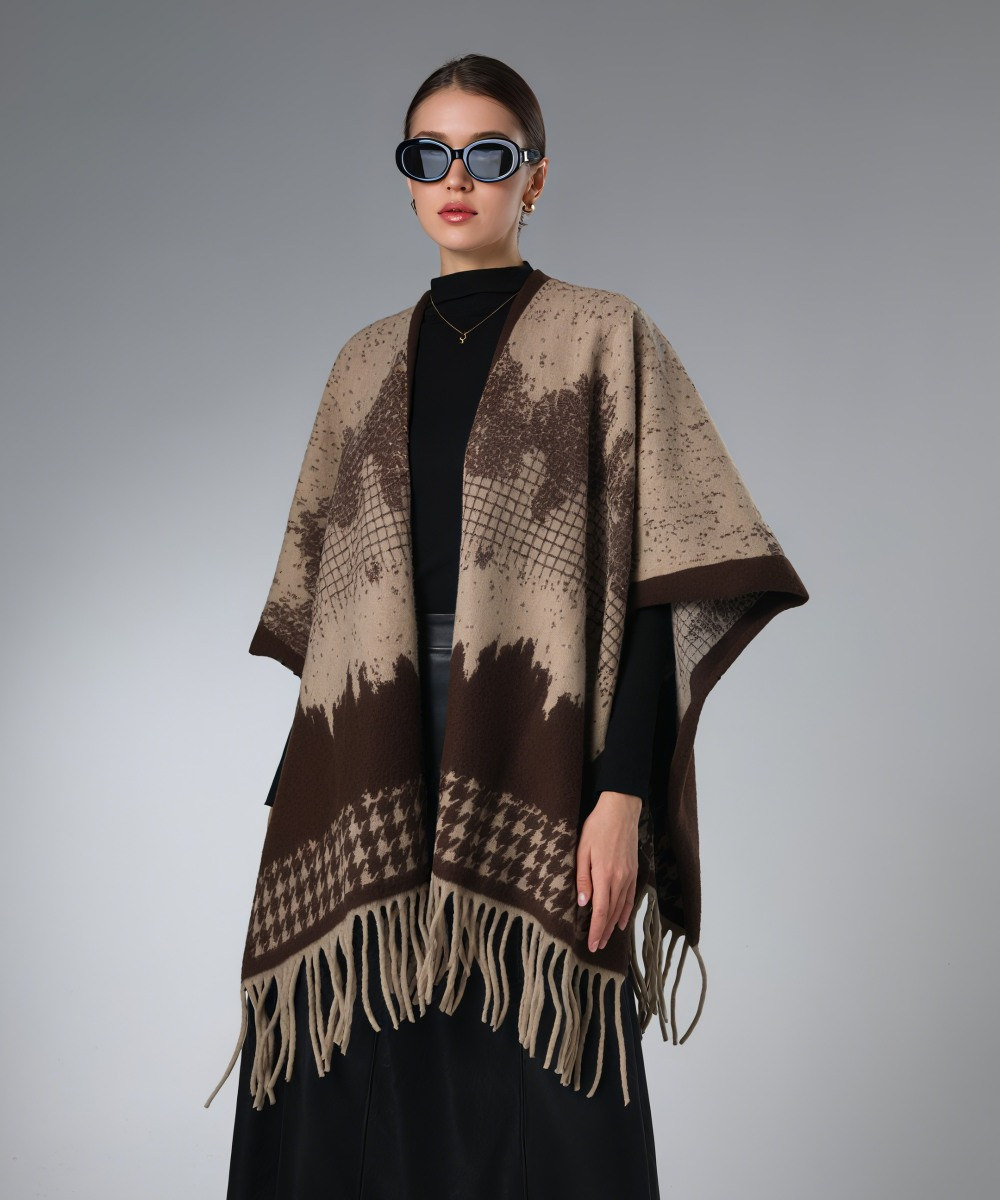
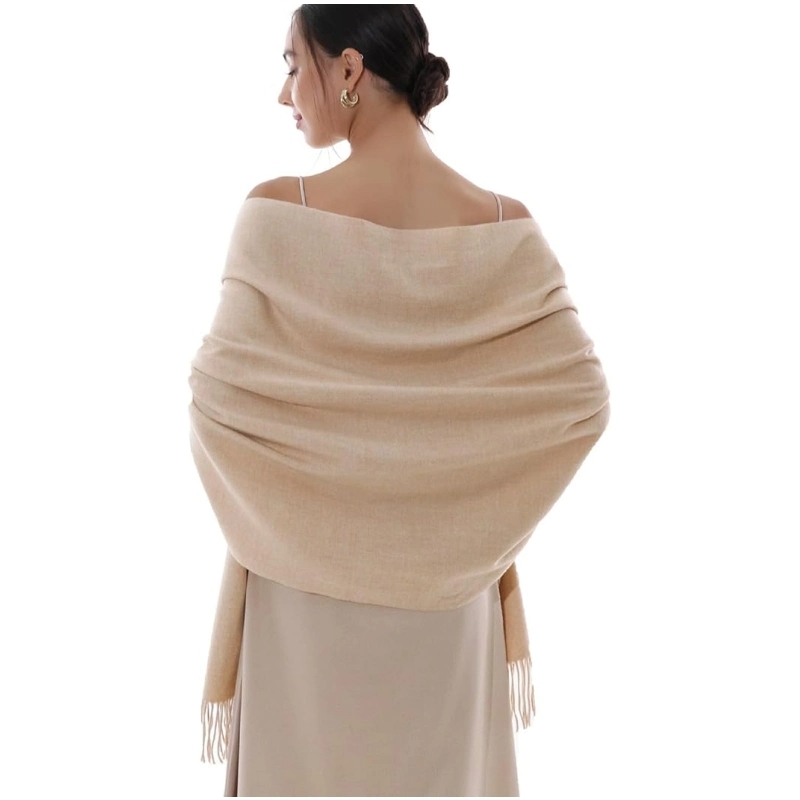
For distributors exploring different silhouettes and details, the luxury and designer shawl category gives a useful overview before the range is narrowed.
Hoods create a stronger visual identity
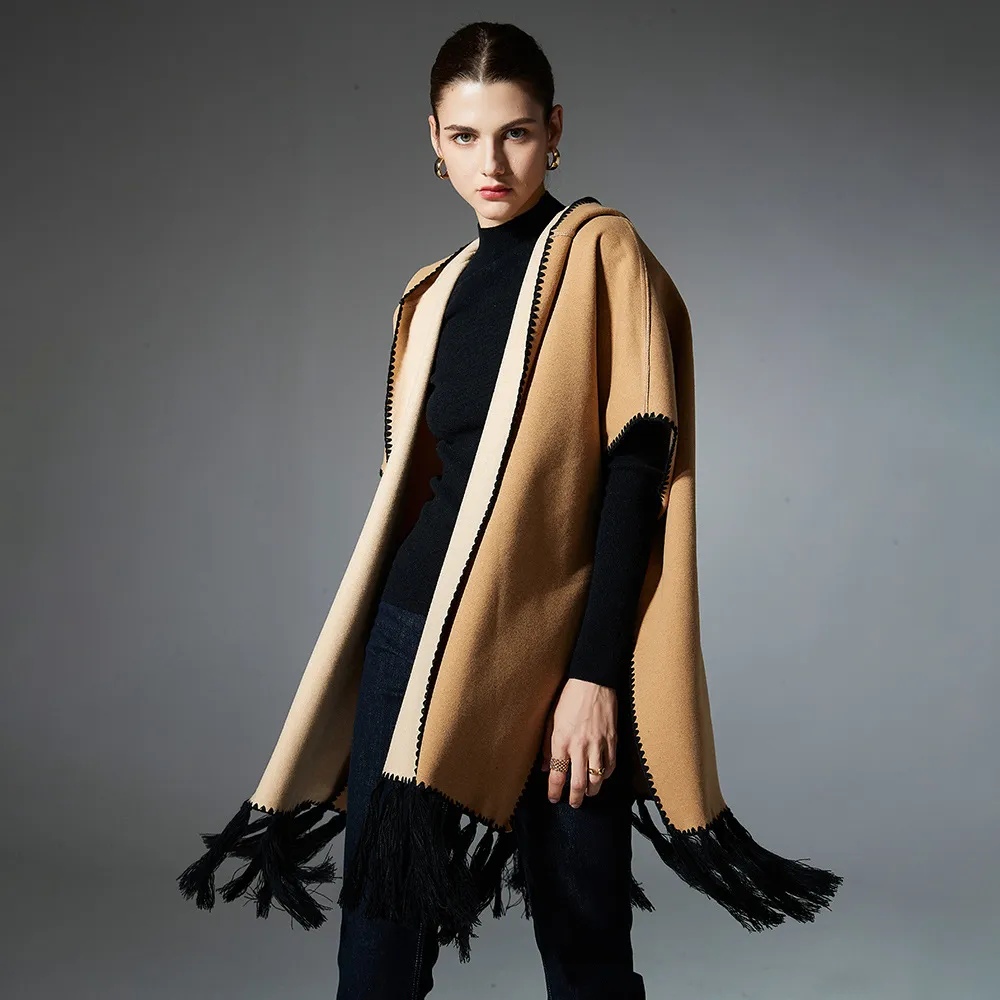
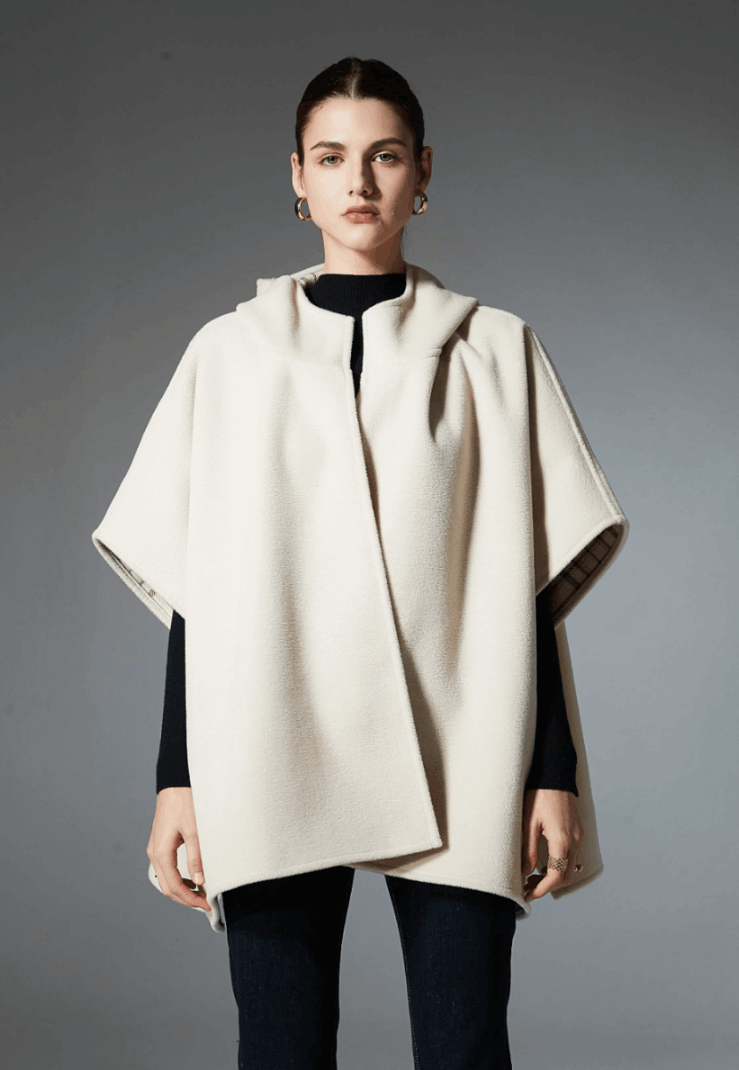
A hood changes both the appearance and positioning of the shawl. It can push the product toward casual outerwear or travel styling rather than formal occasion wear.
That may work well for lifestyle boutiques, but it can be less useful for stores looking for a refined evening accessory. The distributor should therefore decide whether the hood is central to the account’s customer profile or simply an extra construction detail.
A distinctive feature is only valuable when the retailer can explain why the end customer would use it.
How Should Distributors Compare Functional Features Without Making the Range Too Complicated?
One risk in designer shawl sourcing is building a collection where every style has a different function. One has pockets, another has a hood, another has buttons, another is reversible, and another converts into a scarf. The line may look varied, but buyers can struggle to understand how the products differ commercially.
A clearer range gives each feature a role.
Start with one main reason to buy each style
Instead of asking how many details can be added, ask what the customer is supposed to notice first.
For example:
| Main Feature | Possible Retail Role |
|---|---|
| Pockets | Casual, travel, everyday layering |
| Hood | Outdoor or lifestyle styling |
| Buttons | Easier closure and controlled drape |
| Reversible construction | Two visual options in one product |
| Two-in-one design | Flexible scarf and shawl styling |
| Decorative fringe | Visual texture and fashion emphasis |
The table should not become a fixed formula. A product can combine features. The point is to keep one clear reason for the wholesale account to understand and sell the item.
Avoid adding features that compete with each other
A hood, large pockets, fringe, buttons, and a bold pattern can all work independently. Put all of them into one shawl and the result may become difficult to position.
When several details are under consideration, sampling two cleaner directions can be more informative than producing one heavily detailed version.
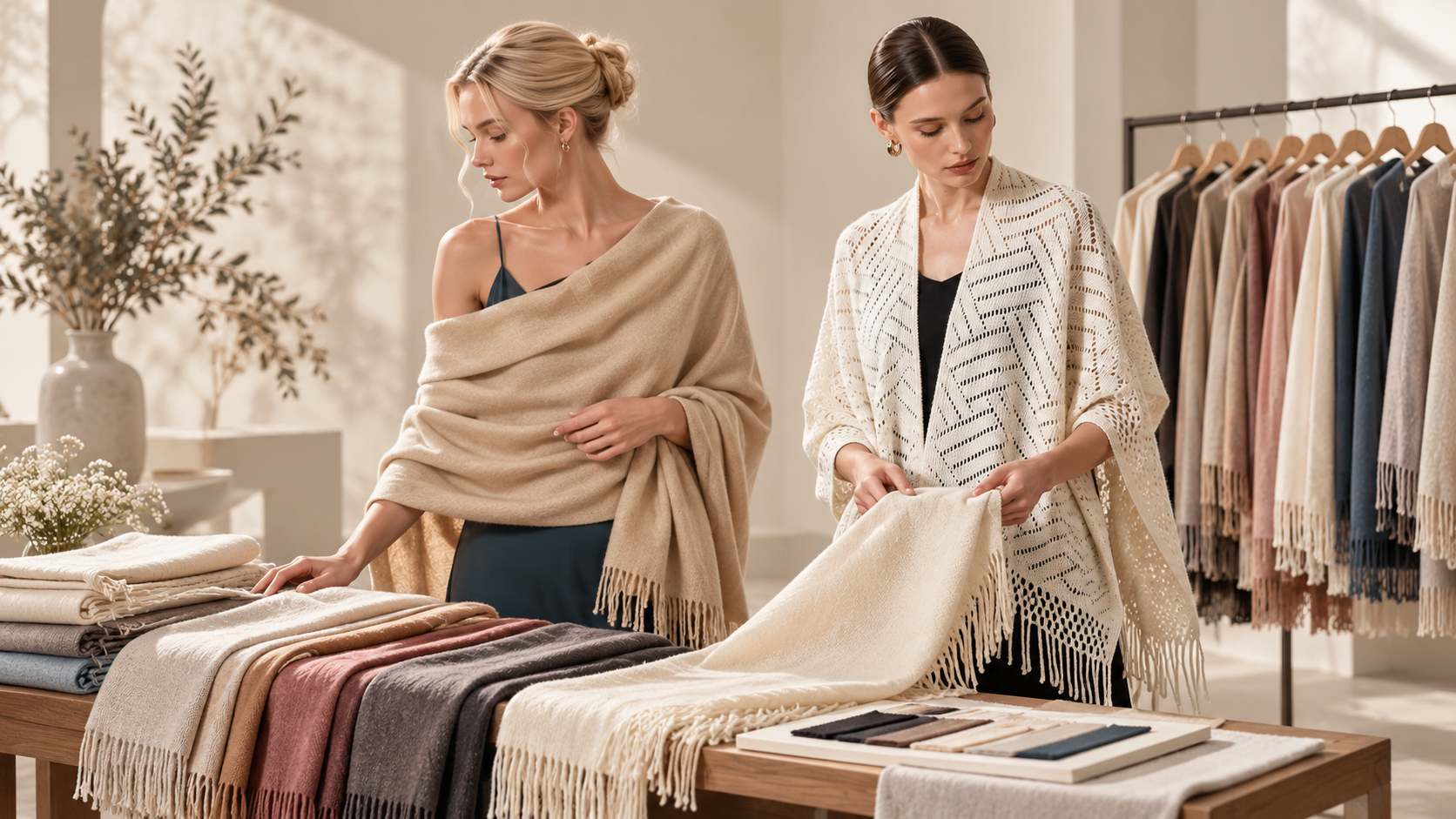
The broader shawl style range can help distributors compare cape, poncho, stole, and other shapes before deciding which functions belong with each silhouette.
When Does a Reversible or Two-in-One Shawl Make Sense for Wholesale Buyers?
Multi-use products can be attractive to distributors because they offer an easy sales story. They can also create problems if the second function feels like an afterthought.
A reversible or two-in-one shawl should work convincingly in both configurations.
Test both sides or both wearing methods separately
Do not approve a reversible shawl only because Side A looks strong. Turn it over and evaluate Side B as if it were being sold on its own.
Check color balance, pattern visibility, edge finishing, labels, seams, and whether any construction detail looks unfinished when reversed.
The same applies to a shawl that can also be worn as a scarf. Try both forms. If the scarf arrangement is too bulky or difficult to achieve, the “two-in-one” claim may not help the wholesale buyer.
Think about the retailer’s sales floor
Some accounts can demonstrate styling during a customer appointment. Others depend on hangers, folded displays, or online product photographs.
A multi-use item may perform better when the second function is obvious without a long explanation. If the store staff needs several steps to demonstrate it, the feature may be more appropriate for high-service boutiques than volume accounts.
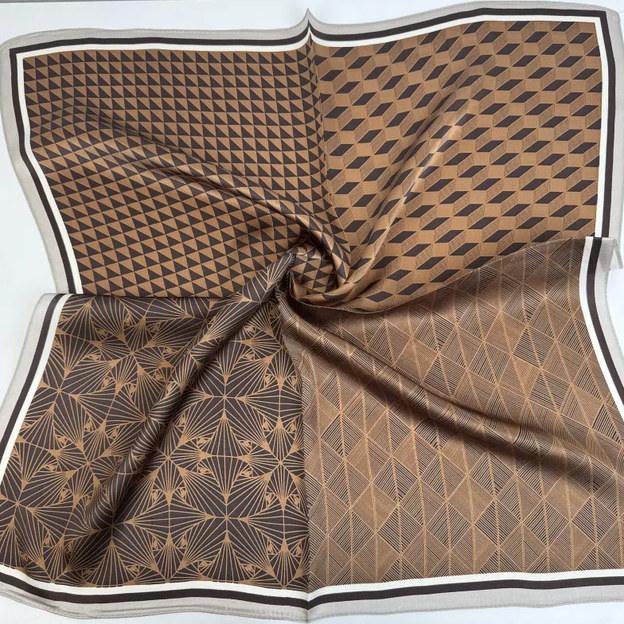
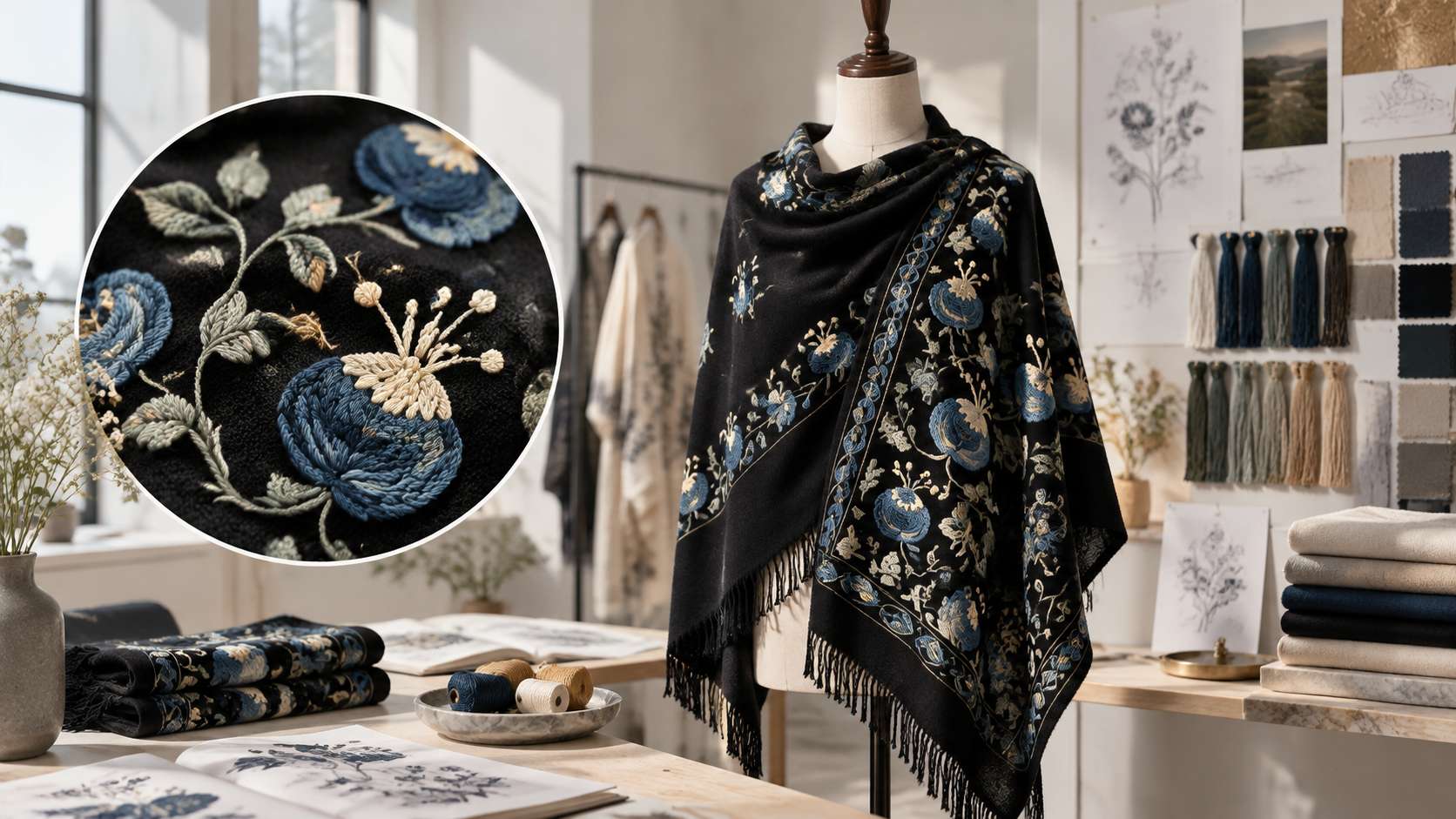
The shawl pattern collection also shows how pattern, reversible effects, and construction details can change the visual role of a designer shawl.
What Should Distributors Check When Feature Samples Arrive?
A feature that works in a design file may behave differently in a finished shawl. Sample review should therefore focus on what happens when the feature is actually used.
This is especially important for pockets, buttons, hoods, sleeves, or convertible constructions because they affect movement as well as appearance.
Use every functional detail during the fitting
Put hands into the pockets. Fasten and unfasten the buttons. Pull up the hood. Reverse the shawl. Convert a two-in-one product into its second form.
Watch what happens to the rest of the garment.
A pocket can pull the front out of balance. A button may create tension across the fabric. A hood can add weight to the back. These effects are difficult to judge from a flat image.
Write down which version becomes the reference
If the first sample has large pockets and the second uses smaller ones, the final production sheet should not contain both measurements.
The same applies to button position, hood depth, fringe length, or reversible construction. Once one version is approved, the written specification should be updated to match it.
For custom development, the ODM/OEM process is relevant because artwork, materials, dimensions, labels, packaging, and sampling decisions need to stay aligned before production begins.
A distributor carrying several feature-based shawls should be especially strict about version control, since similar styles can otherwise become easy to confuse.
How Can Distributors Decide Which Feature-Based Shawls Deserve More Stock?
Not every visually interesting shawl should receive the same order depth. A distributor has to consider how many wholesale accounts can realistically use the product.
A highly specific designer style may be valuable as a showroom statement without needing the same quantity as a simpler functional piece.
Measure versatility by account type
Ask how many customer groups can use the style.
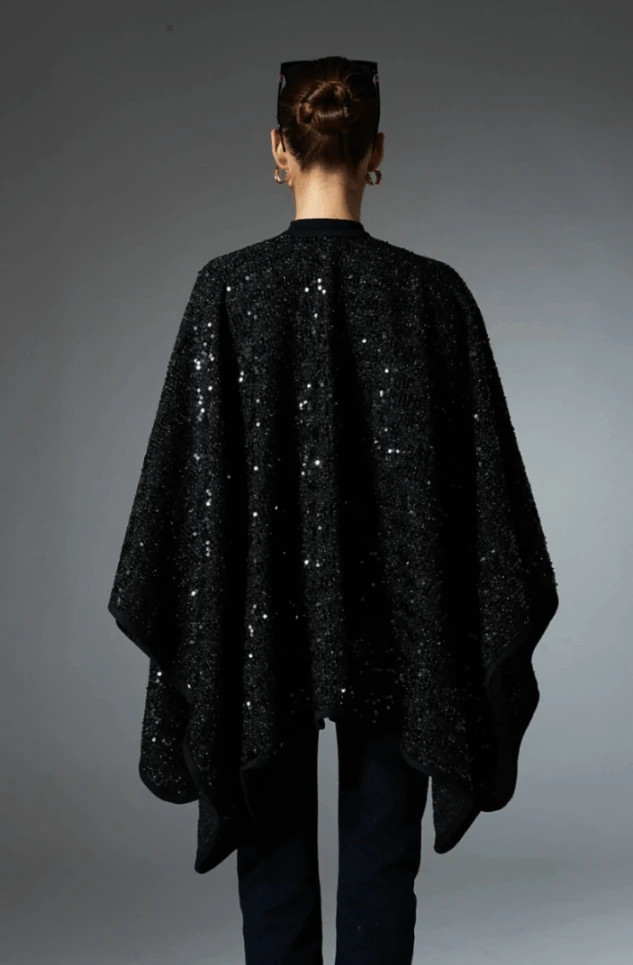
A pocket shawl may work for casual boutiques, travel retailers, and winter lifestyle stores. A sequined evening shawl may have a narrower but clearer occasion-wear audience. Neither is automatically stronger; they simply serve different account groups.
This helps the distributor decide which styles deserve deeper inventory and which should remain limited.
Keep feature families easy to reorder
If several styles share a similar base shape, document the feature differences clearly. “Hooded version,” “pocket version,” and “two-in-one version” are easier to manage when the underlying product information is organized consistently.
That becomes useful when one account wants the same silhouette but asks for a different detail on the next order.
MOQ and customization should be discussed after the feature mix is clear. Adding pockets, buttons, labels, packaging, or other custom elements can change the production requirement, so one general quantity assumption may not apply to every style.
Need Help Matching Designer Shawl Features to Different Wholesale Accounts?
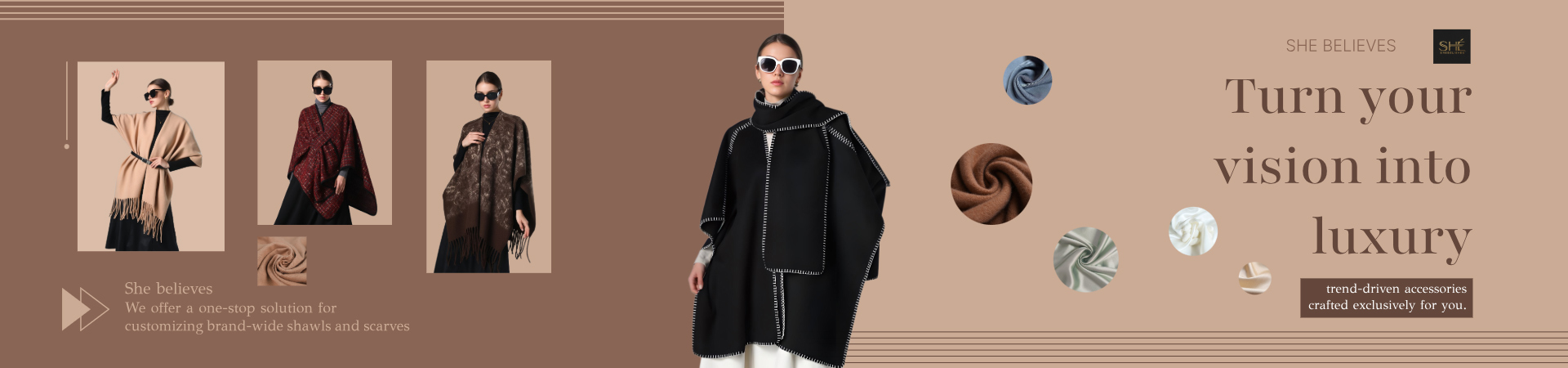
Once a distributor has decided which functions belong in the range, the next step is turning those decisions into samples that can be compared in real use. She Believes works with customized scarf and shawl development involving material selection, knitting, weaving, embroidery, sampling, inspection, labels, and packaging. A relevant example is the Custom Lady Plaid Hooded Shawl Wrap With Sleeves, which combines a hooded shawl format with sleeves, while the current range also includes pocketed, reversible, buttoned, and two-in-one constructions. These references can help distributors separate functional concepts before deciding which versions should move into bulk development.
Conclusion
Designer shawl features are useful when they give a wholesale account a clear product story, not when they simply make the specification longer. Distributors should decide what role pockets, hoods, buttons, reversible construction, or two-in-one styling will play before asking for several versions at once. Physical samples then need to be worn and used exactly as customers would use them. A range built around clear feature roles is easier to explain to buyers, easier to manage in inventory, and easier to repeat when a particular construction performs well.
FAQs
1. Are shawls with pockets better for wholesale than simple wraps?
Not necessarily. Pockets can add practical value for casual, travel, or everyday accounts, but a cleaner wrap may be easier for formal or minimalist retailers to merchandise. The target wholesale customer should decide which construction is more useful.
2. What should be checked on a hooded shawl sample?
Check hood depth, weight at the back, shoulder balance, arm movement, and how the shawl sits when the hood is not being worn. The hood should not distort the rest of the garment.
3. When is a reversible shawl worth adding to a wholesale range?
It makes sense when both sides look finished and give the retailer two genuinely usable styling options. If one side appears secondary or unfinished, the reversible feature may add complexity without enough retail value.
4. Should distributors order every feature-based shawl in the same quantity?
No. Order depth should reflect how many wholesale account types can use the style, how easy it is to merchandise, and how specialized the feature is. Statement products may need less depth than versatile functional styles.
5. What should be recorded after approving a designer shawl feature?
Record the final material, dimensions, pocket or hood measurements, button placement, reversible construction, finishing, labels, packaging, and the exact approved sample version. Earlier measurements should be removed from the active production file.