How Retail Buyers Can Compare Knitted and Woven Winter Scarves for Fall/Winter Assortments
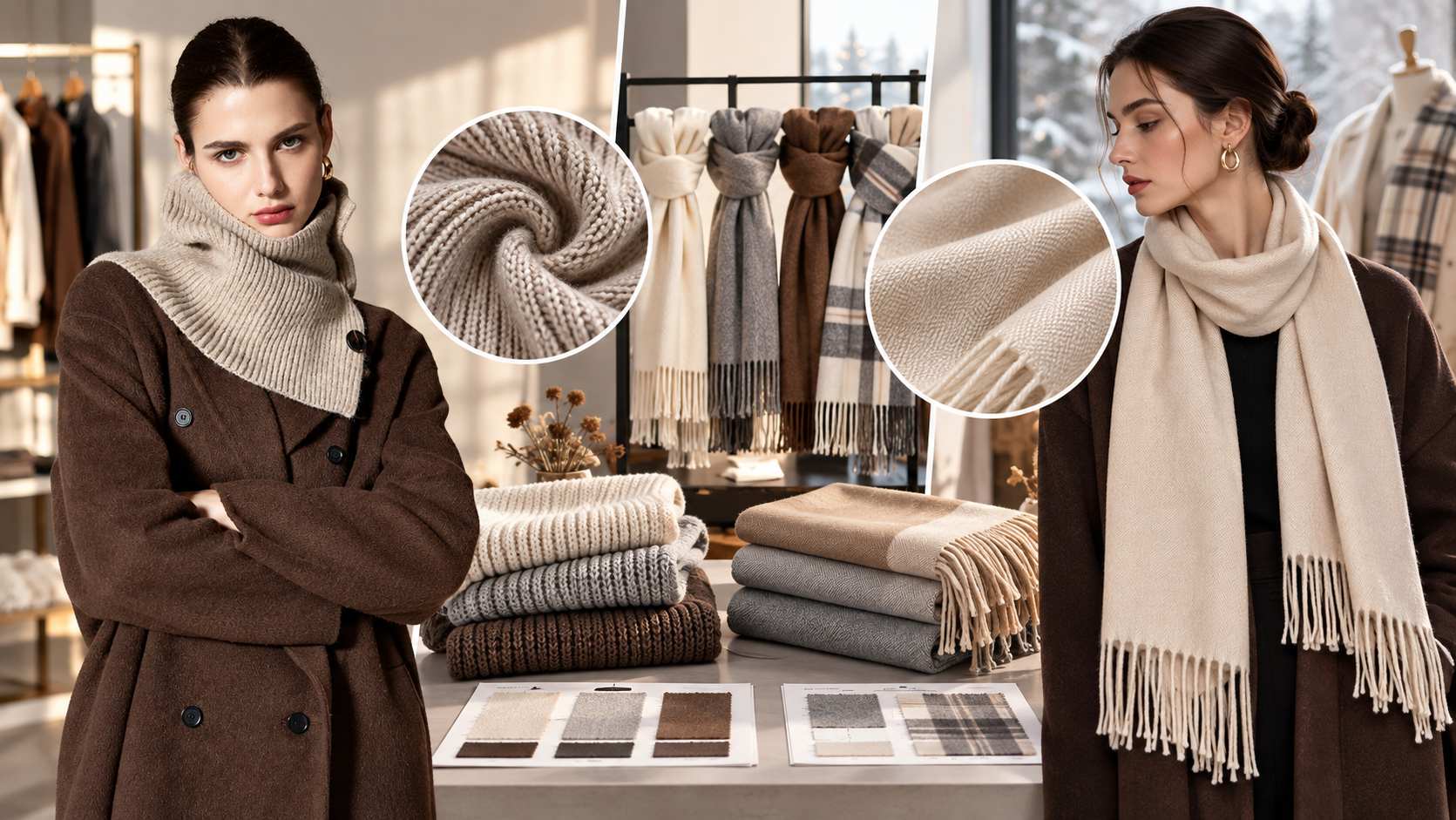
Retail buyers choosing winter scarves are not comparing appearance alone. Two styles can look equally suitable in a showroom yet behave differently once customers handle and wear them. Construction affects bulk, texture, stretch, pattern definition, and how a scarf sits with outerwear. For fall/winter assortment planning, the useful question is which structure matches the intended customer, styling direction, and repeat-order requirement. A clear comparison before sampling can prevent a collection from looking right on paper but feeling wrong in use.
What Is the Practical Difference Between Knitted and Woven Winter Scarves?
The distinction becomes clearer when buyers look at how the scarf is built. Knitted structures use interlooped yarns, while woven structures use yarns crossing in two directions. That difference changes how the accessory moves, stretches, folds, and holds its surface.
Knitted Construction Is Usually Judged Through Give and Texture
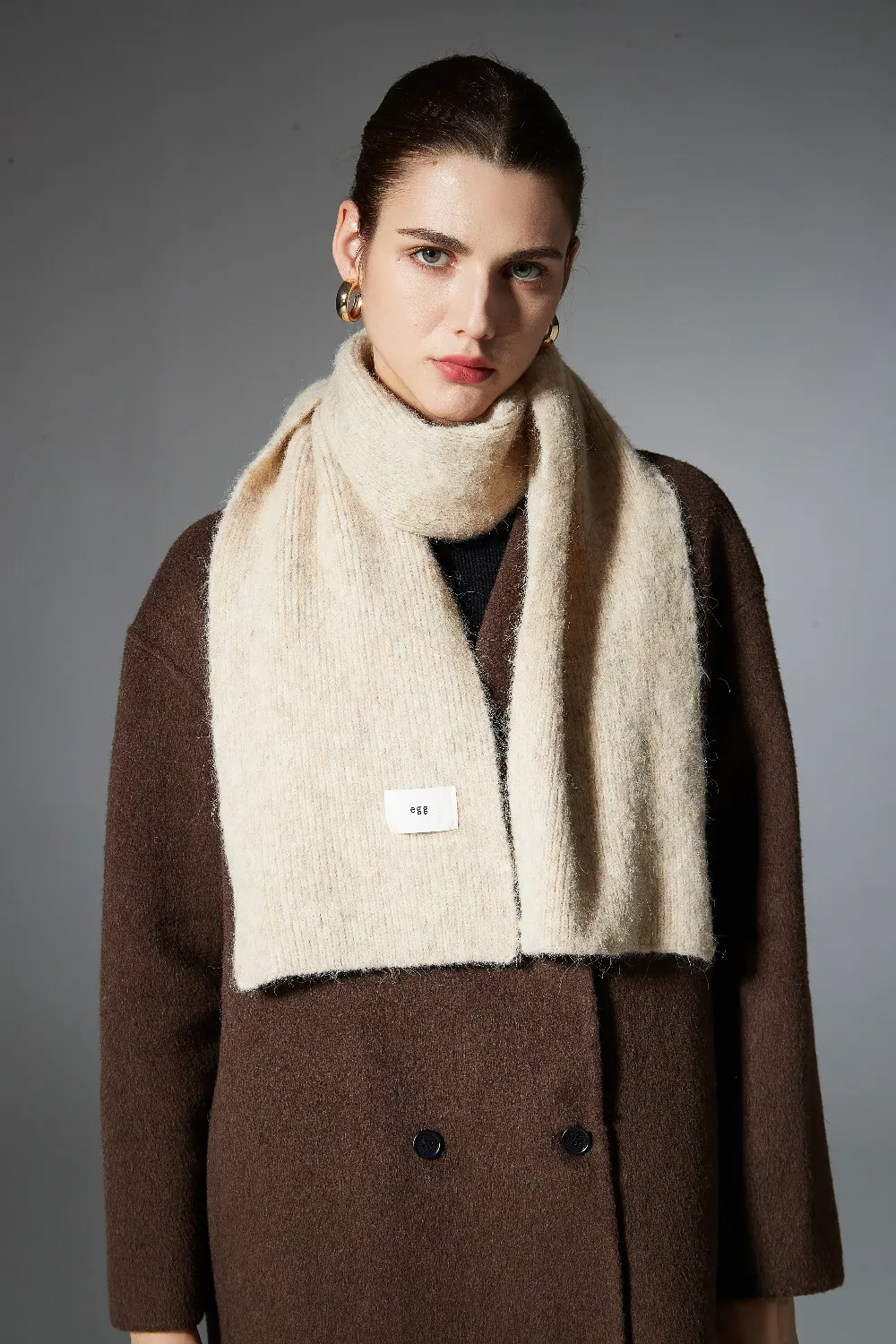
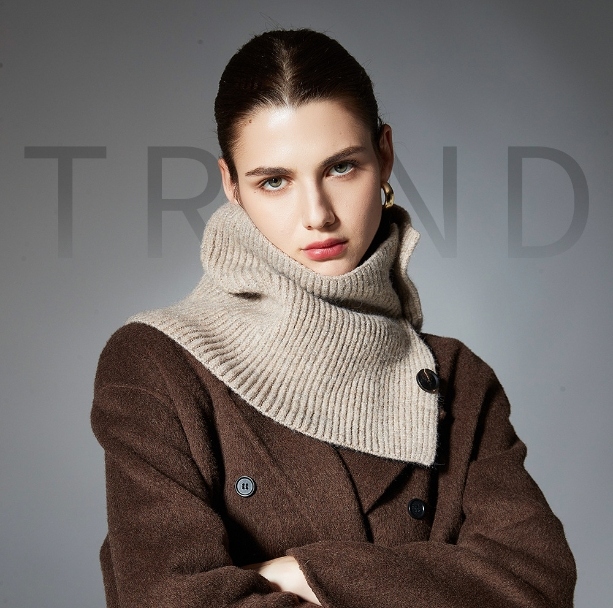
A knitted scarf often has more give than a woven one, although the exact feel depends on yarn and structure. Dense knits and softer structures can create very different winter effects. The practical check is whether the scarf wraps comfortably and recovers after handling.
Woven Construction Gives a Different Kind of Stability
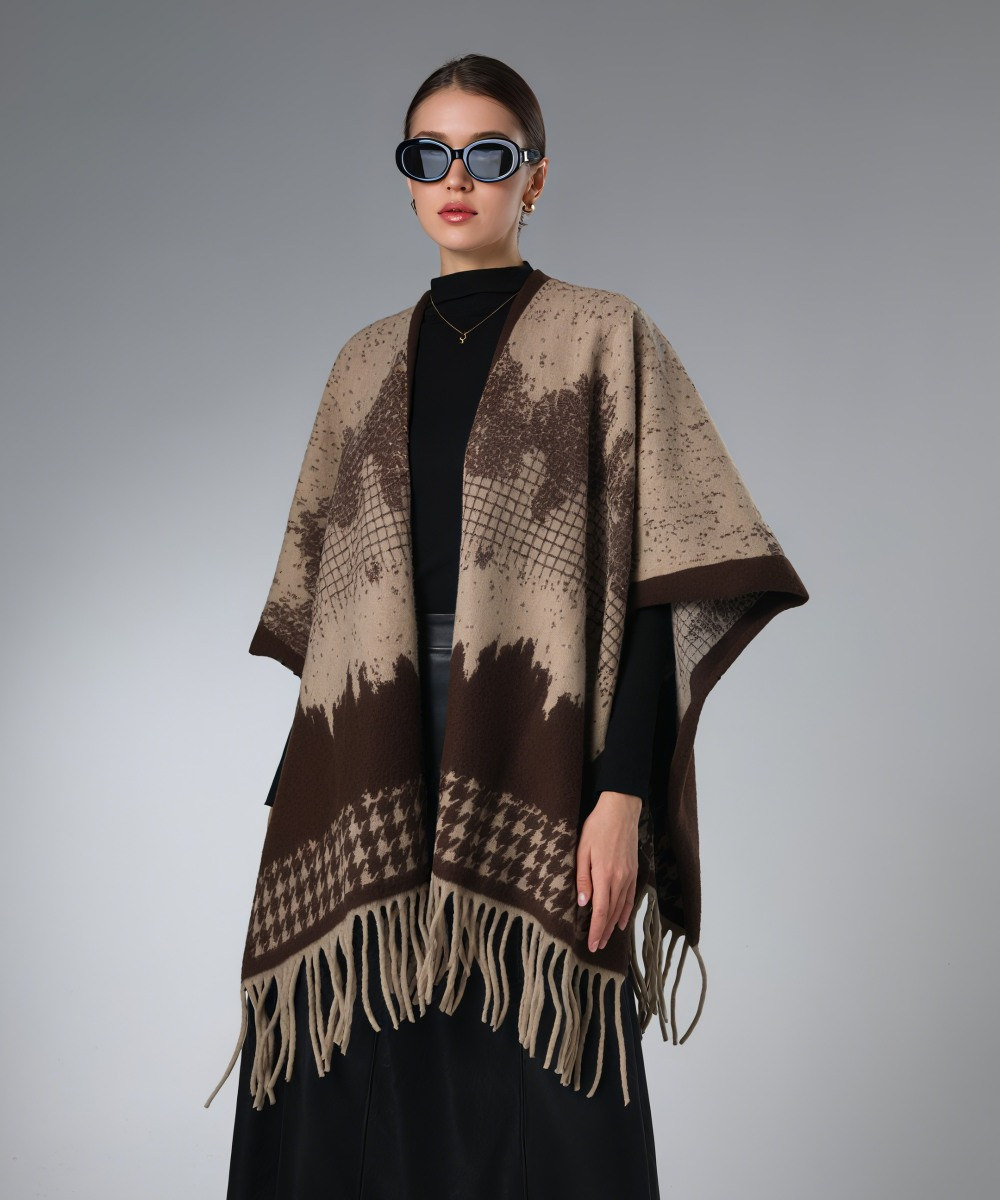
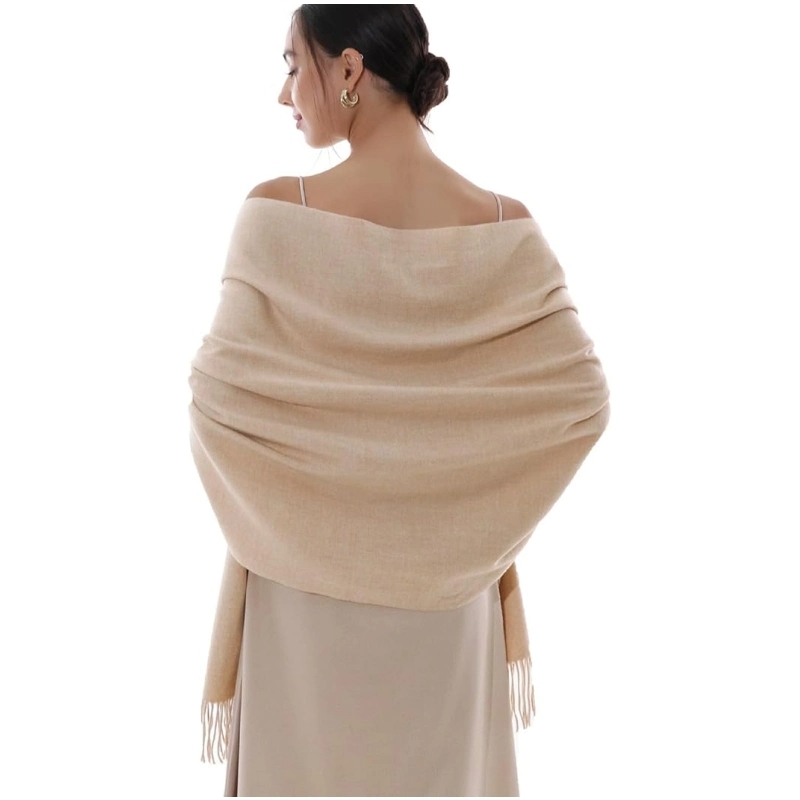
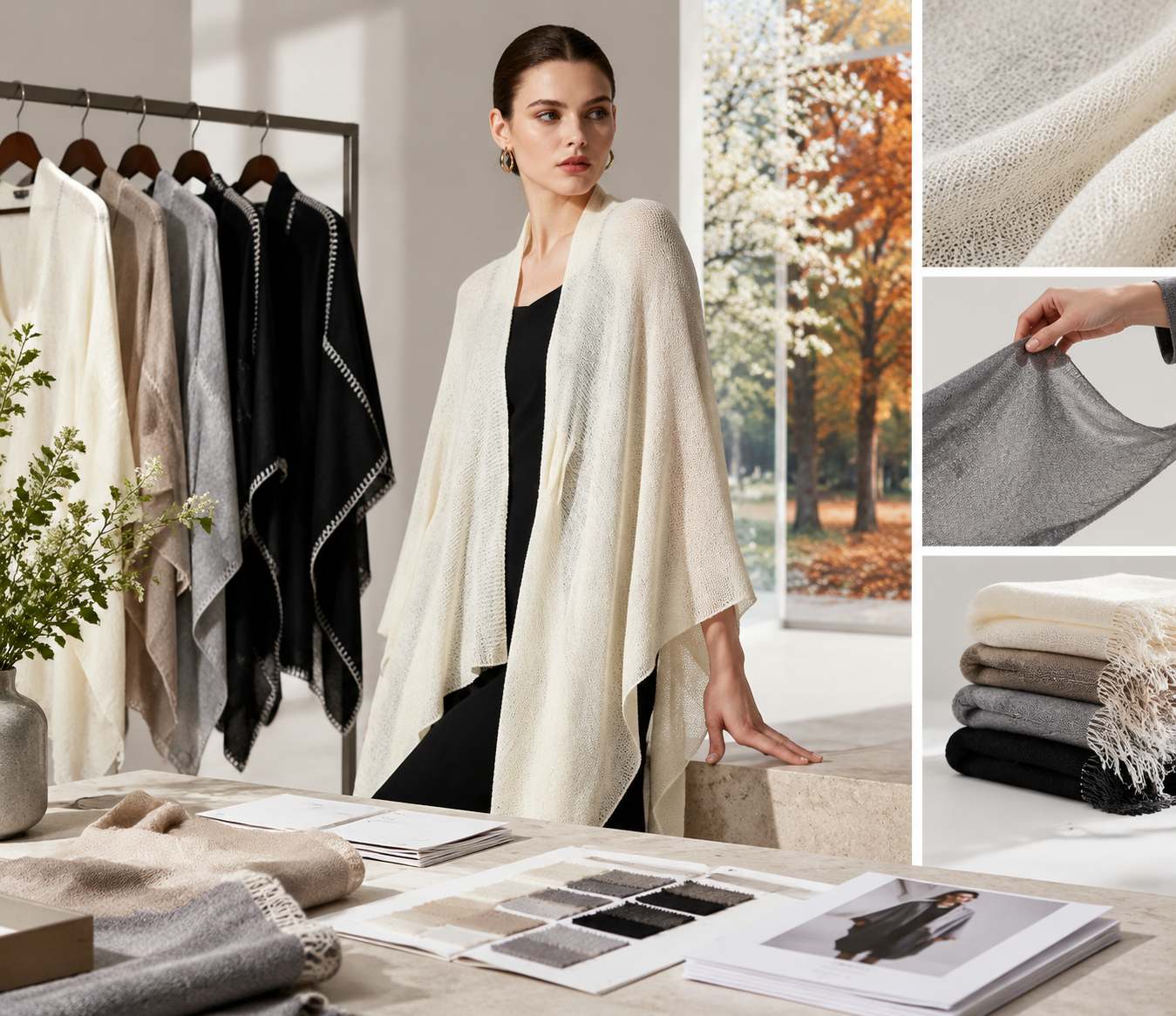
Woven scarves usually keep a flatter, more defined surface. That can suit checks, stripes, jacquard effects, reversible looks, or a cleaner drape over coats. The woven shawl category shows several woven style directions.
Neither structure is automatically better. The choice depends on whether the scarf should feel more flexible or more stable.
Which Construction Better Fits the Customer and Wearing Situation?
A well-made scarf can still be the wrong purchase if it does not match how the customer will wear it. Compare construction against outerwear, styling habits, and store presentation.
Start With the Outfit, Not the Sample Rack
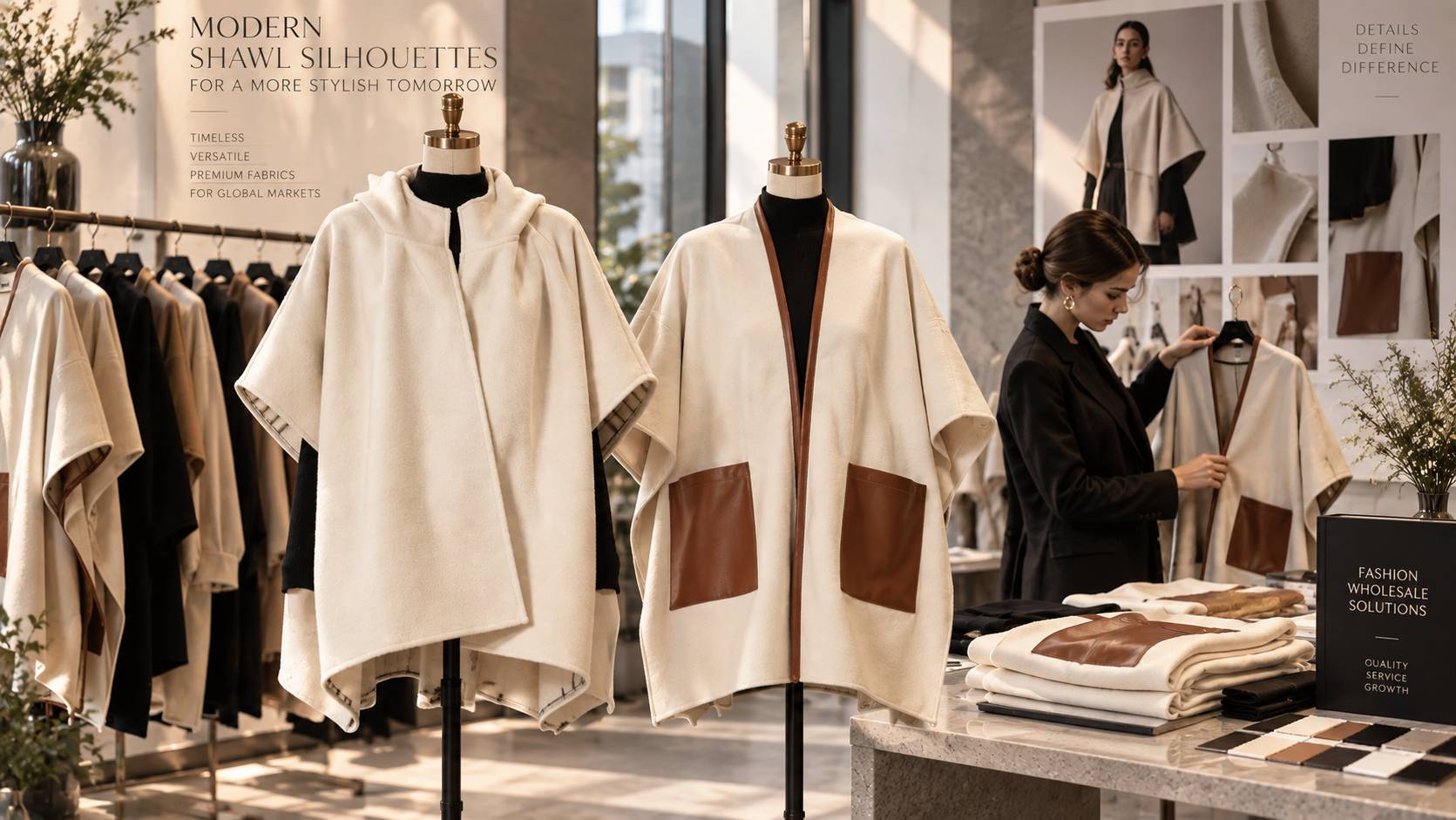
A bulky coat, tailored wool coat, casual jacket, and indoor knitwear create different needs. A substantial knitted scarf may work well when the customer wants a soft wrapped look. A flatter woven scarf may layer more easily when the outfit already has volume.
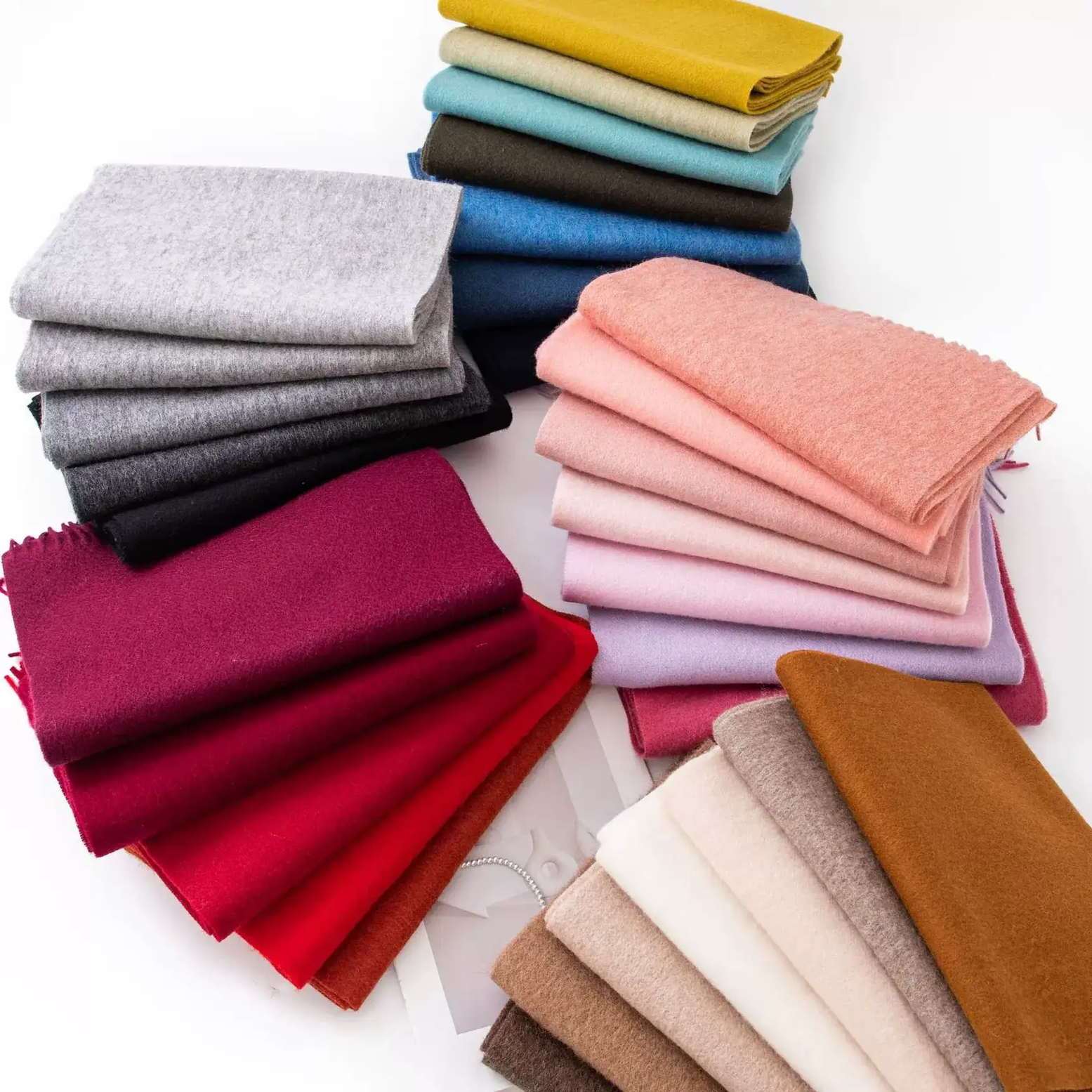
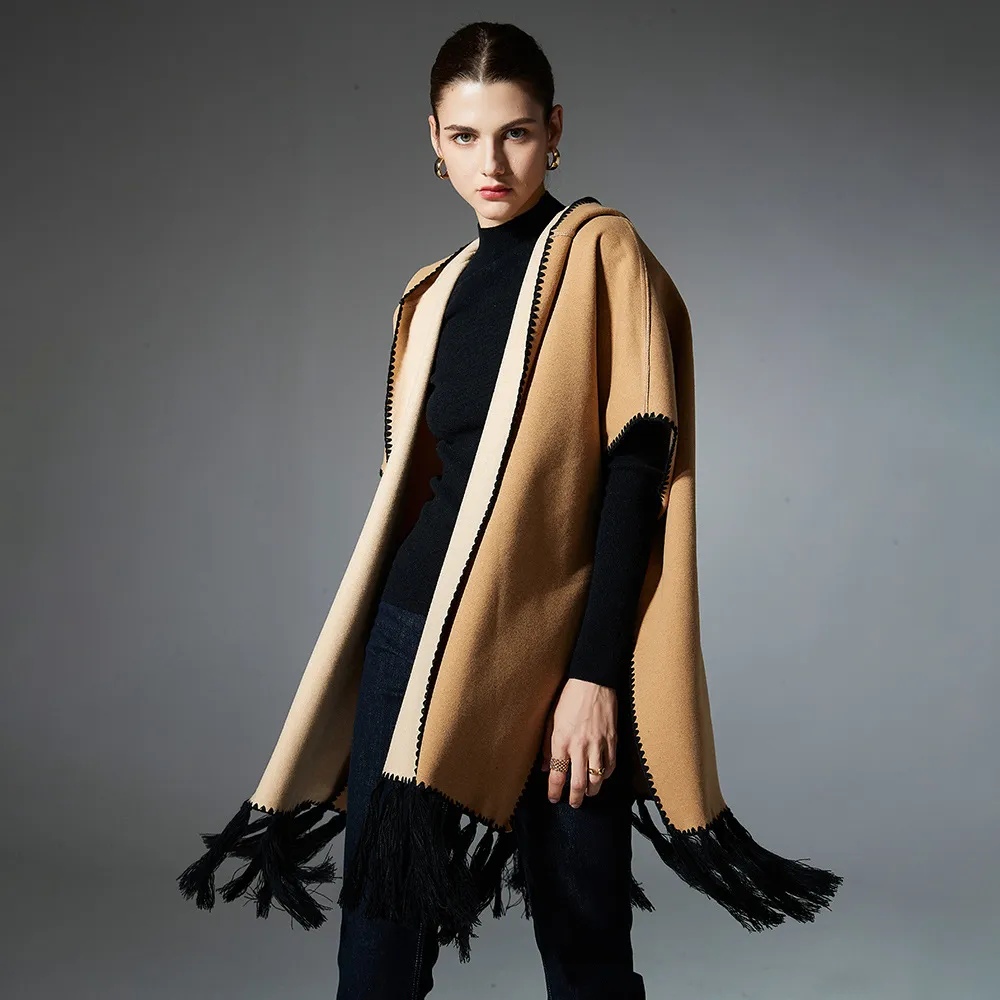
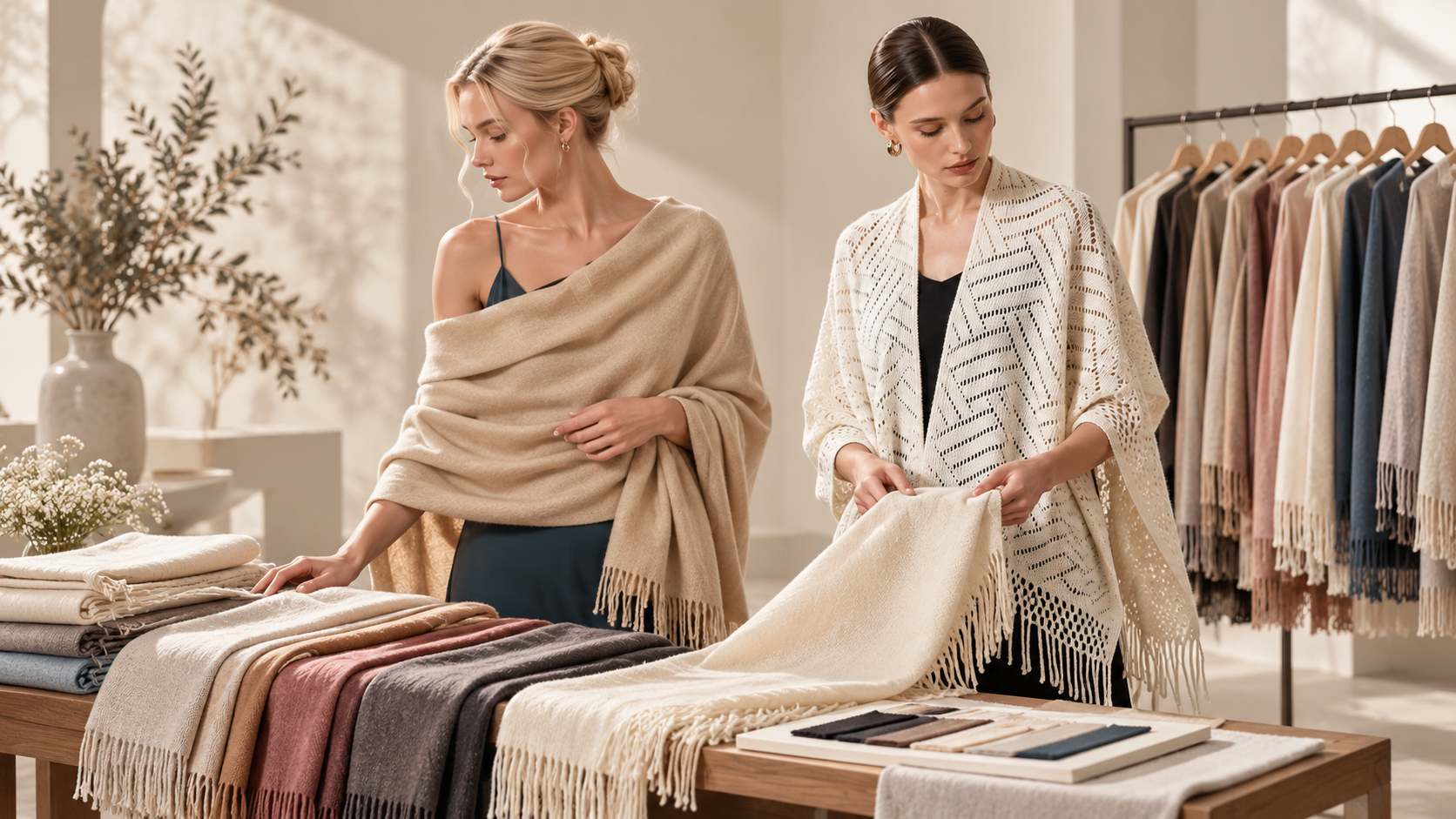
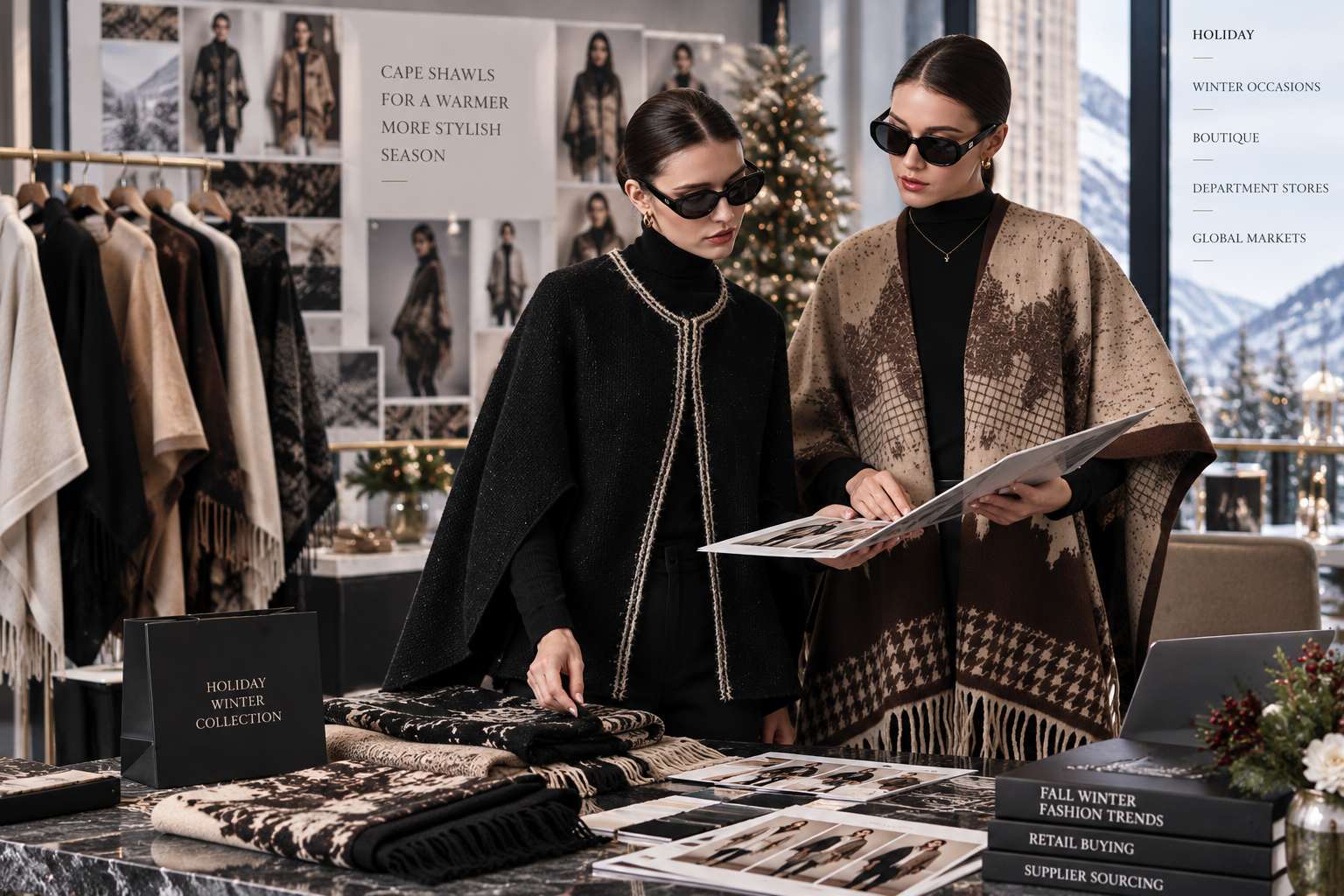
Reviewing a winter scarf assortment by category can therefore be more useful than judging isolated samples. The current category includes knitted, double-sided, printed, and tassel styles, illustrating how varied cold-season scarf construction can be.
Check How the Scarf Will Be Displayed
Retail handling matters too. Some knitted pieces gain appeal from texture but may occupy more space when folded. Woven styles can be easier to stack or hang neatly. During review, fold and hang the sample as it will appear in store.
What Should Buyers Compare Before Approving Samples?
A sample meeting should not become a discussion of color alone. Construction affects customer experience and repeat purchasing, so the approval record needs to capture more than appearance.
Compare the Scarf in Use, Not Only on a Table
Ask four simple questions: Does it wrap comfortably? Does it recover after folding? Does the surface stay clean after handling? Does the edge finish suit the intended look?
A short approval table keeps the review practical:
| Sample Point | What to Record |
|---|---|
| Hand feel | Softness, firmness, surface texture |
| Bulk | Appropriate for the intended use |
| Recovery | Appearance after folding and handling |
| Edge finish | Whether it suits the structure |
| Pattern clarity | Whether the design remains visually clean |
After the review, changes should be written into the next sample request. A photo plus “make it softer” or “same as sample” leaves too much room for interpretation.
How Should Retail Buyers Compare Material and Construction Together?
Material and construction cannot be separated completely. The same fiber family can feel different when density, finishing, and structure change, so material name alone can create false expectations.
Wool Does Not Define the Finished Result by Itself
A buyer sourcing from the wool scarf category still needs to ask how the scarf is constructed and finished. A wool scarf intended for a tailored assortment may need a different structure from one designed for a textured casual collection.
The same applies to synthetic and blended materials. Judge the finished specification and approved sample rather than using a fiber label as a shortcut for warmth or quality.
Change One Variable at a Time During Comparison
If both material and construction change between two samples, it is difficult to know why one performs better. Compare similar material with different construction, or similar construction with a different material direction. The reason for approval then becomes easier to document.
What Should Be Locked Before a Winter Scarf Order Moves Into Production?
After sample approval, the team may remember the chosen look but not the construction details that produced it. Seasonal orders leave less room to correct that mistake once production starts.
Treat the Approved Sample as One Part of the Record
The purchase file should identify material, construction, dimensions, color reference, pattern or artwork, edge treatment, labels, packaging, and the approved sample version. If the scarf was revised twice, the production team should not have to guess which version is final.
For custom programs, the ODM/OEM process is relevant because design files, samples, labels, packaging, and production requirements need to stay aligned instead of being confirmed in separate conversations.
Recheck Repeat Orders Instead of Writing “Same as Last Time”
Winter scarves may be reordered when a style performs well. The repeat order should still be checked against the original reference, especially if color, material source, or construction details have changed. The product name alone is not a complete specification.
That record gives the next buying cycle a known starting point.
Working With She Believes on Winter Scarf Development
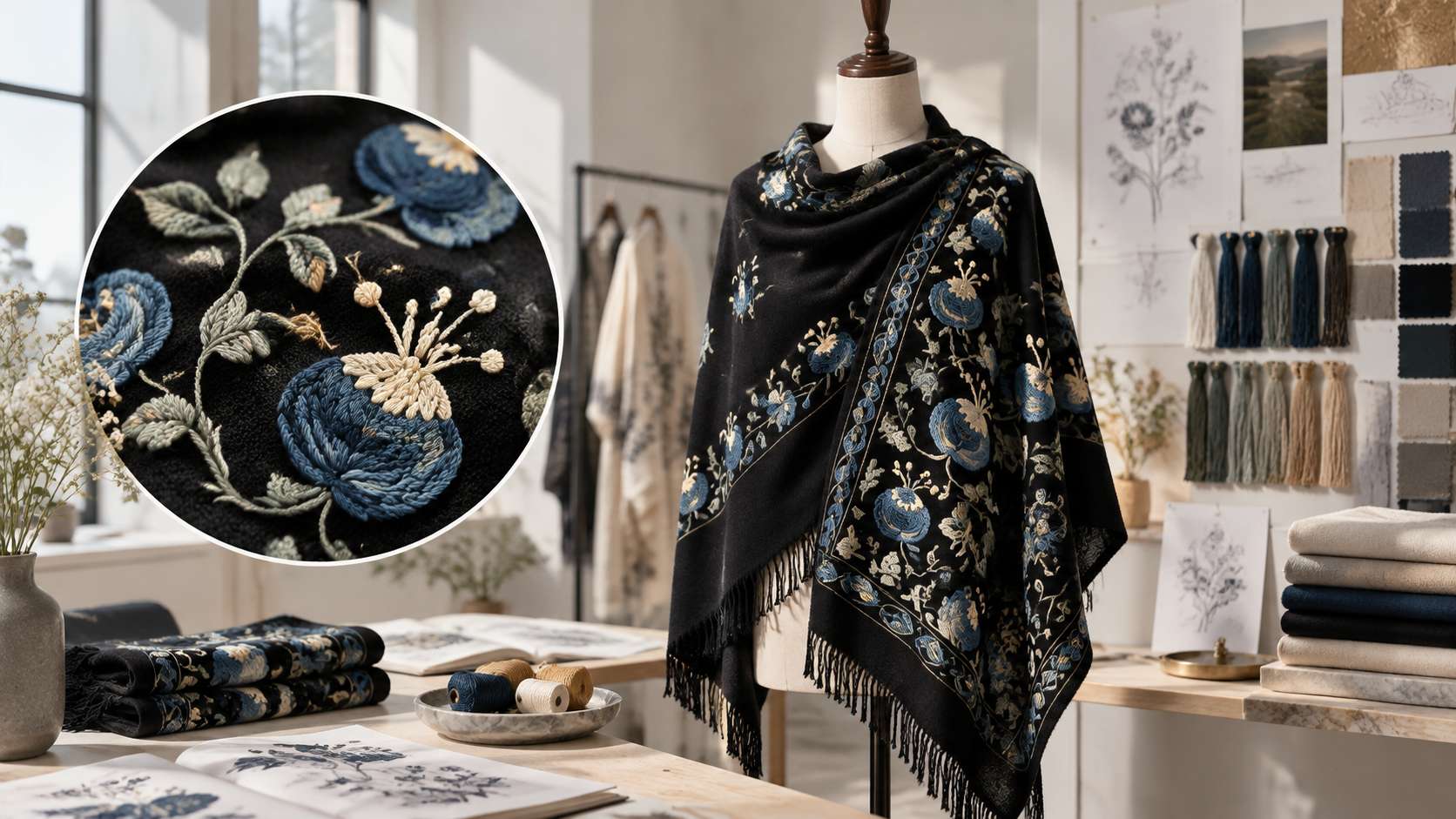
For retailers moving from assortment planning into sampling, the next step is turning the selected construction into a repeatable product specification. She Believes works with customized scarf and shawl projects covering material selection, knitting, weaving, embroidery, sampling, inspection, labels, and packaging. The current winter range includes the Winter Solid Color Warp-Knitted Scarf, described on the website as a warp-knitted winter scarf with a tight, substantial texture and several classic color options. OEM and ODM development also allows retail buyers to review construction, design files, and finishing details before bulk production.
Conclusion
Knitted and woven winter scarves answer different assortment needs, so the comparison should begin with customer use rather than a preference for one construction. Buyers make a clearer decision when they test bulk, recovery, display behavior, material, and finishing on physical samples, then record the approved version in a complete production file. With fall/winter selling periods approaching, that groundwork also makes repeat orders easier because the team knows which construction and specification created the approved result.
FAQs
1. Are knitted scarves always warmer than woven scarves?
No. Warmth depends on the finished construction, yarn, density, size, and how the scarf is worn. Compare physical samples rather than using “knitted” or “woven” as a direct measure of warmth.
2. Which construction is easier for a retailer to merchandise?
It depends on the display plan. A flatter woven scarf may stack or hang neatly, while a textured knitted scarf can attract attention through touch. Test the intended display method during sample review.
3. What should I record when approving a winter scarf sample?
Record material, construction, dimensions, color reference, pattern or artwork, edge finish, labels, packaging, and the exact approved sample version. Comments such as “same quality” are too vague for production.
4. Can a retailer request the same design in knitted and woven versions?
Yes, when the design is technically suitable for both. Comparing two constructions can be useful, but the visual result and hand feel may differ because the structures behave differently.
5. What should be rechecked before placing a repeat winter scarf order?
Compare the repeat order with the original approved sample and specification. Confirm material, construction, color, dimensions, finishing, labels, and packaging again, especially when ordering in a new season.